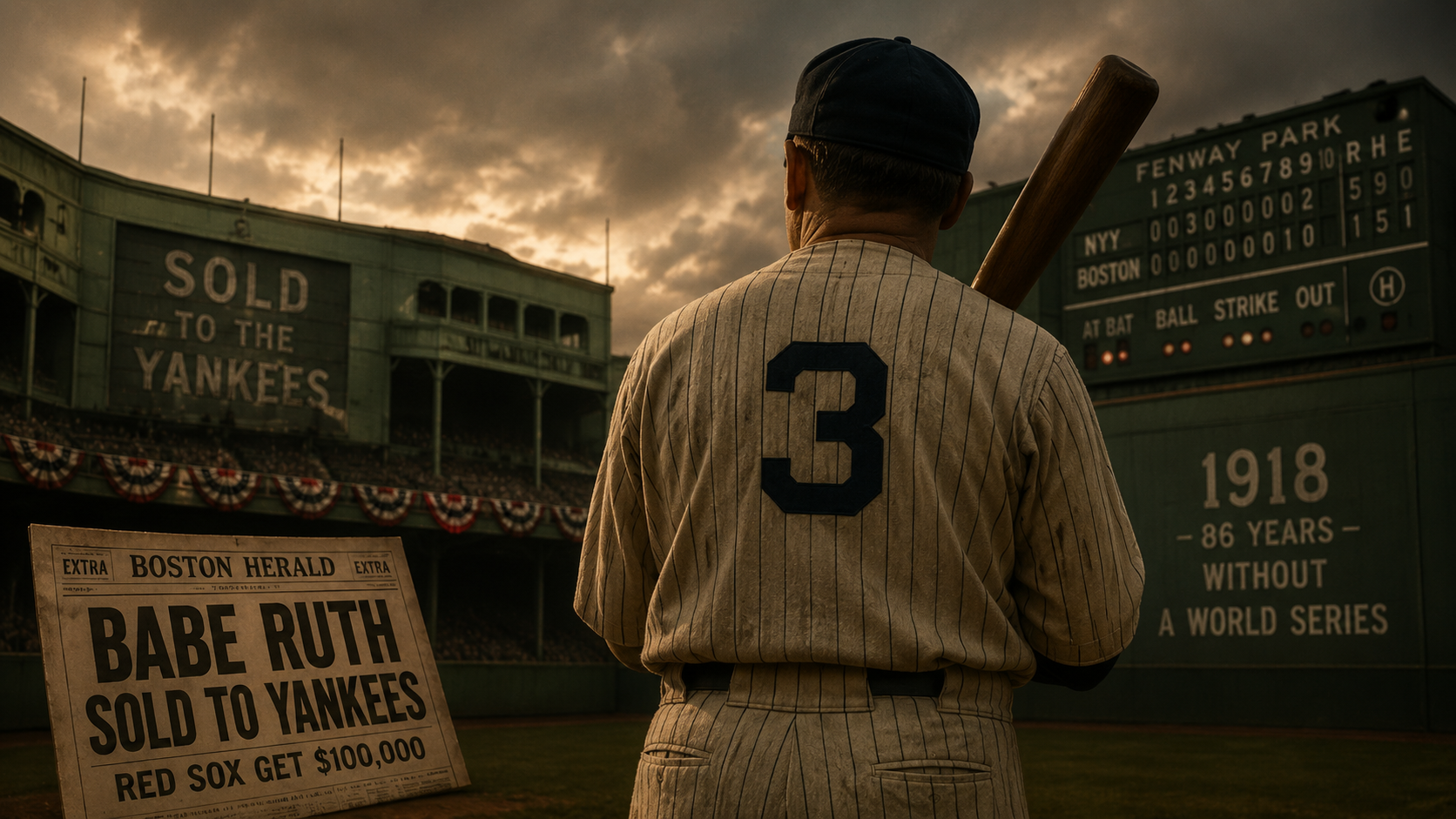
The Curse that Redefined Baseball Fate
"In 1920, the Boston Red Sox committed what appeared to be an ordinary business decision, yet it sparked an 86-year drought and a supernatural legend. What occurred wasn’t just a trade; it was an act that doomed a dynasty."
What Happened?
In 1919, the Boston Red Sox sold Babe Ruth to the New York Yankees. As the Yankees became a dynasty and the Red Sox endured decades of heartbreak, fans built a powerful story around the so-called Curse of the Bambino. The curse finally ended when Boston won the World Series in 2004, but the legend remains a classic example of how sports turns coincidence into mythology.
Takeaway
The lesson this story keeps teaching
“When failure lasts long enough, people create stories to explain why fate seems to be against them.”
Why People Are Talking About This
The Curse of the Bambino is a visceral reminder of how a single decision can ripple through time, affecting not just sports, but the cultural fabric of a city. It teaches us the potency of narratives — where the myth became larger than baseball itself.
Moreover, this saga reflects the enduring belief that curses and superstitions can influence real-world outcomes, fueling debates that stretch into psychology and cultural phenomena. It reminds us that every decision in life's seemingly ordinary moments holds extraordinary potential.
Thread Map
9 entities · 8 connections · Hover to explore, click to inspect
This is the connection map for this thread. Every node is a person, company, event, or idea. The red lines show how they connect. Hover a node to highlight its connections. Click a node to see why it matters to this story.
How We Got Here
Babe Ruth Sold to Yankees
The Boston Red Sox shocked fans and players alike by selling George Herman 'Babe' Ruth to the New York Yankees. This transaction triggered what became the infamous Curse of the Bambino.
The Curse of the Bambino Begins
As Babe Ruth's influence fueled the Yankees' rise, the Red Sox faced an inexplicable championship drought, cementing beliefs in a curse.
Red Sox Fall in the World Series
The Red Sox lost the World Series to the St. Louis Cardinals, fueling the narrative of a curse as they squandered another opportunity to end the perpetual championship drought.
Infamous Bill Buckner Error
In a crushing defeat during the World Series, a ground ball slipped through Bill Buckner's legs, symbolizing the Red Sox's karmic struggles.
Historic ALCS Comeback
The Red Sox achieved the inconceivable by overcoming a 3-0 series deficit against the Yankees in the ALCS, something no major league team had done before.
The Curse Ends - World Series Victory
The Red Sox crushed the St. Louis Cardinals in a World Series sweep, officially ending the Curse of the Bambino.
Red Sox Celebrated at Fenway
In the season opener, the Red Sox were honored in a raucous ceremony at Fenway Park, a joyful recognition of their historic achievement.
White Sox End Their Drought
The Chicago White Sox won the World Series, similarly breaking their long-standing championship drought just a year after the Red Sox.
Wait... Who Is This?
At the dawn of the 20th century, the Boston Red Sox weren't just another baseball team; they were the embodiment of triumph. Their successes set a standard unmatched in Major League Baseball. By 1918, they had secured five World Series titles, becoming the envy of competitors nation-wide. In the heart of this dominance was Babe Ruth, 'The Bambino,' whose prowess with a bat transcended the sport and echoed through popular culture. Born out of his home runs was not just cheer, but a faith in perpetual victory.
Yet in 1919, underneath this veneer of invincibility, the Red Sox organization held a secret. Owner Harry Frazee, burdened with financial ambitions far beyond baseball, struck a deal that would echo through time. In a bid to fund his theatrical dreams, he sold his star asset to the New York Yankees. This sale, marked not by the typical calculus of statistical gains and losses but by Frazee’s entrepreneurial digs, began a downward spiral into the unfamiliar: mediocrity mingled with myth.
However, in its wake emerged the enigmatic 'Curse of the Bambino,' a legend born out of every subsequent Red Sox failure. For decades, the curse became a subtle undercurrent to Boston's sports narrative. Stories of near misses and 'could-have-beens' engulfed fans and players alike. To them, it felt as though an unseen hand had scripted their destiny since 1920. The curse was more than lore; it was lived by each generation of Red Sox faithful.
Receipts
Did you believe in the Curse of the Bambino before the 2004 World ...
Curse of the Bambino - Wikipedia
Curse of the Bambino
What Was the Curse of the Bambino—and How Was Baseball's Greatest Hex Broken? | HISTORY
Breaking the Curse of the Bambino - YouTube
Exactly 20 years ago today the Curse of the Bambino was lifted, and ...
Same Pattern
Different story. Same lesson.
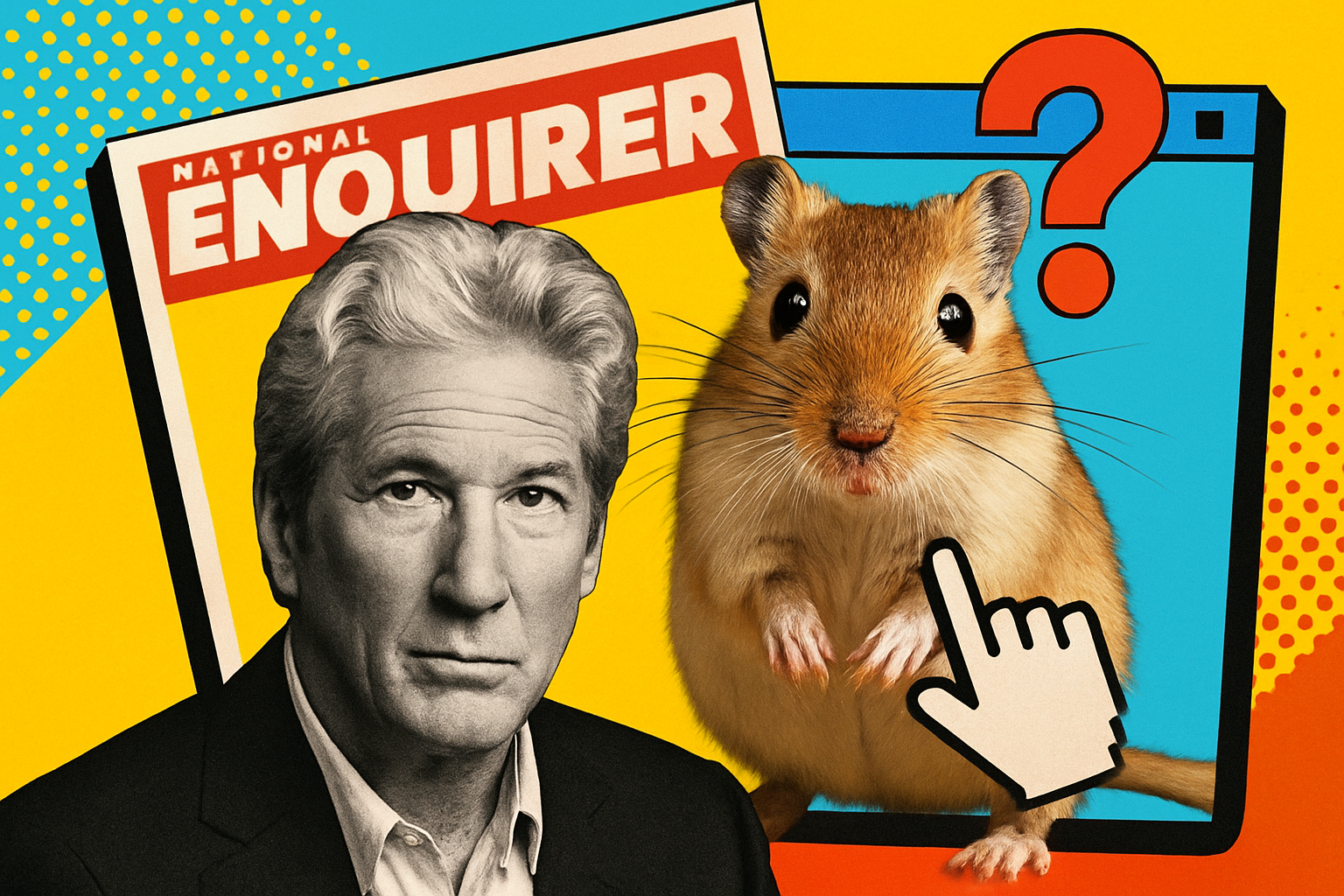
Richard Gere's Urban Misfire: The Gerbil Tale
In the glossy world of 1990s Hollywood, the unlikeliest of animals became a haunting presence. A gerbil caught in a story with Richard Gere, proving that fact can be far stranger than fiction.

The Hope Diamond's Twisted Journey
A gem of incredible beauty, notorious for its curse. The Hope Diamond has a history fraught with tragedy and mystery.
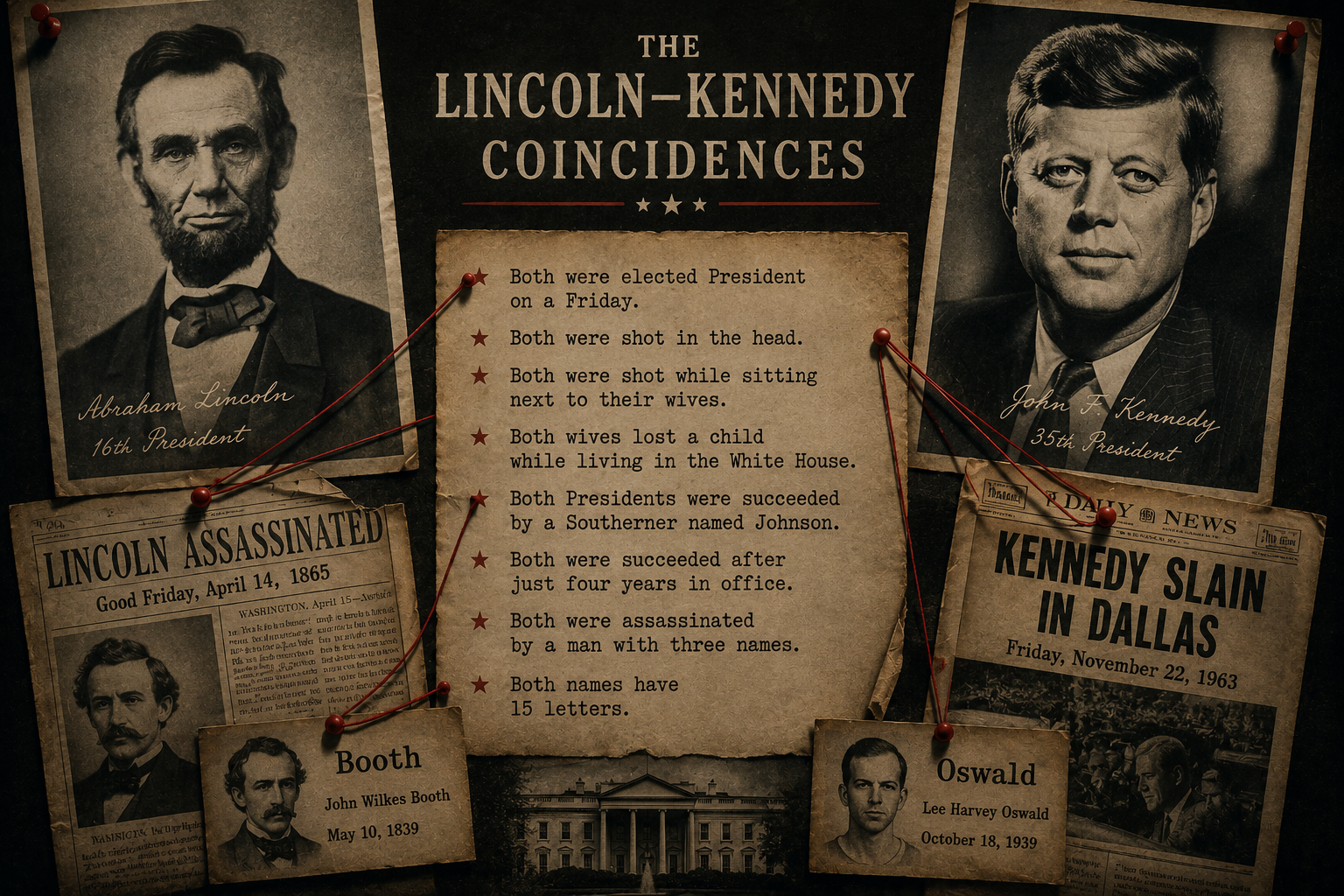
Presidential Parallels: Lincoln and Kennedy
In a chilling overlap of history, both Lincoln and Kennedy were struck down by assassins on a Friday with uncanny resemblance in detail. Yet, beyond coincidence lies a web of mysterious parallels that defies belief.
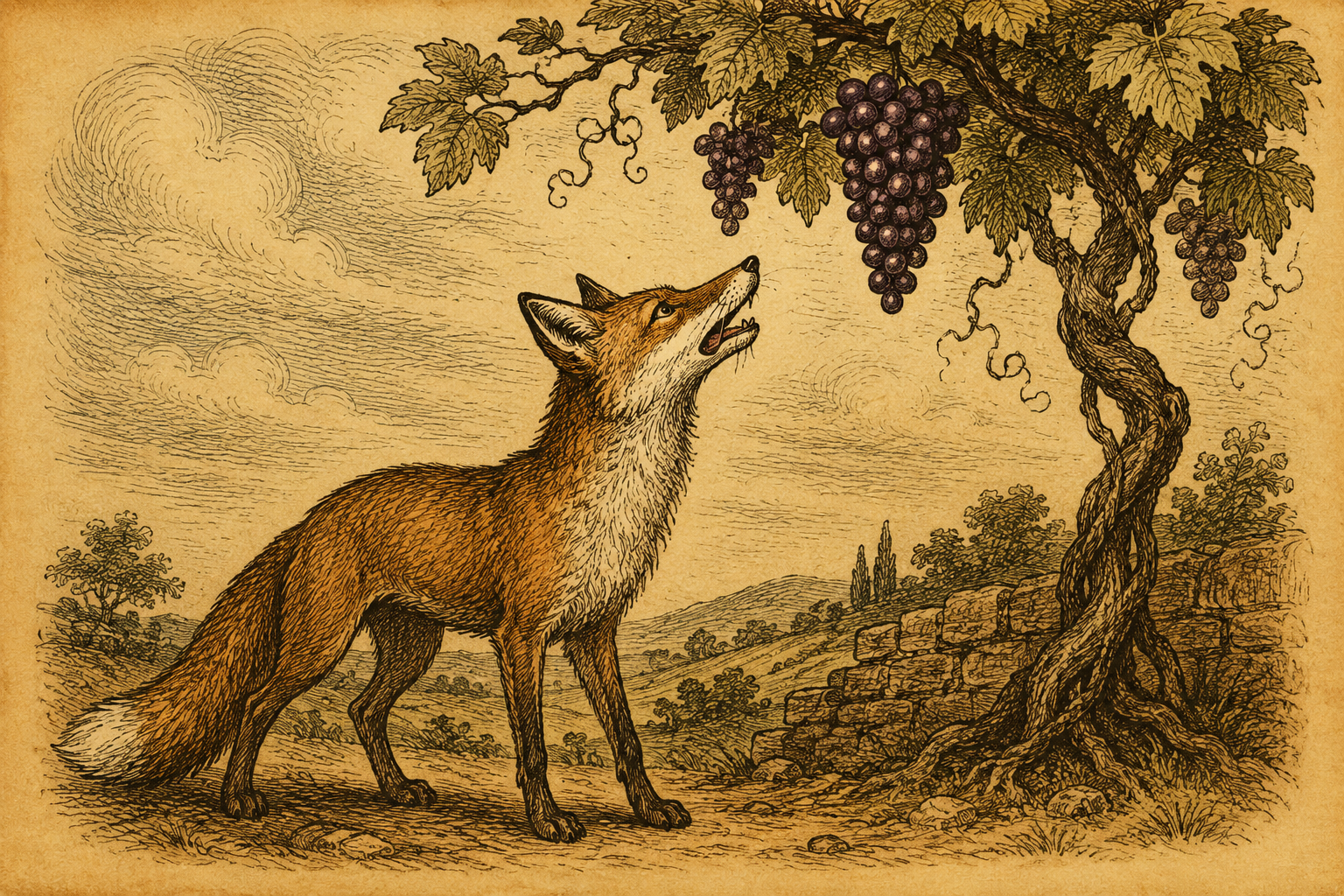
The Original Sour Grapes
The fox, tantalized by grapes just out of reach, uttered 'They're probably sour anyway.' With these words, an ancient parable reshaped how we understand disappointment.
Continue the Rabbit Hole
Each story explores the same idea from a different angle. Follow the connections and discover where the thread leads.


Fictional placeholder content