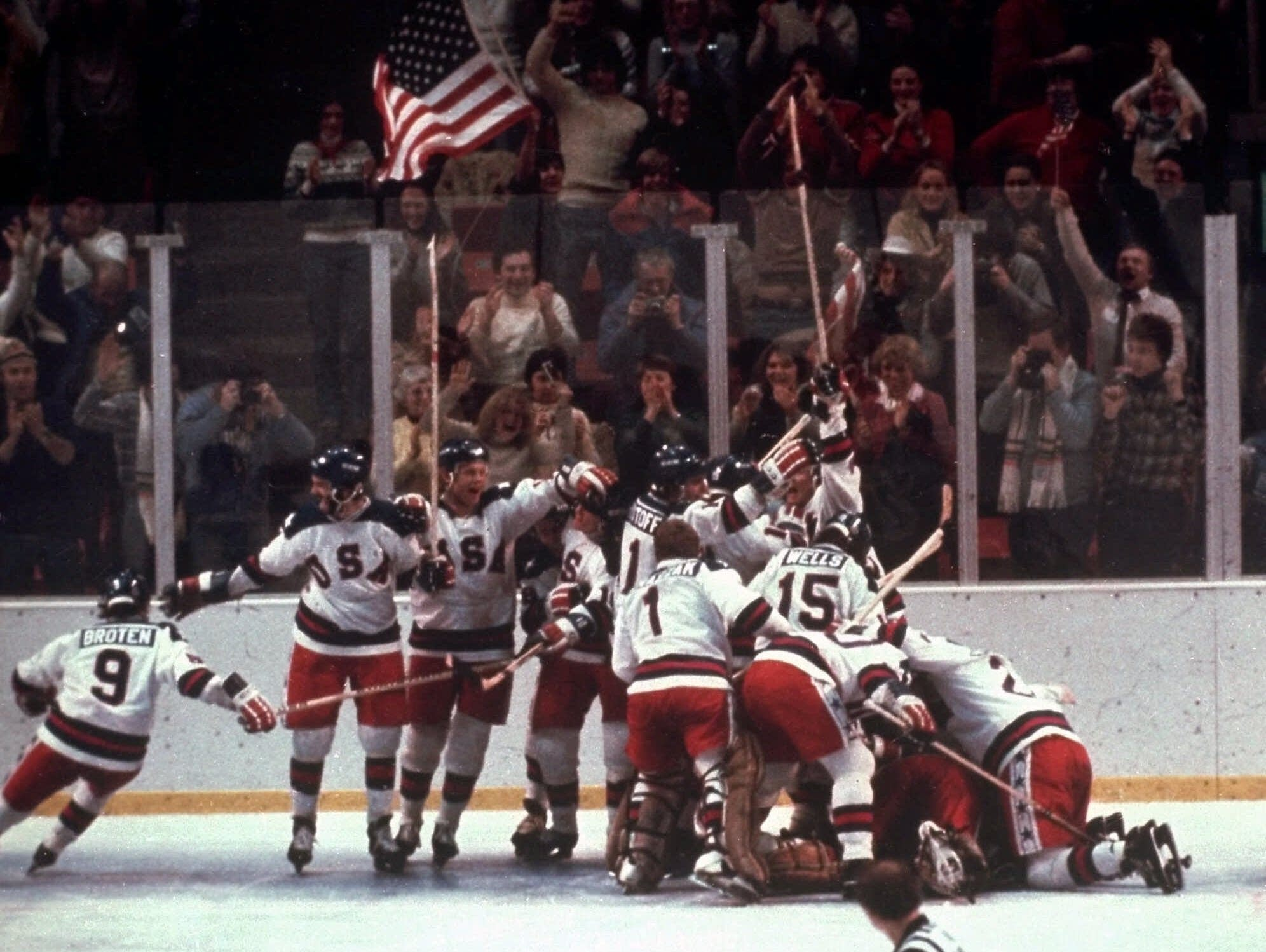
Miracle on Ice: Unlikely Victory
"February 22, 1980: The day an underdog team of American amateurs toppled the invincible Soviet hockey machine. The Cold War struggle found its most poignant moment on a rink, captured in Al Michaels' haunting question, 'Do you believe in miracles?'"
What Happened?
On February 22, 1980, a group of young American amateurs faced the Soviet Union's formidable hockey team at the Winter Olympics in Lake Placid. This wasn't just a game—it was a collision of worlds. The Soviet team, seasoned and skillful, had dominated the sport for decades. Yet, on this fateful day, the unthinkable happened: the Americans emerged victorious with a 4-3 win. Guided by coach Herb Brooks' visionary approach, the Americans showcased not just talent but sheer determination, turning the match into a symbol of Cold War resilience and sparking a national awakening.
Takeaway
The lesson this story keeps teaching
“When the impossible becomes possible, it reshapes the boundaries of belief and capability.”
Why People Are Talking About This
The Miracle on Ice transcended its own moment, becoming a powerful symbol of resilience and unity during a time of global unrest. It illustrated that underdogs could redefine outcomes on the world stage, inspiring countless future narratives of triumph against overwhelming odds. The story continues to resonate—not just as a sports victory, but as a timeless reminder that in the most unexpected places, one finds the strength to defy expectations and reshape destiny.
Thread Map
9 entities · 8 connections · Hover to explore, click to inspect
This is the connection map for this thread. Every node is a person, company, event, or idea. The red lines show how they connect. Hover a node to highlight its connections. Click a node to see why it matters to this story.
How We Got Here
Carter Announces Moscow Olympics Boycott
President Jimmy Carter announced the U.S. would boycott the 1980 Summer Olympics in Moscow. This decision was in response to the Soviet Union's invasion of Afghanistan, heightening Cold War tensions.
U.S. Struggles Against Sweden
In a preliminary match, the U.S. team managed only a 2-2 draw against Sweden. It was a reminder to Coach Herb Brooks of the team's vulnerabilities, pushing him to drive his team harder.
U.S. Defeats Soviet Union in 'Miracle on Ice'
The U.S. men's ice hockey team defeated the heavily favored Soviet Union 4-3. This improbable victory at the Winter Olympics shocked the world and became a key symbolic moment in the Cold War.
USA Secures Gold Against Finland
Following their victory over the Soviets, Team USA defeated Finland 4-2 to win the gold medal. This built further upon the Miracle on Ice, securing the Olympic title against formidable odds.
Sports Illustrated Features Miracle on Ice
The March issue of Sports Illustrated famously featured the Miracle on Ice on its cover without any caption, asserting the game's significance as universally understood.
1980 U.S. Hockey Team Named Sportsmen of the Year
The team received the accolade of Sportsmen of the Year from both ABC's Wide World of Sports and the Associated Press, cementing their victory as a pinnacle of sporting achievement.
Herb Brooks Joins the New York Rangers
Herb Brooks transitioned his coaching career to the NHL, steering the New York Rangers. His credibility cemented by the Miracle on Ice, Brooks continued to influence the hockey world.
ESPN Declares Miracle on Ice the Top Sports Moment
Celebrating its 25th anniversary, ESPN ranked the Miracle on Ice as the top sports moment of the 20th century. This cemented a lasting legacy beyond its immediate shock.
USA Wins Men's Hockey Gold at Winter Olympics
For the first time since 1980, Team USA claimed Olympic gold in men's ice hockey at the 2026 Winter Olympics, reviving memories of the historic Miracle on Ice.
Wait... Who Is This?
In the early 1980s, geopolitical divisions colored global affairs, with the United States and the Soviet Union deadlocked in the Cold War. Dominance was fought not just with weapons but through cultural supremacy. Events like the Olympics became arenas for national pride, and hockey emerged as a theatrical spectacle of ideological superiority. Here, Soviet training regimes sculpted players into machine-perfect athletes—reminders of Soviet prowess in every pass and tackle.
Meanwhile, America reeled under crises of confidence. The economic downturn clung stubbornly to citizens' lives. Protests simmered amidst a challenging employment landscape as Ronald Reagan prepared for presidency. With political fronts flaring, sports presented a tangible opportunity for a morale boost. What began as games amplified competitive spirits into something remarkably larger, setting the stage for events like Miracle on Ice.
Coach Herb Brooks understood these dynamics. Driving through snow-dusted highways to scouting games, assembling a team that mirrored determination rather than celebrity, he assessed not just fitness but tenacity. The sport's evolving fabric, more than victories or rivalries, would challenge Soviet invincibility in a parallel arena of conflict.
Receipts
Miracle on Ice | MNopedia
U.S. hockey team beats the Soviets in the "Miracle on Ice" | February 22, 1980 | HISTORY
Inside the Miracle on Ice: How Team USA defied the numbers to beat the Soviet Union at the 1980 Olympics - ESPN
1980 Men’s Ice Hockey Team | 1980 Winter Olympics | USOPM
1980 U.S. Olympic Team
Continue the Rabbit Hole
Each story explores the same idea from a different angle. Follow the connections and discover where the thread leads.


Fictional placeholder content