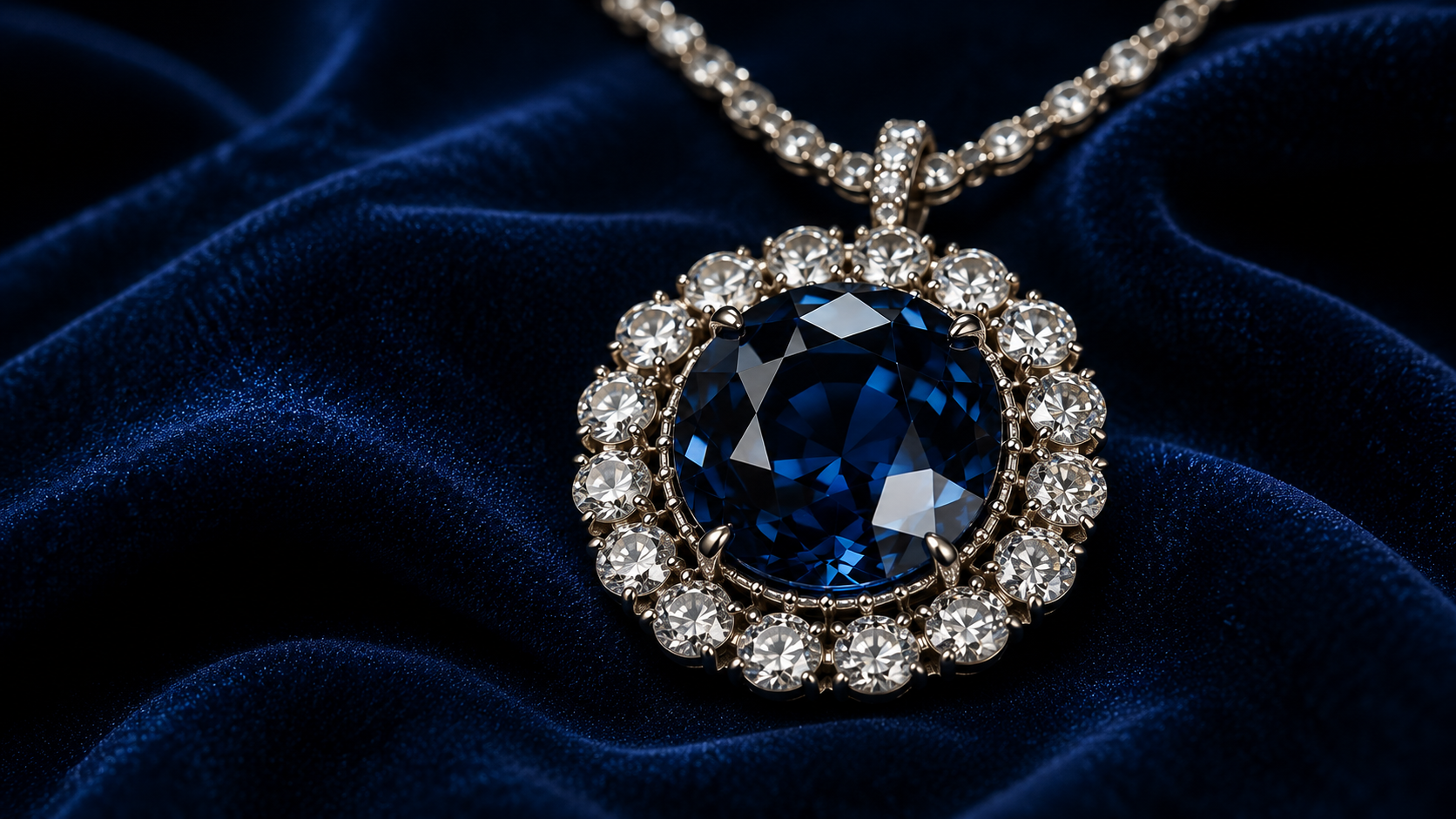
The Hope Diamond's Twisted Journey
"A gem of incredible beauty, notorious for its curse. The Hope Diamond has a history fraught with tragedy and mystery."
What Happened?
The Hope Diamond is more than a rare blue gem. Its journey through royal courts, thefts, collectors, and museums turned it into an object surrounded by mystery and rumors of a curse. Whether the curse is real or invented, the diamond's power comes from the stories people attached to it over centuries.
Takeaway
The lesson this story keeps teaching
“Objects become powerful when people attach stories, fear, and status to them.”
Why People Are Talking About This
Tales of the Hope Diamond underline not just the power of superstition but reveal how narratives can shape public perception. Its alleged curse reminds us of humanity's penchant for myth-making, where stories become truth and influence lives.
The diamond's path also notes the volatility of fortunes tied to status symbols, offering a window into the allure—and downfall—that unchecked fascination can yield within the corridors of social prestige and wealth. The Hope Diamond illustrates how art and object are mutually transformative.
Thread Map
7 entities · 6 connections · Hover to explore, click to inspect
This is the connection map for this thread. Every node is a person, company, event, or idea. The red lines show how they connect. Hover a node to highlight its connections. Click a node to see why it matters to this story.
How We Got Here
Tavernier Acquires the Blue Diamond
Jean-Baptiste Tavernier acquired an enormous, mesmerizing blue diamond in India. This acquisition marked the beginning of the Hope Diamond's storied existence.
King Louis XIV Purchases the Diamond
The blue diamond was sold to King Louis XIV of France. It became a part of the French crown jewels and was known as the 'French Blue.'
The Diamond Stolen During the French Revolution
Chaos of the French Revolution led to the theft of the diamond from the royal treasury. The gem vanished, becoming lost in history’s tumultuous tide.
Diamond Named After Henry Philip Hope
Resurfacing in Henry Philip Hope's extensive collection, the diamond was finally named the Hope Diamond in a catalogue. Its curse narrative began to gain momentum.
Evalyn Walsh McLean Buys the Hope Diamond
Socialite and mining heiress Evalyn Walsh McLean bought the diamond. She frequently wore it, even amidst rumors of a curse.
Harry Winston Purchases the Diamond
Jeweler Harry Winston acquired the Hope Diamond, integrating it into his exhibitions across the United States, stirring public fascination once more.
Diamond Donated to Smithsonian Institution
Harry Winston donated the Hope Diamond to the Smithsonian Institution. This act aimed to transform its public perception and cement its legacy within historical discourse.
Smithsonian Reopens the Hope Diamond Display
After a temporary closure, the Smithsonian Institution reopened the Hope Diamond display, continuing to draw visitors captivated by its beauty and its lore.
Wait... Who Is This?
Before the Hope Diamond became a fixture at the Smithsonian, its journey was marked by grandeur and peril. In the mid-17th century, the world of gemstones was a sphere embroiled in mystery and danger. It was a time when intrepid explorers like Jean-Baptiste Tavernier would venture into far-flung realms, chasing exotic treasures that most could only dream about. The diamond that would later be known as the Hope was acquired in such a venture, plucked from the mines of Golkonda, and fashioned into imperial splendor at Versailles.
Its early history is intertwined with the absolute monarchy of Louis XIV, spotlighting the opulence of a court known for its excesses. But rocks like this one became more than ornaments—they were symbols. As if sensing that, during the French Revolution, it slipped away into obscurity, only to re-emerge under a new guise. This disguise, however, brought new dramas. In England, as part of Henry Hope's collection, it began amassing stories of a curse—alleged victim by alleged victim.
Through activities of acquisitions and banker trade affairs, storytelling around the diamond fed hungry imaginations. The Hope family’s eventual financial ruin was highlighted as evidence of its malign influence. In America, Evalyn McLean’s acquisition perpetuated this narrative; her opulent displays couldn’t quit the misgivings of its dark aura.
Harry Winston lent the tale a final silver lining by donating it, intent on re-establishing its place not as temptation or a bearer of threats, but as a piece of history to educate and astonish.
Receipts
Hope Diamond - Wikipedia
History of the Hope Diamond
The Hope Diamond: The History and Science of the Blue Gem
The Hope Diamond Curse and Mystery
Smithsonian’s Hope Diamond Display to Reopen June 18 After Being Shuttered for 461 Days - Michelson Jewelers
Same Pattern
Different story. Same lesson.
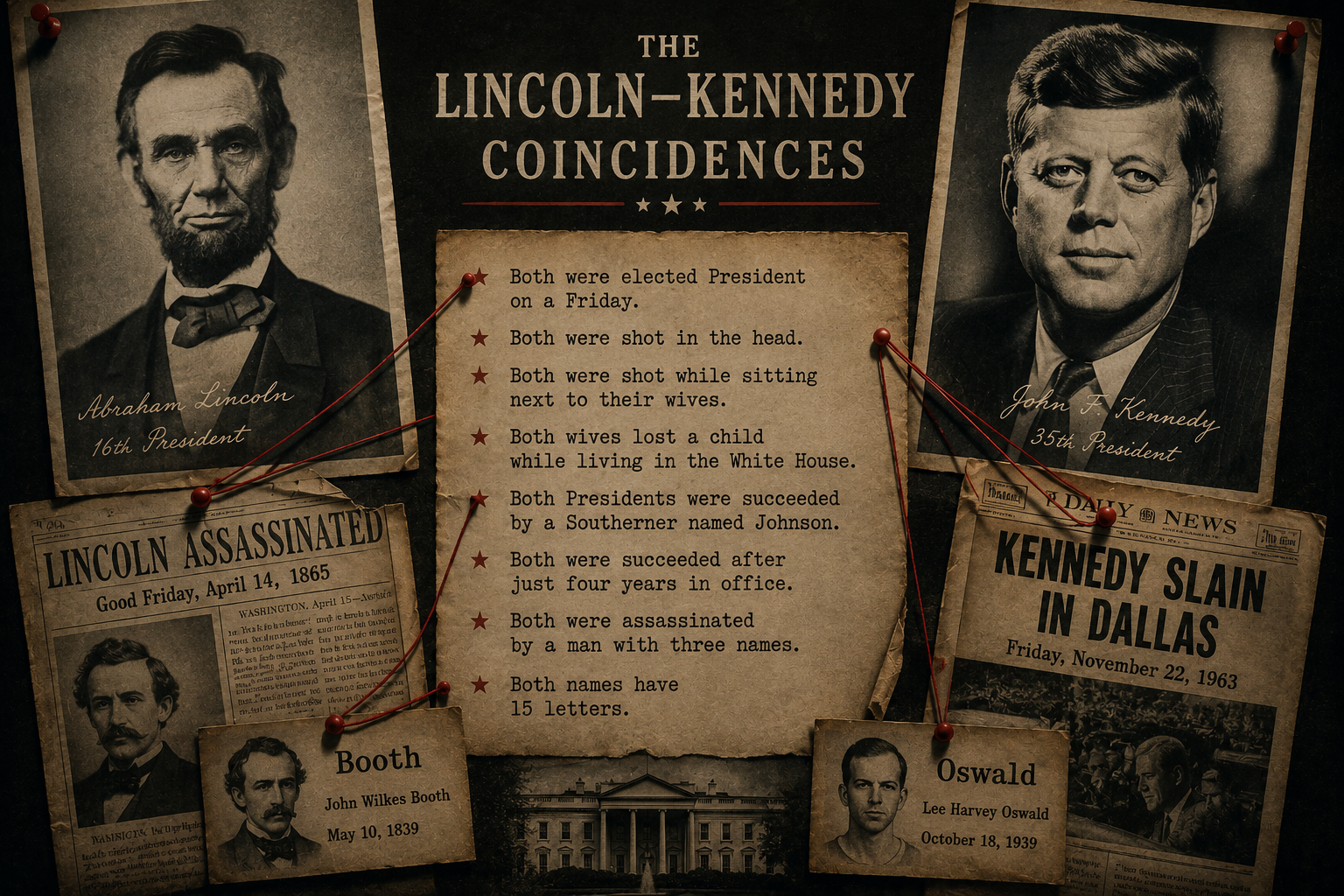
Presidential Parallels: Lincoln and Kennedy
In a chilling overlap of history, both Lincoln and Kennedy were struck down by assassins on a Friday with uncanny resemblance in detail. Yet, beyond coincidence lies a web of mysterious parallels that defies belief.
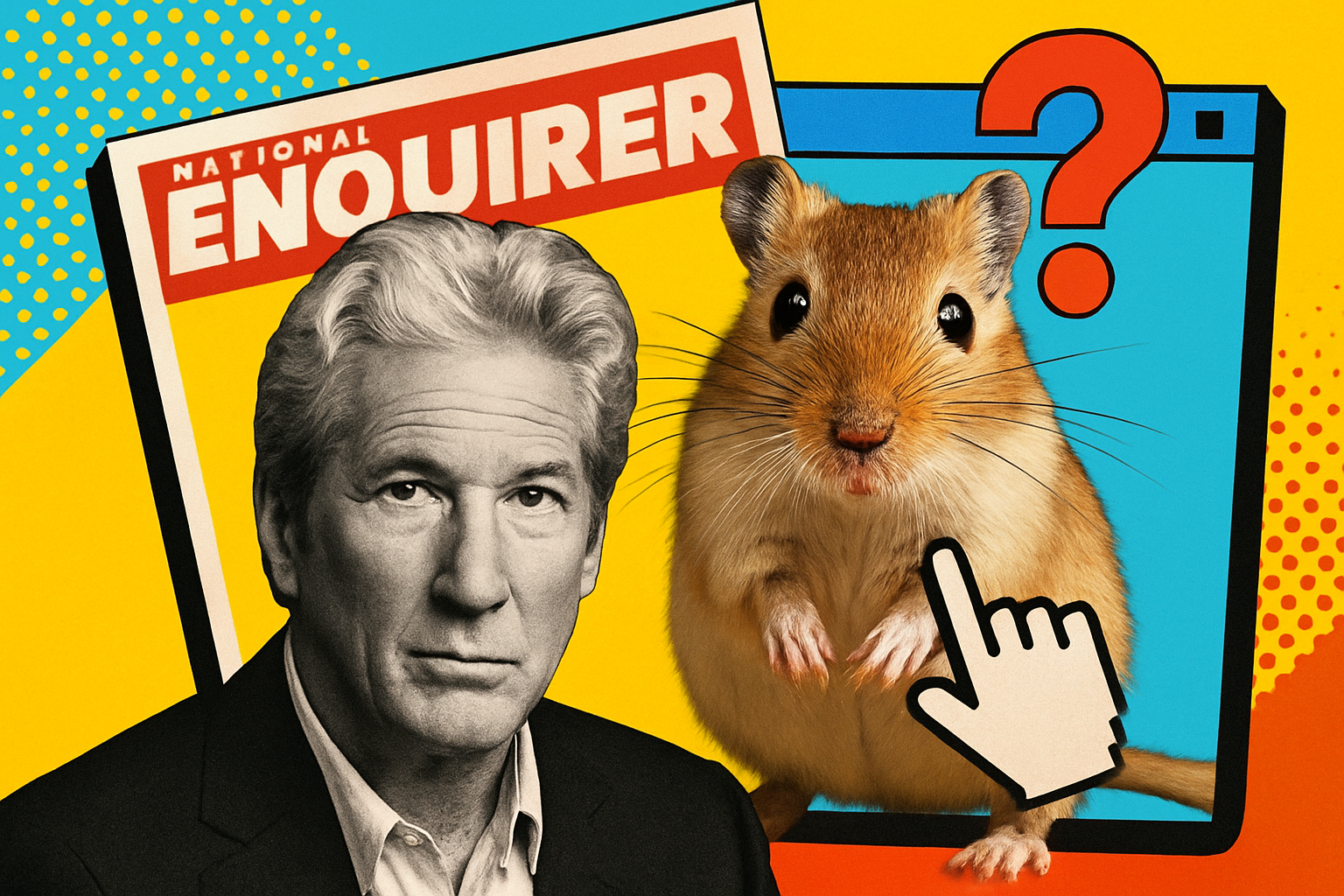
Richard Gere's Urban Misfire: The Gerbil Tale
In the glossy world of 1990s Hollywood, the unlikeliest of animals became a haunting presence. A gerbil caught in a story with Richard Gere, proving that fact can be far stranger than fiction.
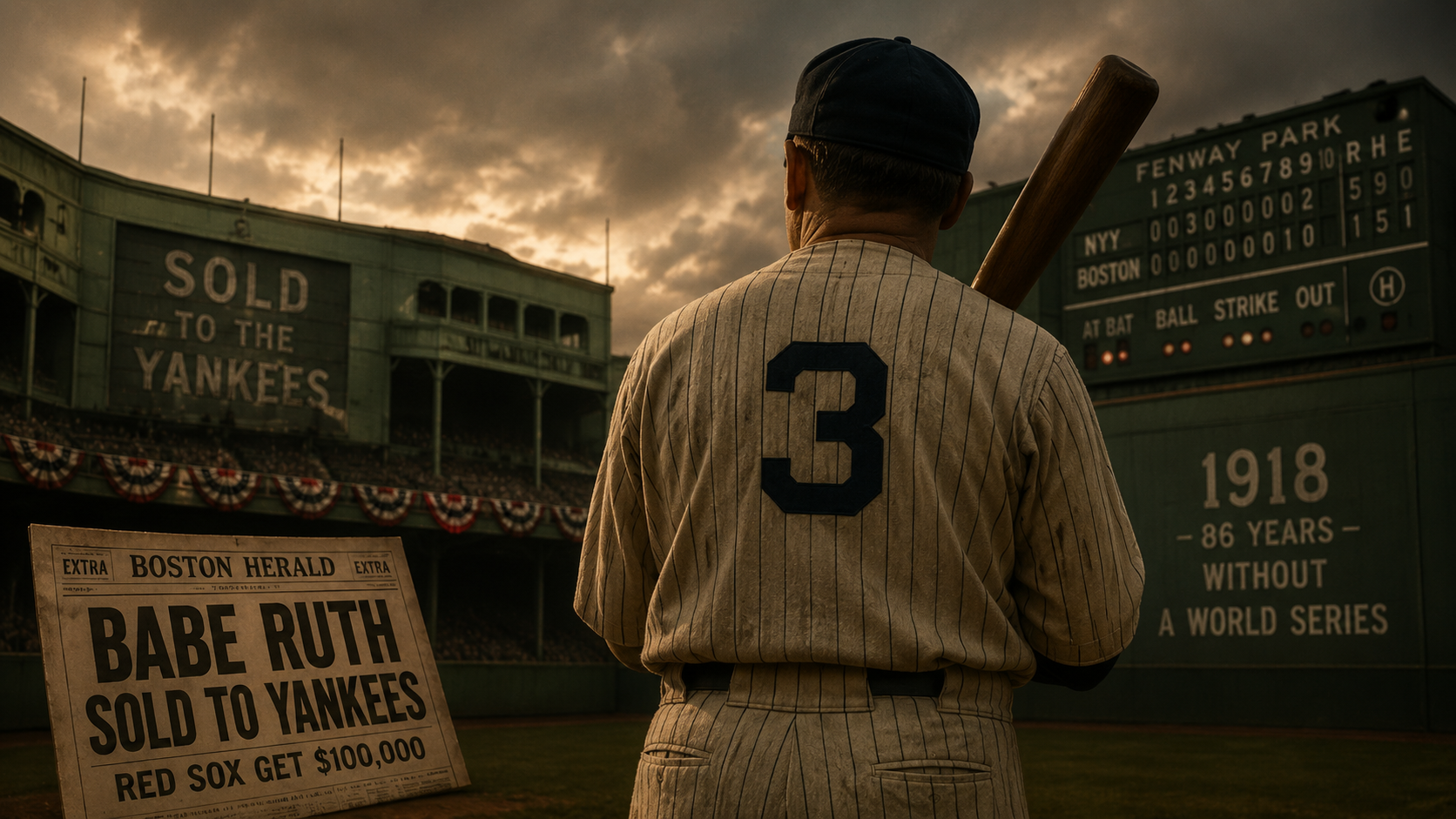
The Curse that Redefined Baseball Fate
In 1920, the Boston Red Sox committed what appeared to be an ordinary business decision, yet it sparked an 86-year drought and a supernatural legend. What occurred wasn’t just a trade; it was an act that doomed a dynasty.
Continue the Rabbit Hole
Each story explores the same idea from a different angle. Follow the connections and discover where the thread leads.


Fictional placeholder content