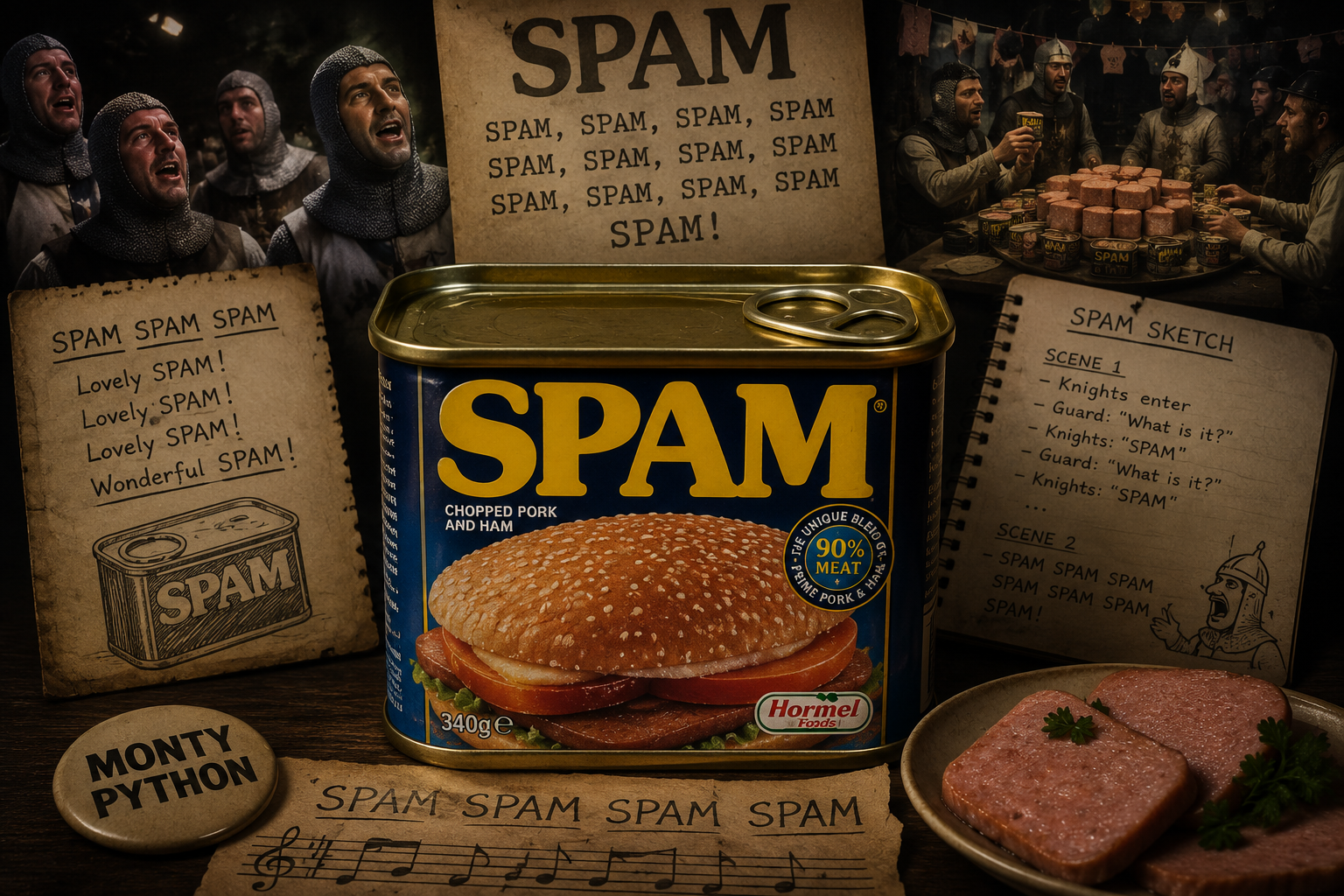
The Spam That Changed the Internet
"A series of absurd sketches from a British comedy troupe in 1970 unwittingly birthed a new digital scourge. How did jokes about canned meat lead to the most despised term in internet culture?"
What Happened?
Long before spam meant junk email, it was the subject of a Monty Python sketch built around absurd repetition. Early internet users borrowed the term to describe unwanted messages that overwhelmed conversations, and the name stuck. The story shows how comedy, technology, and shared culture can combine to create language that outlives its original context.
Takeaway
The lesson this story keeps teaching
“Tiny cultural jokes can become permanent language when technology gives them a new use.”
Why People Are Talking About This
The story of Spam reveals how humorous concepts can stretch far beyond their origins, shaping culture and even influencer vernacular. This unlikely journey from shoptalk to digital landmarks underscores the unexpected pathways of influence.
By spotlighting this comedic sketch's lasting impression, it illustrates how interconnected words, technology, and experience are — threading together the past and present in ways that continue to surprise.
Thread Map
8 entities · 7 connections · Hover to explore, click to inspect
This is the connection map for this thread. Every node is a person, company, event, or idea. The red lines show how they connect. Hover a node to highlight its connections. Click a node to see why it matters to this story.
How We Got Here
Spam Hits the Shelves
Hormel Foods introduces Spam, a new canned meat product, to the market. It becomes a staple in households and military rations, leading to its widespread recognition.
Monty Python Spoofs Spam
Monty Python airs the 'Spam' sketch on their television series Monty Python's Flying Circus, featuring diners overwhelmed by Spam-filled dishes and chanting Vikings.
Spam Fuels the War Effort
During World War II, Spam becomes an essential food source for U.S. Armed Forces. Its durability and ease make it a popular choice for feeding soldiers in various theaters of war.
Email Inundated with Spam
Unwanted emails begin to flood inboxes during the early days of internet popularization. The term 'spam' is used to describe the overwhelming presence of these unsolicited messages.
Spamalot Premieres on Broadway
Eric Idle's musical Spamalot, inspired by Monty Python and the Holy Grail and including references to Spam, debuts on Broadway, celebrating Monty Python's comedic legacy.
Spam Filters Become Essential
As the volume of spam emails escalates, the development of spam filters becomes crucial for email service providers and users worldwide.
New Laws to Combat Spam
In response to the growing problem of spam, legislative measures such as the CAN-SPAM Act are introduced to regulate and reduce unsolicited emails.
Cultural Impact of the Spam Sketch
The 'Spam' sketch becomes a cultural icon, with its repeated phrasing and absurd premise leaving a lasting impression that resonates beyond comedy.
Wait... Who Is This?
In a post-war world, Spam was a ubiquitous staple in the culinary landscape. Introduced by Hormel Foods in 1937, it carved out a space on the shelves and in pantries during World War II, feeding troops and civilians alike.
While some saw Spam as a convenient food option, it became a cultural oddity, warranting satire from entertainers who sought to mock its omnipresence. Enter Monty Python: the British comic phenomenon that spun the mundane into the surreal.
The 'Spam' sketch featured a café menu swamped with Spam dishes, beyond the ordinary realm of logic. Its chant of 'Spam, Spam, Spam' reverberated with a sense of comedic poignancy, tapping into, yet amplifying, the absurdity of everyday life.
The stage was set for its face-off with the technological age decades later — a time when communication barriers crumbled, ushering in new realms of interaction and information. Attention shifted from just feeding bodies to feeding inboxes, seamlessly blending old culture with new annoyances.
Receipts
Same Pattern
Different story. Same lesson.

The Viking King Behind Bluetooth
A 10th-century Viking king became central to 21st-century technology. His legacy is in the palm of your hand.
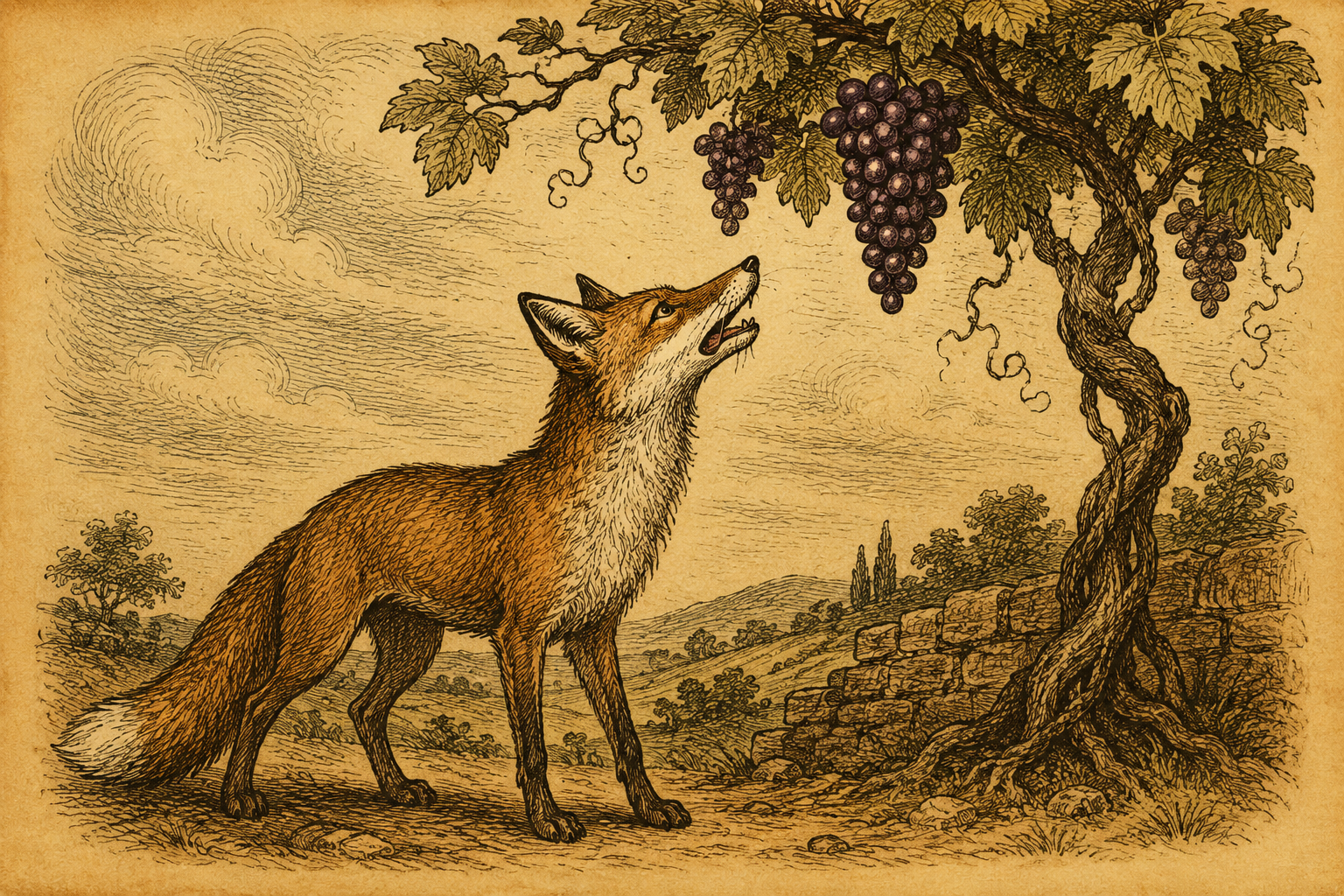
The Original Sour Grapes
The fox, tantalized by grapes just out of reach, uttered 'They're probably sour anyway.' With these words, an ancient parable reshaped how we understand disappointment.
Continue the Rabbit Hole
Each story explores the same idea from a different angle. Follow the connections and discover where the thread leads.



Fictional placeholder content