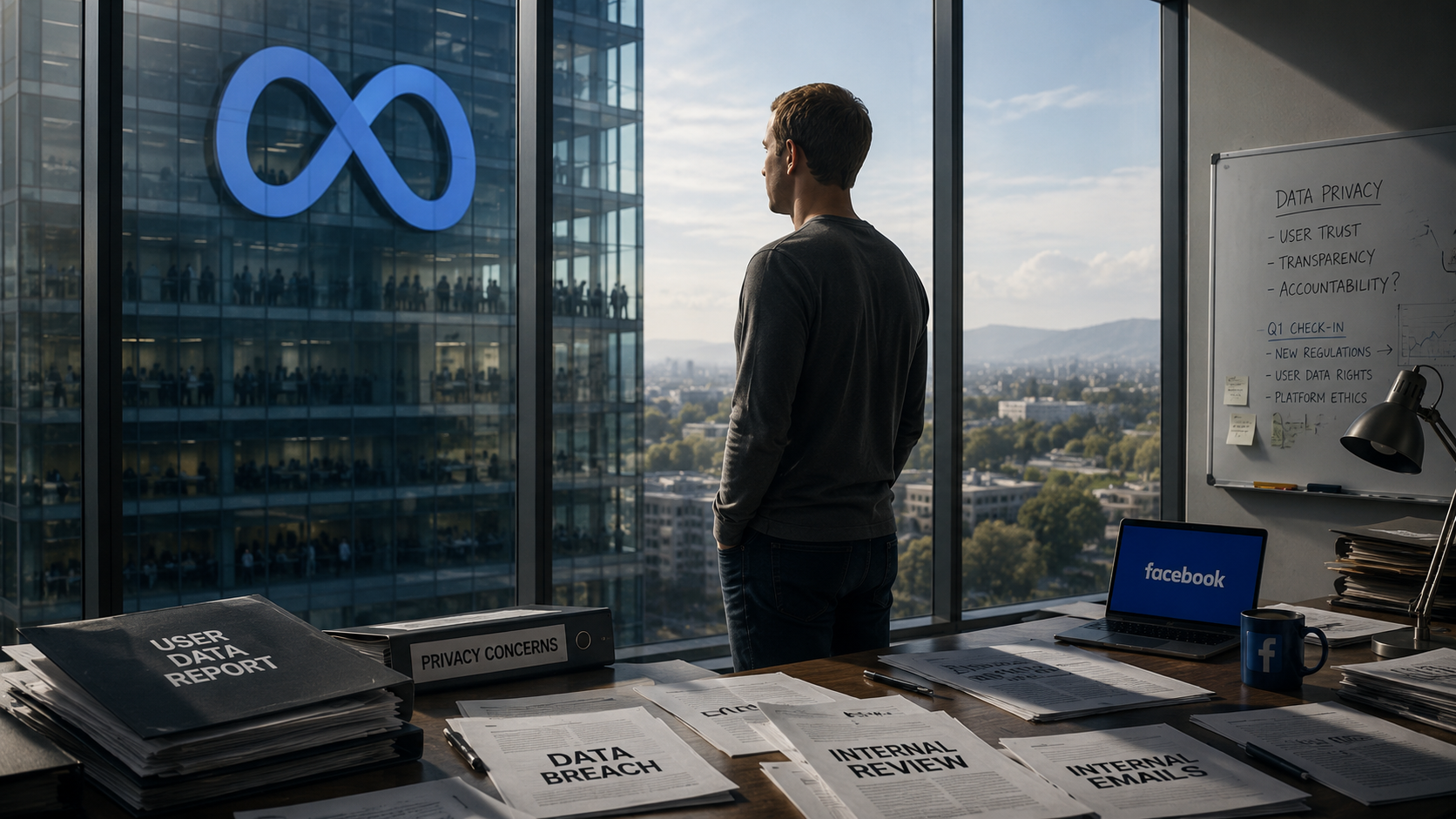
Zuckerberg's Empire: From Dorm Room to Data Nightmare
"In an unexpected twist, Mark Zuckerberg admitted his own data was harvested. The CEO found himself in the same position as millions of betrayed Facebook users."
What Happened?
In April 2018, Mark Zuckerberg, CEO of Facebook, faced Congress as revelations about the improper use of user data by Cambridge Analytica shook the tech world. Over 50 million Facebook users had their data harvested without explicit consent, unveiling a breach in user privacy and trust. This scandal didn't just challenge Zuckerberg's leadership but also forced a global introspection about data ethics and the responsibility tech giants hold in safeguarding personal information. As Facebook grappled with reputational damage, questions arose about the balance between innovation and user protection.
Takeaway
The lesson this story keeps teaching
“Unchecked innovation can transform from a tool of success into an unforeseen liability with the power to reshape entire societal norms.”
Why People Are Talking About This
The Cambridge Analytica scandal wasn't just a watershed for Facebook — it marked a tipping point in the digital age, forcing the world to confront the darker implications of unchecked technological innovation. It prompted urgent global conversations about data privacy and the obligation of tech companies to protect user information. This moment also served as a crucial examination of leadership accountability in the digital realm, challenging industry norms and pushing for systemic changes in data regulations worldwide. In doing so, it reshaped the balance of power between users, companies, and regulators, setting precedents that continue to influence technology's evolving landscape today.
Thread Map
9 entities · 8 connections · Hover to explore, click to inspect
This is the connection map for this thread. Every node is a person, company, event, or idea. The red lines show how they connect. Hover a node to highlight its connections. Click a node to see why it matters to this story.
How We Got Here
Facebook Launches 'Like' For Comments
Facebook introduced a new feature allowing users to 'Like' individual comments, enhancing user interactions and engagement on the platform. This move set the stage for increased user activity and more intricate data collection strategies as Facebook's user base continued to grow.
Release of 'The Social Network'
The film 'The Social Network,' depicting Facebook’s tumultuous rise, was released, inviting both criticism and intrigue towards Mark Zuckerberg’s personal story and the company’s controversial beginnings.
Facebook Reduces Data Access
Facebook initiated restrictions on the data accessible to third-party developers, a proactive measure taken before the extent of unauthorized data handling with Cambridge Analytica was unveiled.
Zuckerberg Apologizes on CNN
Mark Zuckerberg issued a public apology acknowledging Facebook’s failure in protecting user data and announced plans to rectify these issues, following the massive Cambridge Analytica data scandal.
Zuckerberg Faces Congressional Grilling
In a highly publicized meeting, Zuckerberg testified before Congress, facing tough questions about Facebook’s role in the misuse of user data by Cambridge Analytica. The testimony was watched globally, casting a critical lens on the platform’s data practices.
Meta Relaxes Hate Speech Guidelines
Meta shocked its oversight board by easing restrictions on hate speech, particularly concerning former President Trump, highlighting ongoing tensions in managing content regulation.
Zuckerberg Critiqued by Tech Oversight
The Tech Oversight Project criticized Zuckerberg’s leadership decisions, impacting Meta's growth and business strategies, underscoring continued organizational challenges.
Zuckerberg's Strained Leadership Examined
As Facebook marked its 20th anniversary, critiques of Zuckerberg’s evolving role and management witnessed renewed focus, reflecting the complex legacy of both his career and the company.
Wait... Who Is This?
In 2003, Mark Zuckerberg was one of many ambitious young Harvard students working to make his mark on the world. A native of Dobbs Ferry, New York, Zuckerberg came from a family that valued education, creativity, and technology. Fascinated by computers from an early age, he entered the Ivy League school with an edge in programming and a daring in vision. It was during his sophomore year that the idea of connecting students through a web platform — originally called 'TheFacebook' — began to take form. By the time Facebook opened to the public in 2006, it was more than just a social platform; it was a new way to communicate, changing personal and business interactions alike. The platform's reach allowed businesses and individuals to network without geographic boundaries, propelling Zuckerberg to a new status: a tech mogul, whose influence expanded as rapidly as Facebook's reach. Yet, what many did not foresee in those early days was the emerging responsibility of safeguarding billions of personal narratives fused within the tech behemoth he created.
Fast forward to the late 2010s, Facebook was constantly in the crosshairs for privacy concerns, criticism, and regulatory scrutiny. But it was the Cambridge Analytica scandal in 2018 that amplified those whispers into an uproar, exposing gaps in Facebook's privacy ethics and catalyzing global discourse on user data protection. Zuckerberg’s journey from a Harvard dormitory to the halls of Congressional hearing was emblematic of a broader technological reckoning, testing the limits of innovation and the ethics of leadership in a rapidly digitizing world.
Receipts
Cambridge Analytica Five Years Later
WHOOPSIE: Mark Zuckerberg’s Bad Decisions Endanger Meta’s Business - Tech Oversight Project
Facebook’s data scandal: Key names to know | CNN Politics
Meta’s oversight board blindsided by Mark Zuckerberg's decision to relax hate speech restrictions | Fortune
Mark Zuckerberg apologises for Facebook's 'mistakes' over Cambridge Analytica | Facebook | The Guardian
AG Racine Sues Mark Zuckerberg for Failing to Protect Millions of Users' Data, Misleading Privacy Practices
Continue the Rabbit Hole
Each story explores the same idea from a different angle. Follow the connections and discover where the thread leads.


Fictional placeholder content