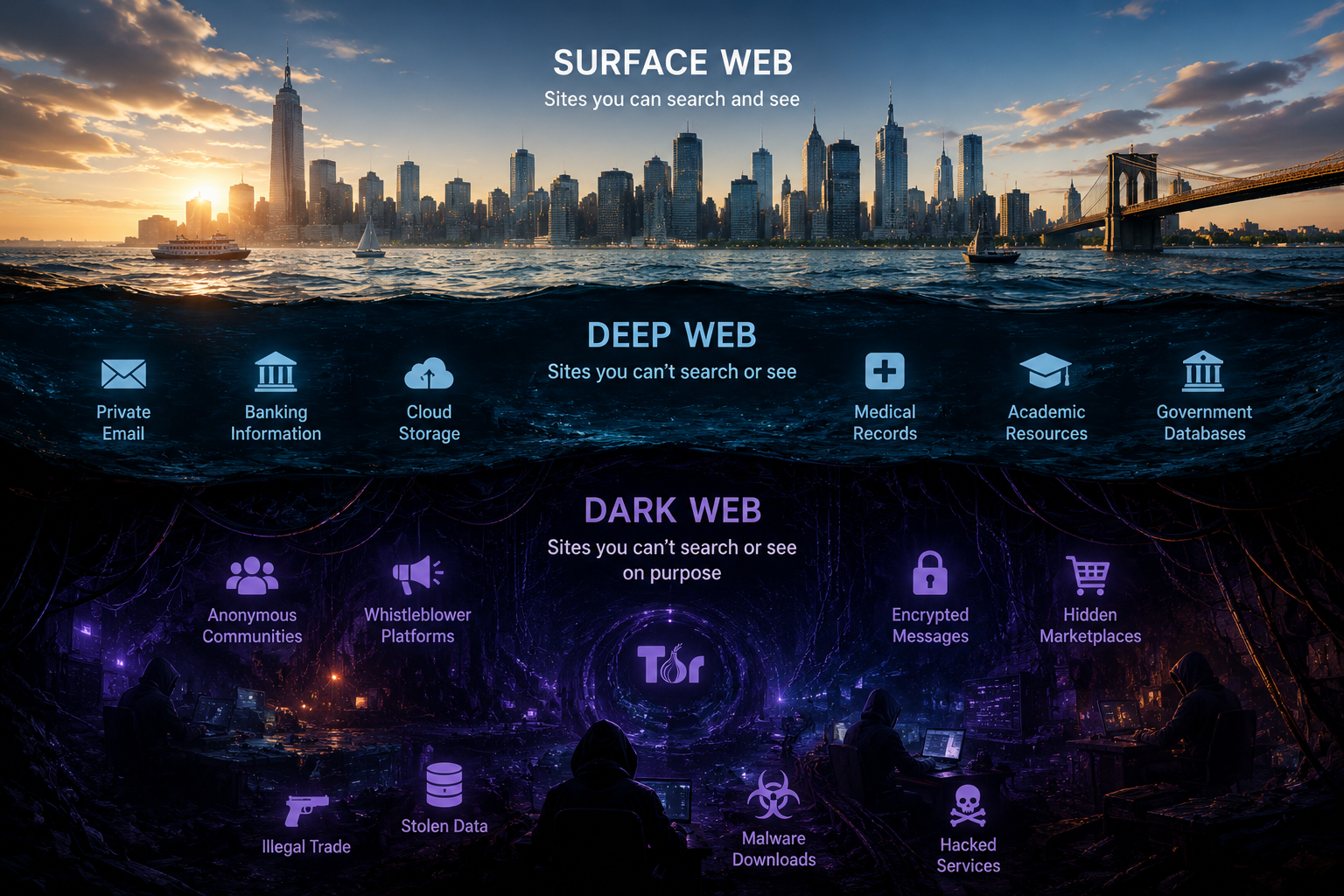
Unmasking the Dark Web: Lurking in Shadows
"In an encrypted corner of the internet lies a marketplace where identities are masked, and deals are secretive. Unknown to most, this realm affects global security and privacy like no other."
What Happened?
Shadowed by its reputation and mystique, the dark web embodies a paradox: it shelters those fighting oppression while simultaneously abetting crime. Conceived with ideals of privacy and free communication, it serves as a reminder of technology's duality. In the dim corners of the internet where browsing with anonymity is the currency, the line between protecting freedoms and enabling illicit activities blurs. As law enforcement struggles to catch up and society grapples with its implications, the broader question remains: can absolute privacy and security coexist in the digital age?
Takeaway
The lesson this story keeps teaching
“Anonymity on the internet is a double-edged sword: a refuge for the pursued and a haven for the pursuer.”
Why People Are Talking About This
The dark web is a linchpin upon which our grapple toward balancing technology's dual promise pivots. Rapid advancements masked within anonymity redefine, force challenges onto, and invigorate conversation surrounding its mere existence. Thus, it reveals vulnerabilities inherent within institutional mechanical orchestration—destabilizing democracy when unchecked.
Governments and individuals standing at crossroads cannot afford dismissal of the considerations thereof; technology evolves without permission but moors consequences deeply rooted in long-lived myths aligning truth, protecting virtue against ventures veiled with clandestineness harnessed through silence.
Thread Map
9 entities · 8 connections · Hover to explore, click to inspect
This is the connection map for this thread. Every node is a person, company, event, or idea. The red lines show how they connect. Hover a node to highlight its connections. Click a node to see why it matters to this story.
How We Got Here
The United States DOD Pioneers ARPANET
In the throes of the Cold War, the United States Department of Defense initiated the creation of ARPANET, a network designed to withstand nuclear attacks. It laid the groundwork for today's internet, inspiring concepts that would evolve into the dark web.
Tor Introduces New Anonymity Protocols
Tor was released, offering internet users a way to browse anonymously. Its encryption practices were instrumental in accessing the darker corners of the web, enabling new avenues for both privacy and illegal activities.
Silk Road Market Brought Down
Silk Road, the infamous online black market, was shut down by the FBI. The site was notable for its illicit trading and became a symbol of the dark web’s darker side.
Law Enforcement Intensifies Crackdown
Authorities worldwide intensified efforts to monitor and dismantle illegal operations on the dark web. Despite their successes, the decentralized nature of the dark web allowed for continued unlawful activities.
CrowdStrike Details Dark Web Uses
Kurt Baker contributed a detailed explanation on the multifaceted uses and implications of the dark web, spotlighting its polarization as both innovative and subversive.
SWK Technologies Releases Dark Web Report
A comprehensive report was published by SWK Technologies, breaking down the historical context and evolving uses of the dark web, highlighting its impact on cybersecurity.
Cybersecurity Concerns Escalate with Dark Web Advances
The cybersecurity landscape advances to counter the threats posed by dark web activities, illuminating ongoing tensions between technological innovation and regulatory frameworks.
Dark Web Impact Projected to Continue Growing
Forecasts suggest a continued increase in the dark web's impact on global cybersecurity, pointing towards potential new challenges and technological arms races on the horizon.
Wait... Who Is This?
During the cold grip of the nuclear era, the United States pursued a fail-proof means of communications that no terrestrial disaster could disrupt—an initiative culminating in the inception of ARPANET. Established in the 1960s, this civilian and military hybrid strategy set a precedent for a pioneering societal edifice. Its legacy of enduring anonymity bore fruit decades later as collective consciousness and necessity interwove privacy and freedom in one strand, facilitating creations such as Tor.
The 1990s ushered in the ideological armament of such information dissemination technology as anonymity routed degrees closer toward safeguarding those who sought sanctuary. Tor's emergence placed identity in safekeeping, minimizing the visibility risk against totalitarian regimes eager to silence opposition. Thus was sown the seeds of an enormous world: ubiquitously associated underground spheres where intentions became reshaped by isolationist natures.
A paradox seeped deeper as veracity diverged from its origin, coiling predatory behavior with lifesaving choices. From Porcine eternal allegations emerged the Silk Road—a root of fascination—emphasized collectively hosting this antagonistic relationship between crime shelters and virtues.
In the 2010s, digital frontend dominated conversations. Secrecy came to denote not just informational gatherers but digital proliferators acting with sinister glee.
Receipts
Dark web - Wikipedia
What is the Dark Web? | Trend Micro (US)
What is the Dark Web? | Guide to Darknet Access & Risks – Rapid7
Everything You Should Know About the Dark Web | New Orleans, LA | Tulane School of Professional Advancement
A Brief History of the Dark Web | SWK Technologies
Exploring the Dark Web
Same Pattern
Different story. Same lesson.
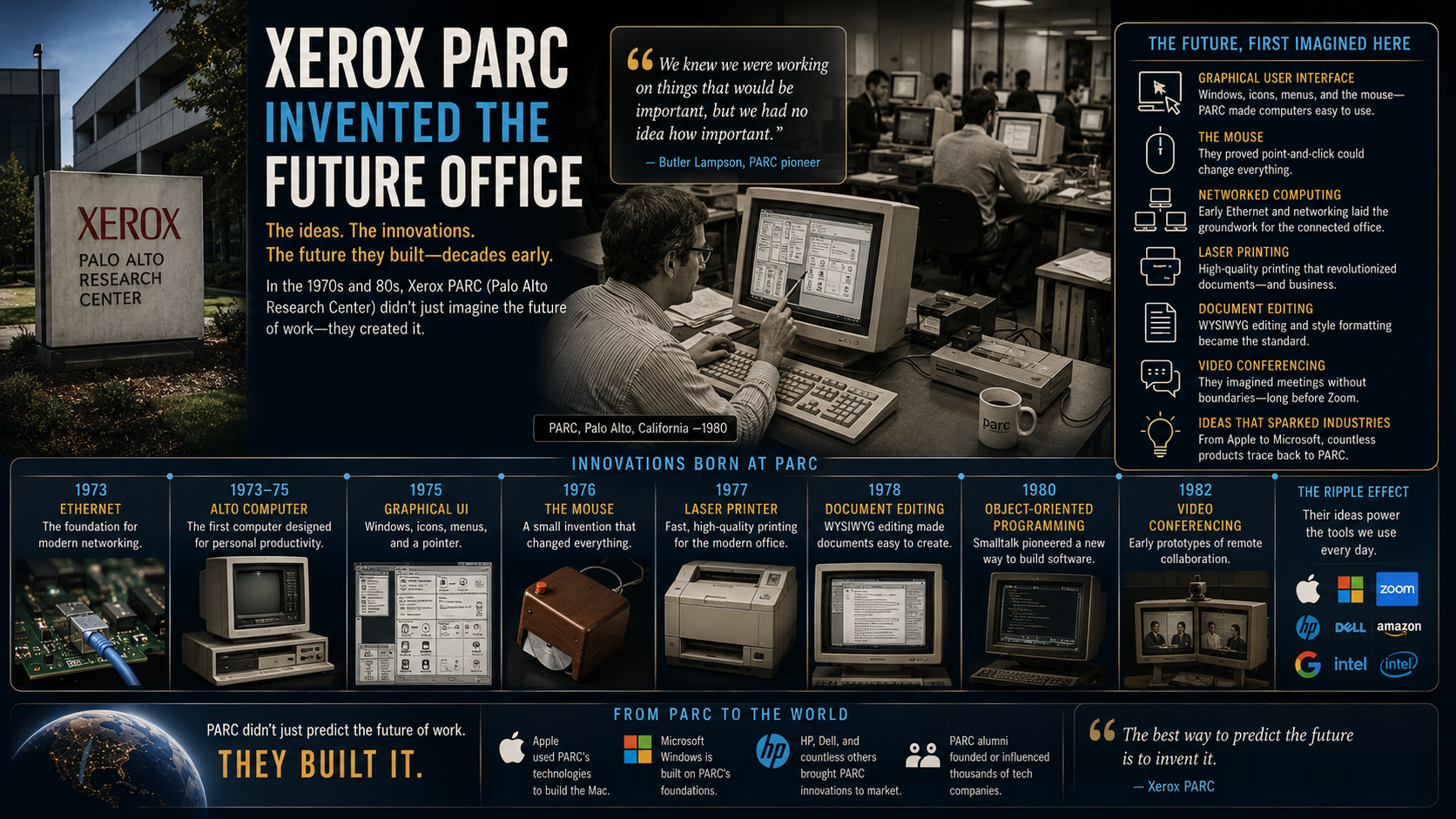
The Lab That Invented Tomorrow
In December 1979, Steve Jobs saw echoes of the future inside Xerox PARC's halls. There, in a secluded lab, lay the blueprint for the modern tech landscape.
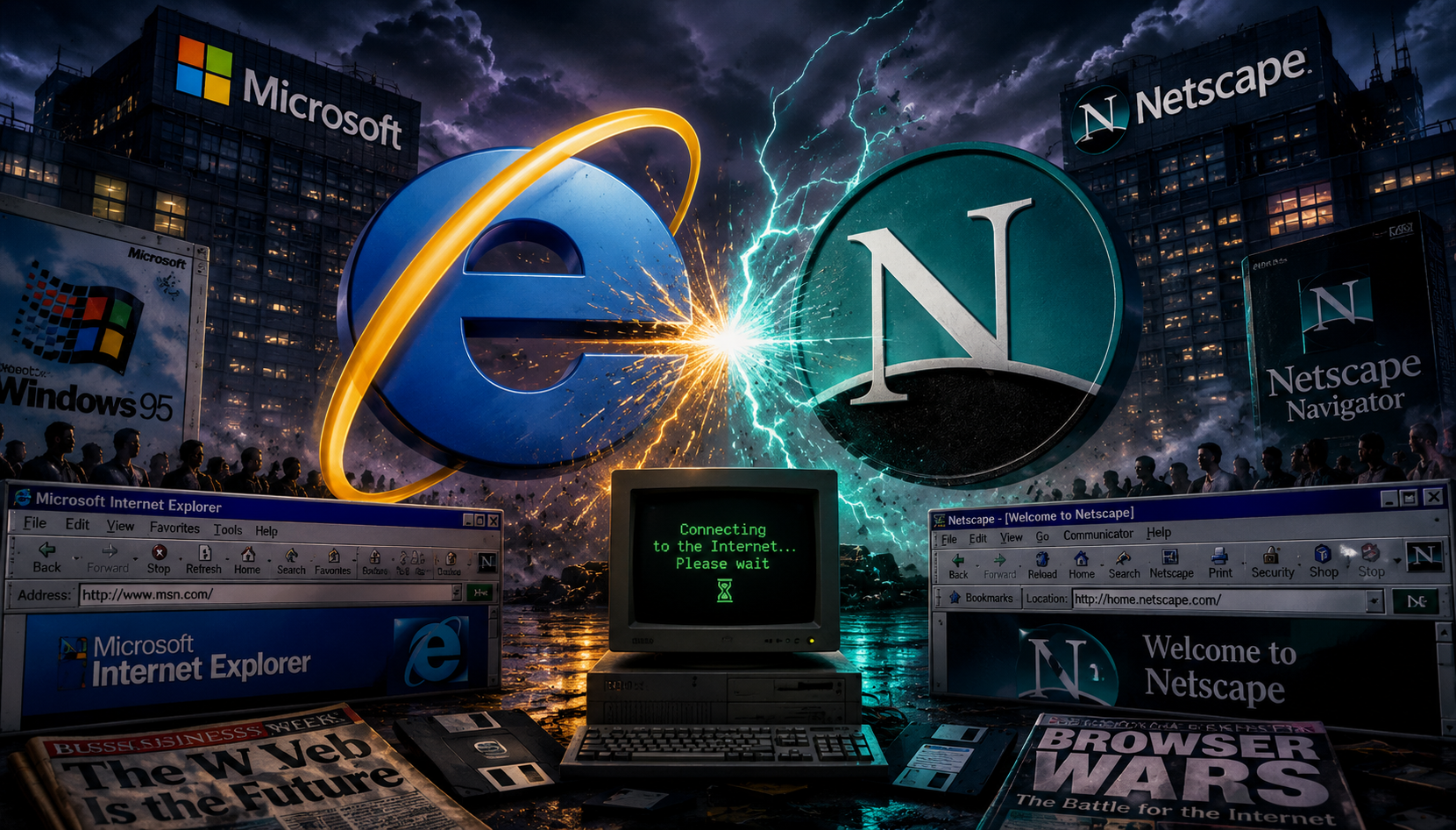
The Browser War That Built the Internet
In the mid-1990s, a software battle erupted that would shape how billions accessed information. Few could predict that the victor would soon face its own downfall.

The Wii Gamble That Saved Nintendo
In a world obsessed with graphics and power, Nintendo bet on simplicity. The Wii was laughed at — until it wasn't.

Pixar's Radical Feedback Loop
In a stark, unadorned room, some of the most powerful voices in animation face off with ruthless honesty. Their weapons? Brutal feedback that molds raw ideas into cinematic gold.

The Chicken That Changed Retail
Costco's $4.99 rotisserie chicken isn't just a meal — it's a strategic masterpiece. The unexpected ripple effects changed retail forever.
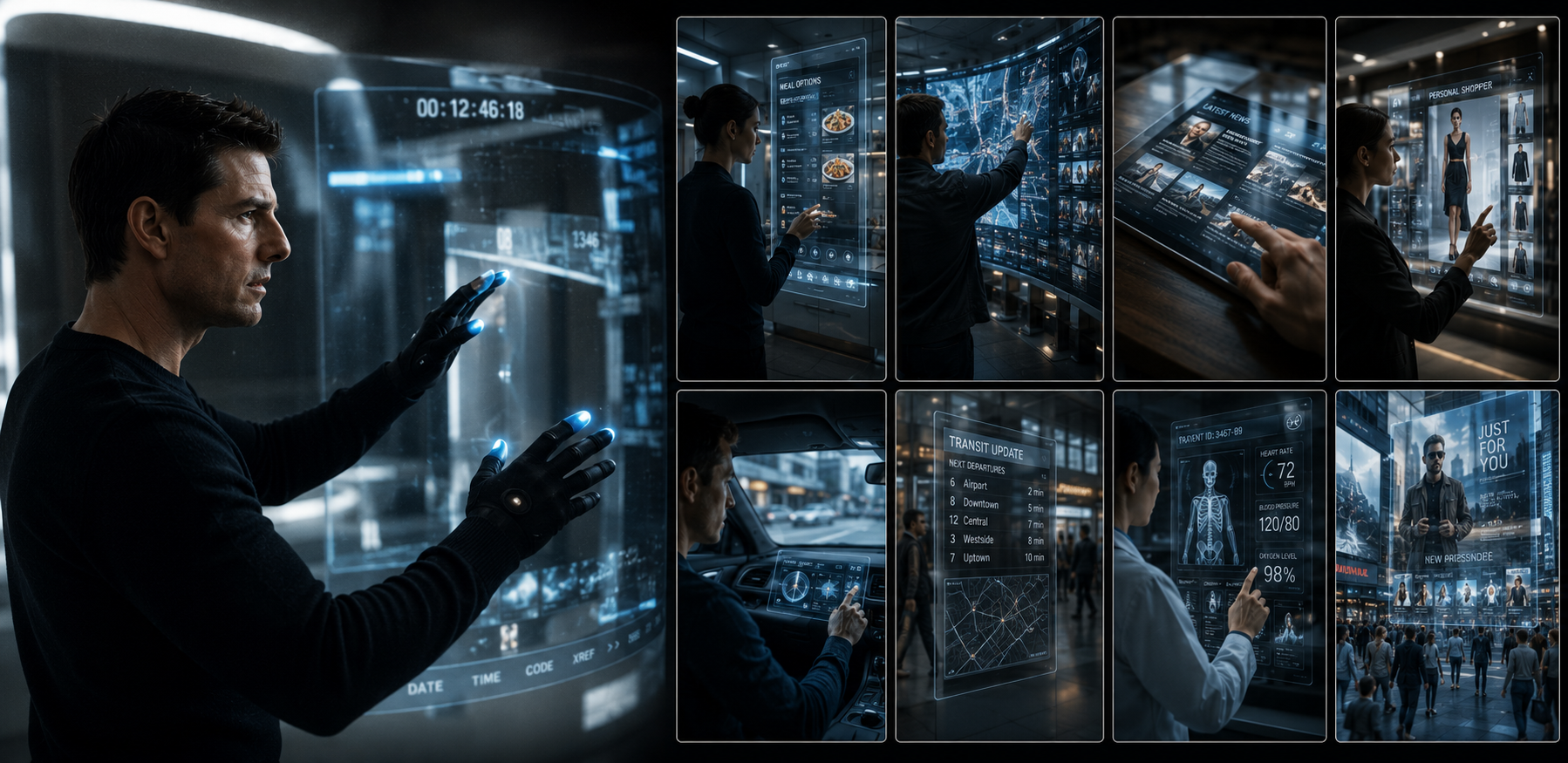
Minority Report's Prescient Touchscreen Reality
In 2002, Hollywood imagined a future of seamless touchscreen interfaces. Today, Steven Spielberg's vision feels eerily prescient as technology catches up.
Continue the Rabbit Hole
Each story explores the same idea from a different angle. Follow the connections and discover where the thread leads.

Fictional placeholder content