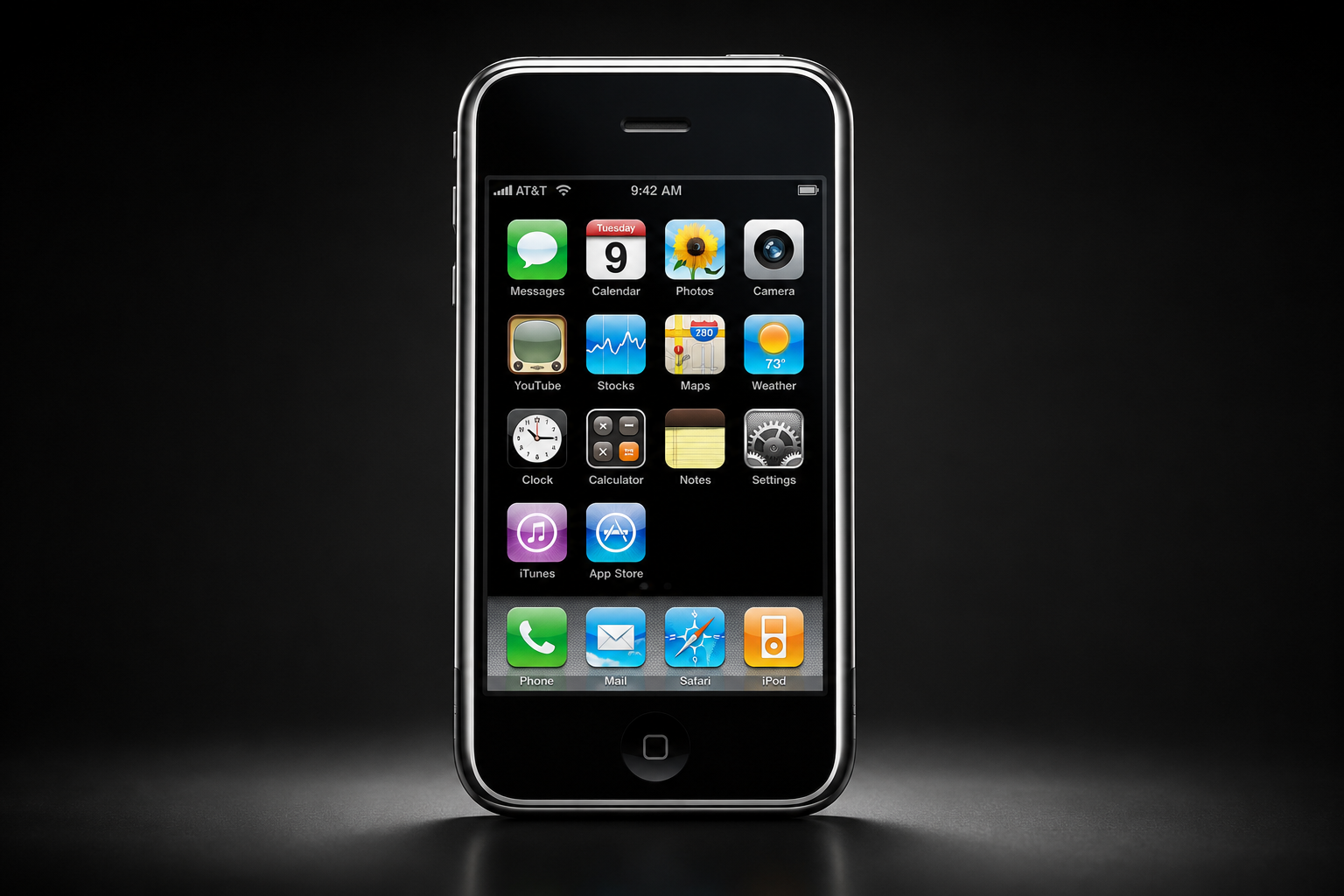
The iPhone That Disrupted the World
"In January 2007, Steve Jobs stepped onto the stage and introduced a device that would redefine the entire world: the iPhone. What seemed like just another gadget launch was, in fact, the dawn of a new era."
What Happened?
The room was silent as Steve Jobs held up a small device and with a simple "This is an iPhone," shifted the tectonic plates of technology. No one in that room at Macworld on January 9, 2007, could have predicted the avalanche of change that simple announcement would unleash. In a single gesture, Jobs unveiled a product that would sell over 1.2 billion units by 2020, fundamentally reshaping society’s relationship with technology. But how did a device no larger than a deck of cards become so pivotal?
Before the iPhone, mobile phones had grown stale and predictable—functional, but uninspired. They clung to physical keyboards and static designs, trapped in an era of incremental upgrades. Then came Apple's departure from convention: a phone without buttons, a sleek slab dominated by a multi-touch display that pulled the future directly out from under the shadow of the past. On June 29, 2007, when the first iPhones hit the stores, queues snaked around corners, as if people sensed something monumental coming their way.
The iPhone wasn't just another gadget; it was the key to a new ecosystem. When the App Store launched in 2008, it cracked the universe of possibilities wide open—downloadable software that turned phones into pocket-sized computers. Suddenly, your phone wasn't just a phone. It was your office, your camera, your map, and even your babysitter. Transactions became tabs on a screen with the introduction of Apple Pay in 2014, removing wallets from pockets and placing the economy a touch away.
Yet, Apple's gleaming vision wasn't without its shadows. "Antennagate" reminded users that magic, even as engaging as the iPhone, could stumble. Hold the iPhone 4 the wrong way, and suddenly reception disappeared, the first minor crisis in a future filled with product controversies like "Bendgate."
Nevertheless, the iPhone's influence stretched beyond gadgets to how industries operate. From banking to artificial intelligence, businesses reimagined their user experiences and models. Developers shifted focus to mobile-first strategies, while gaming giants like Niantic thrived on the device’s capabilities, seen vividly in the Pokémon Go phenomenon.
More than a phone, the iPhone was the future cradled in the palm of a hand.
Takeaway
The lesson this story keeps teaching
“Innovation isn't just about change—it's about redefining everything that once seemed essential, creating new norms.”
Why People Are Talking About This
The iPhone shifted the balance of technological power, uprooting established mobile phone giants and planting seeds for new tech giants of the future. Its multi-functionality expanded what a phone could do, launching the App Store, and in turn, burgeoning new digital economies.
Beyond its technical realms, the iPhone etched a cultural milestone, reconfiguring daily life through constant connectivity and seamless integration with the digital world. It instilled a new era of consumer expectations, forcing industries across the board to adapt or get left behind.
Thread Map
4 entities · 3 connections · Hover to explore, click to inspect
This is the connection map for this thread. Every node is a person, company, event, or idea. The red lines show how they connect. Hover a node to highlight its connections. Click a node to see why it matters to this story.
How We Got Here
Steve Jobs Unveils the iPhone
Steve Jobs introduced the world to the iPhone, a device that would revolutionize mobile phones by combining a phone, an iPod, and an internet communicator. The announcement marked a pivotal shift in technology and consumer expectations.
iPhone Officially Launches
The first iPhone went on sale, quickly selling out and exceeding sales expectations. Its intuitive design and touchscreen interface captivated both critics and consumers, ushering in a new era.
Inauguration of the App Store
Apple launched the App Store, allowing third-party developers to create applications for the iPhone, leading to a rapidly growing ecosystem of apps and further solidifying the device's dominance.
iPhone 4 Enters the Market
The iPhone 4 debuted with a Retina Display and FaceTime, marking advancements in display technology and video communications. However, the release was marred by the 'Antennagate' controversy.
iPhone 4S and Siri's Debut
Apple introduced the iPhone 4S, featuring the newly launched Siri, a virtual assistant, greatly enhancing user interaction and functionality.
Launch of iPhone 5S and 5C
Apple unveiled the iPhone 5S with Touch ID fingerprint technology and the iPhone 5C with vibrant designs, aiming to reach different market segments.
iPhone 6 and 6 Plus Announced
Apple announced the iPhone 6 and 6 Plus, incorporating larger screens and the mobile payment system Apple Pay, marking a major leap in size and functionality.
iPhone's Enduring Impact
By 2020, the iPhone had sold over a billion units worldwide, fundamentally altering global consumer behaviors and reshaping numerous industries.
Wait... Who Is This?
Before the iPhone, the mobile phone market seemed resistant to significant transformation. Dominated by brands like Nokia and Motorola, mobile phones were primarily utilitarian, with features focused on telecommunications rather than user experience. The notion of a device as a comprehensive hub for communication, entertainment, and productivity was not yet a reality.
Steve Jobs, leading Apple, envisioned something far more integrated. His ambition stemmed from creating products that combined art and technology seamlessly. Apple's prior successes, such as the iPod, set a precedent: users wanted more than function—they wanted artistry in every realm of usage. The transition into mobile technology was propelled by a desire to integrate these elements, reflecting a shift not only in how phones were used but in how they felt intuitive and personal.
When Jobs took to the stage in January 2007, he promised three things: a wide-screen iPod, a revolutionary phone, and a break-through internet communicator. What hit the audience was the realization that these weren't three separate devices—they were one. This singular vision would alter consumer expectations and dictate the future course of digital technology.
Receipts
Same Pattern
Different story. Same lesson.
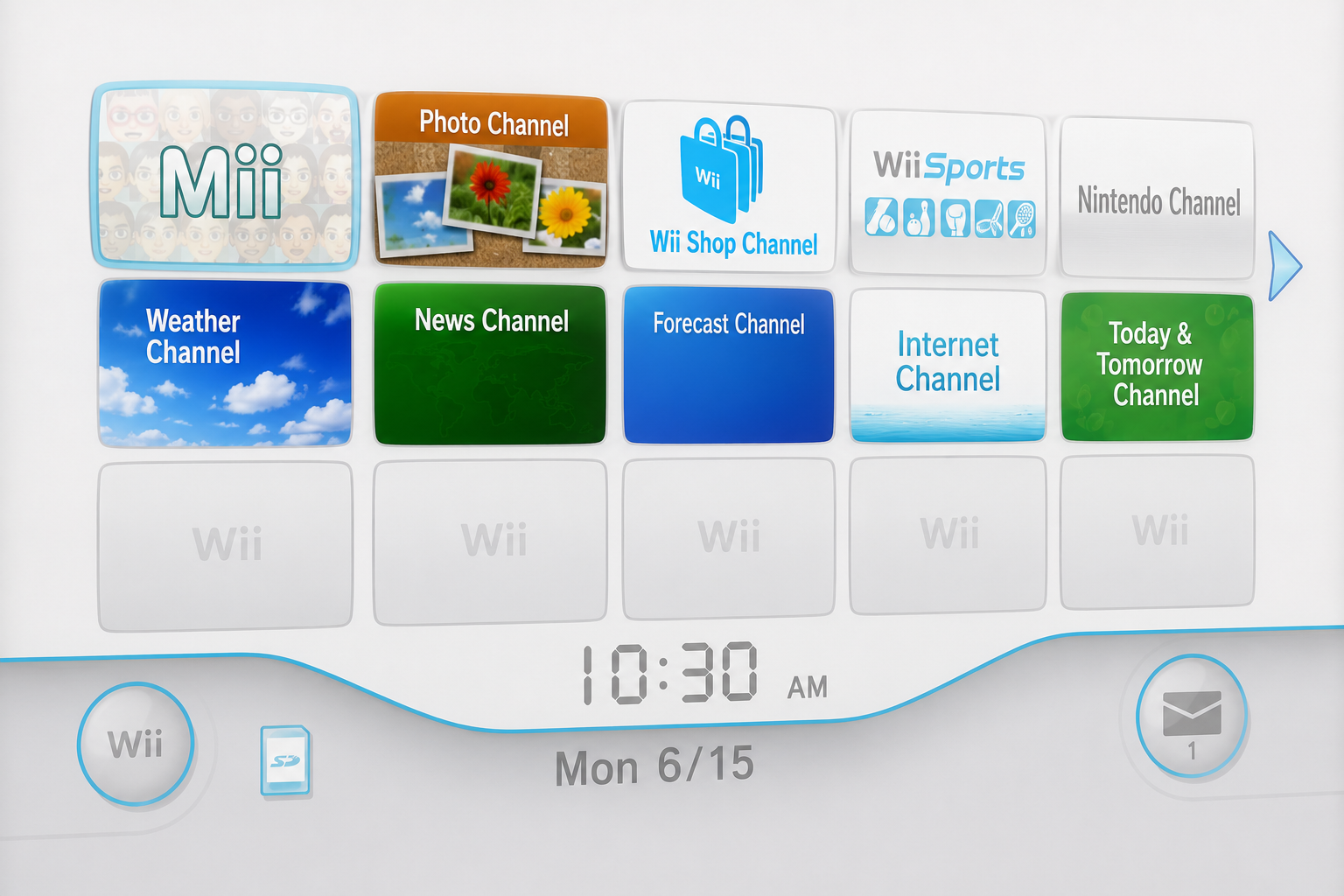
The Wii Gamble That Saved Nintendo
In a world obsessed with graphics and power, Nintendo bet on simplicity. The Wii was laughed at — until it wasn't.
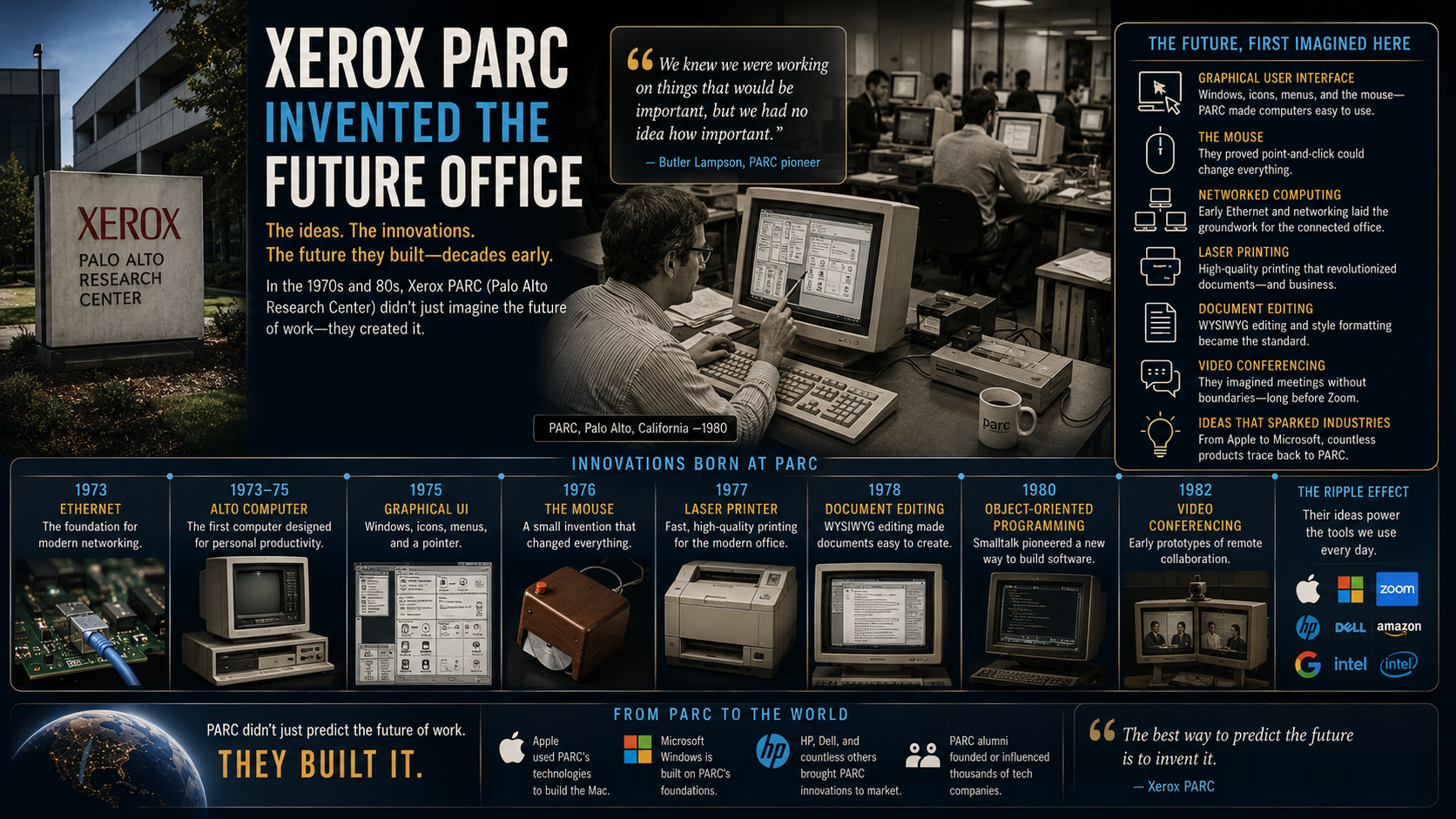
The Lab That Invented Tomorrow
In December 1979, Steve Jobs saw echoes of the future inside Xerox PARC's halls. There, in a secluded lab, lay the blueprint for the modern tech landscape.

The Chicken That Changed Retail
Costco's $4.99 rotisserie chicken isn't just a meal — it's a strategic masterpiece. The unexpected ripple effects changed retail forever.
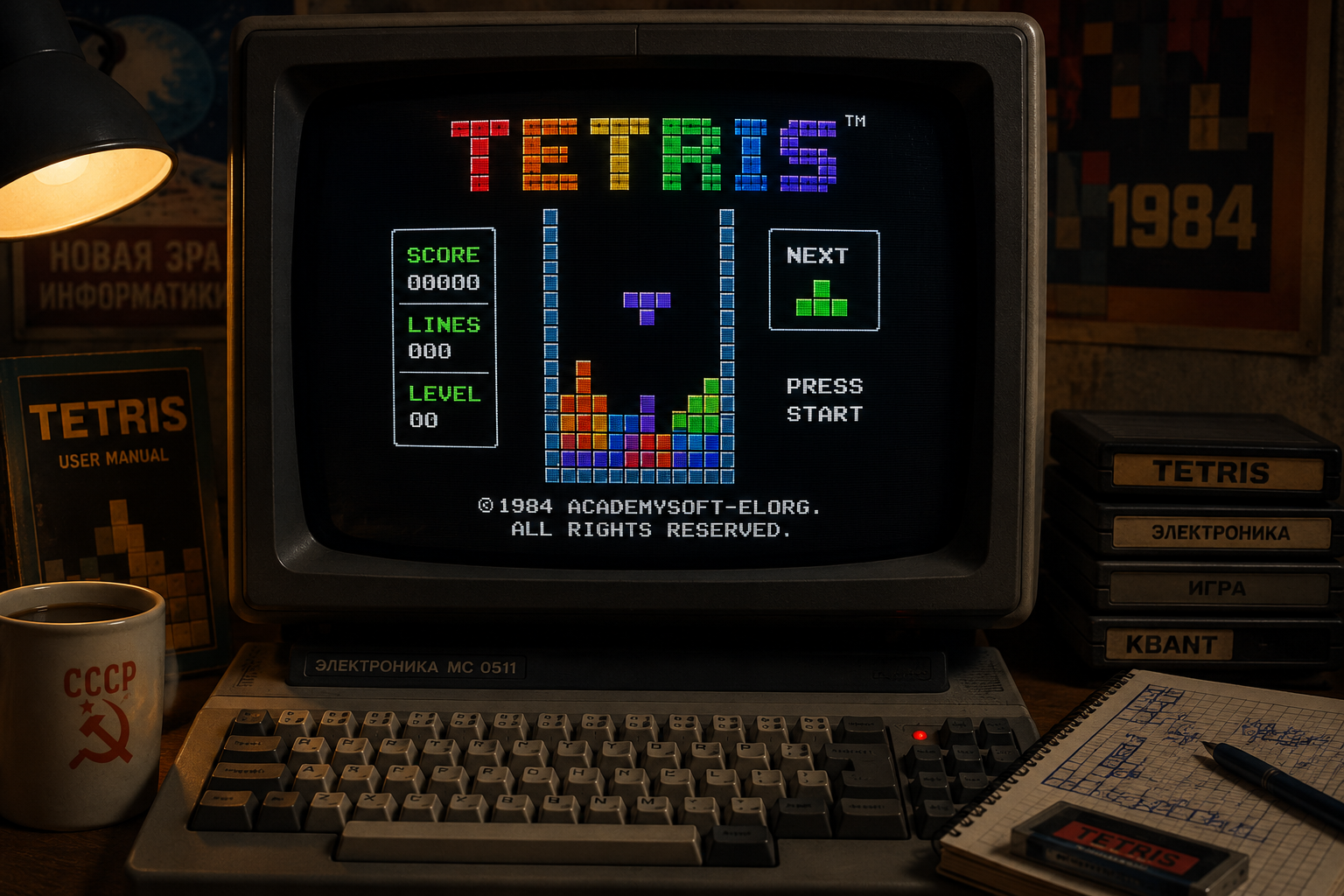
The Puzzle that Conquered the World
A Soviet engineer at his desk, unknowingly poised to create a legend. His creation? Tetris — a game that would break barriers and forever alter the gaming landscape.
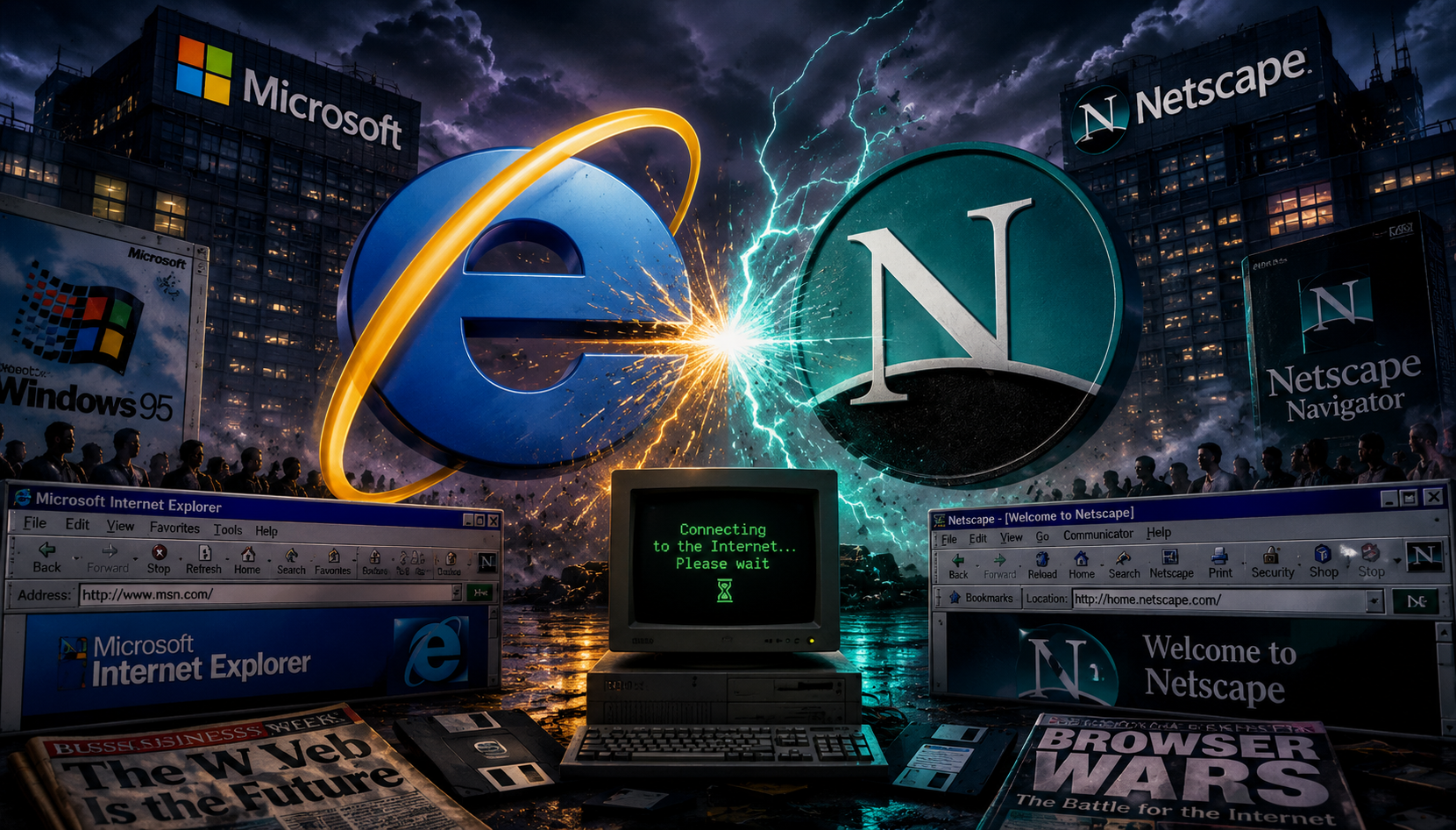
The Browser War That Built the Internet
In the mid-1990s, a software battle erupted that would shape how billions accessed information. Few could predict that the victor would soon face its own downfall.

Pixar's Radical Feedback Loop
In a stark, unadorned room, some of the most powerful voices in animation face off with ruthless honesty. Their weapons? Brutal feedback that molds raw ideas into cinematic gold.
Continue the Rabbit Hole
Each story explores the same idea from a different angle. Follow the connections and discover where the thread leads.


Fictional placeholder content