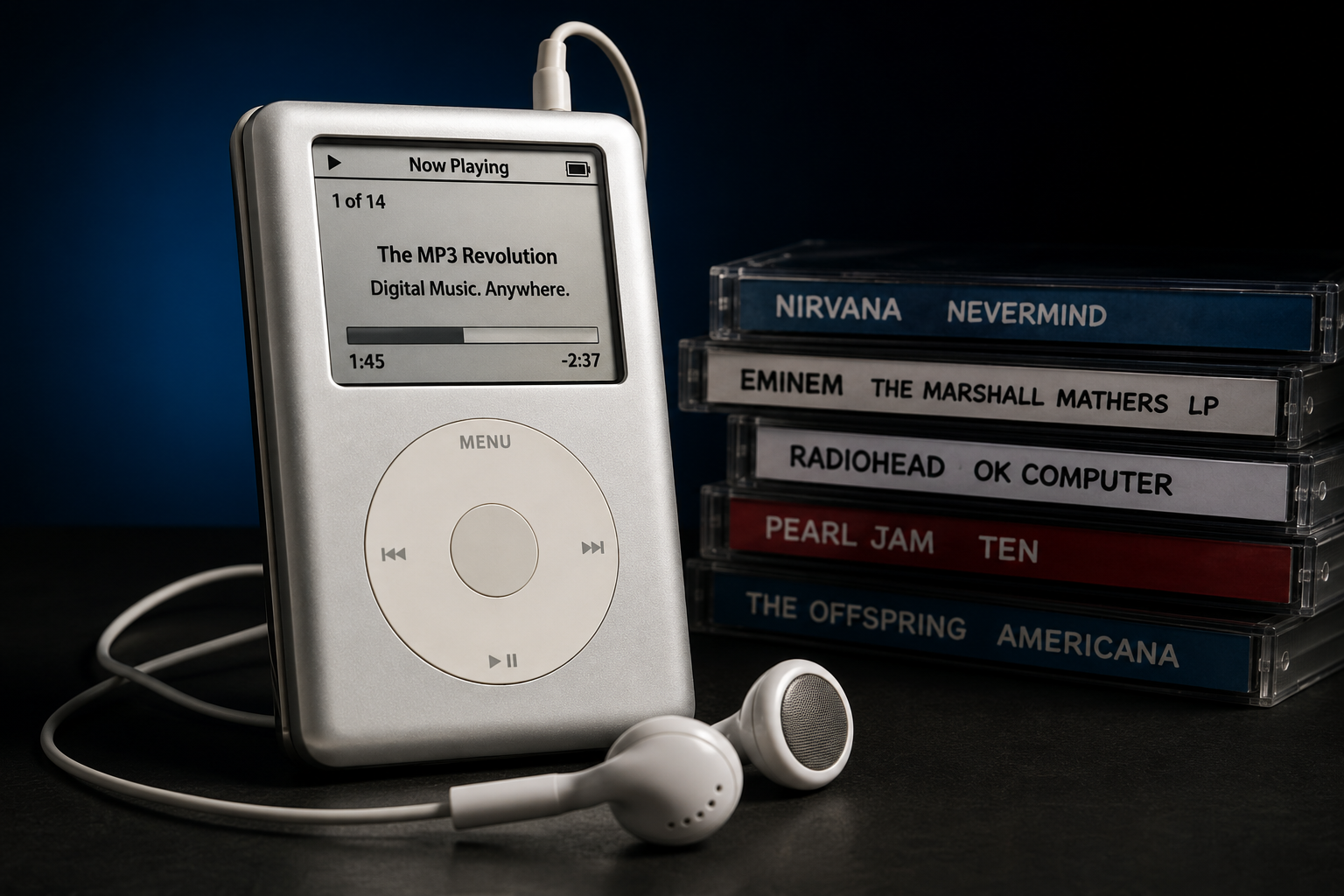
The MP3 Revolution: What Changed Everything
"In a matter of years, a compressed audio file reshaped the music industry and dismantled long-standing power structures. The invention of the MP3 was not just a technical achievement; it was a ticking time bomb."
What Happened?
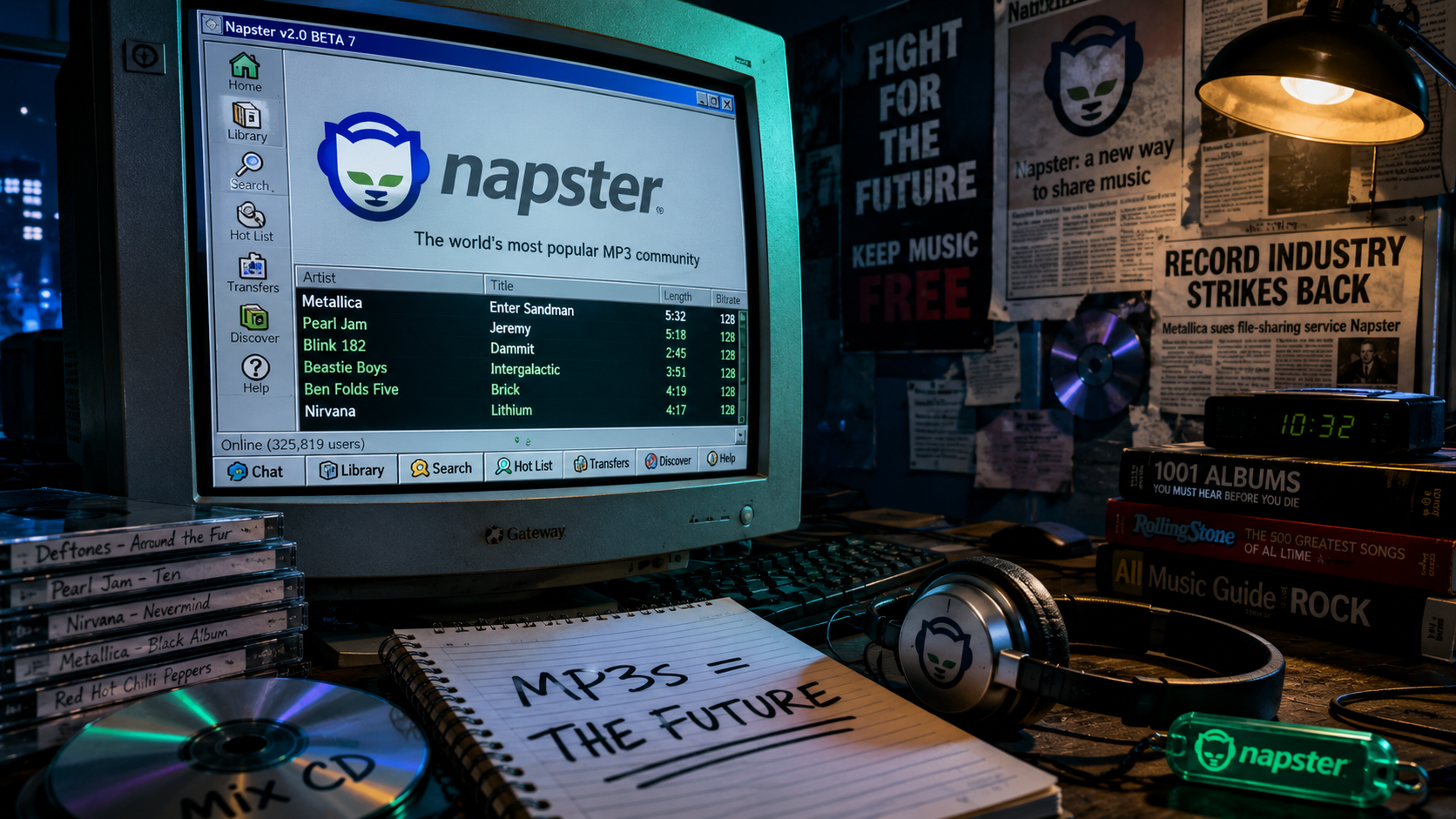
Imagine a quiet rebellion playing out not in the streets but across millions of computer screens. It began with a click. June 1999, Napster launched. Shawn Fanning and Sean Parker unveiled a world where music flowed freely between strangers, often without cost or permission. The file-sharing network Napster swiftly became a sensation on college campuses, drawing on the power of peer-to-peer networks. Within months, it had attracted tens of millions of users and revolutionized how people acquired music—shaking the foundations of the recording industry.
The MP3 format was the technological backbone of this revolution. Created by the Fraunhofer Institute, the MP3 took data compression to new heights, shrinking songs drastically without sacrificing quality. This compression allowed users to store vast libraries of music on their computers and share them with friends around the globe. It forever changed the economics of the music business: suddenly, music wasn't just bought and sold—it was traded like secrets.
The consequences were dizzying. Major labels watched as their control slipped away, swiftly initiating legal battles. Notably, Metallica's drummer, Lars Ulrich, and rapper Dr. Dre took Napster to court for copyright infringement, winding headlines and fueling public debate over the ethics of digital piracy. Meanwhile, artists like Radiohead flourished, using Napster as a channel to bypass traditional gatekeepers and reach new audiences.
The rise of the MP3 was not simply about technology. It marked the cusp of a new age for music consumption and distribution. The industry's structure was reshaped as artists found themselves needing to adapt, with many embracing live performances and merchandise as primary revenue streams. The ripple effects of this digital disruption set the stage for the arrival of streaming services, which continue to dominate the music landscape today.
In a world reshaped by bandwidth and code, the MP3 stands as both hero and villain, a symbol of liberation and loss. It's a poignant reminder of how a technological leap can dismantle old orders and create new avenues that were previously unimaginable. In the silence left where Napster once buzzed, one can still hear echoes of those first MP3s—tiny files that sparked a musical revolution.
Takeaway
The lesson this story keeps teaching
“The MP3 didn't just revolutionize music — it dismantled power structures that many thought were unassailable.”
Why People Are Talking About This
The MP3 era changed everything. It unraveled the music industry's tight-knit grip on distribution and forced giants into unfamiliar territory. This revolutionized how content could be consumed, setting a precedent for streaming services like Spotify and Apple Music. It revealed a critical truth about modern technology: adaptability reigns supreme, and those unable to pivot risk obsoletion.
Thread Map
9 entities · 8 connections · Hover to explore, click to inspect
This is the connection map for this thread. Every node is a person, company, event, or idea. The red lines show how they connect. Hover a node to highlight its connections. Click a node to see why it matters to this story.
How We Got Here
The Seeds of Innovation
In Germany, Prof. Dieter Seitzer at Erlangen-Nuremberg University researched audio compression, aiming to send high-quality speech over phone lines. This academic pursuit sowed the seeds for MP3.
Fraunhofer's Technical Mastery
The Fraunhofer Institute developed the MP3 format, perfecting data compression techniques that retained audio quality — a milestone with far-reaching implications.
Napster Unleashed
Shawn Fanning and Sean Parker released Napster, revolutionizing music sharing by making it possible to swap MP3s freely over the internet. College students quickly latched onto this new, liberating technology.
Musicians Strike Back
Artists such as Metallica's Lars Ulrich and Dr. Dre joined forces with the Recording Industry Association of America to sue Napster, ushering in a battle against unauthorized digital music distribution.
Napster's Demise
Facing escalating legal pressure, Napster was forced to shut down its peer-to-peer service. This marked a pivotal moment in the music industry as digital music began evolving with and beyond Napster.
iPod Changes the Game
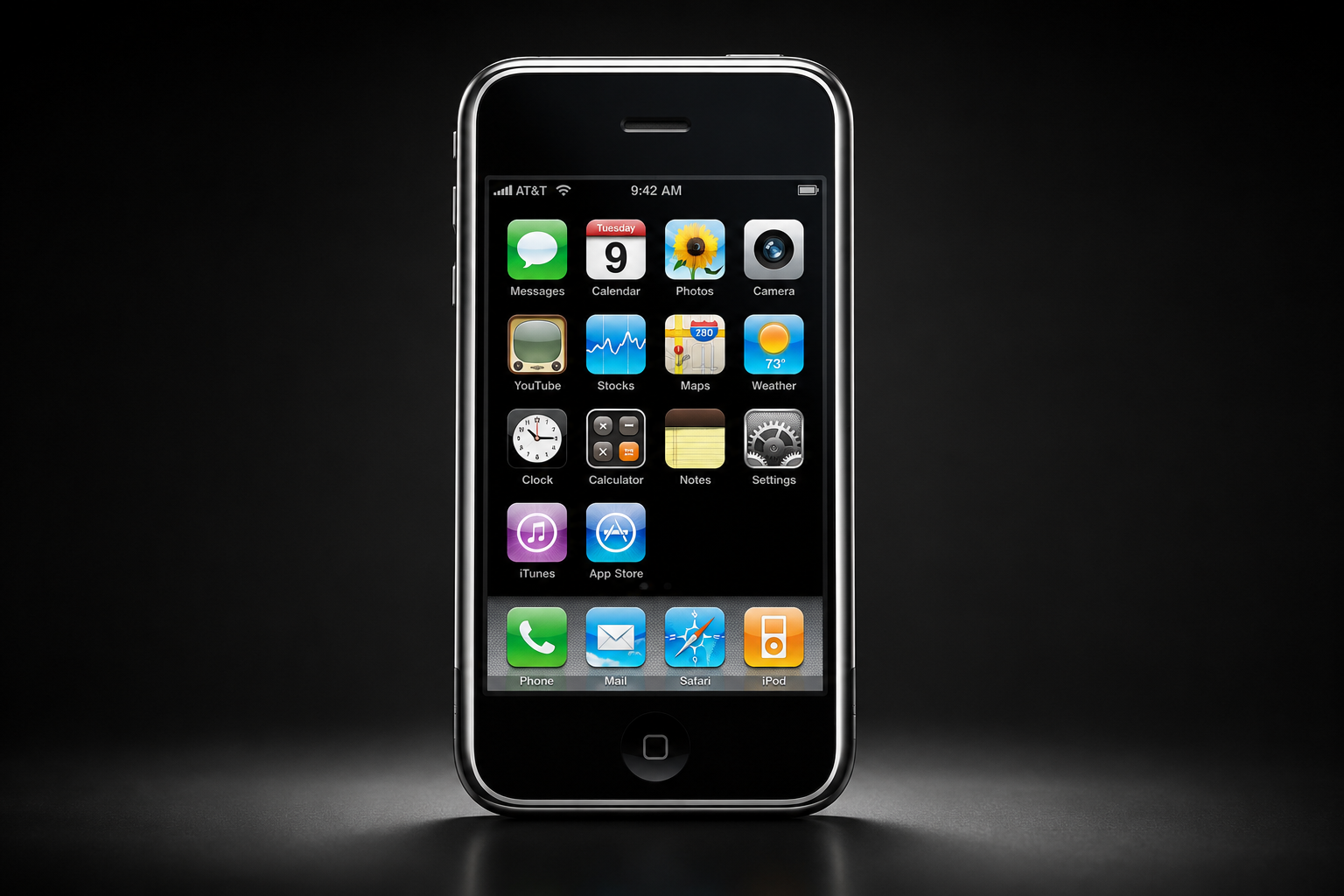
Apple introduced the iPod, capable of storing 1,000 songs in a portable device — catapulting the MP3 format into new heights and reshaping music consumption habits worldwide.
Streaming Services Emerge
Following the MP3 trend, music consumption transformed further as platforms like Spotify gave rise to streaming services, offering unprecedented access to music and sparking a new chapter in digital audio.
The MP3's Enduring Legacy
Despite new formats, the MP3 remains foundational in digital music's innovation story, setting the stage for an era where access trumps ownership, reshaping how we perceive music consumption.
Wait... Who Is This?
The MP3 was an answer to a question few were asking: how can data be condensed without losing its essence? In the spit-polished meeting rooms of the Fraunhofer Institute, engineers wrestled with the nuances of audio compression in the 1980s. Their innovation was gradual, marked by numerous tests and iterations, as they decoded the magical algorithm that would soon scatter the once-formidable walls of the music industry. Meanwhile, in dorm rooms across America, students were unknowingly preparing to become vanguards of a digital coup. They equipped their bulky PCs with the nascent technology — CD burners and dial-up internet — unwittingly setting the stage for seismic shifts. As the century turned, cultural tectonic plates began to shift under the weight of a deceptively simple file format: the MP3.
Receipts
MP3@25: 6 – MP3 Timeline – The Museum of Portable Sound
The Revolution Will Be Digitised: 25 Years Of The MP3 - Attack Magazine
The MP3: A History Of Innovation And Betrayal : The Record : NPR
MP3 | Make Software, Change the World! | Computer History Museum
The Digital Music Revolution: From The MP3 To Music-Is-Free
Continue the Rabbit Hole
Each story explores the same idea from a different angle. Follow the connections and discover where the thread leads.



Fictional placeholder content