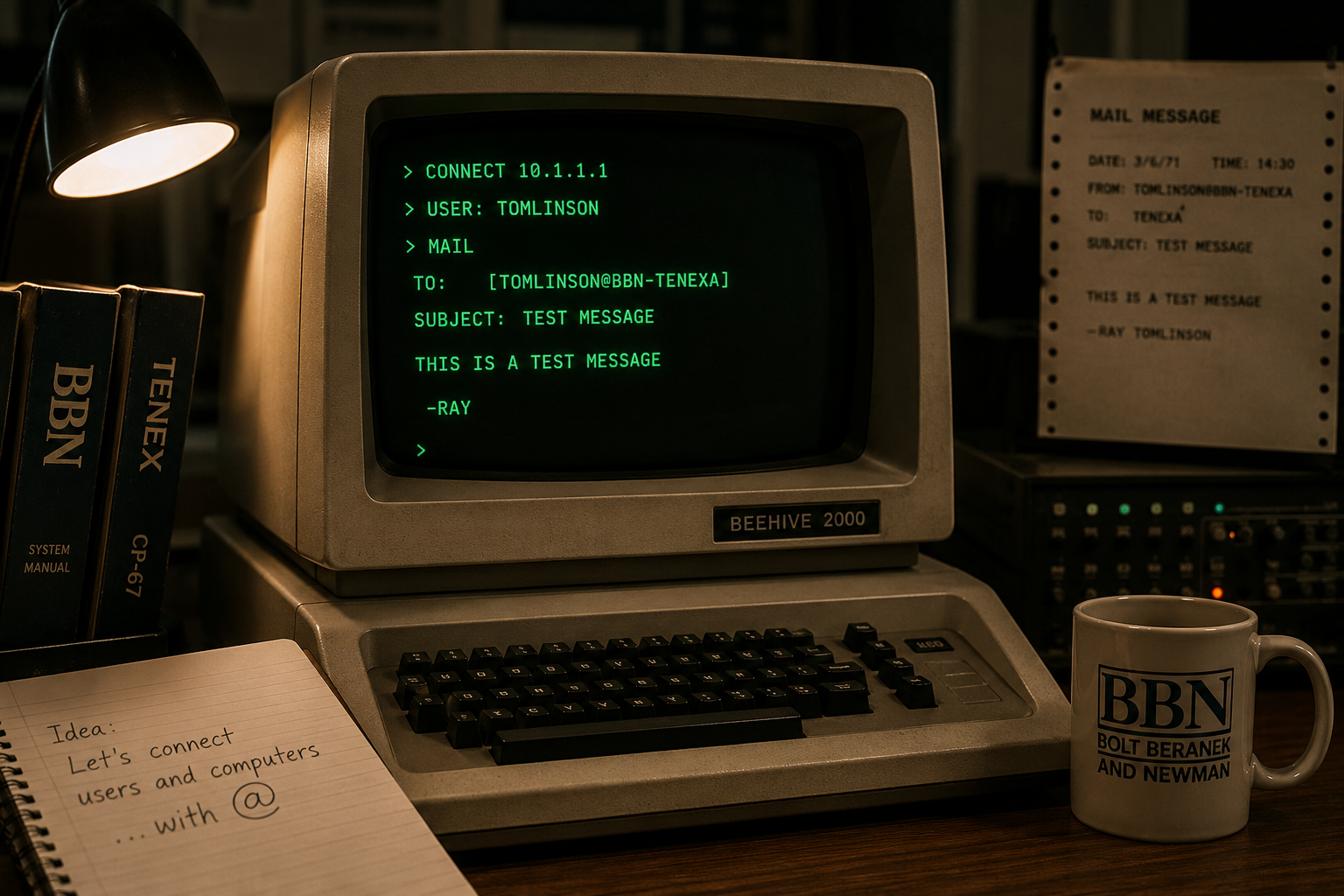
The Email That Changed Communication
"Ray Tomlinson tapped a few keys at a cluttered computer terminal in 1971. He had just sent the first email, unknowingly igniting a communication revolution."
What Happened?
No one in the quiet offices of Bolt, Beranek and Newman in Cambridge, Massachusetts, could have predicted that an engineer hunched over a DEC KA-10 computer would change the world. It was late one night in 1971 when Ray Tomlinson decided to test a new program he had been developing. With a few keystrokes, he sent a message from one computer to another, marking a seismic shift in communication. This seemingly simple act introduced the now-iconic '@' symbol that revolutionized message sending by linking users to specific systems.
Before Tomlinson's breakthrough, the idea of communicating electronically across distances seemed remote at best. ARPANET, the network that formed the basis for the Internet, had been primarily designed for data sharing among researchers. Tomlinson took a leap by modifying an existing program called SNDMSG, which allowed messages to be left on individual computers, to function across the network. The first message he sent might have been a string of letters — "QWERTYUIOP" — forgettable in content, but monumental in implication.
As the program gained traction among colleagues, Tomlinson's email system quickly spread through the ranks of ARPANET users, paving the way for digital mail as a standard practice by the mid-1970s. His invention transformed military communication routines first, then corporate practices, and ultimately reshaped global interaction. The protocol he developed laid the groundwork for modern email, which today binds people across the globe.
Ray Tomlinson, who passed away in 2016, rarely received the public recognition he deserved while alive. Yet, with every "send" button pressed, his legacy continues to resonate—one forgotten keystroke turned into billions of daily interactions, creating one of the most indispensable technological tools in human history. The world he helped build remains invisible, yet unforgettable, with every digital mailbox opened.
Takeaway
The lesson this story keeps teaching
“The tiny decision to use an '@' symbol in emails set the stage for modern digital communication.”
Why People Are Talking About This
Tomlinson's innovation with the '@' symbol and email eventually reshaped global communication practices. It offered a new pace and mode for interaction, transforming business, relationships, and connectivity.
The story of email unveils how small decisions can trigger monumental industry shifts, reminding us that innovation hides in the details. Who could have known such a simple innovation would redefine human communication forever?
Thread Map
9 entities · 8 connections · Hover to explore, click to inspect
This is the connection map for this thread. Every node is a person, company, event, or idea. The red lines show how they connect. Hover a node to highlight its connections. Click a node to see why it matters to this story.
How We Got Here
Ray Tomlinson Sends the First Email
Ray Tomlinson, at his computer in Bolt, Beranek, and Newman's lab, sends the first email using the '@' symbol to denote addresses, laying the foundation for all future digital communication.
Email Management Software is Created
Larry Roberts developed the first program to manage emails, introducing functionalities like list and select. This software expanded email's capability within ARPANET.
Military Adoption of Email Technology
The military begins to widely adopt email as ARPANET expands its reach, signaling an endorsement of email's strategic communications potential.
Queen Elizabeth II Sends Her First Email
During a visit, Queen Elizabeth II becomes the first head of state to dispatch an email using ARPANET. This captured the world's imagination, highlighting email's broader potential.
The First Spam Email is Sent
Gary Thuerk sends the first unsolicited mass email to ARPANET users, effectively birthing the concept of email spam and highlighting the medium's rapid commercialization.
Eudora Popularizes Email Management
Steve Dorner's invention of Eudora brings graphical interfaces to email, marking a significant leap in software design and user accessibility.
First Commercial Webmail Released
cc:Mail emerges as the first commercially available webmail service, facilitating widespread access to email on the internet, marking the dawn of ubiquitous email usage.
The Rise of Email Spam
As email becomes essential for communication, spam emails become rampant, prompting the development of spam filters and regulations.
Email's Role in Political Campaigns
Email emerges as a critical tool in political campaigns, demonstrated in the 2004 U.S. presidential election, underlining its influence on mass communication.
Email Becomes World's Primary Communication Tool
Global reports confirm email's dominance as the primary means of communication, a testament to its ubiquitous integration into daily life and business.
Historical Milestone: 3.1 Billion Email Accounts
The number of email accounts worldwide skyrockets to 3.1 billion, reflecting email's vital role in personal and professional spaces.
Wait... Who Is This?
The year was 1971. In a Boston office buzzing with technological dreams, Ray Tomlinson faced a computer terminal, a silent storm gathering behind his fingers. He was no visionary, just an engineer curious about connecting machines in unprecedented ways. His employer, Bolt, Beranek, and Newman, was charged with advancing ARPANET — an initiative linking powerful computers across the United States.
Unknown to Tomlinson, this was fertile ground where messages could leap across the digital space. His experiment was borne of necessity, perhaps even boredom. He needed an internal communication tool for fellow researchers. It appeared trivial, mundane, even.
But within this mundane exercise lay potential. The '@' symbol, so innocuous, sparked alignment between user and computer. Little did he know, the momentary decision would call forth an avalanche of transformation. It was a time of overheated circuits and endless possibilities, the forefront of what would soon be a digital messaging revolution.
Receipts
Email - from the beginning to the number one means of communication
Tomlinson Sends the First E-Mail | History | Research Starters | EBSCO Research
First email | Guinness World Records
Ray Tomlinson - Wikipedia
The History of Email: Digging Into the Past, Present, and Future
History of email - Wikipedia
Same Pattern
Different story. Same lesson.
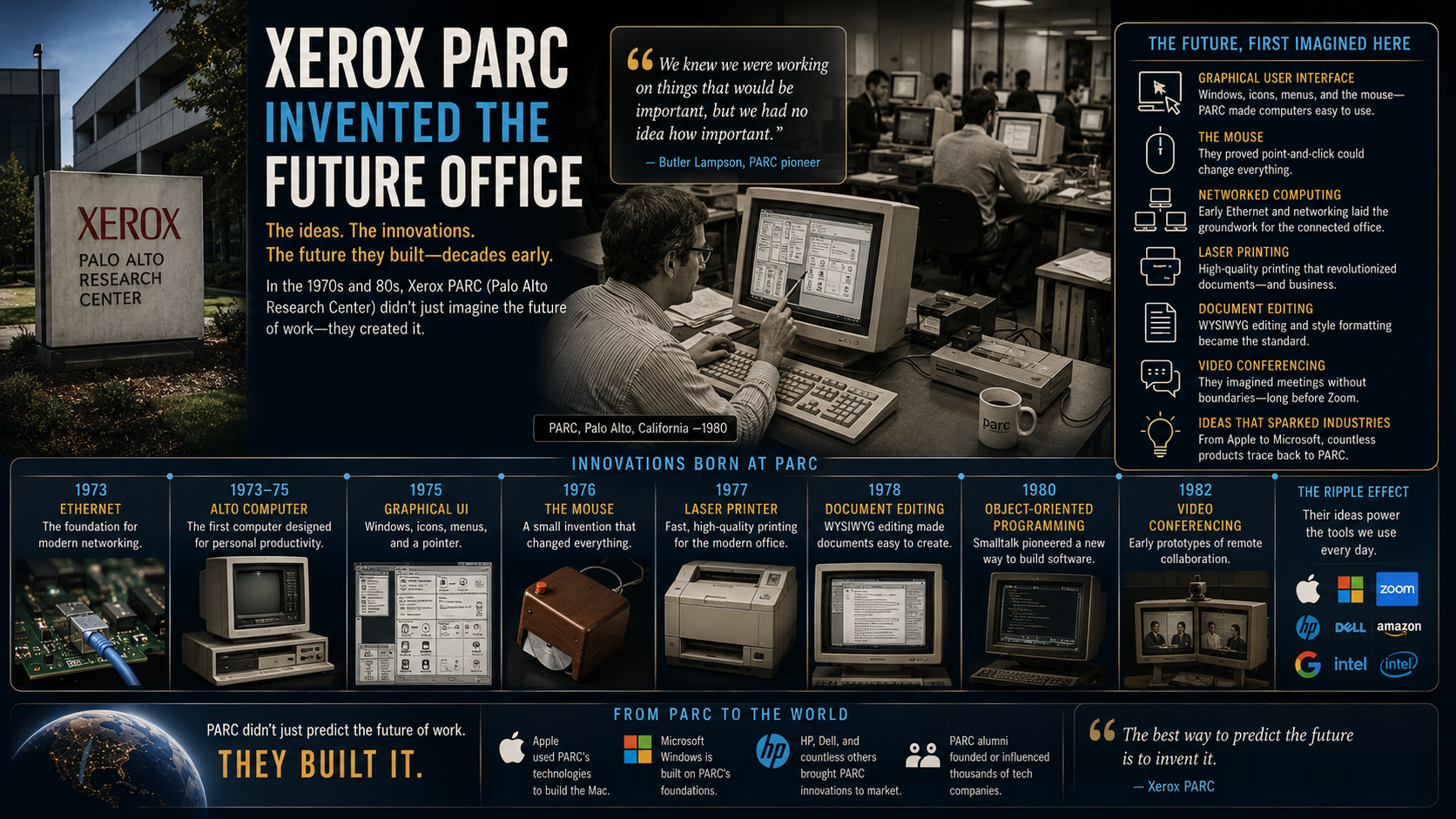
The Lab That Invented Tomorrow
In December 1979, Steve Jobs saw echoes of the future inside Xerox PARC's halls. There, in a secluded lab, lay the blueprint for the modern tech landscape.
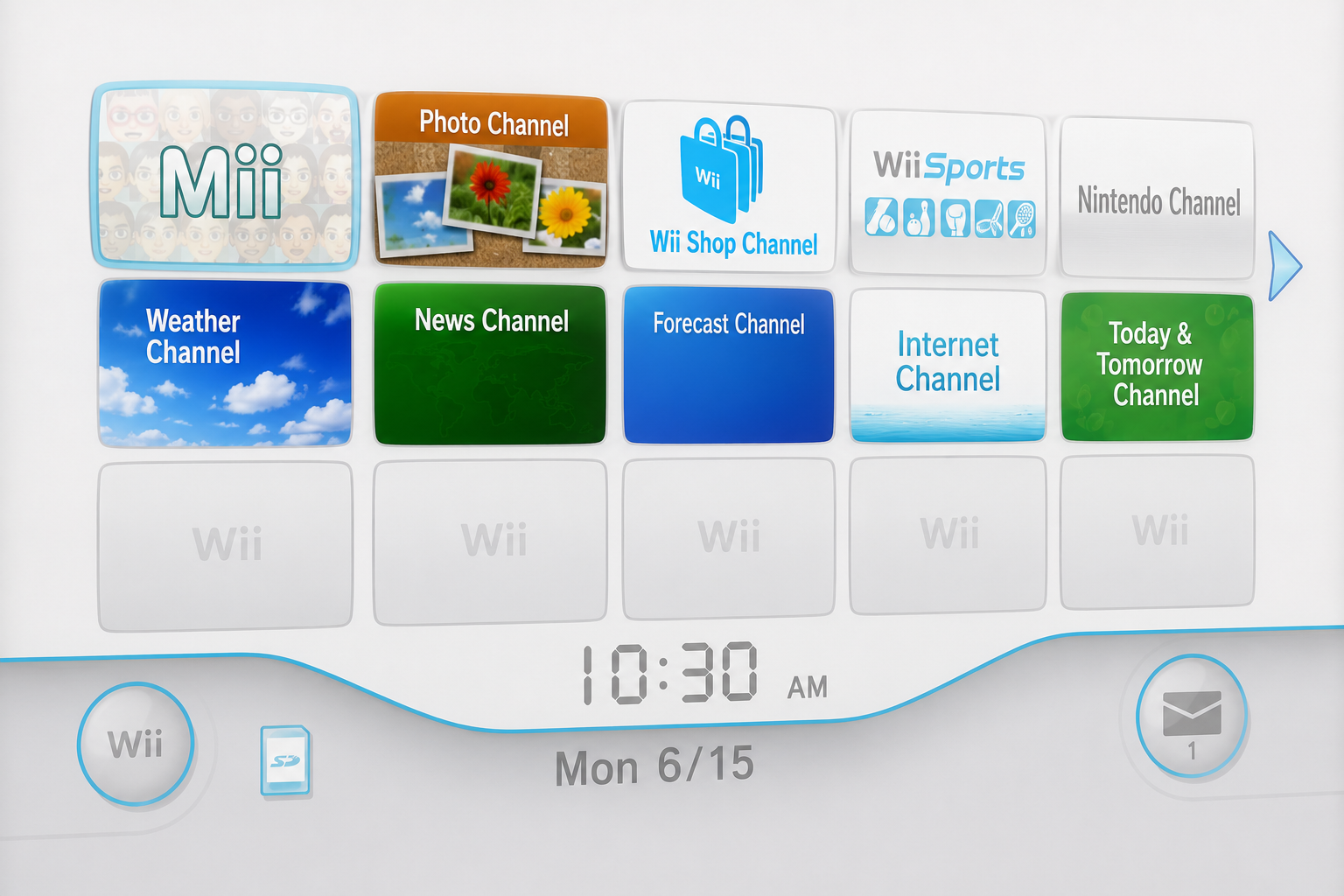
The Wii Gamble That Saved Nintendo
In a world obsessed with graphics and power, Nintendo bet on simplicity. The Wii was laughed at — until it wasn't.

Pixar's Radical Feedback Loop
In a stark, unadorned room, some of the most powerful voices in animation face off with ruthless honesty. Their weapons? Brutal feedback that molds raw ideas into cinematic gold.

The Fall of BlackBerry
In a boardroom once buzzing with innovation, silence filled the air as BlackBerry executives watched Apple's iPhone dismantle their empire one launch at a time.

How Google's 20% Time Shaped Innovation
Gmail, the widely-used email service, was born from Google's infamous 20% Time. What else did this unconventional policy unleash?
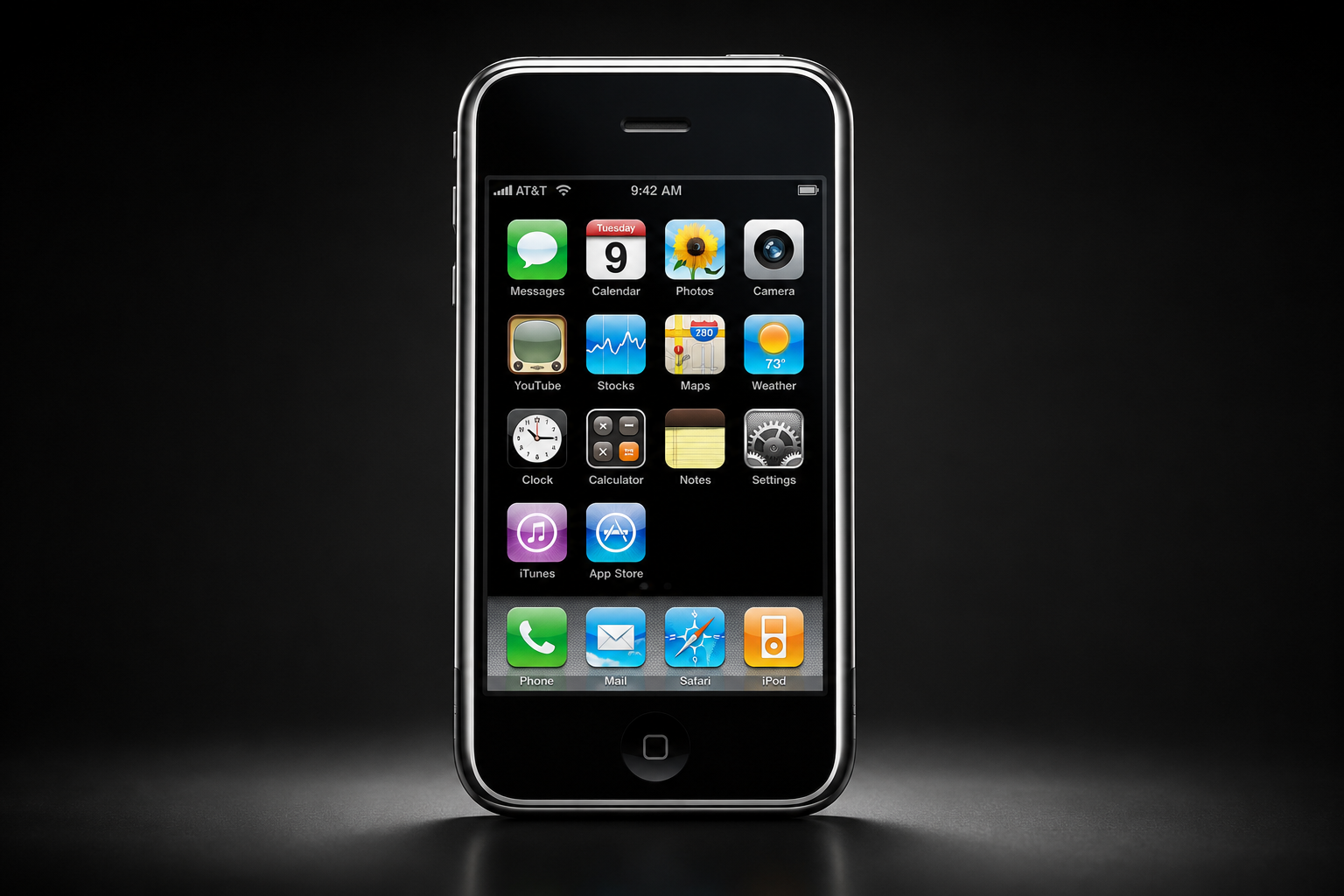
The iPhone That Disrupted the World
In January 2007, Steve Jobs stepped onto the stage and introduced a device that would redefine the entire world: the iPhone. What seemed like just another gadget launch was, in fact, the dawn of a new era.
Continue the Rabbit Hole
Each story explores the same idea from a different angle. Follow the connections and discover where the thread leads.


Fictional placeholder content