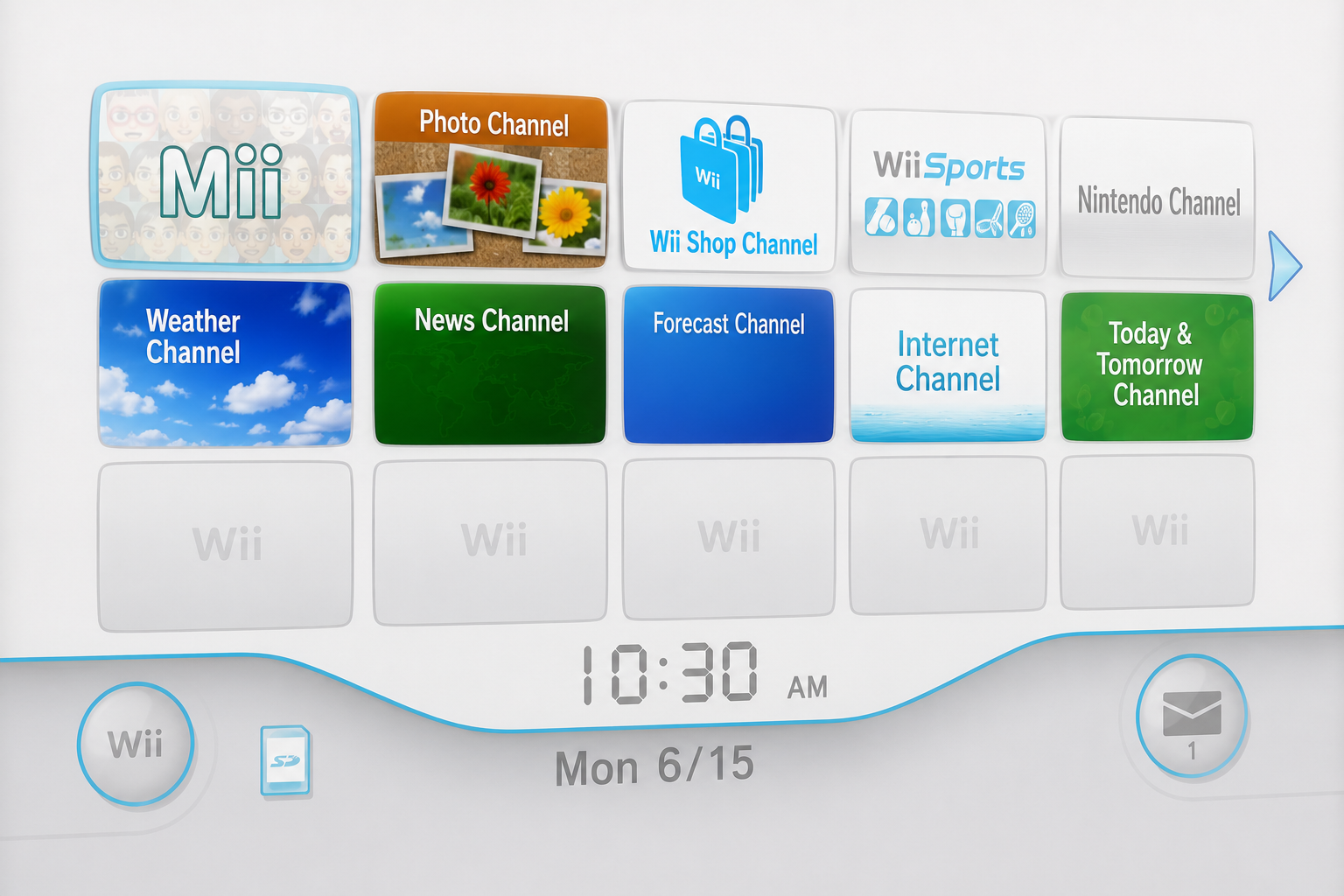
The Wii Gamble That Saved Nintendo
"In a world obsessed with graphics and power, Nintendo bet on simplicity. The Wii was laughed at — until it wasn't."
What Happened?
In 2006, the gaming world stood at a crossroads. Nintendo, struggling to stay relevant against technically superior games by Sony and Microsoft, played its wild card: the Wii. With a strategic gamble that few saw coming, the company shifted its focus from horsepower to innovation, introducing the world to motion-sensing gameplay. The Wii's very presence seemed like a fever dream at the time. A console that didn't prioritize cutting-edge graphics or advanced processing power, priced at $250, it aimed to transform gaming into a more inclusive, physically engaging experience.
Reggie Fils-Aimé, the charismatic executive at the helm of Nintendo of America, fueled the 'Reggielution.' His efforts weren't just about introducing a new console; they were about reinventing how audiences interacted with games. Behind closed doors, debates raged. Satoru Iwata and Shigeru Miyamoto, titans at Nintendo, initially met with trepidation the idea of coupling their games directly with the console itself. Would giving away beloved titles as pack-ins, notably Wii Sports, devalue their creations?
The launch was more successful than anyone anticipated. Released in November 2006, the Wii flew off shelves, selling out within hours across the nation. It became a quest, a challenge, just to find one on retail shelves during the holiday season. Over 101 million units were sold worldwide, and Nintendo was back on top. But this strategy was not without its critics. By 2010, signs of stagnation had crept in. Reviews of the Wii pointed to its less sophisticated hardware as the reason for reduced sales momentum, denting Nintendo’s profits despite its initial spectacular success.
The Wii didn't merely sell units. It shifted the industry's trajectory, spurring others to integrate motion controls into their systems. This gamble by Nintendo—characterized by risk, creativity, and a refusal to adhere to industry norms—did more than save the company. It redefined the possibilities of gaming, prompting a once-underestimated firm to revitalize the game industry it had once pioneered.
Takeaway
The lesson this story keeps teaching
“When conventional wisdom turns into a rut, disrupting it with simplicity can create untapped possibilities.”
Why People Are Talking About This
The Wii's launch and success marked a pivotal moment in gaming technology, altering market trajectories. It highlighted the power of innovative simplicity over technological complexity. By reaching beyond traditional gaming audiences, Nintendo shifted competitive landscapes and redefined engagement models, teaching a timeless lesson: creativity often resides in simplicity and accessibility, not just sophisticated hardware.
Thread Map
10 entities · 9 connections · Hover to explore, click to inspect
This is the connection map for this thread. Every node is a person, company, event, or idea. The red lines show how they connect. Hover a node to highlight its connections. Click a node to see why it matters to this story.
How We Got Here
Nintendo Launches the Wii
In a bold move, Nintendo released the Wii console equipped with motion-sensing technology, bucking industry trends focused on raw graphics power. This gambit aimed to expand gaming's reach to new audiences.
Wii Sales Skyrocket
By early 2007, the Nintendo Wii sold over 3.2 million units worldwide. The console's popularity spiked as it became a staple for family entertainment across diverse demographics.
Donkey Kong Victory Boosts Confidence
Nintendo secured an important legal victory against Universal Studios over the Donkey Kong character, further reinforcing their aggressive protection of IP — a critical element of their strategy even during the Wii's growth.
Miyamoto's Influence with Wii Fit
Shigeru Miyamoto and his team capitalized on the Wii's popularity with the introduction of Wii Fit, tapping into health-conscious consumer segments and further diversifying the console's appeal.
Sales Begin to Decline
After a long reign at the top, Wii's sales started to decline, partly due to competition from new, more advanced consoles from Sony and Microsoft that enticed core gamers back.
Record Losses Shake Nintendo
Nintendo reported a record loss of $926 million, bringing critical introspection into its strategies. The once-innovative Wii became outdated against its modern counterparts.
Cease of Wii Production
Nintendo officially ended production of the Wii after selling over 101 million units. The closing of this era highlighted an impressive yet challenging journey led by inventive vision.
Legacy Lives On
The Wii's motion-control legacy continued to influence innovation in gaming, seen across newer platforms that adopted similar interactive mechanics.
Wait... Who Is This?
Nintendo was not always just a gaming company. Born in 1889 as a creator of Hanafuda playing cards, the company switched industries to survive. From running a taxi company to selling ramen and opening love hotels, Nintendo was no stranger to wild shifts.
Their most significant move came in the 1980s, diving into the video game industry with the Nintendo Entertainment System (NES). It was a venture that propelled the company into a global powerhouse. Yet, the mid-2000s challenged this position dramatically. As Sony and Microsoft forged ahead with advanced graphics and horsepower, Nintendo was forced to rethink its identity. Enter the Wii, a machine meant to be different, simple, and universally appealing. With the console, Nintendo introduced a generation to gaming, striking a balance between nostalgia and novelty.
This backdrop of unpredictable pivots and reinventions set the stage for a bold gamble: a console designed not by escalating power but by reimagining player engagement.
Receipts
Nintendo Wii Turns 15: How the Console Saved Nintendo
History of Nintendo | Nintendo | Fandom
Nintendo Wii | Sports and Leisure | Research Starters | EBSCO Research
Reggie Fils-Aimé - Wikipedia
Nintendo's Weird, Wild Origins: The Surprising History of a Gaming Giant | Ripley's Believe It or Not! | Aquariums, Attractions, Museums
How the Nintendo Wii's remote control changed gaming - ABC News
Same Pattern
Different story. Same lesson.
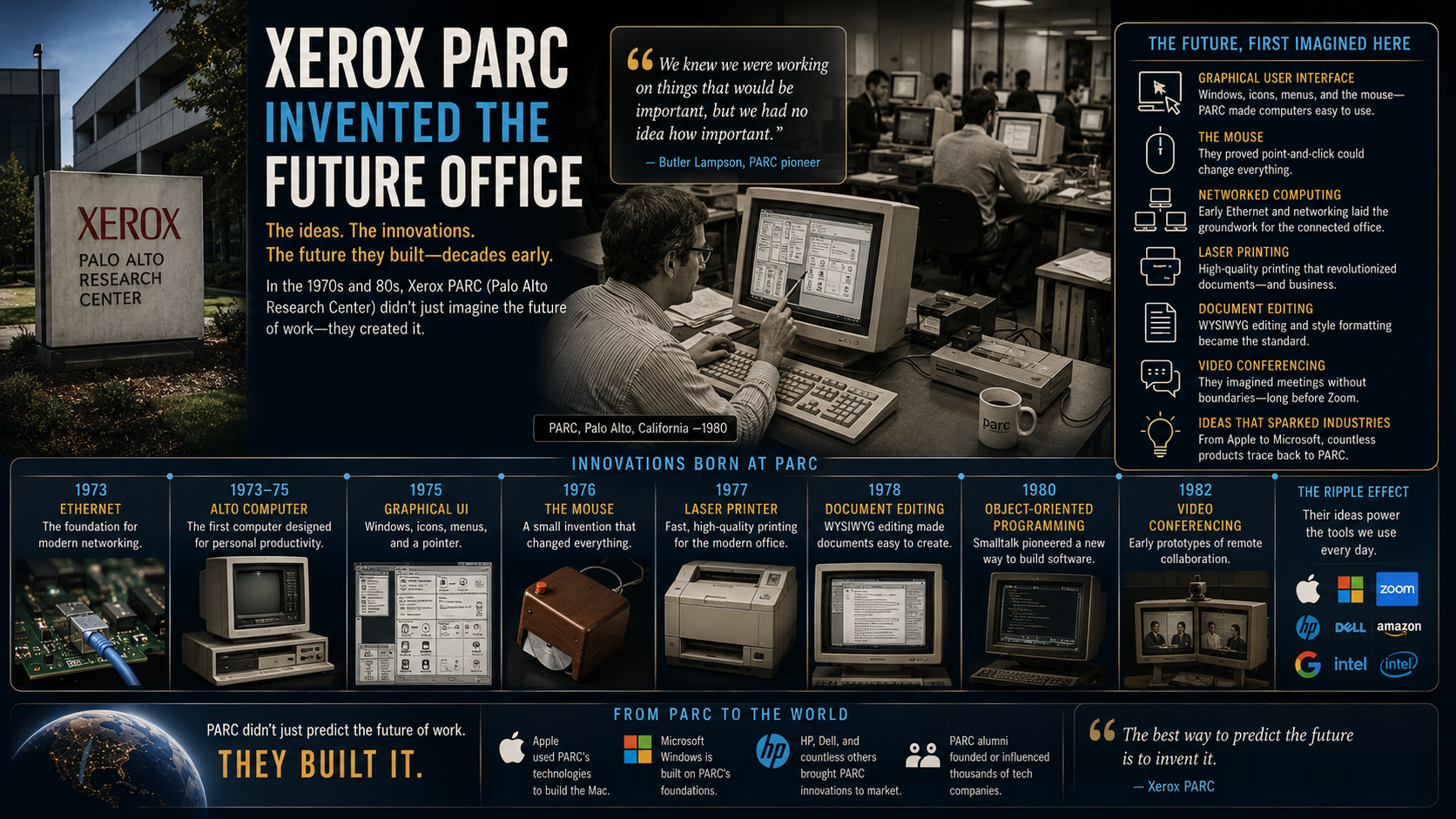
The Lab That Invented Tomorrow
In December 1979, Steve Jobs saw echoes of the future inside Xerox PARC's halls. There, in a secluded lab, lay the blueprint for the modern tech landscape.
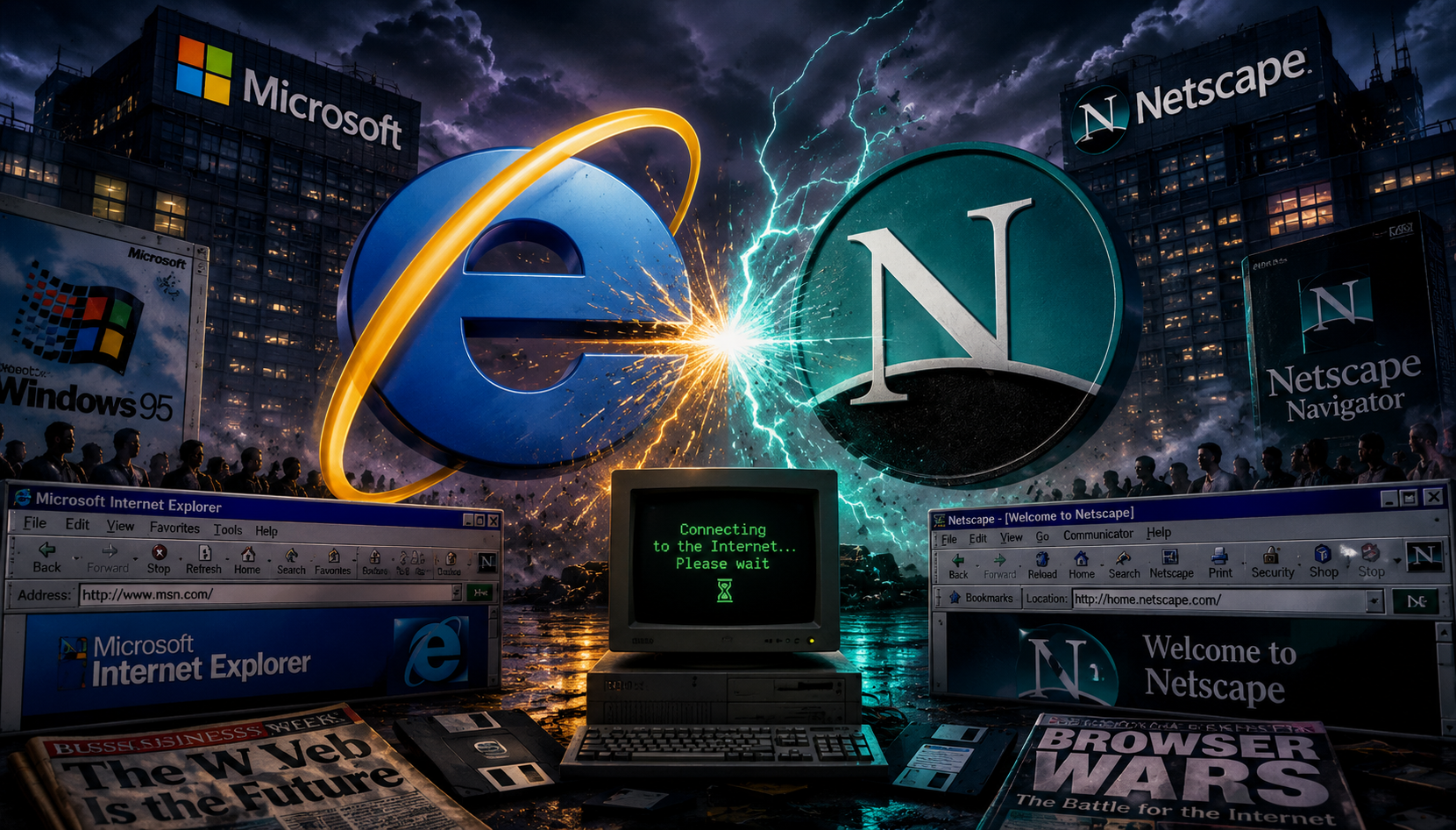
The Browser War That Built the Internet
In the mid-1990s, a software battle erupted that would shape how billions accessed information. Few could predict that the victor would soon face its own downfall.
Pixar's Radical Feedback Loop
In a stark, unadorned room, some of the most powerful voices in animation face off with ruthless honesty. Their weapons? Brutal feedback that molds raw ideas into cinematic gold.

The Chicken That Changed Retail
Costco's $4.99 rotisserie chicken isn't just a meal — it's a strategic masterpiece. The unexpected ripple effects changed retail forever.
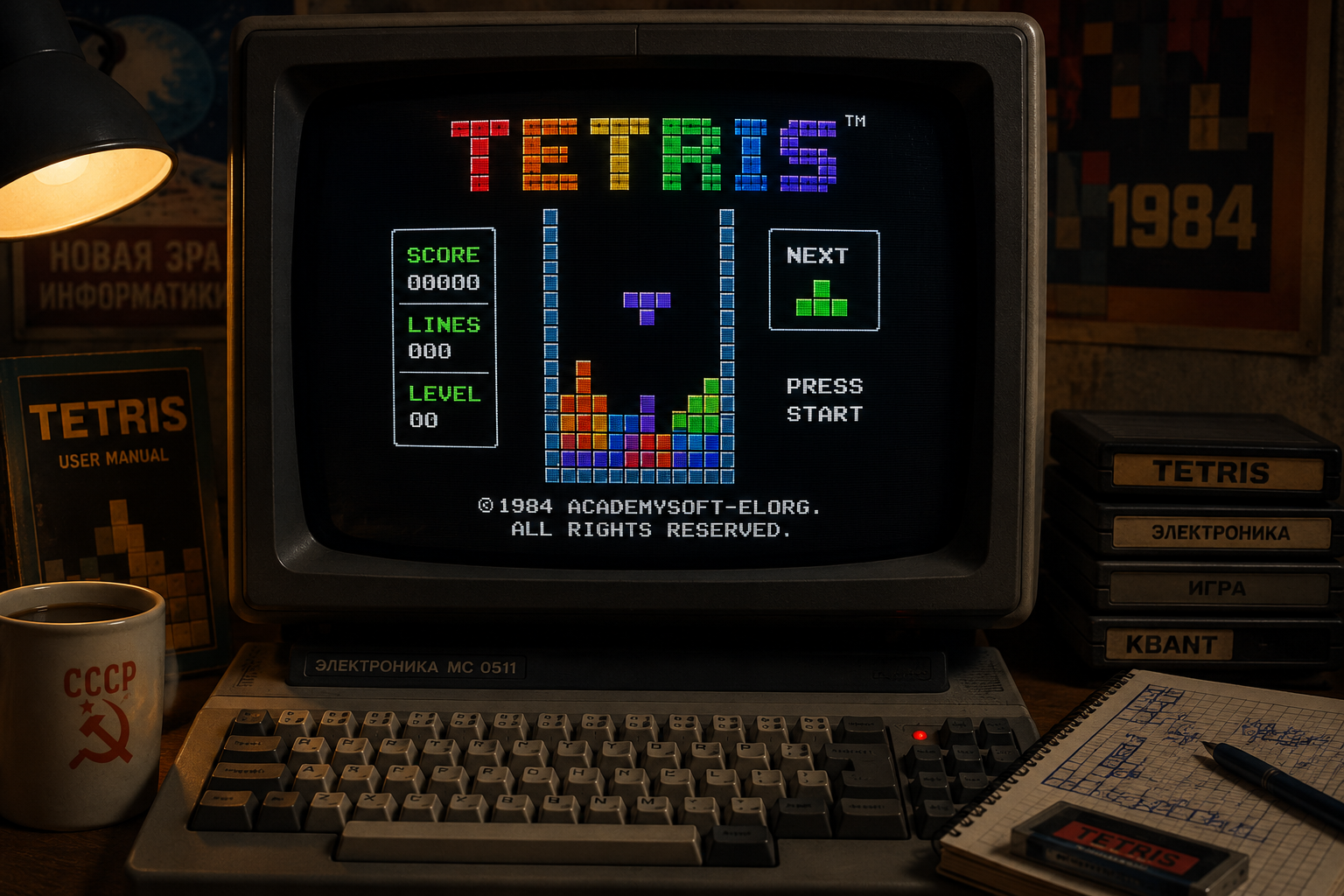
The Puzzle that Conquered the World
A Soviet engineer at his desk, unknowingly poised to create a legend. His creation? Tetris — a game that would break barriers and forever alter the gaming landscape.

The Fall of BlackBerry
In a boardroom once buzzing with innovation, silence filled the air as BlackBerry executives watched Apple's iPhone dismantle their empire one launch at a time.
Continue the Rabbit Hole
Each story explores the same idea from a different angle. Follow the connections and discover where the thread leads.



Fictional placeholder content