The Broadcast That Terrified America
"On the night of October 30, 1938, chaos reigned as Americans believed Martians were invading. It was all fiction."
What Happened?
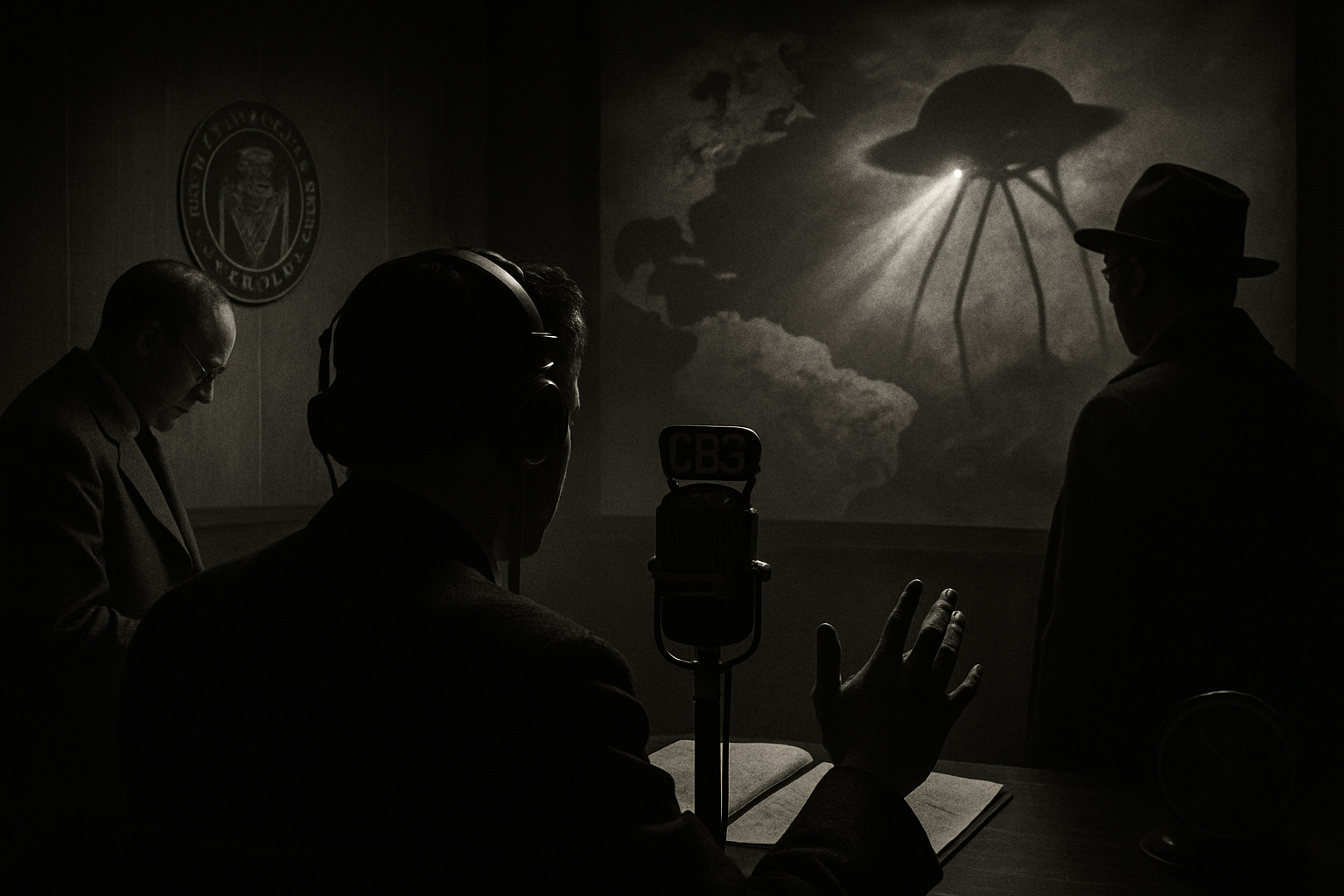
It was a crisp Halloween evening in 1938 when the voice of Orson Welles crackled over the radio waves, transforming a peaceful night into one of chaos and confusion. As clocks struck 8 p.m., homes across America were filled with an eerie tale of Martians landing in New Jersey, relayed with such authenticity that many listeners missed the brief disclaimer marking it as fiction. The lack of commercial breaks from CBS Radio Network only deepened the illusion, convincing thousands that Earth was under siege by extraterrestrial invaders.
Families huddled around their radios were thrown into a spiral of panic. Telephone lines buzzed incessantly, overwhelmed by frantic calls to police. In some towns, residents fled to the hills, attempting to escape an invasion that existed only in the ether of the airwaves. Rumors of hysteria spread as quickly as the fictional Martians, while newspapers capitalized on the frenzy, embellishing stories of widespread terror.
Yet, not everyone fell for the trick. Some listeners questioned the broadcast’s credibility, scratching their heads at the seemingly sudden arrival of interstellar guests. But the legend was sealed, and Welles became infamous overnight. What began as a dramatization became a case study in mass communication's power and the public’s susceptibility to it.
Welles emerged from the ordeal not as a villain but as a legendary figure, his reputation cemented in both fame and controversy. The Federal Communications Commission investigated but found no wrongdoing, while Welles offered a public apology that barely swayed the narrative already set into motion.
The event left an indelible mark on broadcasting history, revealing both the potency of media influence and the fragility of public perception. More than 80 years later, the broadcast of "The War of the Worlds" still echoes as a chilling testament to the thin line between reality and perception.
Takeaway
The lesson this story keeps teaching
“Mass communication can create its own reality, revealing the potent mix of media influence and human psychology.”
Why People Are Talking About This
This broadcast changed the understanding of media's power to influence and even manipulate public perception. It revealed how easily emotions could turn fictional tales into perceived realities.
In today's age of digital media where misinformation spreads rapidly, the lessons from Welles' broadcast persist, reminding us of the importance of critical evaluation amidst the noise of mass communications.
Thread Map
9 entities · 8 connections · Hover to explore, click to inspect
This is the connection map for this thread. Every node is a person, company, event, or idea. The red lines show how they connect. Hover a node to highlight its connections. Click a node to see why it matters to this story.
How We Got Here
The Broadcast That Fooled a Nation
Orson Welles unleashed his radio adaptation of 'The War of the Worlds', causing hysteria among listeners who believed Martians were truly invading.
Public Panic Unveiled
The day after the broadcast, the public's reaction was chaotic, with police stations and news outlets receiving a deluge of calls from concerned citizens.
FCC Investigates Broadcast
The Federal Communications Commission began its investigation into the broadcast's effects, ultimately finding no laws were broken.
Film Adaptation Builds on Legacy
Hollywood released a film adaptation of 'The War of the Worlds', testament to the lasting impact of Welles' radio drama.
National Recording Registry Recognition
The broadcast was added to the National Recording Registry, acknowledging its historical and cultural significance.
50th Anniversary and Reflection
On the anniversary of the broadcast, retrospectives highlighted its impact and enduring legacy on media and culture.
60th Anniversary Public Interest
The 60th anniversary revived interest and discussion about the broadcast, underscoring its lasting place in the annals of media history.
75th Anniversary Commemoration
An event marking the 75th anniversary celebrated its cultural impact, with scholars discussing its influence on media ethics.
Wait... Who Is This?
Orson Welles, with the Mercury Theatre on the Air, was on a mission to captivate a new wave of listeners. Radio was at its zenith, a powerful medium touching millions of homes, conveying drama and news with an immediacy unmatched by any other form. But the world was tense, standing at the precipice of another global conflict. Populations were primed to feel apprehensive. In this environment, Welles saw an opportunity to break new ground. He adapted H.G. Wells' novel The War of the Worlds, turning it into a radio play so convincingly real it would blur the lines between fiction and the frayed nerves of a nation already jittery with fear. The dramatic script fed into the public's latent anxiety about news and the unknown.
What unfolded was a perfect storm. The show, presented as a series of news bulletins, played on the audience's trust in radio as a reliable news source. As 'reports' of a Martian invasion disrupted usual programming, listeners found themselves unable to tear away, caught in the masterful narrative that suggested the extraordinary was unfolding before them. The frenzy that followed was a testament to both the potency and the peril of media's influence.
Receipts
Same Pattern
Different story. Same lesson.
The Lab That Invented Tomorrow
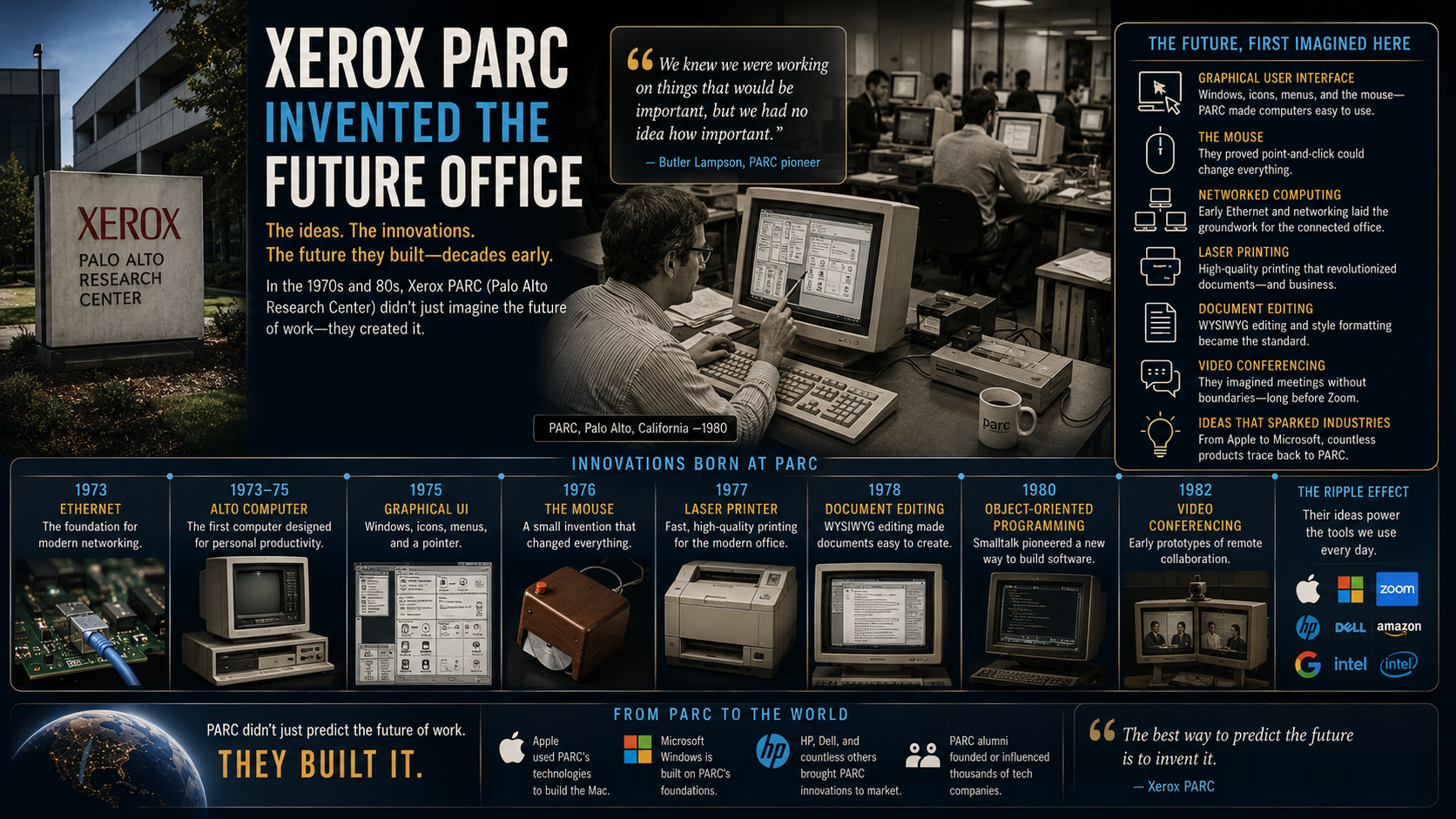
In December 1979, Steve Jobs saw echoes of the future inside Xerox PARC's halls. There, in a secluded lab, lay the blueprint for the modern tech landscape.
The Browser War That Built the Internet
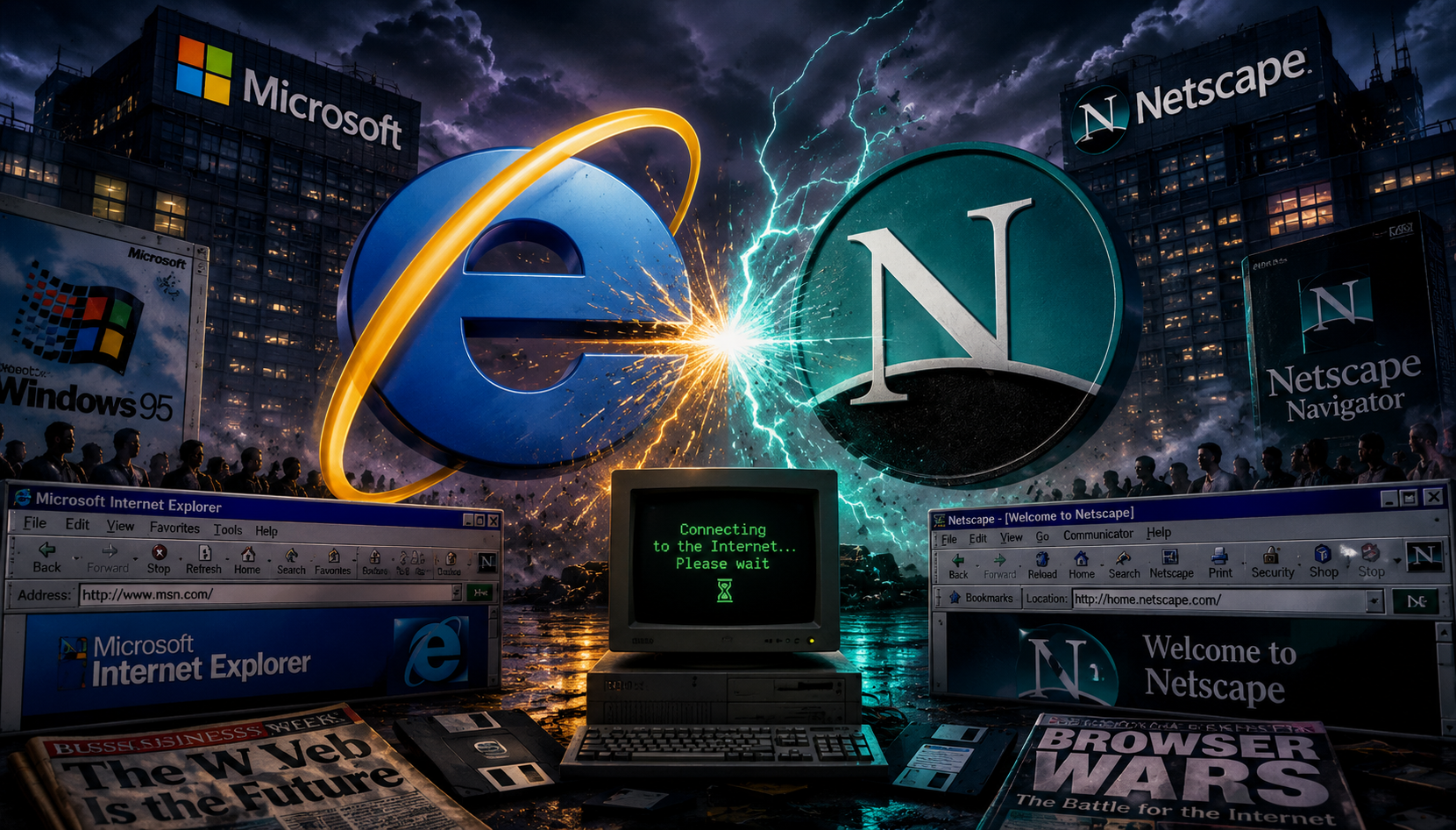
In the mid-1990s, a software battle erupted that would shape how billions accessed information. Few could predict that the victor would soon face its own downfall.

The Wii Gamble That Saved Nintendo
In a world obsessed with graphics and power, Nintendo bet on simplicity. The Wii was laughed at — until it wasn't.
Pixar's Radical Feedback Loop
In a stark, unadorned room, some of the most powerful voices in animation face off with ruthless honesty. Their weapons? Brutal feedback that molds raw ideas into cinematic gold.

The Chicken That Changed Retail
Costco's $4.99 rotisserie chicken isn't just a meal — it's a strategic masterpiece. The unexpected ripple effects changed retail forever.
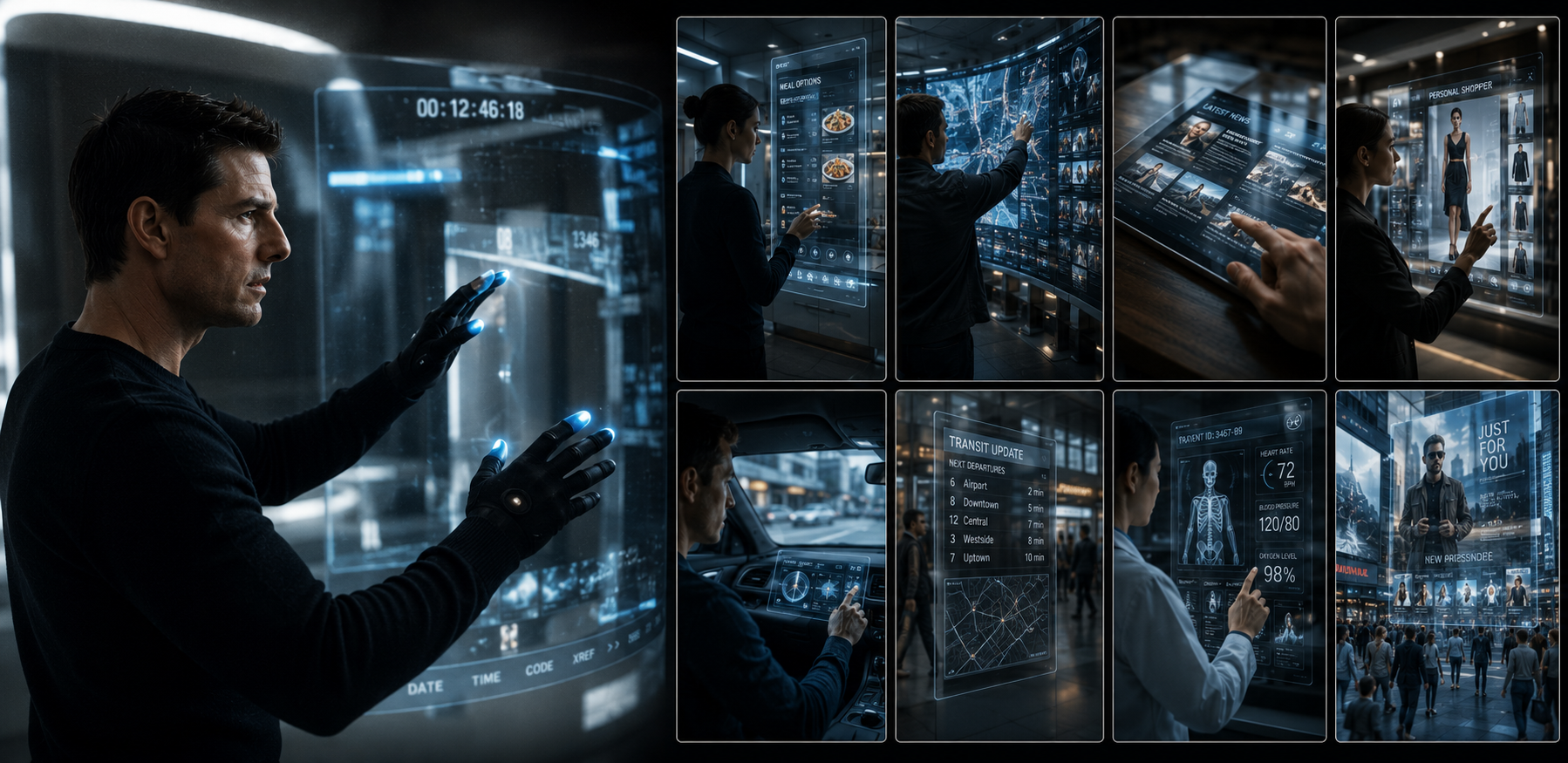
Minority Report's Prescient Touchscreen Reality
In 2002, Hollywood imagined a future of seamless touchscreen interfaces. Today, Steven Spielberg's vision feels eerily prescient as technology catches up.
Continue the Rabbit Hole
Each story explores the same idea from a different angle. Follow the connections and discover where the thread leads.

Fictional placeholder content