
The Momo Challenge Panic
"In February 2019, parents across the UK erupted in panic over the Momo Challenge. A digitally crafted ghost story had spiraled into a full-blown moral crisis."
What Happened?
In 2018, an eerie sculpture named 'Momo' became the focal point of an internet phenomenon called the Momo Challenge, which allegedly coerced children into harmful behaviors. Despite originating from a harmless artistic creation, sensational media coverage and rampant online speculation transformed it into a feared myth. The panic peaked in the UK in 2019, even as organizations debunked the myth. The episode illustrates the power of digital mythology to ignite widespread fear, revealing vulnerabilities in our understanding of internet safety.
Takeaway
The lesson this story keeps teaching
“In today's world, myths can spread faster than facts, fueled by fear and a hyperconnected culture.”
Why People Are Talking About This
The Momo Challenge reflected the pervasive power of fear in modern media ecosystems, highlighting the need for digital literacy. It exemplifies how quickly a baseless myth can stimulate public outrage and fear, problematically influencing behaviors and attitudes. Such urban legends reveal societal vulnerabilities and prompt a necessary reevaluation of how media shapes perceptions. As digital environments rapidly evolve, learning to correctly interpret their messages is increasingly crucial. Understanding the mechanics of such phenomena will better prepare society to handle similar incidents in the future.
Thread Map
9 entities · 8 connections · Hover to explore, click to inspect
This is the connection map for this thread. Every node is a person, company, event, or idea. The red lines show how they connect. Hover a node to highlight its connections. Click a node to see why it matters to this story.
How We Got Here
Momo's Fear Erupts Online
The Momo Challenge began to gain attention when users claimed that a nocturnal figure on WhatsApp was urging kids to engage in self-harm. This image-driven specter was assigning dangerous tasks, sparking the first whispers of digital doom.
Media First Dismisses Momo
Business Standard took the first steps in unraveling the myth, publishing an article that debunked supposed connections between the Momo Challenge and teen suicides, presenting the incident as a clear case of misinformation.
Momo Sparks UK Panic
The UK quickly escalated into Momo-induced hysteria as rumors ran wild. Concerned parents and media brought newfound attention to the purported challenge, catalyzing widespread panic over children's safety online.
Forbes Advocates Rationality
Forbes published a critical column that mirrored historical views on chain letters and folklore, urging parents to exercise skepticism and avert falling into fear's trap perpetuated by viral misinformation.
Charities Debunk Momo Hoax
Charities issued public statements labeling the Momo Challenge a 'malicious hoax.' Experts emphasized the importance of discerning media truth from sensationalized scare-mongering.
Tabasco, Mexico Issues Warning
The attorney general of Tabasco publicly warned families about the Momo phenomenon proliferating on WhatsApp. This added to the mounting panic that was already moving across borders.
Momo Hits U.S. Media
The panic reached American shores with intensified interest as law enforcement and educational institutions joined public discussions, marking a significant point in the global spread of this urban myth.
Parallels Drawn to Blue Whale
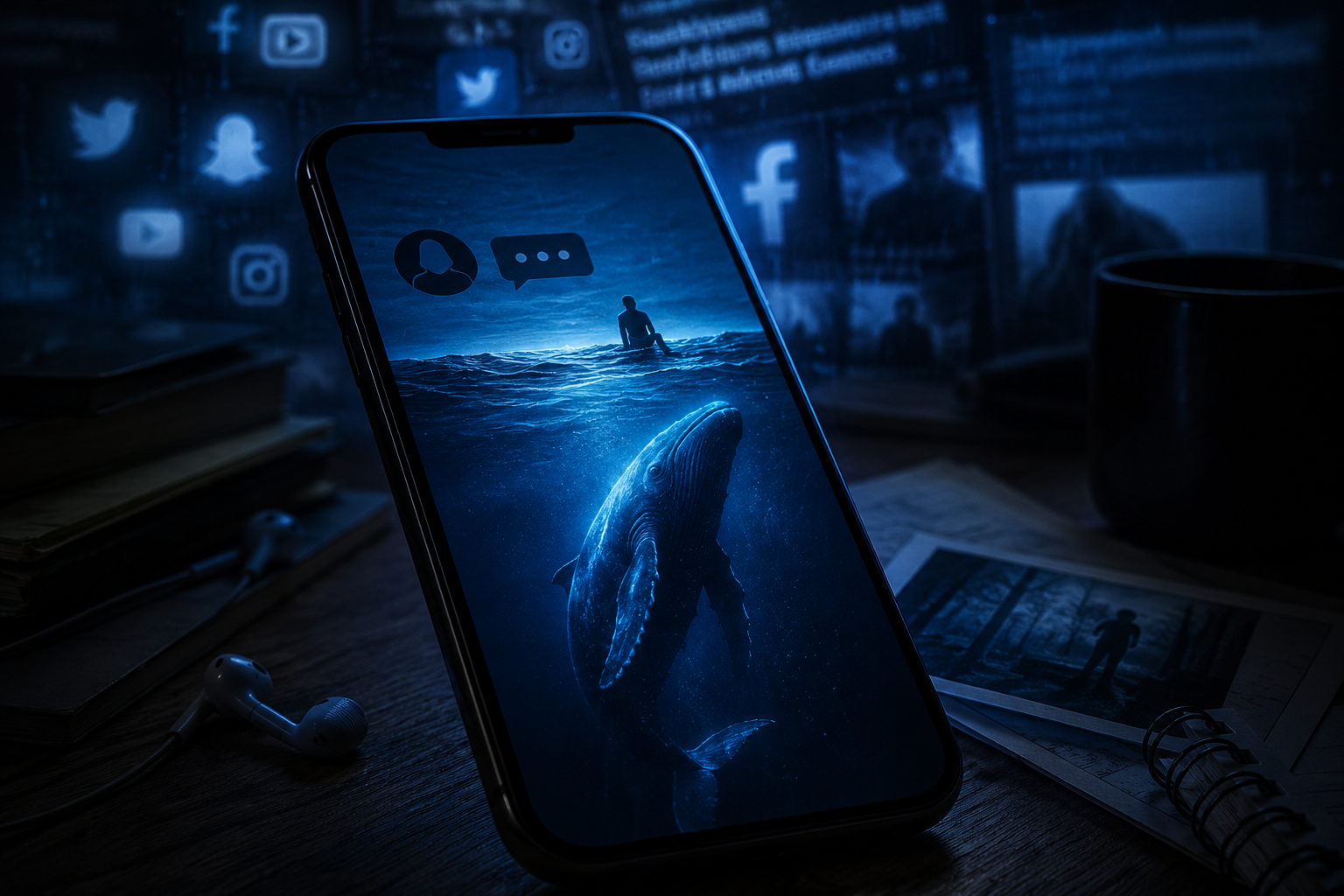
Comparisons emerged tying the Momo Challenge to the earlier Blue Whale Challenge, another example of an internet hoax sensationalized into perceived threats of self-harm, underscoring the viral mechanics of spectacle.
Invalid Claims Permeate Media
Despite being thoroughly debunked, the fear machine continued churning, with fabulous claims forcing a global dialogue about children's internet safety and the responsibility of platforms in airing and managing content.
Wait... Who Is This?
In a hyper-connected digital age, myths and legends no longer wait to spread by word of mouth. The Momo Challenge began as an urban legend intertwined with an eerie image shared across WhatsApp and social media. The narrative was compelling: a statue's haunting visage, once part of a Tokyo art exhibit, allegedly lured children into dangerous online challenges.
This hysteria stemmed from societal anxiety. In the past, such tales took years to gain traction. Now, rumors evolve rapidly, exploiting digital channels. Momo, a mere sculpture by artist Keisuke Aisawa, symbolized how virality could amplify baseless fears.
Despite efforts to debunk the myth, it perpetuated itself. Outlets like Business Standard denounced the narrative early on, but skeptics were few compared to those enthralled by fear. The Momo Challenge underscored a modern vulnerability: the ease of misinformation crossing boundaries from the digital to the real world.
Receipts
The Momo Challenge: A digital ghost story - University of Plymouth
The bogus “Momo challenge” internet hoax, explained | Vox
The Momo Challenge: What schools need to know
The ‘Momo Challenge’: A sinister threat to young people or an urban myth? - The Washington Post
The Momo Challenge: measuring the extent to which YouTube portrays harmful and helpful depictions of a suicide game | SN Social Sciences | Springer Nature Link
Parents 'spreading the fear' to their kids over Momo Challenge | CBC News
How 'Momo', a global social media hoax about a paranormal threat to kids, morphed into a U.S. viral phenomenon
Continue the Rabbit Hole
Each story explores the same idea from a different angle. Follow the connections and discover where the thread leads.

Fictional placeholder content