When a Fake Hand Feels Real
"Imagine feeling warmth from a hand that isn't yours. A simple trick convinced people, and even their bodies underwent change."
What Happened?
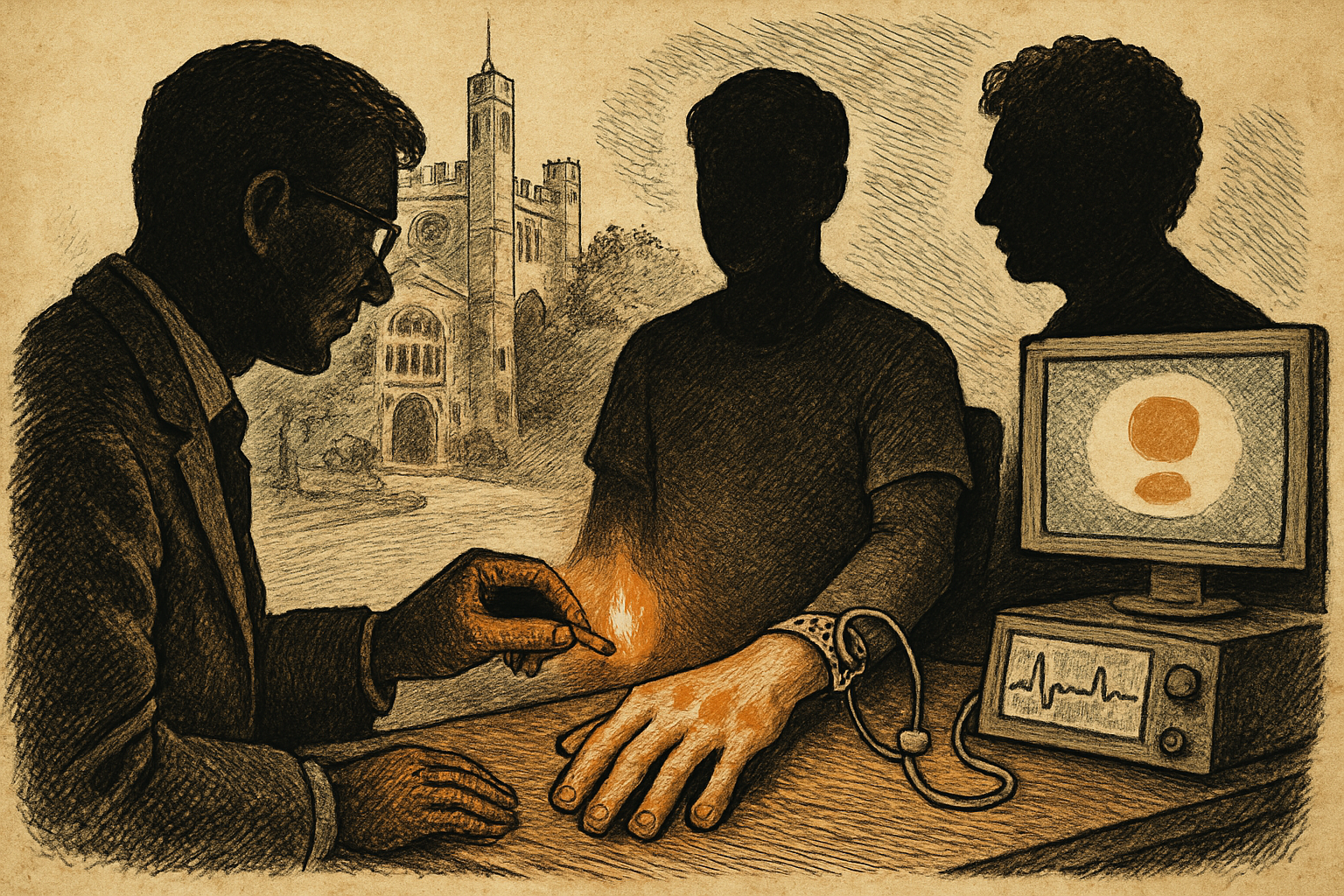
In a dimly lit lab, a volunteer stares intently at a rubber hand stretched before them. Theirs is hidden from view, yet as a brush strokes both hands in unison, a strange feeling emerges—the rubber hand feels like their own. This eerie illusion, known as the Rubber Hand Illusion, plays a trick on the brain that has fascinated scientists since Matthew Botvinick and Jonathan Cohen first detailed it in 1998.
As these tactile signals merge with visual cues, the brain struggles to discern reality from illusion, leading to a profound shift in body ownership perception. Francesca Garbarini's recent experiments have pushed this boundary even further. Her study, published on October 20, 2016, shows how this illusion complicates the brain's readiness to move, revealing a twist in the seemingly simple perception of our limbs.
The rubber hand illusion isn't just a parlor trick; it exposes the brain's complex command over bodily autonomy. Garrett Ehrsson's 2004 studies mapped this phenomenon to the ventral premotor cortex, highlighting the brain's multisensory integration at play. Meanwhile, experiments that measure rises in skin conductance reveal a physiological commitment to defending 'ownership' of this latex impostor, as if the brain temporarily rewrites its own reality.
Today, the implications ripple through virtual reality advancements and clinical therapies. Experiments akin to the rubber hand illusion illuminate how malleable our perceptions really are. They remind us that under the right circumstances, our senses can become unreliable narrators, opening doors not just to understanding the human mind, but to reshaping experiences beyond imagination.
Takeaway
The lesson this story keeps teaching
“Perception isn't just about input from senses; it's a construct that our brains can alter with startling ease.”
Why People Are Talking About This
The Rubber Hand Illusion emphasizes just how easily our perception can be manipulated. What we see and feel isn't always reality—an insight that deeply challenges our understanding of self-awareness. This illusion casts doubt on our senses, raising critical questions about how reliable they are.
As technology advances, especially with virtual and augmented reality, the insights gained from this illusion may play a vital role. Investigating how and why our perceptions shift is pivotal as we increasingly design experiences that challenge traditional senses and alter our reality directly.
Thread Map
8 entities · 7 connections · Hover to explore, click to inspect
This is the connection map for this thread. Every node is a person, company, event, or idea. The red lines show how they connect. Hover a node to highlight its connections. Click a node to see why it matters to this story.
How We Got Here
Rubber Hand Illusion Unveiled
Botvinick and Cohen published their paper, revealing how synchronous brushing on a hidden hand and a visible rubber hand could make the fake hand feel real, revolutionizing ideas around body ownership.
Physiological Responses Examined
Armel and Ramachandran observed heightened skin conductance during the Rubber Hand Illusion, indicating a physical response to perceived threats to the fake hand.
Neural Basis Uncovered
Henrik Ehrsson linked the illusion to the ventral premotor cortex, showing that brain activity shifts in response to the illusion.
Expansion of Illusion Preconditions
Tsakiris and Haggard's work identified conditions necessary for effective illusion such as visual alignment of the fake hand.
Control Loss Study
Garbarini and della Gatta revealed that the illusion can decrease the readiness to move one's actual hand, highlighting an impact on the brain’s control circuits.
Implications for Virtual Reality Explored
Virtual reality researchers began applying principles from the Rubber Hand Illusion to enhance immersion, discovering new frontiers in multisensory experiences.
Expanded Understanding of Illusions
Neuroscientists broadened their study into the varying aspects of perception and illusions, citing the Rubber Hand Illusion as a foundational experiment in understanding multisensory integration.
New Advances in Body Transfer Techniques
Research moved the boundaries further, integrating body transfer theories with real-world applications, making the illusion a stepping stone for future breakthroughs.
Wait... Who Is This?
The late 20th century was drenched in exploration, a time when the once impenetrable boundaries of the human mind were finally being probed. Neuroscience, budding from the shadows of the traditional sciences, was stepping into the light. Concepts of identity, cognition, and perception—long seen as the domain of philosophers—were being tackled by scientists determined to find evidence stored in neurons and synapses. Theories about ownership, body image, and self-identity were evolving. In this climate, Botvinick and Cohen introduced a set of ideas that would reshape our understanding of body ownership, perception, and self-awareness. Their groundbreaking work with the Rubber Hand Illusion in 1998 shone a light into hitherto obscure corners of the mind, suggesting the malleability of self-perception. But could such a transformation hold under scrutiny? Their findings invited both skepticism and excitement, a perfect storm for scientific revelation.
The field wasn't caught unawares: through Ehrsson, Tsakiris, and Haggard's works, the continually expanding web of repercussions unraveled layers to showcase deeper understanding students of psychological phenomena devoured with relish. As evidenced by advances like virtual reality, the illusion wasn't just consigned to theoretical explorations but was bleeding into the heart of technological innovation. It provoked wonder and doubt in equal measure, meeting keen interest outside academic circles, planting seeds for decades-long investigations on what it means for the mind to reach beyond itself—or what parts it might fabricate.
Receipts
'Rubber hand illusion' reveals how the brain understands the body
The moving rubber hand illusion revisited: Comparing movements ...
The Rubber Hand Illusion: Feeling of Ownership and ... - PMC
Rubber hand illusions shed new light on our bodily sense of self | Psyche Ideas
Same Pattern
Different story. Same lesson.

The Lab That Invented Tomorrow
In December 1979, Steve Jobs saw echoes of the future inside Xerox PARC's halls. There, in a secluded lab, lay the blueprint for the modern tech landscape.

The Browser War That Built the Internet
In the mid-1990s, a software battle erupted that would shape how billions accessed information. Few could predict that the victor would soon face its own downfall.

Pixar's Radical Feedback Loop
In a stark, unadorned room, some of the most powerful voices in animation face off with ruthless honesty. Their weapons? Brutal feedback that molds raw ideas into cinematic gold.

The Chicken That Changed Retail
Costco's $4.99 rotisserie chicken isn't just a meal — it's a strategic masterpiece. The unexpected ripple effects changed retail forever.
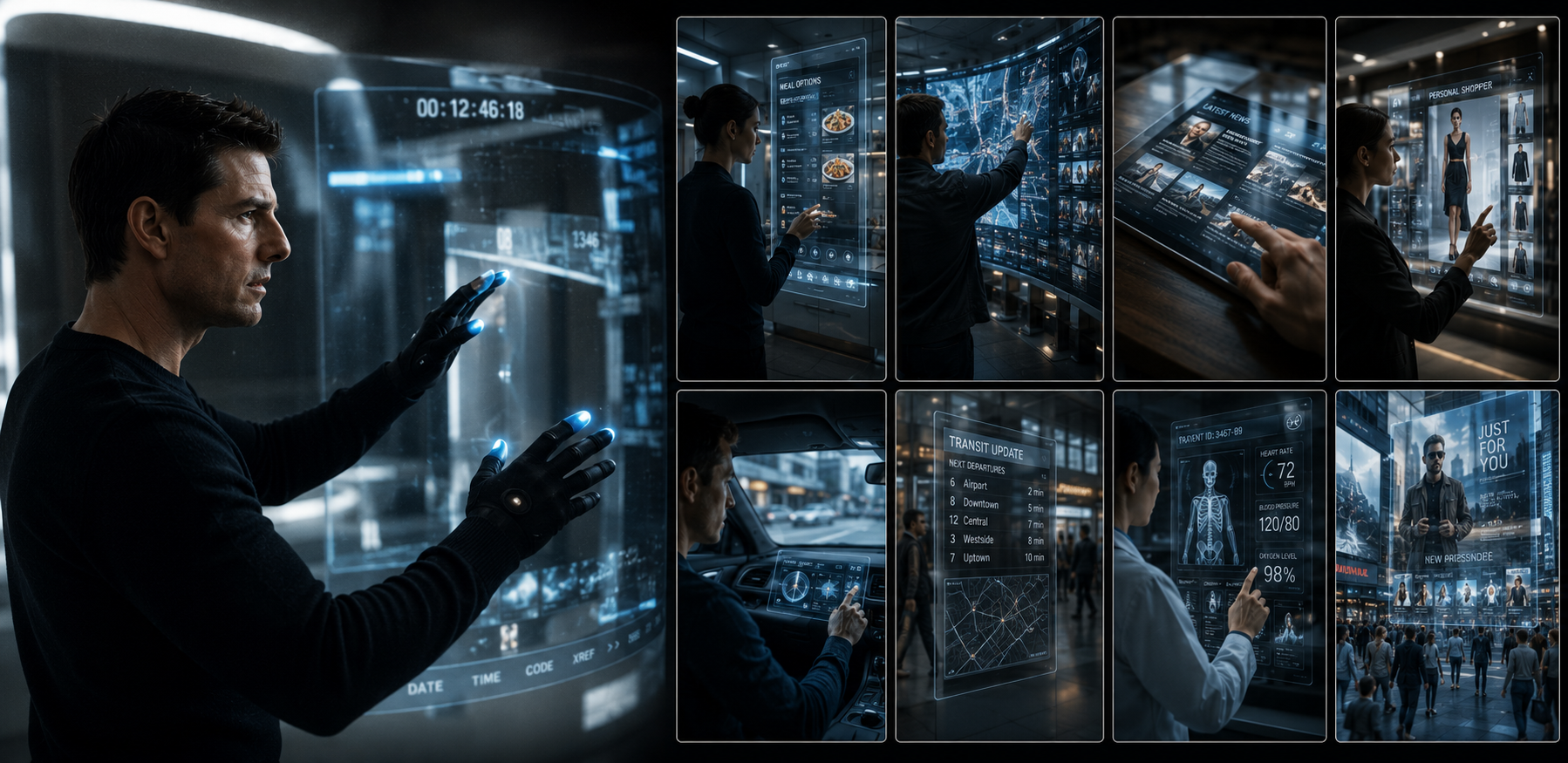
Minority Report's Prescient Touchscreen Reality
In 2002, Hollywood imagined a future of seamless touchscreen interfaces. Today, Steven Spielberg's vision feels eerily prescient as technology catches up.
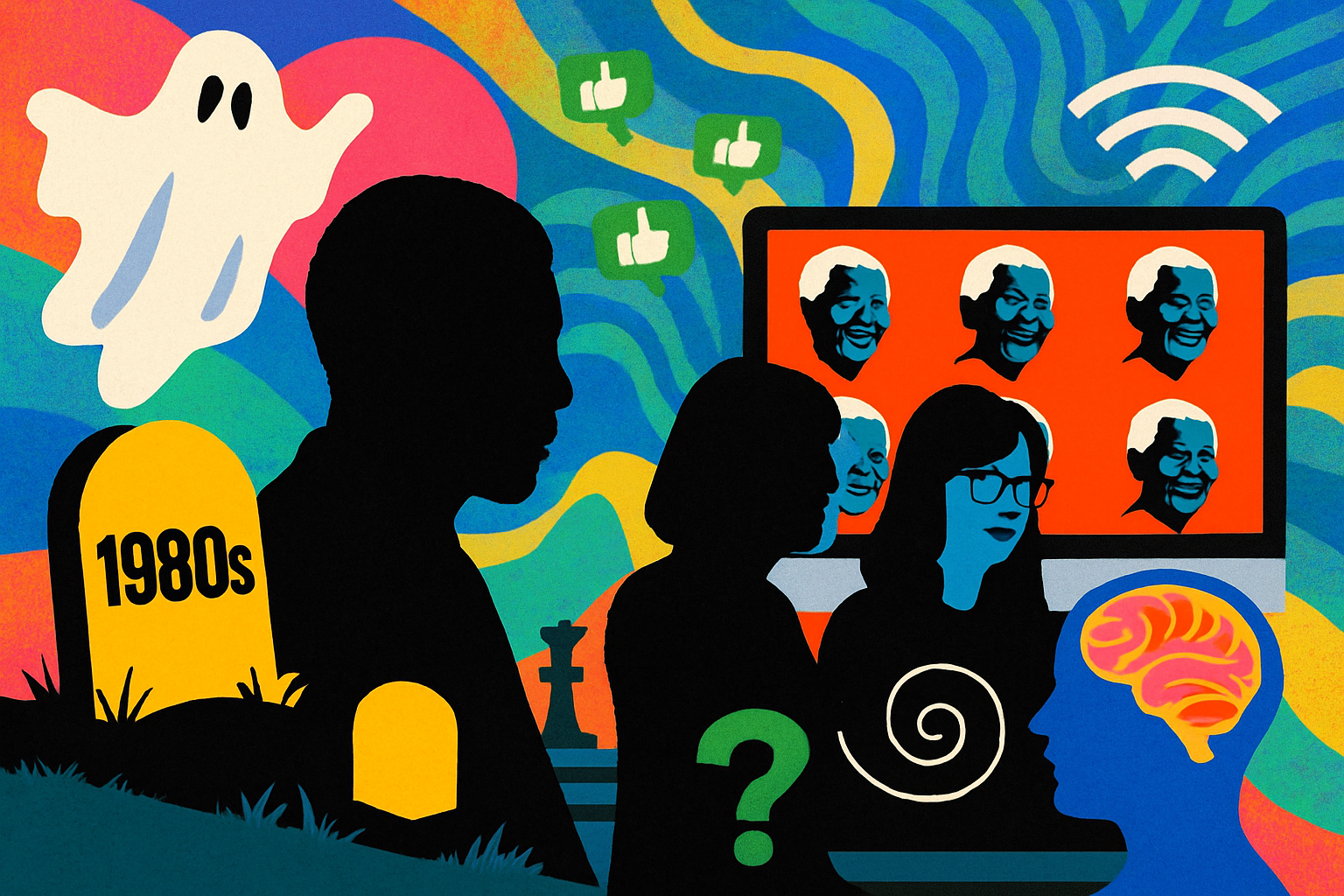
The Mandela Effect’s Mind-Bending Mystique
Millions remember Nelson Mandela dying in the 1980s, yet he passed in 2013. What caused this shared illusion?
Continue the Rabbit Hole
Each story explores the same idea from a different angle. Follow the connections and discover where the thread leads.


Fictional placeholder content