The Day You Missed the Gorilla
"In a famous 1999 experiment, half of the subjects failed to notice a man in a gorilla suit walk through a basketball game. Our attention can betray us."
What Happened?
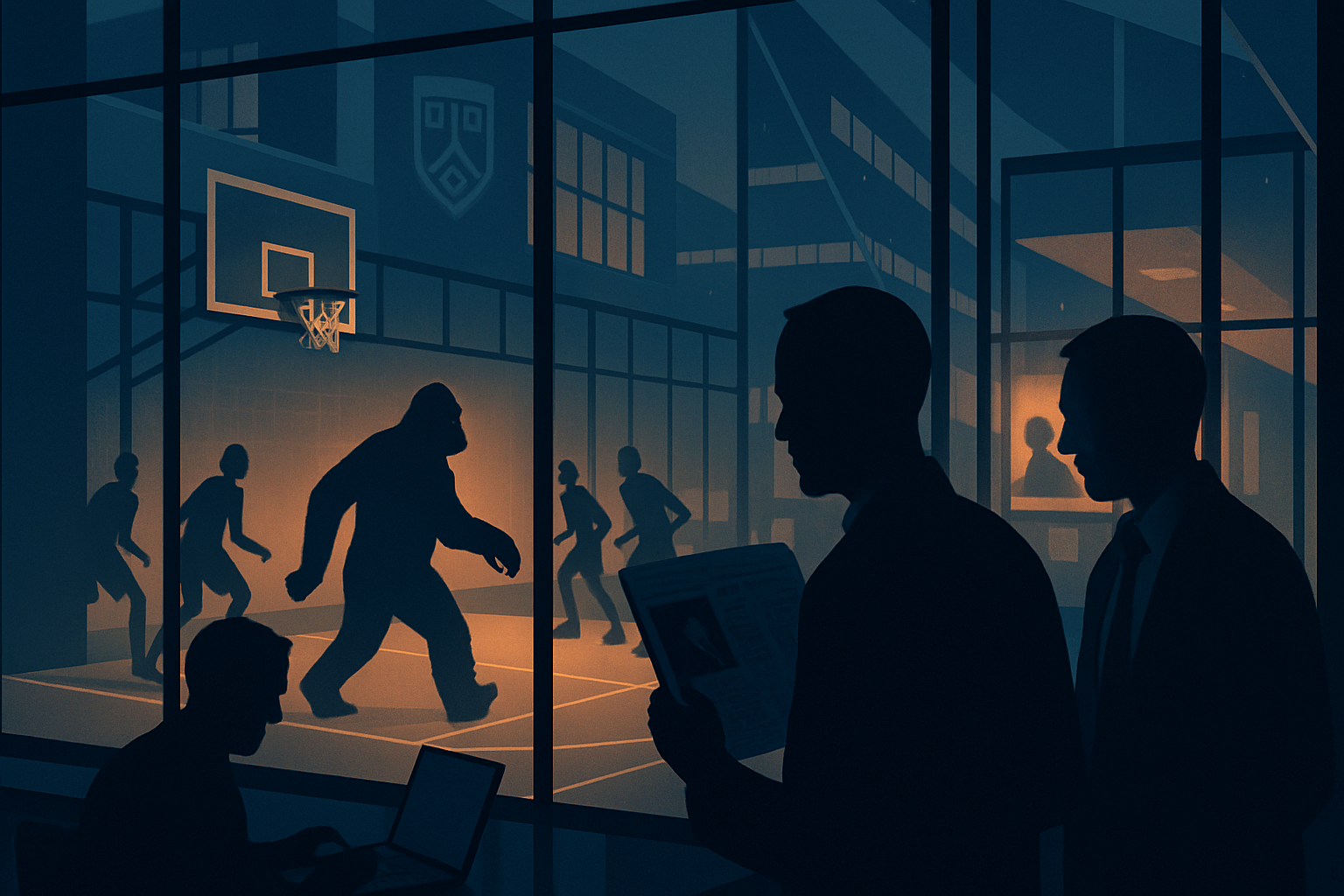
The room was dead silent, aside from the soft whirring of the projector. Faces fixated on the screen, each participant was deeply engrossed in counting basketball passes between players in white shirts. No one noticed the gorilla. A person, clad in a full gorilla suit, strolled nonchalantly through the scene, pausing to beat their chest before exiting. It was only later that the conspiracy of scientific design was revealed—they had been duped by their own minds.
In 1999, at Harvard University, cognitive psychologists Christopher Chabris and Daniel Simons orchestrated this now-famous study. Of the many viewers, half missed what seemed impossible to ignore. The Invisible Gorilla Experiment not only exposed a fascinating cognitive slip but shattered the illusion of our unwavering perception and attention.
Simons and Chabris tapped into what's scientifically termed 'inattentional blindness'—a potent reminder that focusing intensely on one task can render us blind to the unexpected, even when it literally walks through our line of sight. It challenged the idea that attention was all-encompassing, revealing the cognitive blind spots lurking in our assumptions about seeing and noticing. Viewers, tasked with counting passes, believed their focus pristine; they didn’t even realize they’d missed the gorilla until they were asked about it and shown the footage again.
Astonishingly, years later, a 2023 study at NYU revisited the experiment, exploring whether changes in the gorilla’s speed or movement might affect perceptibility. This further tested the bounds of our cognitive limits and attention span. Even with modifications, inattentional blindness persisted, indicating that the overlooked might not always be due to what we see, but rather how we engage with what’s before us.
The inception of this experiment traces back to the influences of Ulric Neisser's work at Cornell during the 1970s, adding another layer to this tapestry of attentional fallibility. The Invisible Gorilla continues to resonate far beyond the borders of psychology. It underscores a universal truth seen in everyday distractions, from missed details in critical projects to oblivious oversight in daily tasks.
What remains remarkable is not just the gorilla itself—but the reflection it forces upon the very nature of our fleeting focus. We learn that sometimes, the things we don't see are what teach us most about how we look at the world.
Takeaway
The lesson this story keeps teaching
“Attention is selective and often dangerously narrow — what are we overlooking every day?”
Why People Are Talking About This
The Invisible Gorilla Experiment mattered because it laid bare our cognitive limitations, highlighting how easily essential details can be overlooked when our focus narrows. This revelation affects countless fields reliant on vigilance — sparking improvements in aviation, medical diagnostics, even cybersecurity, where missing subtle cues can lead to grave consequences.
It also served as a wake-up call, inviting everyone to reconsider the fallibility of perception. In a world drenched in information, the gorilla is symbolic of the blinding effects of selective attention, demanding broader awareness of what escapes our notice in everyday life.
Thread Map
6 entities · 5 connections · Hover to explore, click to inspect
This is the connection map for this thread. Every node is a person, company, event, or idea. The red lines show how they connect. Hover a node to highlight its connections. Click a node to see why it matters to this story.
How We Got Here
Ulric Neisser Introduces Foundational Ideas
Blazed trails at Cornell, sowing the seeds of modern cognitive psychology. The stage was set for a new understanding of human perception and focus.
Invisible Gorilla Experiment is Conducted
At Harvard, Chabris and Simons unveil their inattentional blindness experiment. Participants were unaware they were missing a gorilla right in front of them.
Experiment Gains Media Attention
Coverage of the experiment grows, sparking public intrigue and questioning the reliability of perceived reality.
'The Invisible Gorilla' Book is Published
Chabris and Simons publish a book elaborating on cognitive traps, broadening the narrative beyond the initial experiment.
NYU Revisits the Invisible Gorilla
A NYU study reevaluates inattentional blindness, exploring the contexts affecting our perception of the gorilla's presence.
Exploring the Implications in Diverse Fields
The insights from the Invisible Gorilla Experiment impact industries like healthcare, aviation, and even cybersecurity.
Impact on Public Perception
The phenomenon remains relevant, challenging public assumptions about seeing and understanding reality in complex environments.
Wait... Who Is This?
Christopher Chabris and Daniel Simons set the stage at Harvard in 1999, shedding light on what we perceive as reality — or rather, what remains mysteriously hidden. Inspired by Ulric Neisser, whose studies ambiguously traced around the edges of our understanding, they ventured boldly into the realm of cognitive science. Everyday people, drawn into a game of perception, could hardly anticipate the nascent challenge awaiting their beliefs.
In the ebbing years of the 20th century, academia thirsted for insight, embarking on grand quests for knowledge. Cognitive psychology rose to tantalizing prominence, sculpting narratives governing the mind. But how trustworthy were our senses? This question floated among the Harvard intellectual elite, whispering, a reminder: what is obvious to us? Chabris and Simons orchestrated their groundbreaking journey by questioning assumptions of focus and perception. In recounting a simple narrative of missed gorillas, they pierced the veil of presumed clarity. The puzzle wasn't just for scientists to collect data, but also for society to contemplate foundational ideas about observation and attention.
Receipts
The Invisible Gorilla | Springer Nature Link
The Impact of the Invisible Gorilla Experiment Explained - Achology
The Invisible Gorilla: How Our Intuitions Deceive Us: Chabris, Christopher, Simons, Daniel: 9780307459664: Amazon.com: Books
Are We Truly “Inattentionally Blind”? New Study Revisits “Invisible Gorilla” Experiment for New Insights
The Invisible Gorilla - Wikipedia
Same Pattern
Different story. Same lesson.
The Lab That Invented Tomorrow
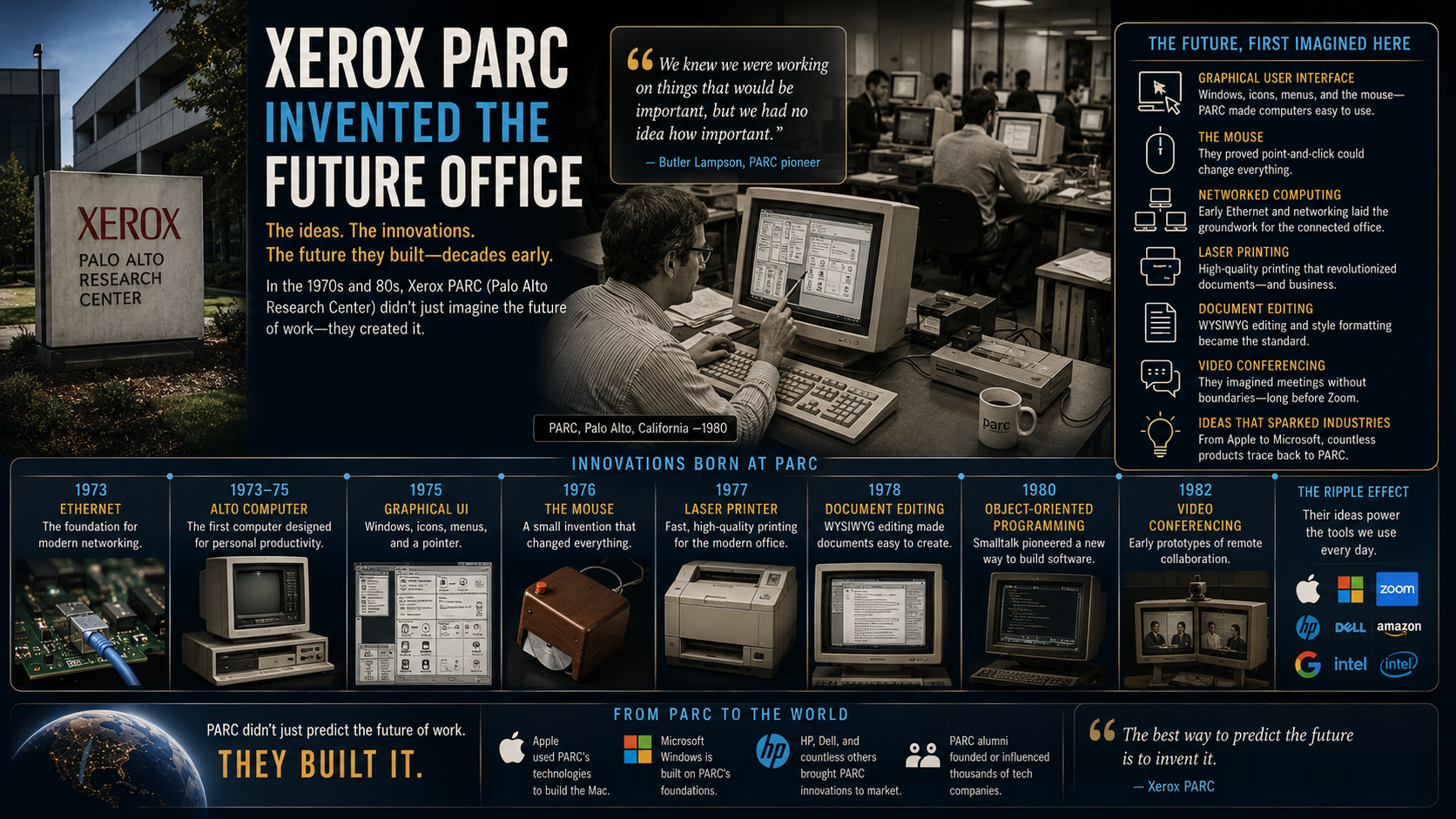
In December 1979, Steve Jobs saw echoes of the future inside Xerox PARC's halls. There, in a secluded lab, lay the blueprint for the modern tech landscape.
The Browser War That Built the Internet
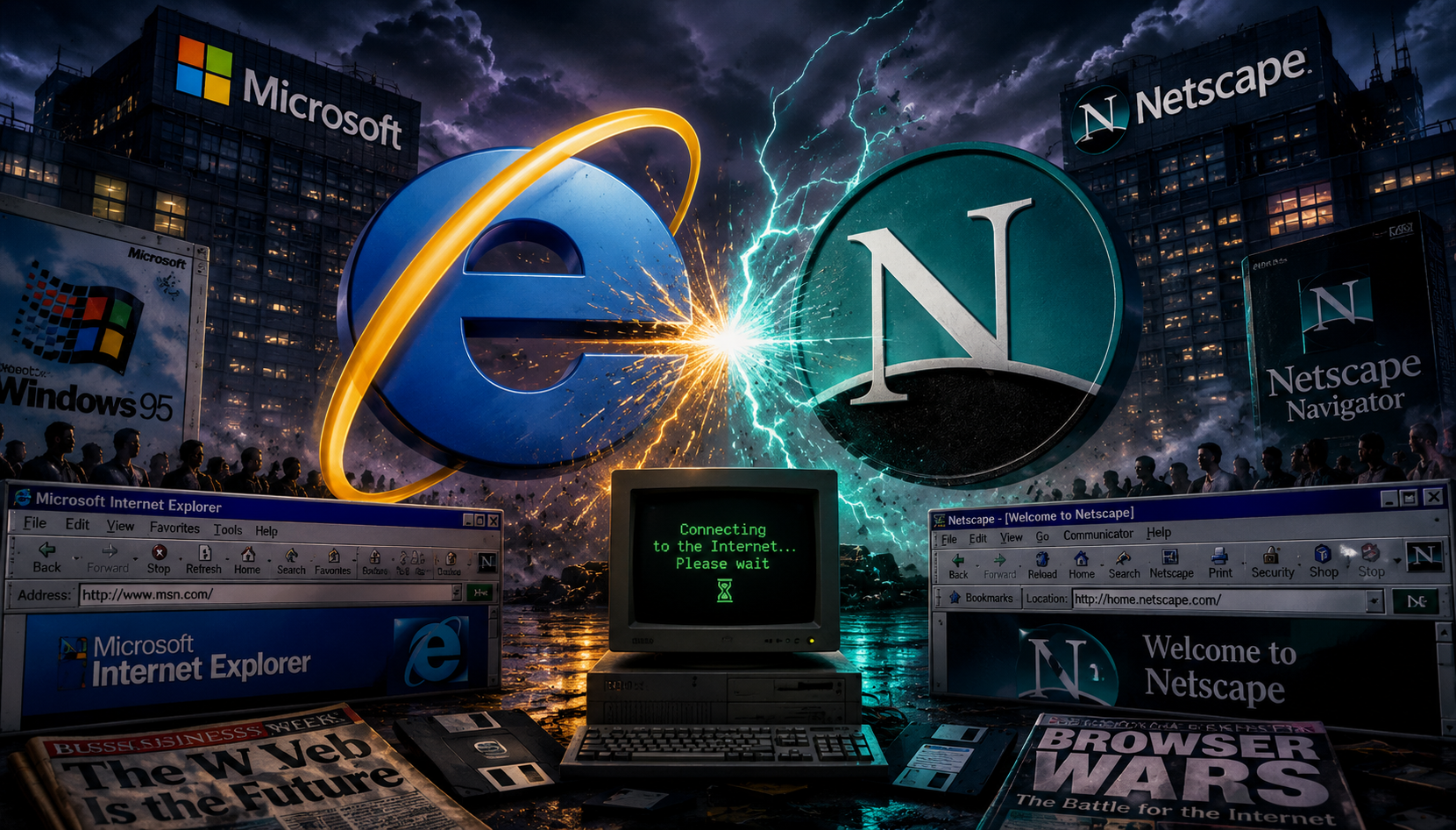
In the mid-1990s, a software battle erupted that would shape how billions accessed information. Few could predict that the victor would soon face its own downfall.

The Chicken That Changed Retail
Costco's $4.99 rotisserie chicken isn't just a meal — it's a strategic masterpiece. The unexpected ripple effects changed retail forever.

The Wii Gamble That Saved Nintendo
In a world obsessed with graphics and power, Nintendo bet on simplicity. The Wii was laughed at — until it wasn't.

Pixar's Radical Feedback Loop
In a stark, unadorned room, some of the most powerful voices in animation face off with ruthless honesty. Their weapons? Brutal feedback that molds raw ideas into cinematic gold.
The Puzzle that Conquered the World
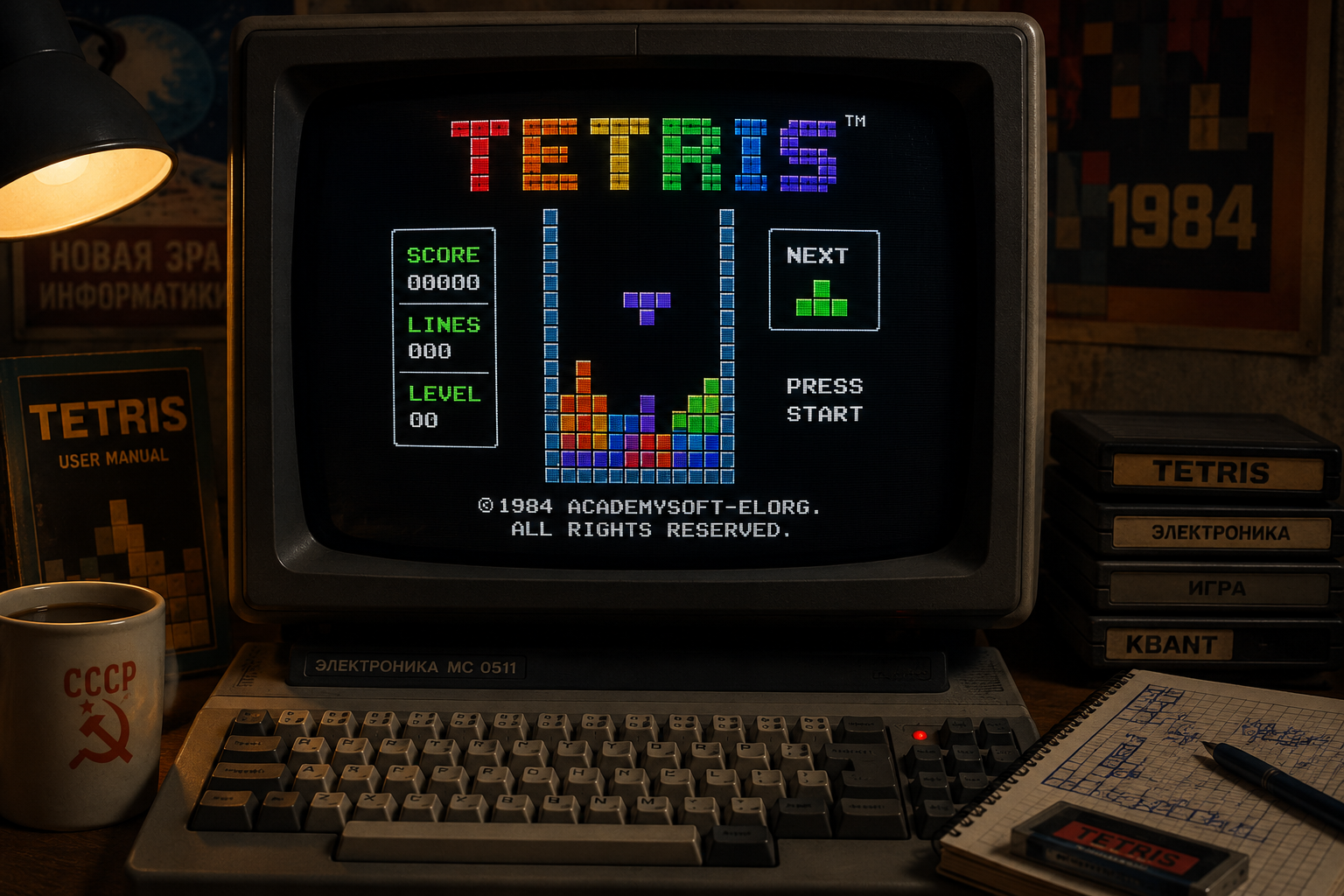
A Soviet engineer at his desk, unknowingly poised to create a legend. His creation? Tetris — a game that would break barriers and forever alter the gaming landscape.
Continue the Rabbit Hole
Each story explores the same idea from a different angle. Follow the connections and discover where the thread leads.

Fictional placeholder content