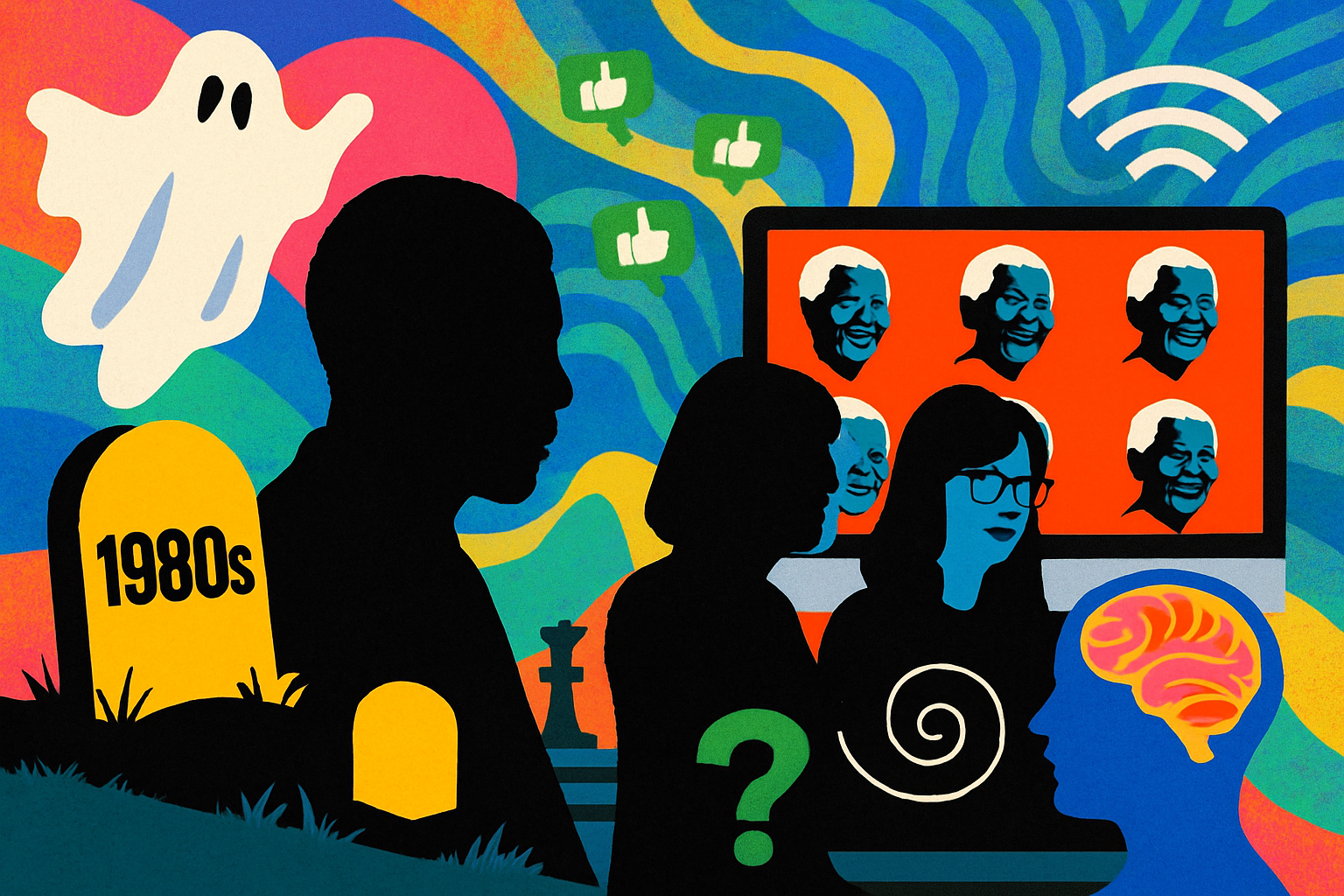
The Mandela Effect’s Mind-Bending Mystique
"Millions remember Nelson Mandela dying in the 1980s, yet he passed in 2013. What caused this shared illusion?"
What Happened?
Picture this: a bustling dinner party where guests animatedly discuss the life of Nelson Mandela. “Remember when Mandela died back in the '80s?” one guest says, eliciting nods of agreement. It's an easy camaraderie until someone, equipped with facts, interrupts – Mandela actually passed away in 2013. What's happening here shatters the room's shared memory and ushers us into the curious world of the Mandela Effect.
In 2009, Fiona Broome labeled this phenomenon, sparked by the widespread yet false belief of Mandela's death in prison during the 1980s. Her revelation wasn't an isolated case; numerous people shared this vivid but incorrect memory. It was as if they’d all watched the same non-existent news broadcast. The term ignited interest and spread like wildfire, finding fertile ground in the rapidly growing fields of internet discussion and psychological research.
The Mandela Effect is not just about remembering historical events differently; it's a global glitch, a peek into our cognitive vulnerabilities. Consider the iconic children's book series 'Berenstain Bears.' A significant number of people swear it was 'Berenstein Bears.' Or the line
Takeaway
The lesson this story keeps teaching
“The Mandela Effect shows how easily collective memories can diverge from reality, driven by shared experiences and suggestibility.”
Why People Are Talking About This
The Mandela Effect is a clear signal that what we remember isn't as unshakeable as we think. It's a testament to the power of shared narratives shaping perceived realities.
As digital realms grow in importance, recognizing these cognitive fallacies becomes crucial. Society's collective memory, shaped by media and cultural exchanges, can redefine truth itself—sometimes for better, often for worse.
Thread Map
9 entities · 8 connections · Hover to explore, click to inspect
This is the connection map for this thread. Every node is a person, company, event, or idea. The red lines show how they connect. Hover a node to highlight its connections. Click a node to see why it matters to this story.
How We Got Here
The Mandela Effect Is Born
Fiona Broome coined the term 'Mandela Effect' at a conference while discussing shared false memories of Nelson Mandela's death in the 1980s. This naming initiated a worldwide discussion on collective memory failures.
Mandela Effect Gains Popularity
Shortly after Broome introduced the Mandela Effect, it became a topic of interest among both internet communities and scientific circles, drawing attention to how easily collective memories can be distorted.
Nelson Mandela Passes Away
Nelson Mandela passed away peacefully in 2013. His actual death served as a stark contrast to a lingering false memory of his death in the 1980s, highlighting the Mandela Effect to a wider audience.
False Memory Phenomena Explored
By 2015, researchers had begun diving deeper into the psychology of false memories, using the Mandela Effect as a prime example to understand how the brain constructs reality.
Online Videos Populate Theories
YouTube videos and online posts concerning the Mandela Effect proliferated, with creators investigating supposed 'glitches' in the perceived reality matrix, reaching millions with theories.
Cognitive Science Publishes Findings
Leading scientific journals published articles on the cognitive underpinnings of the Mandela Effect, emphasizing the role of societal influences in shaping shared false memories.
Continued Media Coverage
By 2022, major media outlets were still featuring the Mandela Effect, citing fresh examples and drawing connections to modern-day collective memory phenomena.
Psychological Analysis Continued
In 2023, studies continued to probe the underlying psychological mechanisms, exploring how collective misconceptions could alter future narrative understandings.
Wait... Who Is This?
In 2009, the notion of the Mandela Effect silently crept into public consciousness. At a seemingly routine conference, attendees found themselves in a bewildering predicament. Many were convinced they had heard of Nelson Mandela's death in the 1980s. Yet, the news of his actual passing would only come in 2013, like a cosmic joke at memory’s expense.
Fiona Broome, a rising figure within the paranormal research community, entertained possibilities—did history have pockets unknown to logic? Thus, a small conversation morphed into a worldwide sensation. The phenomenon quickly became known for a growing catalog of 'mis-remembered' events that left logic questioned about its own premises.
Soon, the internet swarmed with curious netizens stitching together a narrative rooted in collective false memory. There were other examples, like the 'Berenstain Bears' thought to be the 'Berenstein Bears' or the Monopoly Man’s alleged monocle. But little did most know that these minor discrepancies revealed a fundamental truth about how memory works in sync with imagination.
It wasn’t just about entertainment; it was about confronting a deep flaw in human cognition—our memories are malleable, susceptible to change over time and unfamiliar suggestions. This lingering realization drives the intrigue for what we consider an acceptable truth.
Receipts
Mandela effect | Communication and Mass Media | Research Starters
What Is the Mandela Effect? - Verywell Mind
What Is the Mandela Effect? Examples and Explanations
The Mandela Effect: Why do so many people have the same false ...
The Psychology Behind the Mandela Effect
Same Pattern
Different story. Same lesson.
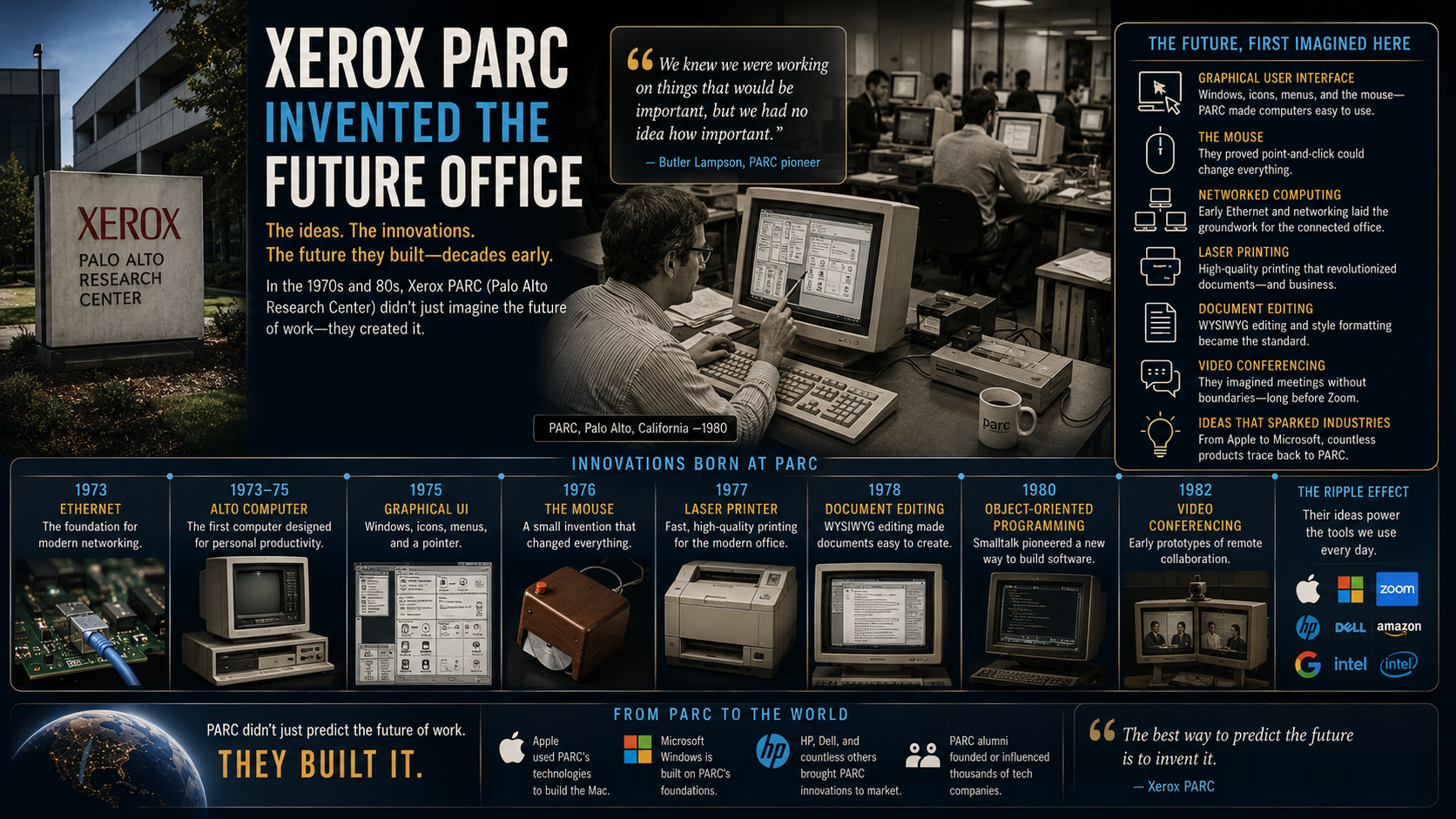
The Lab That Invented Tomorrow
In December 1979, Steve Jobs saw echoes of the future inside Xerox PARC's halls. There, in a secluded lab, lay the blueprint for the modern tech landscape.
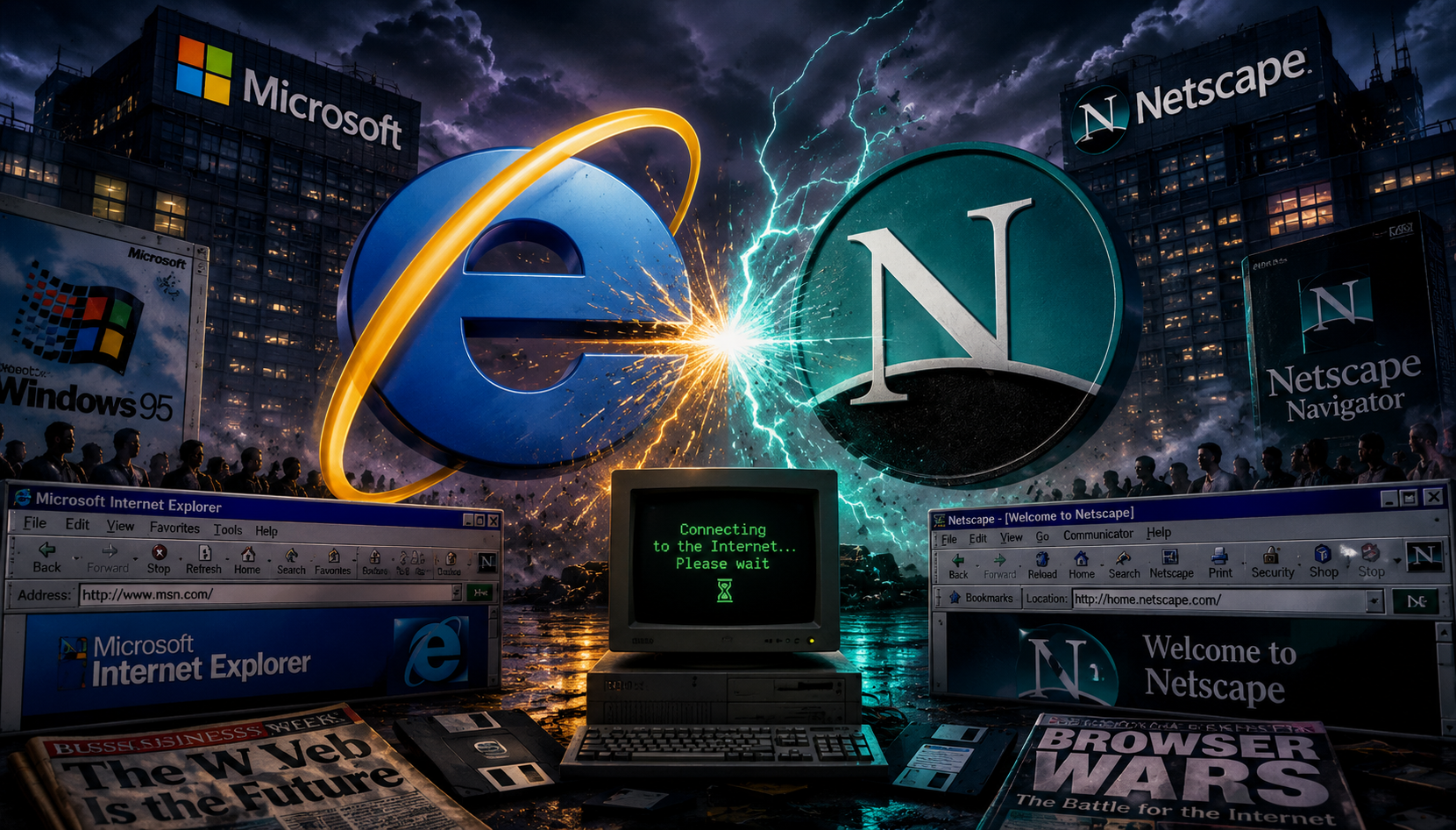
The Browser War That Built the Internet
In the mid-1990s, a software battle erupted that would shape how billions accessed information. Few could predict that the victor would soon face its own downfall.
Pixar's Radical Feedback Loop
In a stark, unadorned room, some of the most powerful voices in animation face off with ruthless honesty. Their weapons? Brutal feedback that molds raw ideas into cinematic gold.

The Chicken That Changed Retail
Costco's $4.99 rotisserie chicken isn't just a meal — it's a strategic masterpiece. The unexpected ripple effects changed retail forever.
Minority Report's Prescient Touchscreen Reality
In 2002, Hollywood imagined a future of seamless touchscreen interfaces. Today, Steven Spielberg's vision feels eerily prescient as technology catches up.
Cracking the Cicada Code
In 2012, an enigmatic online puzzle appeared that promised enlightenment. But who was behind Cicada 3301?
Continue the Rabbit Hole
Each story explores the same idea from a different angle. Follow the connections and discover where the thread leads.

Fictional placeholder content