
The Viral Audio that Divided the Internet
"In May 2018, an audio clip shattered the internet's collective consciousness by dividing listeners into two camps: 'Laurel' or 'Yanny'. The divide went deeper than just sound—it exposed the auditory biases lurking in all of us."
What Happened?
It was the audio clip that fractured listeners worldwide into two camps. Did the voice declare "Yanny" or "Laurel"? On one side, a deep male voice saying "Laurel" seemed undeniable to some. To others, "Yanny" echoed clearly in the high frequencies. The original clip, stumbled upon by teenagers and shared fervently on Reddit in May 2018, originated from a vocabulary.com page meant to teach the pronunciation of "Laurel". Yet, its sound spectrum contained hidden layers.
The viral sensation thrust Cloe Feldman, a social media influencer who amplified its reach, into the spotlight. It wasn't mere curiosity; it was a probing exploration of auditory perception. According to the Max Planck Institute’s Hans Rutger Bosker, the phenomenon lies in acoustic frequencies—lower ones tune listeners to "Laurel," while higher frequencies sway them towards "Yanny".
To complicate matters further, auditory perception ties to how our brains fill gaps based on past experiences. Where one ear hears a melody, another discerns a humdrum rhythm. The New York Times even devised a tool for users to explore these auditory layers themselves, proving that perception is malleable, depending on what we expect and what we've trained ourselves to hear.
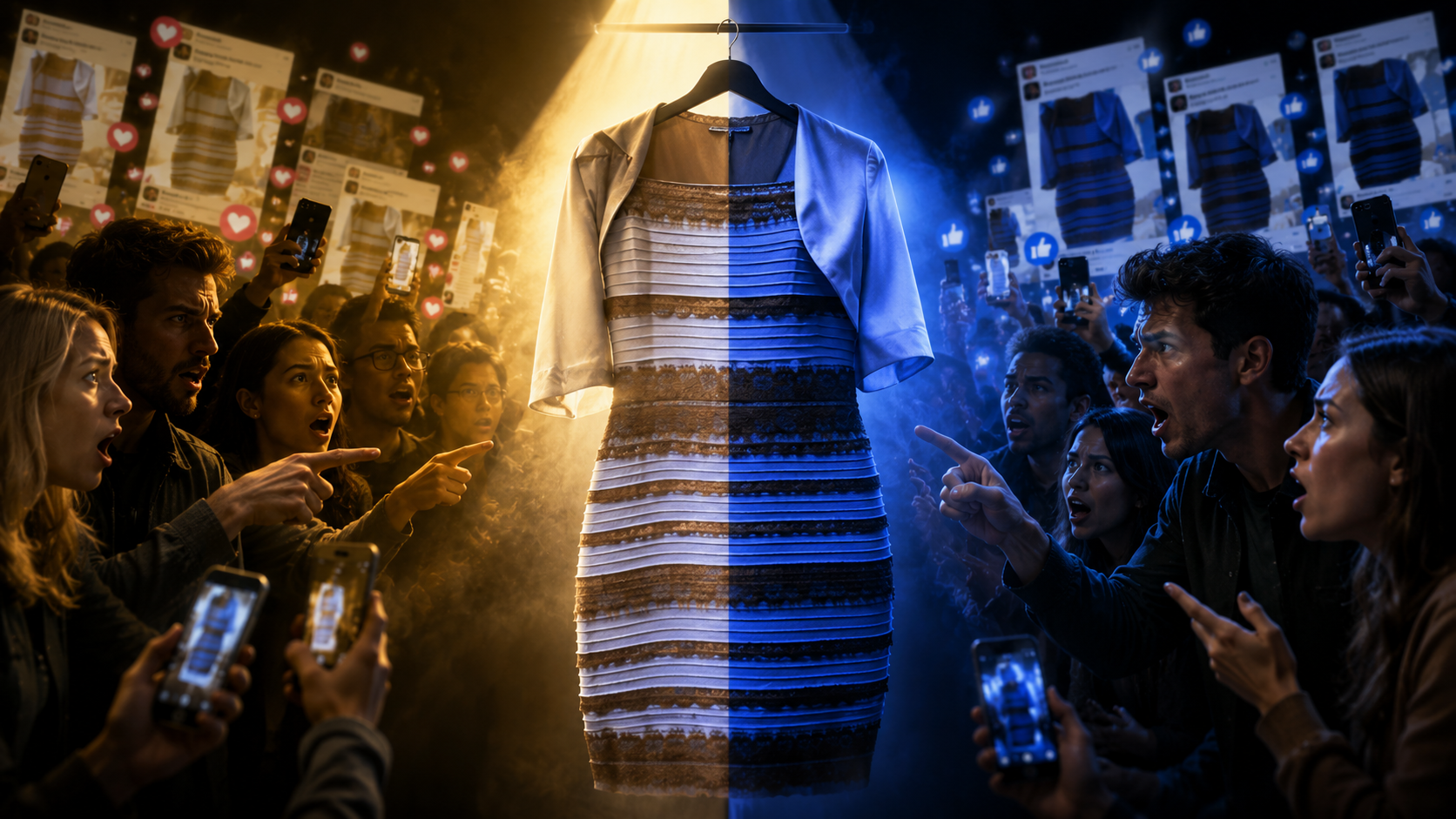
In a blink, the auditory illusion echoed across the globe, reminiscent of the 2015 "dress" debate. But beneath the viral humor lies a deep-seated lesson about human perception—a reminder that our reality, though seemingly unified, is often fragmented by the frequencies we tune into. As the poll revealed, with nearly 500,000 votes cast, both "Yanny" and "Laurel" have a voice.
Takeaway
The lesson this story keeps teaching
“This story shows how perception can become shared reality, disrupting consensus as powerful as fact, exposing the variability of human experience.”
Why People Are Talking About This
This auditory phenomenon revealed more about human perception than expected. It underscored how easily reality can differ between individuals depending on the lenses, or in this case, ears we use. The rapid proliferation of the debate across digital platforms showcased the power and speed of social media in shaping public discourse.
In the larger context, 'Laurel vs. Yanny' serves as a case study on how technology can draw out and amplify the inherent biases in perception and interpretation, posing deeper questions about how we assimilate information in the digital age.
Thread Map
9 entities · 8 connections · Hover to explore, click to inspect
This is the connection map for this thread. Every node is a person, company, event, or idea. The red lines show how they connect. Hover a node to highlight its connections. Click a node to see why it matters to this story.
How We Got Here
An Audio Clip Ignites the Internet
What began as a simple vocabulary tool erupted into an audio sensation online, polarizing listeners around the world.
Cloe Feldman Shares the Clip
Influencer Cloe Feldman uploads the clip, lighting the match for its viral spread as debates about what people hear ensue.
Scientists Weigh In
Experts like Hans Rutger Bosker analyze why the same clip can be heard so differently, citing frequency variation as a key factor.
NIH Examines Perceptual Differences
The NIH investigates, noting that 'Yanny' typically resonates at higher frequencies, while 'Laurel' is lower, affecting listener perception.
NYT Offers a Frequency Slider Tool
The New York Times releases a tool, allowing users to manipulate the sound's frequencies to experience both sides of the debate.
Social Media Erupts
Platforms buzz as millions engage with the debate, demonstrating the power of digital media in shaping public consciousness.
Media Channels Join In
Television and radio segments proliferate, each offering scientific and pop-cultural interpretations of the auditory illusion.
The Debate Fades but Its Lessons Persist
While the virality of the clip quietens, discussions on perception and media's role in spreading ideas continue.
Wait... Who Is This?
The world didn't see it coming. May 2018 was just another month until an audio clip changed everything. Originating from a rather mundane necessity—a vocabulary exercise to aid language learners—the clip was soon spiraled into the internet limelight by none other than Cloe Feldman. A noted social media influencer, Feldman's deft grasp on viral content propelled the recording from obscurity to worldwide fixation; every click, every share magnified an auditory anomaly that asked a single question: 'Laurel or Yanny?' The confusion created by a mere difference in hearing turned into an emblem of the digital age, echoing through smartphones, social feeds, and dinner table conversations.
Civil debates evolved into heated arguments. Families were divided; alliances were formed. What was it about this set of sounds that struck such a chord? It was a challenge not of right versus wrong, but of perception versus perception—a reflection of the world we live in.
Receipts
Same Pattern
Different story. Same lesson.

The Lab That Invented Tomorrow
In December 1979, Steve Jobs saw echoes of the future inside Xerox PARC's halls. There, in a secluded lab, lay the blueprint for the modern tech landscape.

The Browser War That Built the Internet
In the mid-1990s, a software battle erupted that would shape how billions accessed information. Few could predict that the victor would soon face its own downfall.

The Chicken That Changed Retail
Costco's $4.99 rotisserie chicken isn't just a meal — it's a strategic masterpiece. The unexpected ripple effects changed retail forever.

The Wii Gamble That Saved Nintendo
In a world obsessed with graphics and power, Nintendo bet on simplicity. The Wii was laughed at — until it wasn't.

Pixar's Radical Feedback Loop
In a stark, unadorned room, some of the most powerful voices in animation face off with ruthless honesty. Their weapons? Brutal feedback that molds raw ideas into cinematic gold.
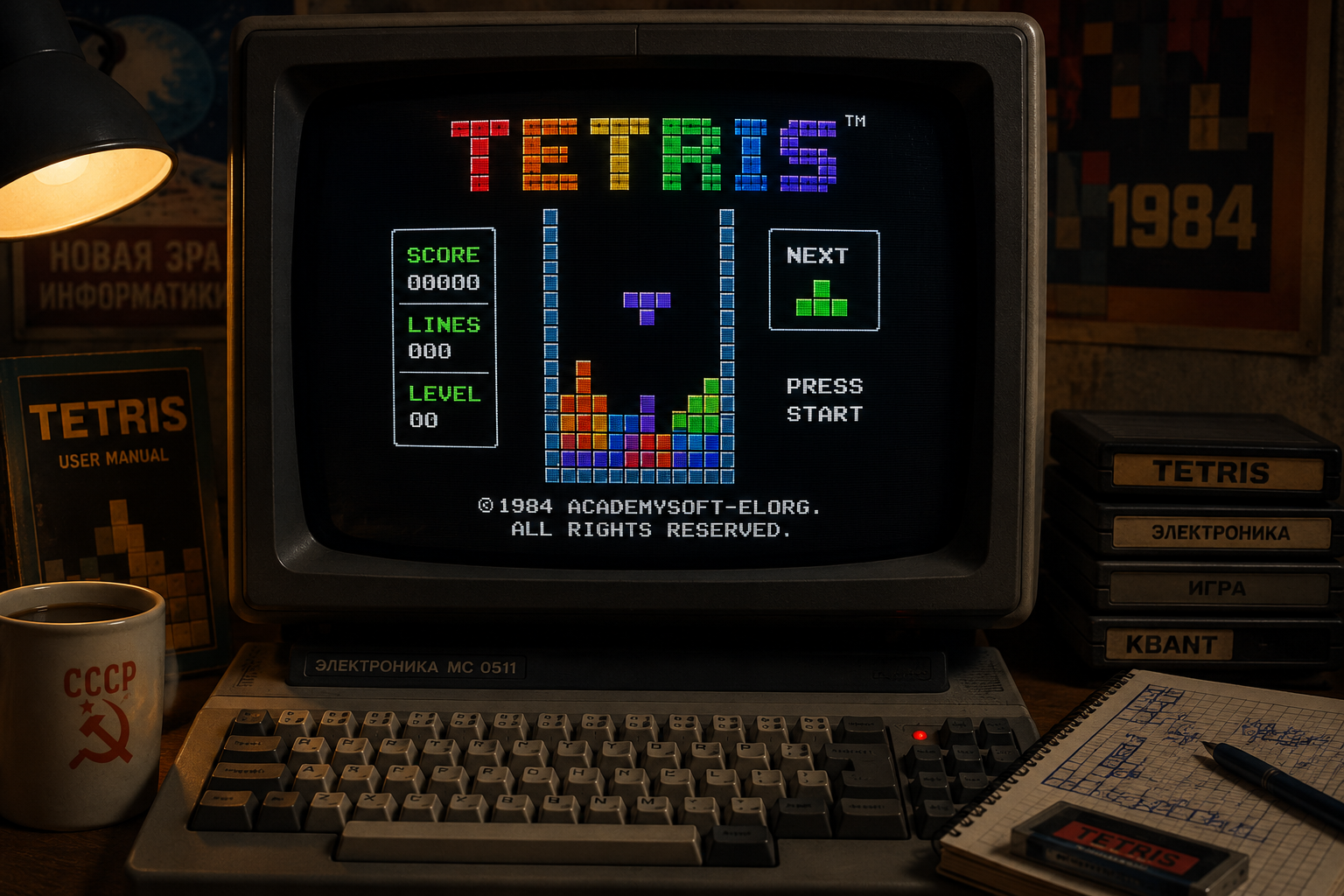
The Puzzle that Conquered the World
A Soviet engineer at his desk, unknowingly poised to create a legend. His creation? Tetris — a game that would break barriers and forever alter the gaming landscape.
Continue the Rabbit Hole
Each story explores the same idea from a different angle. Follow the connections and discover where the thread leads.



Fictional placeholder content