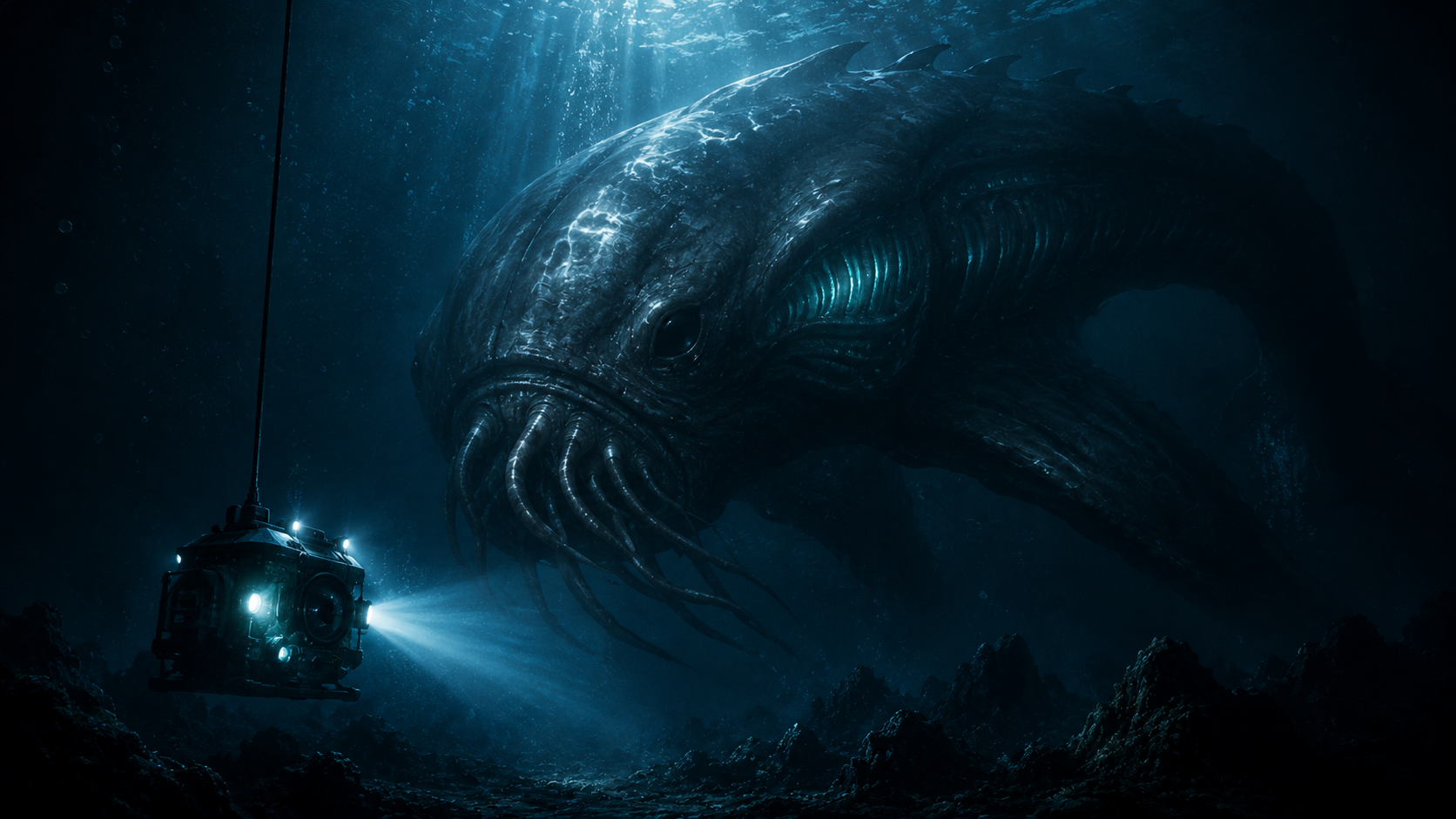
The Bloop: Unraveling the Deep-Blue Enigma
"In 1997, the oceans spoke with a sound no one expected — a deep, resonant 'Bloop' that puzzled scientists for years. What seemed like the first sign of a giant sea creature eventually led to a revelation buried in ice."
What Happened?
In 1997, an extraordinary acoustic phenomenon echoed from the depths of the Pacific Ocean—a sound so loud and enigmatic it was dubbed 'The Bloop'. Scientists and conspiracy theorists alike jumped to speculate wildly, imagining colossal sea creatures or secret underwater structures. The sound captured the imagination of many, turning into a contemporary legend even as scientists began to doubt extraordinary explanations. By 2012, researchers pinned down the Bloop's origin to something far more ordinary: the breaking up of Antarctic ice. Yet, despite its mundane reality, 'The Bloop' remains a testament to our fascination with the mysterious and our readiness to weave myths around the unexplained.
Takeaway
The lesson this story keeps teaching
“Humanity's need for mystery often fuels myths when reality seems too mundane.”
Why People Are Talking About This
The Bloop's story resonates beyond mere acoustic intrigue—it underscores the relentless pull of the unknown in shaping human psyche and narratives. In an epoch defined by information accessibility, it exemplifies our weakness for sensational over simple explanations.
At its core lies a cultural commentary on myth-making—a dynamic where partial truths meld with imaginings, encapsulating society’s processing of unresolved phenomena. These tales, consciously embraced, serve not only as entertainment but as a societal pulse check—measuring both the depths of our curiosity and the limits of our understanding. The Bloop gently cautions against myth's alluring embrace when evidence stagnates, highlighting the need for discernment amidst enigma.
Thread Map
4 entities · 3 connections · Hover to explore, click to inspect
This is the connection map for this thread. Every node is a person, company, event, or idea. The red lines show how they connect. Hover a node to highlight its connections. Click a node to see why it matters to this story.
How We Got Here
NOAA Records Mysterious Sound — The Bloop Echoes
In August 1997, NOAA detects an unprecedented underwater sound using its hydrophones: the Bloop. Resonating louder than anything recorded before, it sets the scientific community alight with speculation and curiosity.
Initial Theories Grow Wild — Sea Monsters or Something More?
Speculations and theories begin to swirl within the scientific and public spheres. Many believe the Bloop is evidence of giant, undiscovered sea creatures inhabiting the deeps, adding an element of myth to scientific dialogue.
Media Brings the Bloop to Cultural Forefront
Media outlets and documentaries pick up the Bloop story, fueling public imagination and driving increasingly sensationalist depictions of the sound’s origins. Speculation is rampant and unchecked.
Scientists Uncover Bloop's Source as Ice Calving
NOAA scientists conclusively determine that the Bloop's origins lie in the process of ice calving and underwater ice formations. The sound’s mystery collapses into the mundane as scientific clarity overtakes myth.
Documentary Reveals the Fascination with the Bloop
Cara Cusumano releases a short film investigating the cultural and scientific impact of the Bloop. This documentary captures the continuing allure of the sound despite its demystification.
Bloop Becomes Symbol for Myth Versus Reality
As stories circulate, the Bloop is seen as emblematic of human nature’s tendency to embrace fantastical explanations for the unexplained, a testament to our imaginations before science steps in.
NOAA Continues Ocean Acoustic Monitoring
In the wake of the Bloop's story, NOAA maintains its vigilant acoustic monitoring for new oceanic phenomena, banking on past lessons learned from the Bloop's mythic journey to scientific fact.
Bloop Enters Popular Culture as Modern Folklore
The Bloop, now a solved scientific mystery, migrates into pop culture cannon as an example of 21st-century folklore, proving the lasting power of storytelling even when facts settle in.
Wait... Who Is This?
The vastness of Earth's oceans sparks profound curiosity—regions untouched and largely unknown. By the late 20th century, this mystery began unraveling thanks to technological strides. The advent of advanced hydrophones unveiled soundscapes previously hidden from human ear. The National Oceanic and Atmospheric Administration (NOAA) led this charge, thrust into the limelight by Dr. Christopher Fox, a figure combining methodical inquiry with innovative zeal.
This era, marked by exploration, set the context for the Bloop. Vast oceanic expanses morphed into playgrounds for theorists and scientists alike, each vying to uncover aquatic phenomena's truth and myths. Sound barriers were metaphorically breached, offering a melodic glimpse into the quiet orchestras of the seas—a serenade few could have predicted.
When the Bloop erupted, it wasn't just scientists who felt its resonance—it kicked off a frenzy that seeped into popular culture. From the slumbering myths of Leviathans to whispers of Atlantis, humanity’s imaginations brimmed with possibilities. Only years later would rigorous work turn speculations upright, tying the mysterious Bloop to mundane glacial activity. Yet in those initial moments, it exemplified the intrigue of the unexplored sea, maintaining resounding allure.
Receipts
What is the bloop? - NOAA's National Ocean Service
The Loudest Underwater Sound Ever Recorded Has No Scientific ...
The Unsolved Mystery of the Bloop
The Mystery of the Bloop Has Been SOLVED | Alien Ocean
The Bloop: Mysterious Deep Ocean Boom Explained - TikTok
Same Pattern
Different story. Same lesson.

The Chicken That Changed Retail
Costco's $4.99 rotisserie chicken isn't just a meal — it's a strategic masterpiece. The unexpected ripple effects changed retail forever.

The Lab That Invented Tomorrow
In December 1979, Steve Jobs saw echoes of the future inside Xerox PARC's halls. There, in a secluded lab, lay the blueprint for the modern tech landscape.
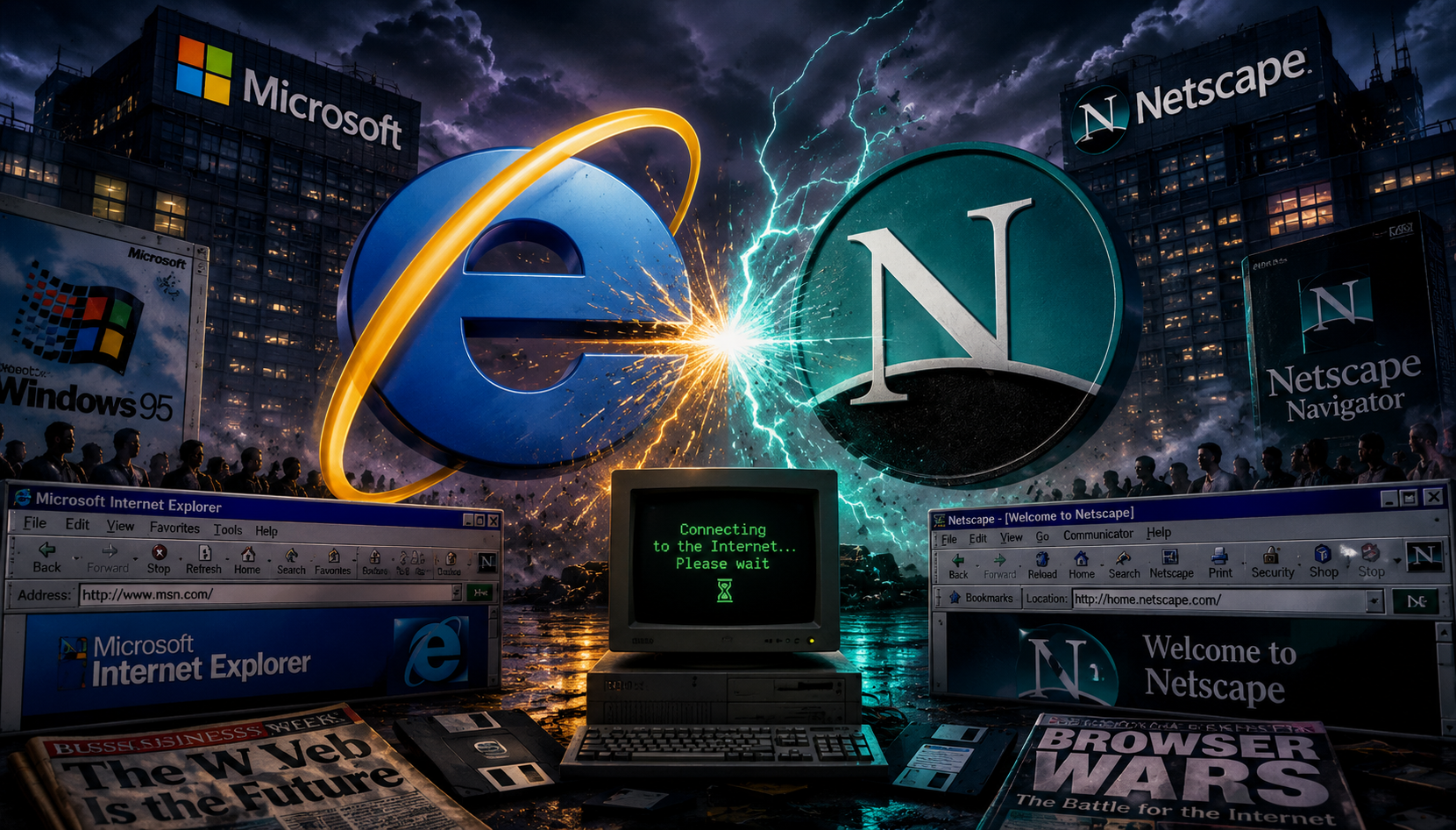
The Browser War That Built the Internet
In the mid-1990s, a software battle erupted that would shape how billions accessed information. Few could predict that the victor would soon face its own downfall.

The Wii Gamble That Saved Nintendo
In a world obsessed with graphics and power, Nintendo bet on simplicity. The Wii was laughed at — until it wasn't.

Pixar's Radical Feedback Loop
In a stark, unadorned room, some of the most powerful voices in animation face off with ruthless honesty. Their weapons? Brutal feedback that molds raw ideas into cinematic gold.
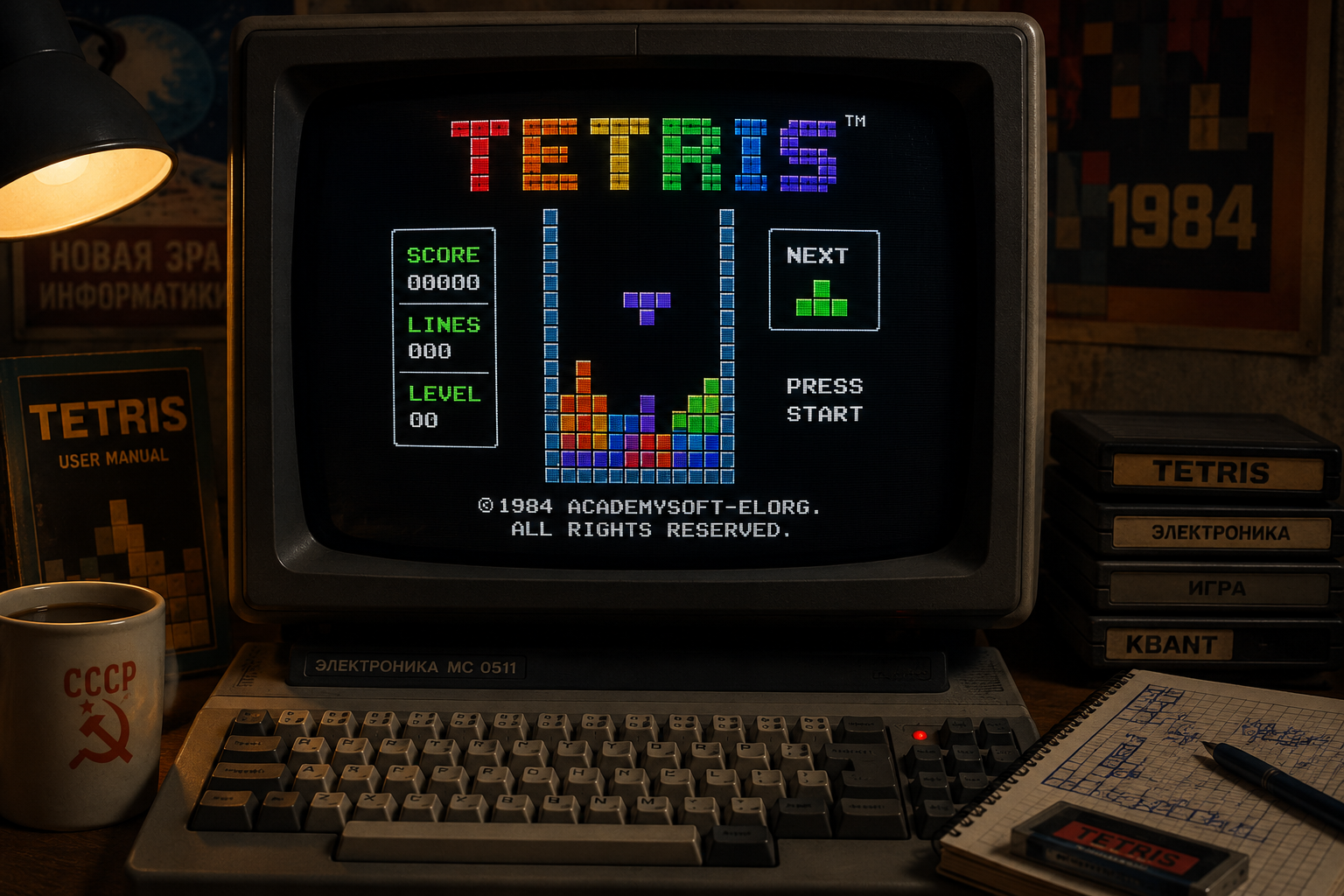
The Puzzle that Conquered the World
A Soviet engineer at his desk, unknowingly poised to create a legend. His creation? Tetris — a game that would break barriers and forever alter the gaming landscape.
Continue the Rabbit Hole
Each story explores the same idea from a different angle. Follow the connections and discover where the thread leads.




Fictional placeholder content