Cracking The Enigma: The Voynich Manuscript
"In 1912, a Polish revolutionary stumbled upon a manuscript that defied explanation. Radiocarbon dating places it in the 15th century, but its contents remain an unbreakable code."
What Happened?
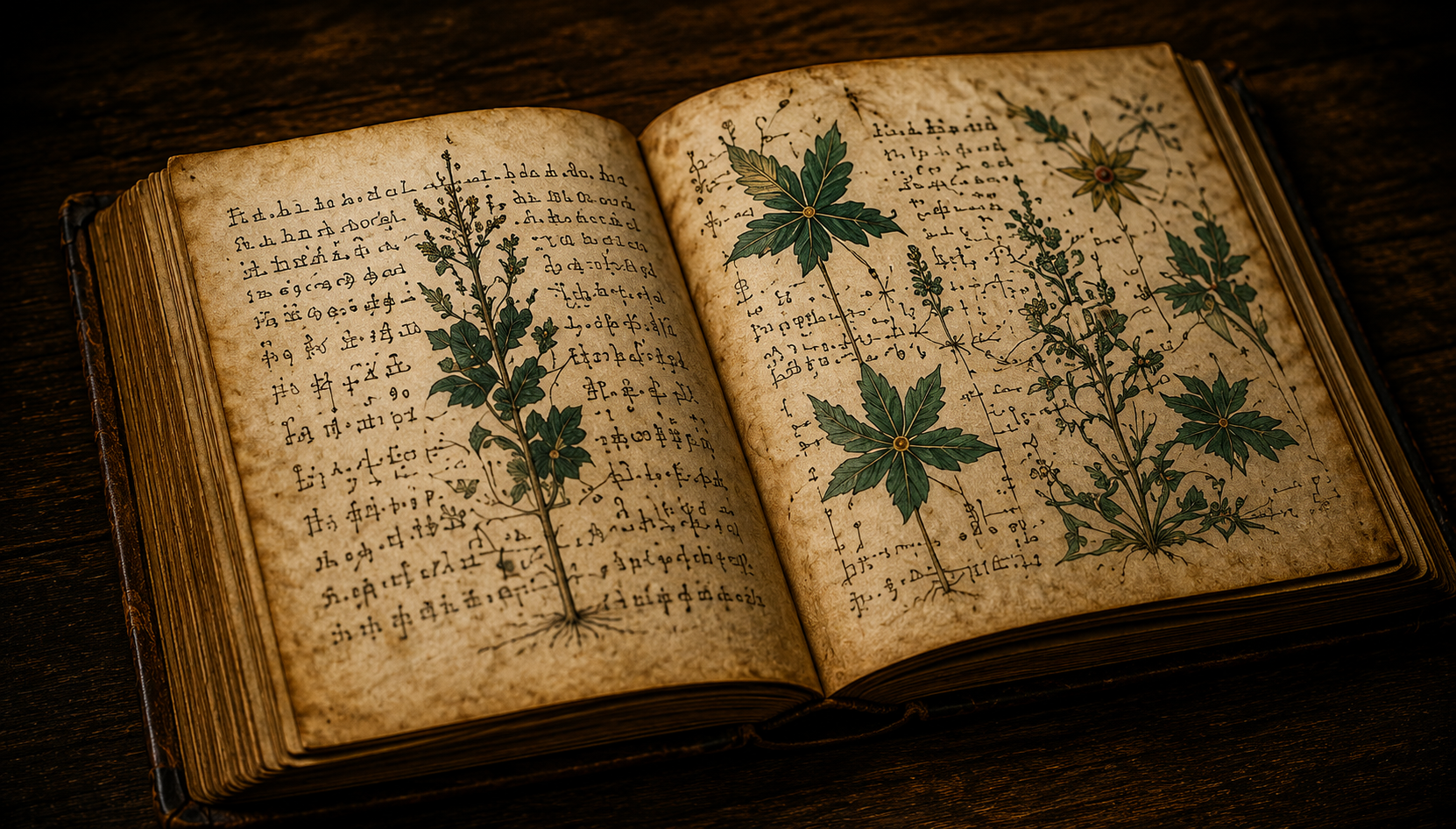
In 1912, Wilfrid Voynich, a former Polish revolutionary turned antiquarian, acquired a manuscript of inexplicable origins from a Jesuit library in Italy. This book, known as the Voynich Manuscript, features cryptic text alongside intricate drawings of non-existent plants, strange astrological figures, and mysterious naked women. Despite being carbon-dated to the early 15th century, its true purpose and the identity of its creators remain undefined. Voynich's discovery captured the world's imagination, and scholars have spent over a hundred years attempting to decode the script without success. The manuscript's mystique persists, leaving unanswered questions in a world that changes rapidly.
Takeaway
The lesson this story keeps teaching
“Mystery drives human curiosity, proving that sometimes the journey rather than the destination captivates us most.”
Why People Are Talking About This
The Voynich Manuscript matters because it symbolizes the eternal struggle between known and unknown. As humanity advances technologically, expanding the bounds of understanding and decoding life’s secrets, the Voynich Manuscript stands apart as a monument to the mysteries we haven't yet conquered. Encased in parchment lie possibilities we find mesmerizing.
This manuscript is more than a configuration of vellum and ink; it encapsulates a concept that transcends time: defiance against classification and understanding. In our quest to untangle its secrets, we end up finding reflections of ourselves as seekers—oracles of uncharted realms. It is an ever-present nudge towards humility, showing us that perhaps not everything is within reach or comprehension, thus beckoning every curious soul to become part of its timeless quest.
Thread Map
8 entities · 7 connections · Hover to explore, click to inspect
This is the connection map for this thread. Every node is a person, company, event, or idea. The red lines show how they connect. Hover a node to highlight its connections. Click a node to see why it matters to this story.
How We Got Here
Origins of the Voynich Manuscript
Radiocarbon dating places the creation of the Voynich Manuscript within this period, precisely during the Renaissance—a time teeming with innovation and secrecy. Its purpose and creators remain a puzzle.
Rudolf II Purchases the Manuscript
Holy Roman Emperor Rudolf II acquires the Voynich Manuscript for an impressive 600 ducats. Driven by a fascination for the arcane, his acquisition underlines the document’s perceived importance even in his era.
Jesuits and the Manuscript
A letter surfaces indicating the Society of Jesus possessed the manuscript. This document, dated 1666, is a significant trace in the manuscript’s long, tangled history.
Jesuits Sell Manuscript Amid Financial Strain
The Society of Jesus sells the manuscript due to financial distress, losing part of a collection that held centuries of unknown knowledge. The manuscript still holds many of its secrets.
Wilfrid Voynich Acquires the Manuscript
In a stroke of fate, Wilfrid Voynich, a Polish revolutionary and book collector, acquires the manuscript from the Jesuits. This moment marks the beginning of a new chapter of intrigue and scholarly pursuit.
Conservation by Hellmut Lehmann-Haupt
Hellmut Lehmann-Haupt documents his conservation work on the manuscript, ensuring its fragile vellum pages are preserved for future generations to decipher or simply admire.
Yale Conservators Repair the Manuscript
Conservators at Yale take great care to repair and reinforce the Voynich Manuscript, ensuring its continued survival as a piece of enduring mystery and scholarly fascination.
Manuscript Remains Unsolved
Despite over a century of modern scholarship, the Voynich Manuscript resists translation and remains one of history's tantalizing enigmas, nestled within the Beinecke Rare Book & Manuscript Library.
Wait... Who Is This?
Emerging in the shadow of medieval Europe, the world from which the Voynich Manuscript arose was marked by transformation. As the 15th century unfurled, society straddled the fading embers of mysticism and the dawn of empirical study—a conflict played out in manuscripts like Voynich's. The Renaissance emerged from the collapse of the Byzantine Empire, and a torrent of ancient knowledge sparked curiosity among Europe’s intellectuals.
Amid this backdrop, we find a Polish revolutionary, Wilfrid Voynich, a man rebranded by circumstance and choice. His journey—from political upheaval against the despotism of the Russian Empire to a bibliophile’s passion in the world of rare books—delivered him to the halls of that Italian library. The manuscript's path to him lay across an ocean of uncertainty wrought by conflict and consolidation of power, yet unspotted locked in its Jesuit safekeeping.
His discovery wasn't a mere acquisition—it was a reclamation of history's unanswerable questions bound in pages, wrapped in riddles. As papers passed from empires to emperors, the manuscript carried whispers attributed to John Dee and Emperor Rudolf II, layers of rumor that wound tighter around its reality. Every page read or touched without understanding rekindled the pursuit across the ages.
Receipts
Voynich manuscript - Wikipedia
Voynich MS - General Introduction
Any thoughts on the Voynich Manuscript? : r/Medievalart
Voynich Manuscript | Beinecke Rare Book & Manuscript Library
Decoding The Voynich Manuscript - Unseen Histories
The Strange Quest to Crack the Voynich Code
Continue the Rabbit Hole
Each story explores the same idea from a different angle. Follow the connections and discover where the thread leads.



Fictional placeholder content