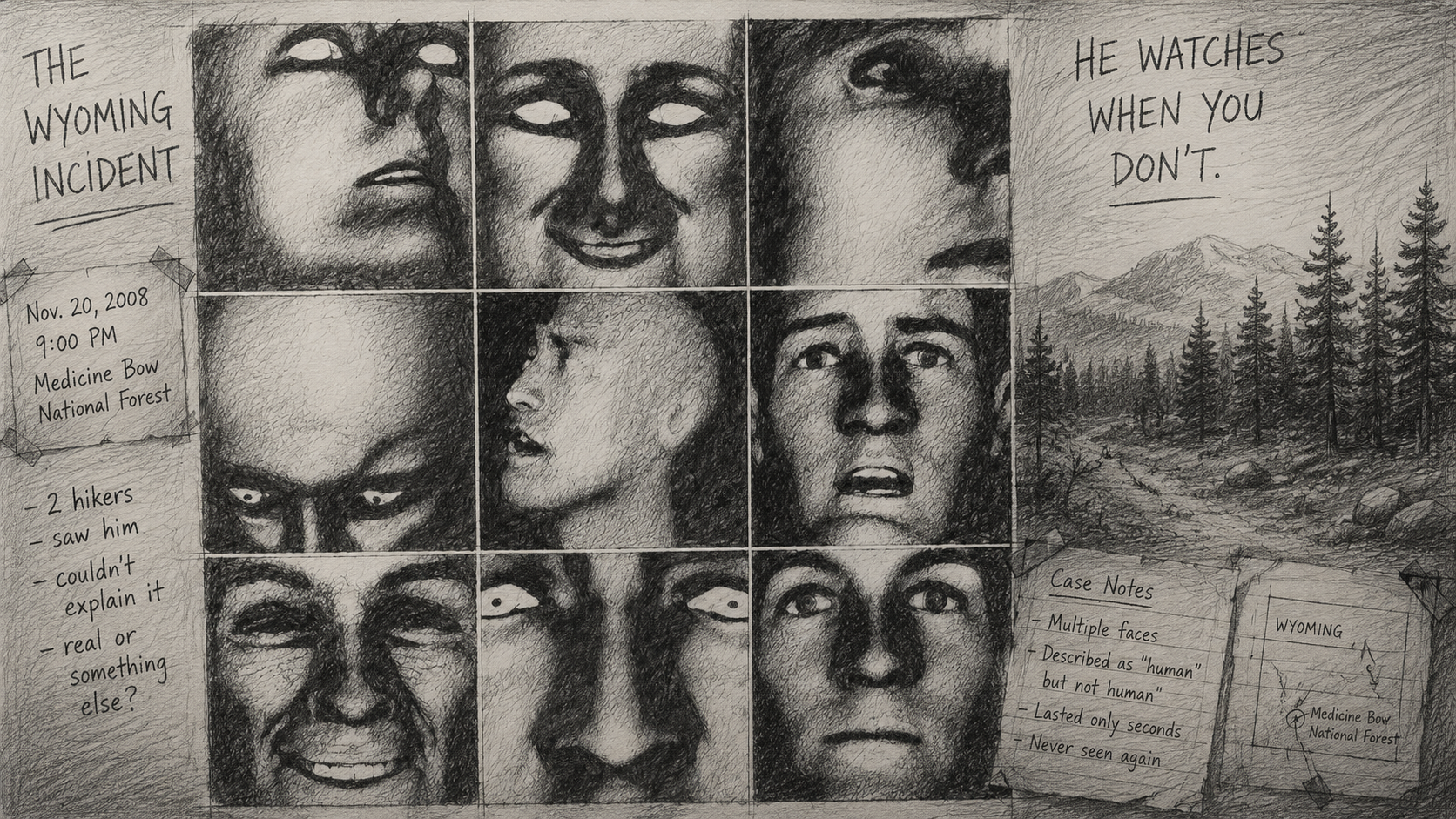
The Broadcast That Never Was
"In 2006, an alleged broadcast hijacking known as The Wyoming Incident bewildered internet users worldwide. But was it ever real?"
What Happened?
Imagine flipping through television channels late at night only to stumble upon a broadcast not listed in any guide. The screen flashes with eerie faces and cryptic messages like "YOU WILL SEE SUCH PRETTY THINGS," combined with a monotonous droning sound that reverberates in your chest. This was the allure and mystery behind The Wyoming Incident—a creepypasta born in the mid-2000s, captivating a section of the internet with its unsettling narrative of a supposed broadcast hijacking.
The Wyoming Incident, despite being entirely fictional, began as an internet horror story and Alternate Reality Game (ARG) around 2006. It claimed that a Wyoming news station had its signal hijacked by a disturbing video that reportedly drove viewers into madness. According to the tale, those who watched were left haunted by the cryptic messages that asked, "WHAT HIDES IN YOUR MIND?" or ominously stated, "WE STAND AT THE DOOR." However, it was a perfect example of fakelore—made up stories passed down as folklore amidst the digital denizens of the internet.
One of the most intriguing aspects was its evolution into an ARG—where participants on forums like The Happy Cube shared theories and unraveled puzzles in search of a deeper narrative. This communal experience of engaging with the legend gave it life far beyond a typical internet horror story. Though the broadcast hijacking never truly occurred, the myth was so pervasive that in 2025, a real broadcast intrusion in Brazil sowed confusion by showing segments from this very ARG, underscoring its persistent influence.
What truly captivated audiences was the narrative’s ability to blur lines between reality and fiction, posing a fictional mystery as something possible, perhaps even likely. The Wyoming Incident is a testament to the human fascination with the unreal and the eerie pleasure derived from collective storytelling—echoing the premise of other urban legends where the narrative invades just enough of the possible to feel chillingly real.
Takeaway
The lesson this story keeps teaching
“Mass hysteria can quickly turn fiction into perceived reality in our digital world.”
Why People Are Talking About This
The Wyoming Incident endures as a cautionary tale. It reveals how easily imagination can slip into counterpart reality when technological tools drive collective narratives. It’s a striking example of how quickly information, even when fictional, spreads online and plants deeply in popular consciousness. This showcases the vulnerabilities of digital platforms, urging reflection on their potential to warp our perceptions of truth.
Thread Map
5 entities · 4 connections · Hover to explore, click to inspect
This is the connection map for this thread. Every node is a person, company, event, or idea. The red lines show how they connect. Hover a node to highlight its connections. Click a node to see why it matters to this story.
How We Got Here
The Wyoming Incident ARG Makes Waves
The Wyoming Incident emerges as an internet alternate reality game, claiming to be an actual broadcast hijacking that disoriented viewers.
Adult Swim's Broadcast Hoax Stuns Viewers
This date is linked anecdotally to The Wyoming Incident, humorously used by Adult Swim in a prank skit to spook audiences.
YouTube Videos Amplify The Myth
Videos surface claiming to show the Wyoming Incident broadcast, fueling further speculation and belief among viewers.
Broadcast Intrusion in Brazil Revives Interest
A broadcast hijack in Brazil replays clips associated with The Wyoming Incident, renewing interest in the ARG years after its inception.
Forums Discuss and Dissect the Incident
Online forums like 'The Happy Cube' become debate hubs, where users analyze potential truths behind The Wyoming Incident.
ARGs Gain Mainstream Attention
With the rise of ARGs, The Wyoming Incident serves as a prime example of how digital storytelling blends fiction with reality.
Cultural Reassessment of Digital Myths
Critics and commentators reevaluate the power of digital myths like The Wyoming Incident in shaping perceptions of reality.
Digital Culture and Truth Perception
The narrative around The Wyoming Incident shifts to exploring broader themes of truth perception in digital culture.
Wait... Who Is This?
Before the internet was colored by the brush of ubiquitous misinformation, tales like The Wyoming Incident showed the dark power of storytelling in the digital world. Initially sparked in 2006 through forums, this incident was rooted not in reality, but in an intricately woven alternate reality game. It preyed on our inherent fear of broadcast manipulation—a fear echoing the real-life broadcast hijackings that had occurred in previous decades. It both exploited and was fueled by the growing zeal for uncovering digital mysteries. A supposed incident in 1997, later revealed as a sly Adult Swim prank, unwittingly lent credibility to the story. The Wyoming Incident quickly captured imaginations, blurring the perceived boundaries between illusion and truth, magnifying our susceptibility to urban legends cultivated in the online sphere. Over time, as YouTube videos and forum discussions kept stoking the embers, its persistence underscored a larger tale of how the digital lens can obscure reality and rewrite narratives from fragments of fiction.
Receipts
Same Pattern
Different story. Same lesson.
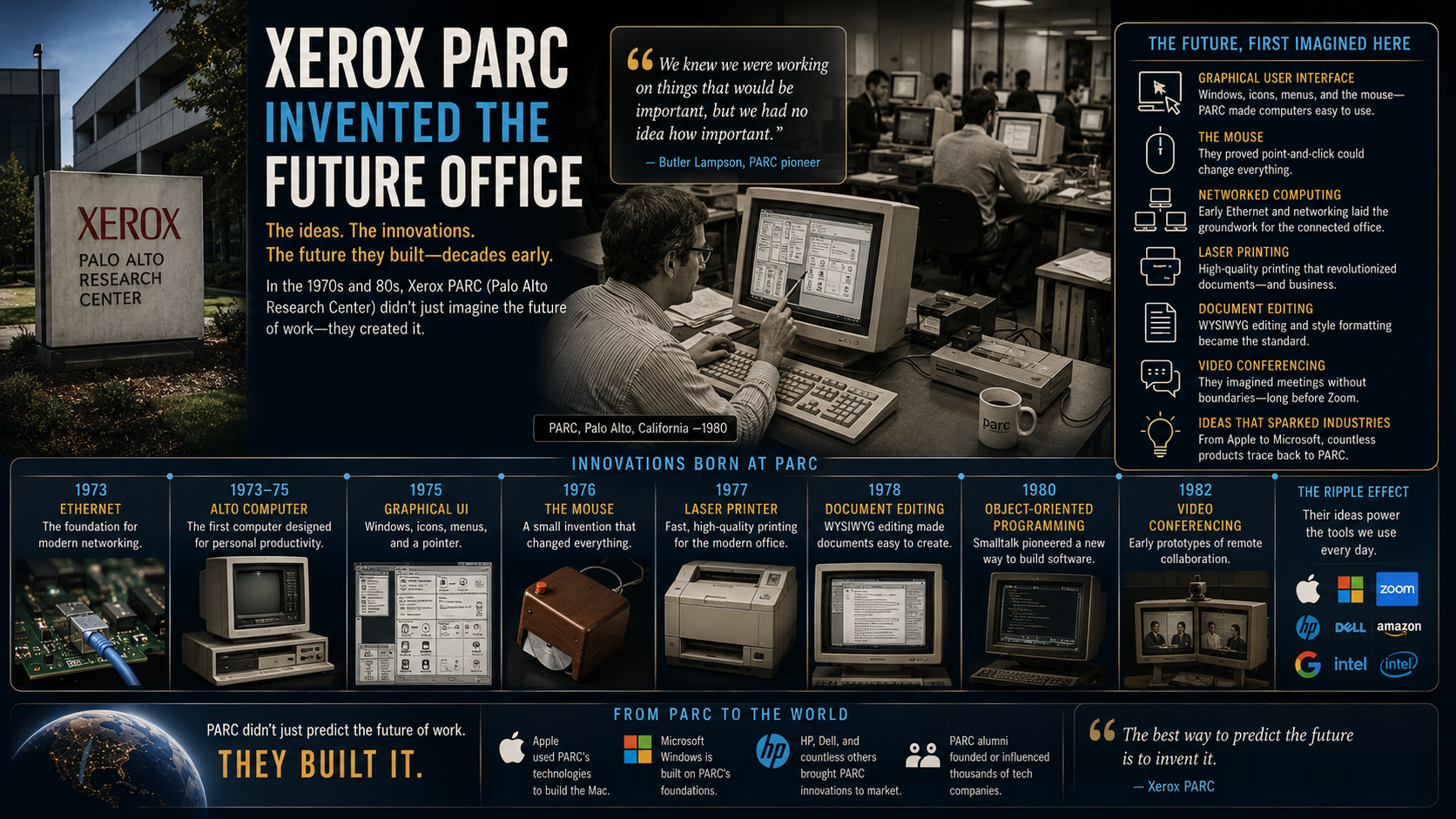
The Lab That Invented Tomorrow
In December 1979, Steve Jobs saw echoes of the future inside Xerox PARC's halls. There, in a secluded lab, lay the blueprint for the modern tech landscape.
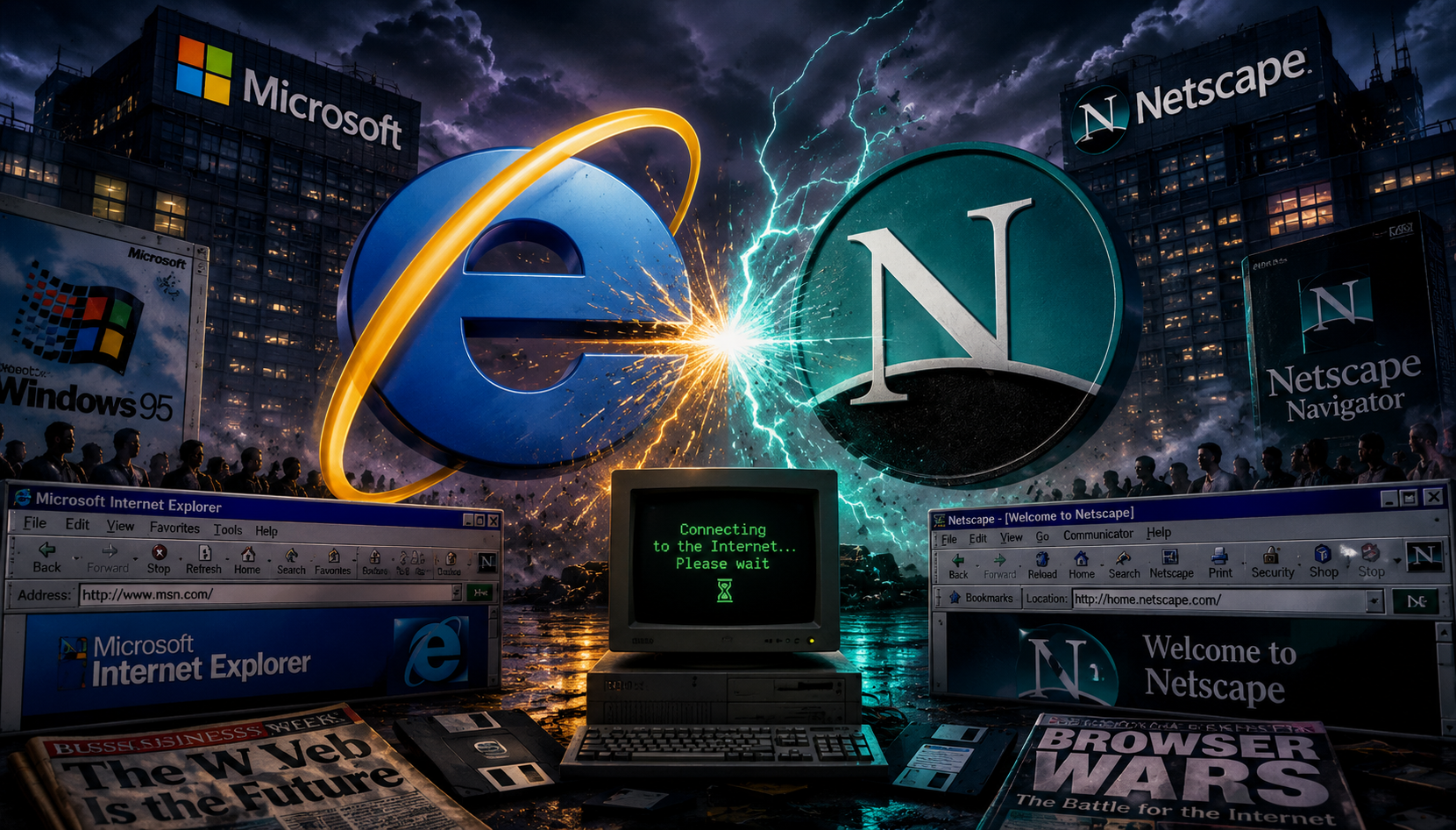
The Browser War That Built the Internet
In the mid-1990s, a software battle erupted that would shape how billions accessed information. Few could predict that the victor would soon face its own downfall.

The Wii Gamble That Saved Nintendo
In a world obsessed with graphics and power, Nintendo bet on simplicity. The Wii was laughed at — until it wasn't.

Pixar's Radical Feedback Loop
In a stark, unadorned room, some of the most powerful voices in animation face off with ruthless honesty. Their weapons? Brutal feedback that molds raw ideas into cinematic gold.

The Chicken That Changed Retail
Costco's $4.99 rotisserie chicken isn't just a meal — it's a strategic masterpiece. The unexpected ripple effects changed retail forever.
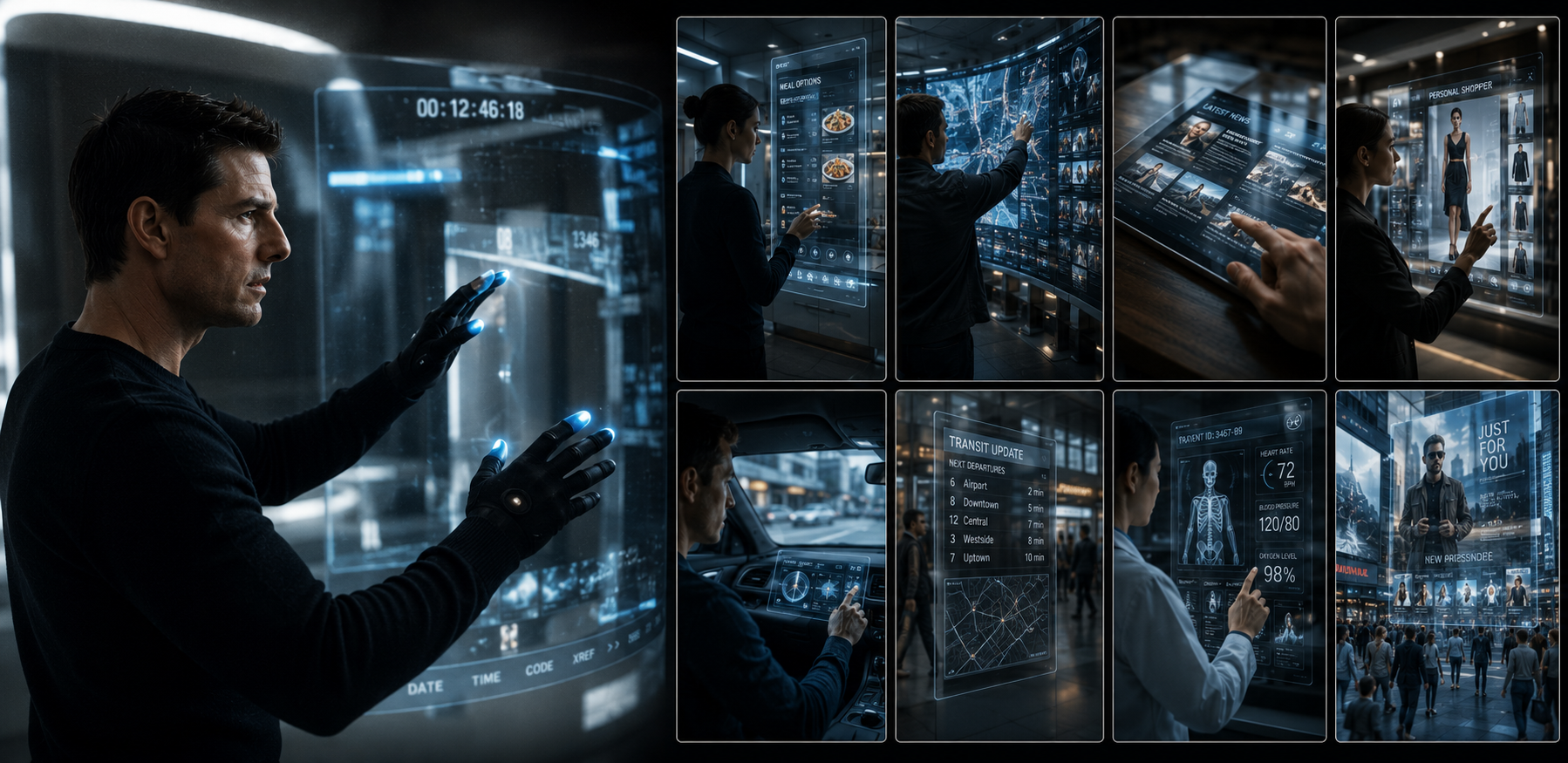
Minority Report's Prescient Touchscreen Reality
In 2002, Hollywood imagined a future of seamless touchscreen interfaces. Today, Steven Spielberg's vision feels eerily prescient as technology catches up.
Continue the Rabbit Hole
Each story explores the same idea from a different angle. Follow the connections and discover where the thread leads.




Fictional placeholder content