
The Day TV Fell Silent
"A mysterious figure in a Max Headroom mask hijacked Chicago TV broadcasts. Thirty-six years later, no one knows who did it."
What Happened?
The night of November 22, 1987, felt strange from the start. Thousands of Chicagoans were tuned in to their television sets, watching a rerun of "Doctor Who" when an unexpected interruption shattered the routine. The screen flickered, and suddenly, the image of a figure in a rubber mask mimicking the character Max Headroom appeared, set against a rotating corrugated metal background. For 90 seconds, it was as if reality itself had been hijacked.
Earlier that evening, WGN-TV's broadcast had already faced a similar intrusion, marking the beginning of what would become one of the most notorious and confounding acts of broadcast hacking. The perpetrators, whose identities remain unknown to this day, managed to hijack the signal using equipment sophisticated enough to cut through the stations' broadcasts, a feat that was as perplexing as it was audacious.
While the figure on screen bobbed and weaved, disorienting with its jerky movement, the audio remained a distorted riddle of bizarre statements and references only known to locals. This was no mere prank; it was a deliberate and daring act of piracy broadcast to all who were watching. The FCC launched an immediate investigation, but despite their efforts, no conclusive evidence or leads ever surfaced.
Thirty-five years later, the "Max Headroom Incident" stands as an unsolved mystery. It was a moment when technology collided with culture, showcasing the vulnerability of transmission systems and the creativity—and defiance—of hackers who dared to invade them. As Chicago's airwaves fell prey to this singular act of defiance, the incident joined the annals of other broadcast intrusions, becoming a storied legend of media rebellion and leaving its mark as a vivid reminder of what happens when digital boundaries are pushed to their limits.
Takeaway
The lesson this story keeps teaching
“When defenses fail to evolve alongside technology, what was once secure becomes vulnerable to the boldest exploits.”
Why People Are Talking About This
The Max Headroom incident was not just a technical glitch; it was a wake-up call for broadcast security. It exposed how easily our media systems could be breached, and spotlighted the precarious balance between technological advancement and security. As media evolved and expanded its reach into homes, never before had network vulnerability been so publicly and theatrically displayed. It remains a touchstone in broadcasting history—where masked anonymity breached technological sophistication, reminding us all how quickly systems can unravel.
Thread Map
9 entities · 8 connections · Hover to explore, click to inspect
This is the connection map for this thread. Every node is a person, company, event, or idea. The red lines show how they connect. Hover a node to highlight its connections. Click a node to see why it matters to this story.
How We Got Here
Broadcast Intrusion on WGN-TV
During the sports segment of WGN's news, a masked figure interrupted transmission with a short, baffling performance. The figure mocked previous content, leaving both network and viewers grappling with disbelief. The hijacker disappeared as quickly as they arrived, leaving no trace.
The WTTW Hijacking: Doctor Who Interrupted
Later that evening, as fans of Doctor Who tuned in, they found their favorite show hijacked by the same masked figure. This second interruption lasted about 90 seconds, displaying further bizarre antics before the engineers could regain control.
HBO Signal Hijacked by Captain Midnight
Preceding the Max Headroom incident, an engineer known as Captain Midnight infiltrated HBO's signal, showcasing how networks could be breached. The event foreshadowed the security vulnerabilities in cable broadcasting.
FCC Investigation Begins
Following the high-profile hijackings, the FCC launched an investigation. Despite efforts, no leads or suspects were ever uncovered, compounding the incident's infamy.
Max Headroom Becomes an Icon
Already a cultural symbol, the character Max Headroom gained notoriety as a result of the hijacking, incentivizing a look into how broadcast culture had become a canvas for audacious expression.
Media Frenzy Over Unsolved Mystery
The media quickly jumped onto the story, speculating on the identity of the hijacker(s) and the implications for broadcasting security. The incident dominated news cycles, amplifying the enigma.
Security Advancements in Broadcasting
As a direct consequence of the hijackings, broadcasters enhanced security measures, albeit with industry critics arguing too little, too late. It marked the start of a paradigm shift in broadcast security protocols.
20th Anniversary: A Mystery Persists
Two decades later, the incident remains part of Chicago folklore. Retrospectives raise discussions around its impact and origin, adding to the mystique of the unsolved case.
30th Anniversary Reflections
Thirty years on, the incident remains unresolved. Tech advancements since then continue to contrast with past vulnerabilities, yet Max's masked face reminds readers of media's potential for anarchy.
Broadcast Signal Intrusion Inspired by Incident
The film 'Broadcast Signal Intrusion' drew inspiration from the event, symbolizing how ingrained the narrative has become, propelling further speculation and cultural intrigue.
Wait... Who Is This?
The Max Headroom broadcast hijacking took place in a turbulent period for media. The 1980s brought an explosion of new technology but also an era of hyper-consumerism and media saturation. TV, a rising giant, was yet to anticipate vulnerabilities such as unauthorized hijacking. Earlier, the Captain Midnight HBO hijack hinted at disruptions, but preventive protocols fell short. The broadcast world was immersed in an explosion of channels, technology, and advertising. And in this frenzy came Max Headroom — a fictional character, designed to parody these advertising excesses. Imagine the chaos of an entire city, unwillingly to witness its stable routines pierced by an anarchic transmission. This backdrop—unforeseen threats amidst rapid growth—sets the scene for what would become an unsolved enigma, forever shrouded in mystery.
Receipts
Max Headroom signal hijackings - Wikipedia
Episode 78 | Malicious Life
The Max Headroom Incident: Revisiting The Masked Mystery, 32 Years Later | Endless Thread
30 Years Later, Notorious ‘Max Headroom Incident’ Remains a Mystery | Chicago News | WTTW
‘Broadcast Signal Intrusion’: New thriller inspired by Chicago local TV hijacking in 1980s to debut at Music Box Theater - ABC7 Chicago
Same Pattern
Different story. Same lesson.

The Chicken That Changed Retail
Costco's $4.99 rotisserie chicken isn't just a meal — it's a strategic masterpiece. The unexpected ripple effects changed retail forever.
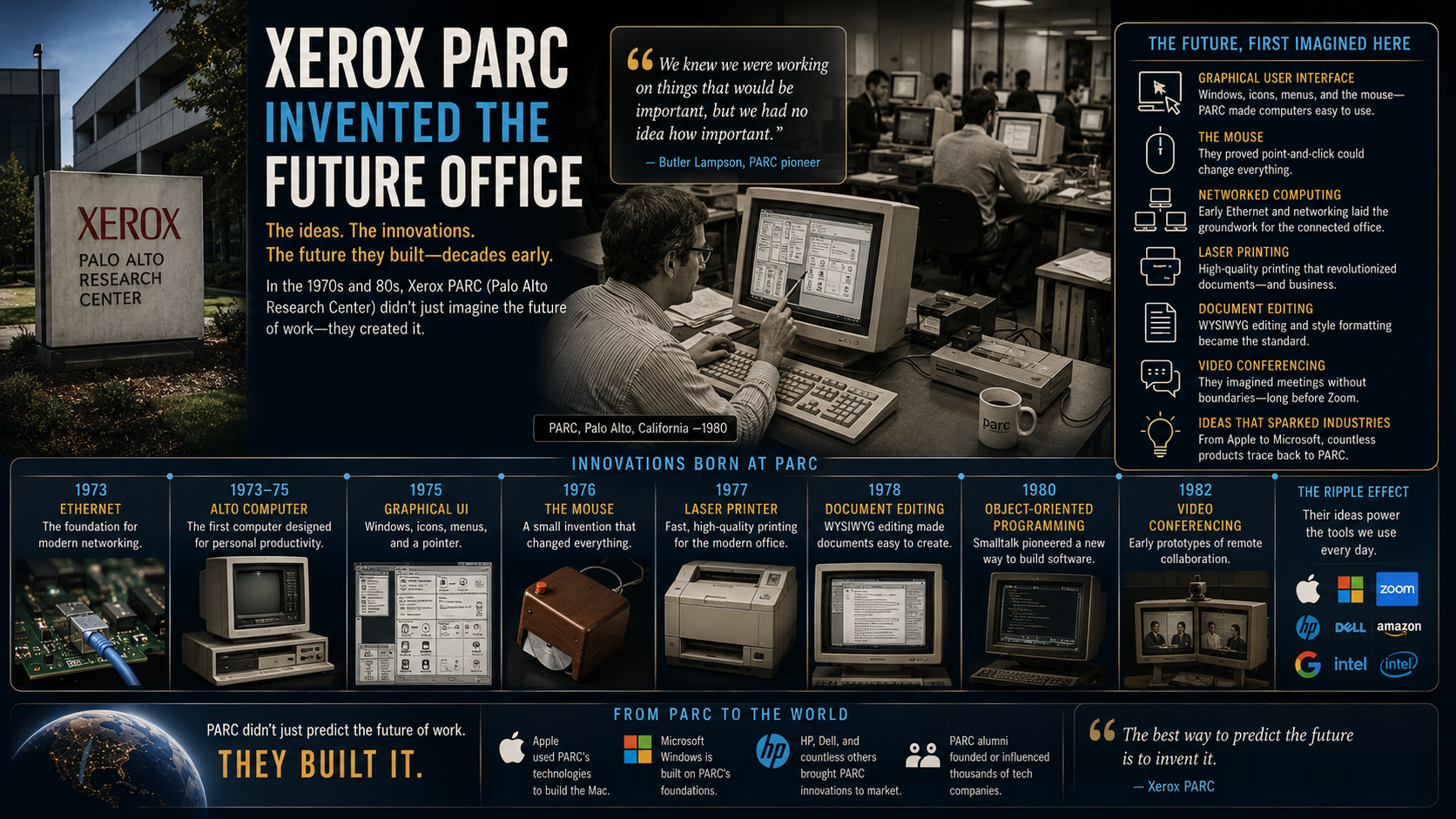
The Lab That Invented Tomorrow
In December 1979, Steve Jobs saw echoes of the future inside Xerox PARC's halls. There, in a secluded lab, lay the blueprint for the modern tech landscape.
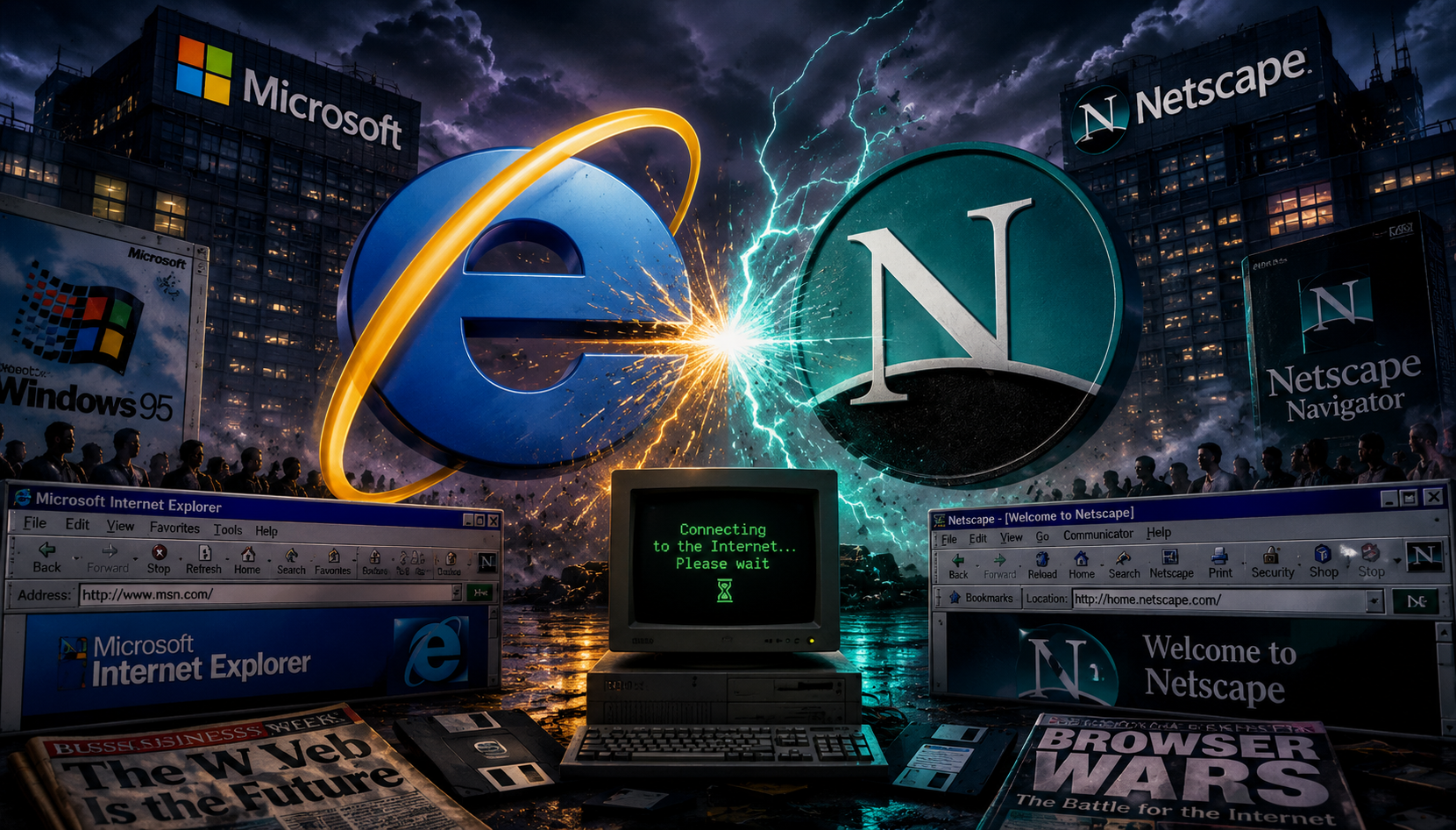
The Browser War That Built the Internet
In the mid-1990s, a software battle erupted that would shape how billions accessed information. Few could predict that the victor would soon face its own downfall.
Pixar's Radical Feedback Loop
In a stark, unadorned room, some of the most powerful voices in animation face off with ruthless honesty. Their weapons? Brutal feedback that molds raw ideas into cinematic gold.
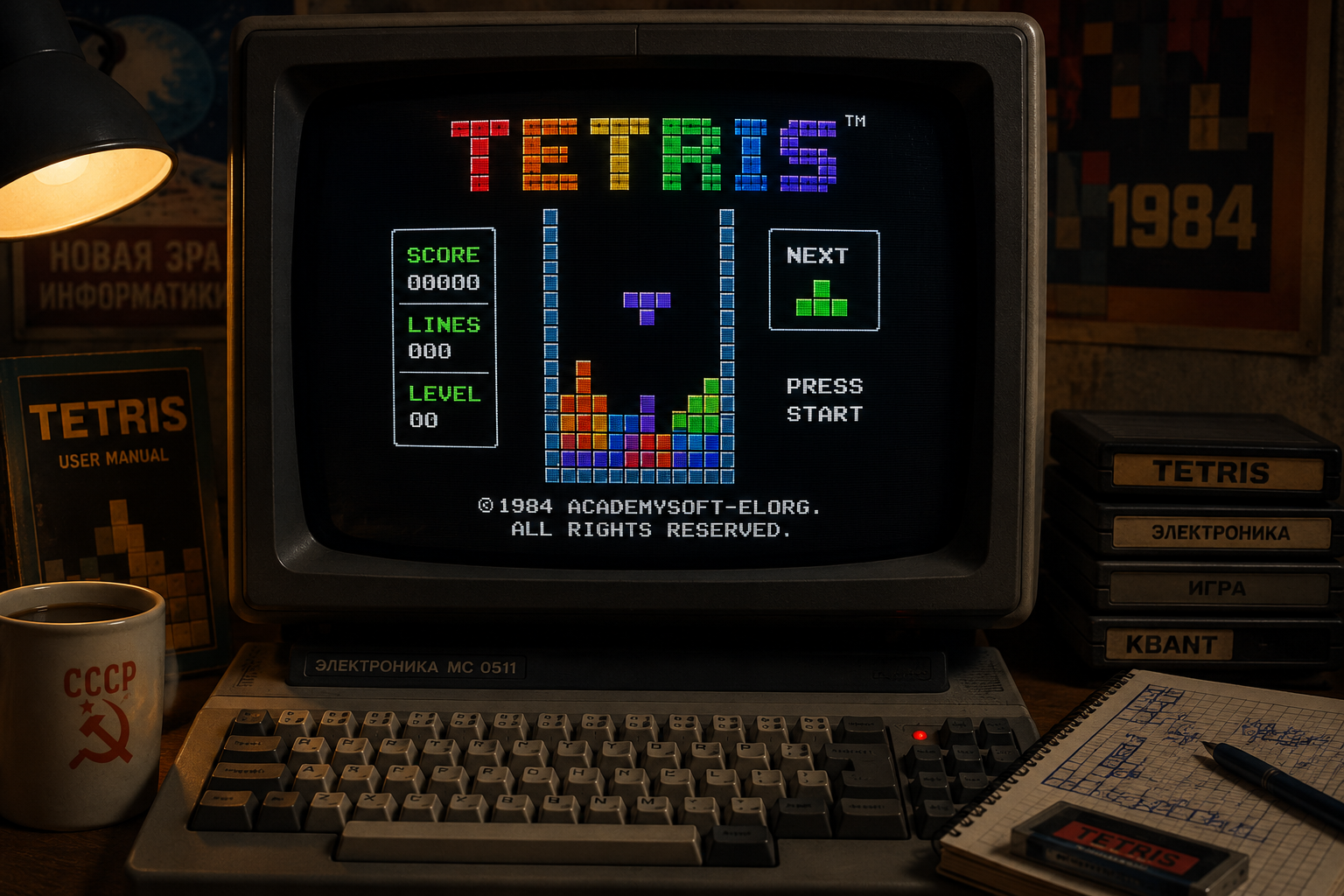
The Puzzle that Conquered the World
A Soviet engineer at his desk, unknowingly poised to create a legend. His creation? Tetris — a game that would break barriers and forever alter the gaming landscape.
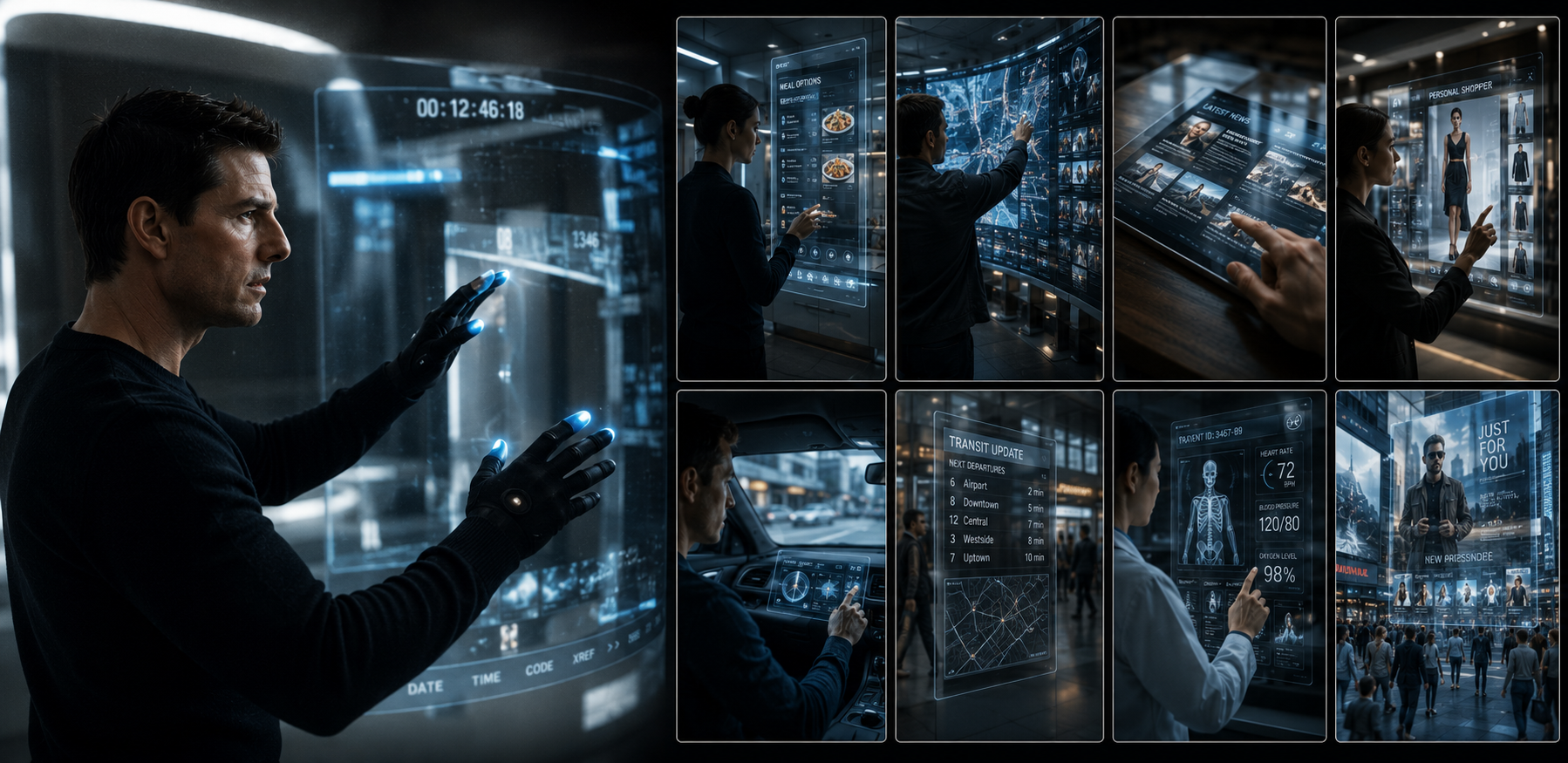
Minority Report's Prescient Touchscreen Reality
In 2002, Hollywood imagined a future of seamless touchscreen interfaces. Today, Steven Spielberg's vision feels eerily prescient as technology catches up.
Continue the Rabbit Hole
Each story explores the same idea from a different angle. Follow the connections and discover where the thread leads.


Fictional placeholder content