The Day Alexandria Burned
"Julius Caesar's siege in 48 BCE accidentally ignited the Library of Alexandria, potentially destroying centuries of knowledge. This act marked the first crack in civilization's greatest repository."
What Happened?
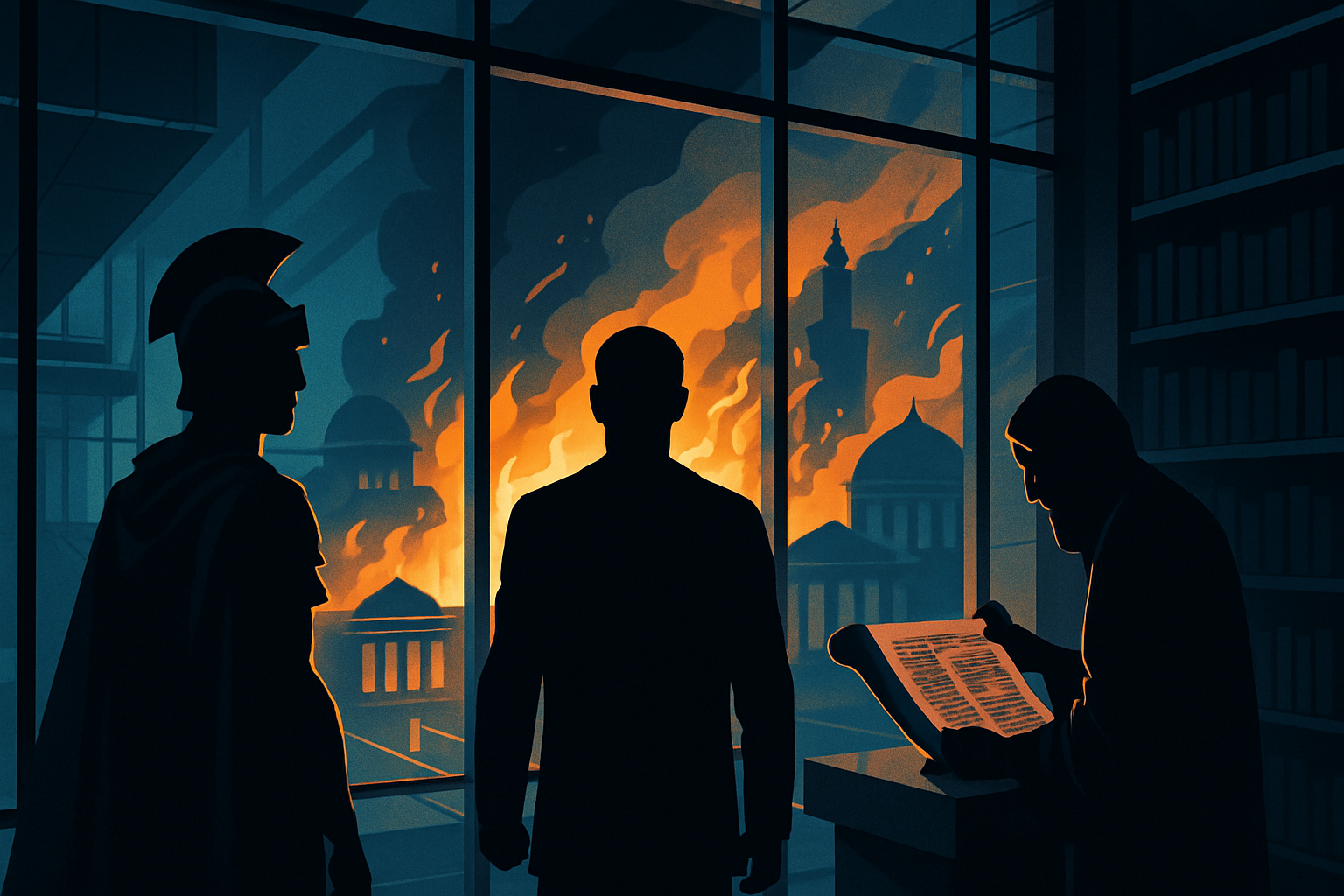
Smoke strangled the Alexandrian skies as the flames spread fear across the city in 48 BCE. Julius Caesar, embroiled in the Alexandrian War, had resorted to setting fire to the enemy’s fleet gunning for Cleopatra’s throne. But the fire had no respect for borders or intent. It jumped ship to shore, consuming parts of the most majestic library known to mankind—the Library of Alexandria.
Few can fathom what was lost in those choking flames. Scrolls and texts gathered from the farthest reaches of the known world vanished in the blaze. This was not mere paper reduced to ash; it was centuries of accumulated knowledge, a universal library, crumbling under the weight of war's collateral damage.
Demetrius of Phalerum had once envisioned a place where all the world's wisdom could be housed. His vision, embraced by Ptolemy I Soter, had grown under his son Ptolemy II Philadelphus, turning Alexandria into a beacon for scholars everywhere. It became a hub of intellectual pursuit, drawing great minds like Eratosthenes and Aristarchus of Samos.
However, this wasn't the first or the last brush with disaster for the Library. By 145 BCE, the enlightened epoch began to falter. A ruler obsessed with power, Ptolemy VIII Physcon, expelled the intellectual luminaries who gave the Library its voice.
Then centuries later, religious fervor struck another blow when Theophilus, the Byzantine Emperor, purged pagan influences, targeting the Library and its associated Serapeum in a zealous rush to cleanse.
In the whispers of these shadows lies a pattern as volatile today as it was then. The allure of knowledge stands fragile against the winds of politics, religion, and war—a pattern that recurs as institutions burn not from fire, but from neglect.
Takeaway
The lesson this story keeps teaching
“In lauding grandeur over substance, we often overlook the fragility of what we cherish.”
Why People Are Talking About This
The loss of the Library of Alexandria marked a pivotal absence in the tapestry of human knowledge. It revealed an unsettling reality: societal advances rest on precarious foundations, easily unraveled by unchecked power.
Its tale remains a stark exemplar—of the destructive potential nestled within ambition and neglect. An echoing lesson across time, reminding us the pen and sword wield unending collaboration in scripting humanity's future.
Thread Map
9 entities · 8 connections · Hover to explore, click to inspect
This is the connection map for this thread. Every node is a person, company, event, or idea. The red lines show how they connect. Hover a node to highlight its connections. Click a node to see why it matters to this story.
How We Got Here
Caesar's Blaze Engulfs Alexandria
During Julius Caesar's campaign in Egypt, his forces accidentally set fires that reached the Library of Alexandria, possibly destroying many manuscripts.
Egypt's New Overlord
Following Alexander the Great's death, Ptolemy I Soter seizes control of Egypt. His vision includes crafting Alexandria into a hub of knowledge.
The Library Comes to Life
Under Ptolemy II Philadelphus, the Library of Alexandria was constructed, drawing scholars and vast collections from across the Ancient world.
Ptolemy's Scholar Purge
Ptolemy VIII Physcon initiates a purge, casting intellectuals out of Alexandria. This disrupts the vital influx of scholarship.
Religious Zeal Strikes the Serapeum
In a sweep against paganism, a bishop leads the destruction of the Serapeum, likely damaging associated library collections.
Questioned Caliphate Claims
The Arab conquest of Alexandria includes debated narratives of Caliph Omar ordering the destruction of library remnants, though evidence is inconclusive.
Learning behemoth born
Built in the Ptolemaic era, this wonder of the ancient world attracted intellectuals globally, setting Alexandria ablaze with scholarship.
Theophilus Weakens Alexandria's Stronghold
Emperor Theophilus tears down pagan temples, disrupting surviving library areas in his religious purge.
Wait... Who Is This?
Long before the flames threatened it, Alexandria stood as a beacon of human achievement, its library an idea conceived by the visionary Ptolemy I Soter. The bustling Egyptian city drew intellects like moths to a flame, each seeking to bask in the knowledge. Aristotle's scrolls, Homer's verses, and countless scientific treaties found shelter within its walls.
The Ptolemaic dynasty's patronage lifted the city into the annals of history. But behind the flourishing facade lay political strife—a churning undercurrent where royal ambitions clashed with intellectual freedoms.
Ptolemy VIII’s infamous purging of scholars hinted at deeper vulnerabilities. As power dances ensued, the library became a pawn in shifting loyalties—a gilded house balancing on uncertain pillars. Yet through its scholarly achievements, Alexandria mirrored the fickle dance between triumph and hubris.
Receipts
Library of Alexandria - Wikipedia
The Mystery of the LIBRARY OF ALEXANDRIA
Library of Alexandria | Description, Facts, & Destruction
What really happened to the Library of Alexandria? These ...
The Rise and Fall of the Library of Alexandria – Ancient, Medieval, & Renaissance Studies Program
Library of Alexandria - Under the Microscope
Same Pattern
Different story. Same lesson.

Minority Report's Prescient Touchscreen Reality
In 2002, Hollywood imagined a future of seamless touchscreen interfaces. Today, Steven Spielberg's vision feels eerily prescient as technology catches up.

The Lab That Invented Tomorrow
In December 1979, Steve Jobs saw echoes of the future inside Xerox PARC's halls. There, in a secluded lab, lay the blueprint for the modern tech landscape.

The Browser War That Built the Internet
In the mid-1990s, a software battle erupted that would shape how billions accessed information. Few could predict that the victor would soon face its own downfall.

Pixar's Radical Feedback Loop
In a stark, unadorned room, some of the most powerful voices in animation face off with ruthless honesty. Their weapons? Brutal feedback that molds raw ideas into cinematic gold.

The Chicken That Changed Retail
Costco's $4.99 rotisserie chicken isn't just a meal — it's a strategic masterpiece. The unexpected ripple effects changed retail forever.
The Mandela Effect’s Mind-Bending Mystique
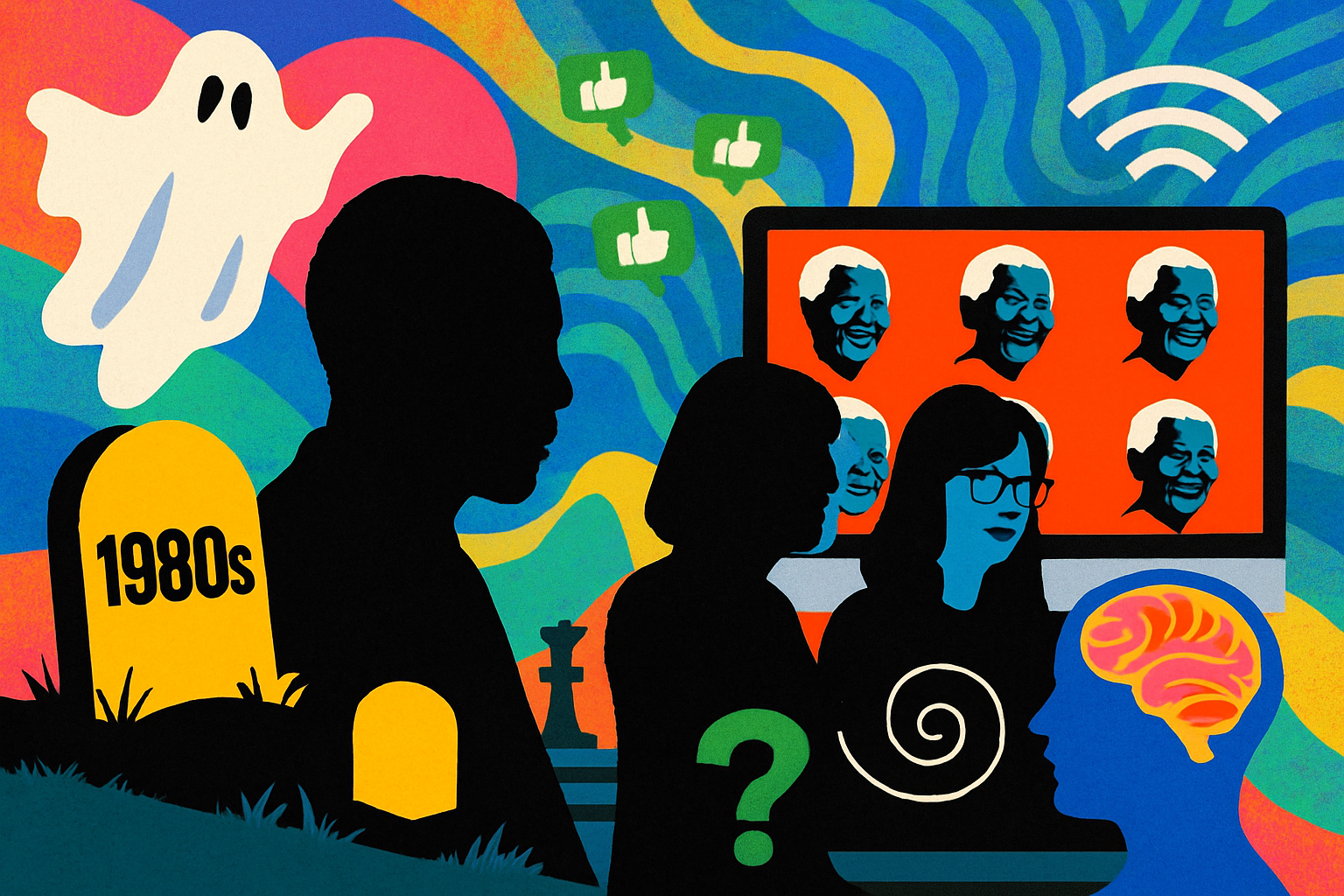
Millions remember Nelson Mandela dying in the 1980s, yet he passed in 2013. What caused this shared illusion?
Continue the Rabbit Hole
Each story explores the same idea from a different angle. Follow the connections and discover where the thread leads.





Fictional placeholder content