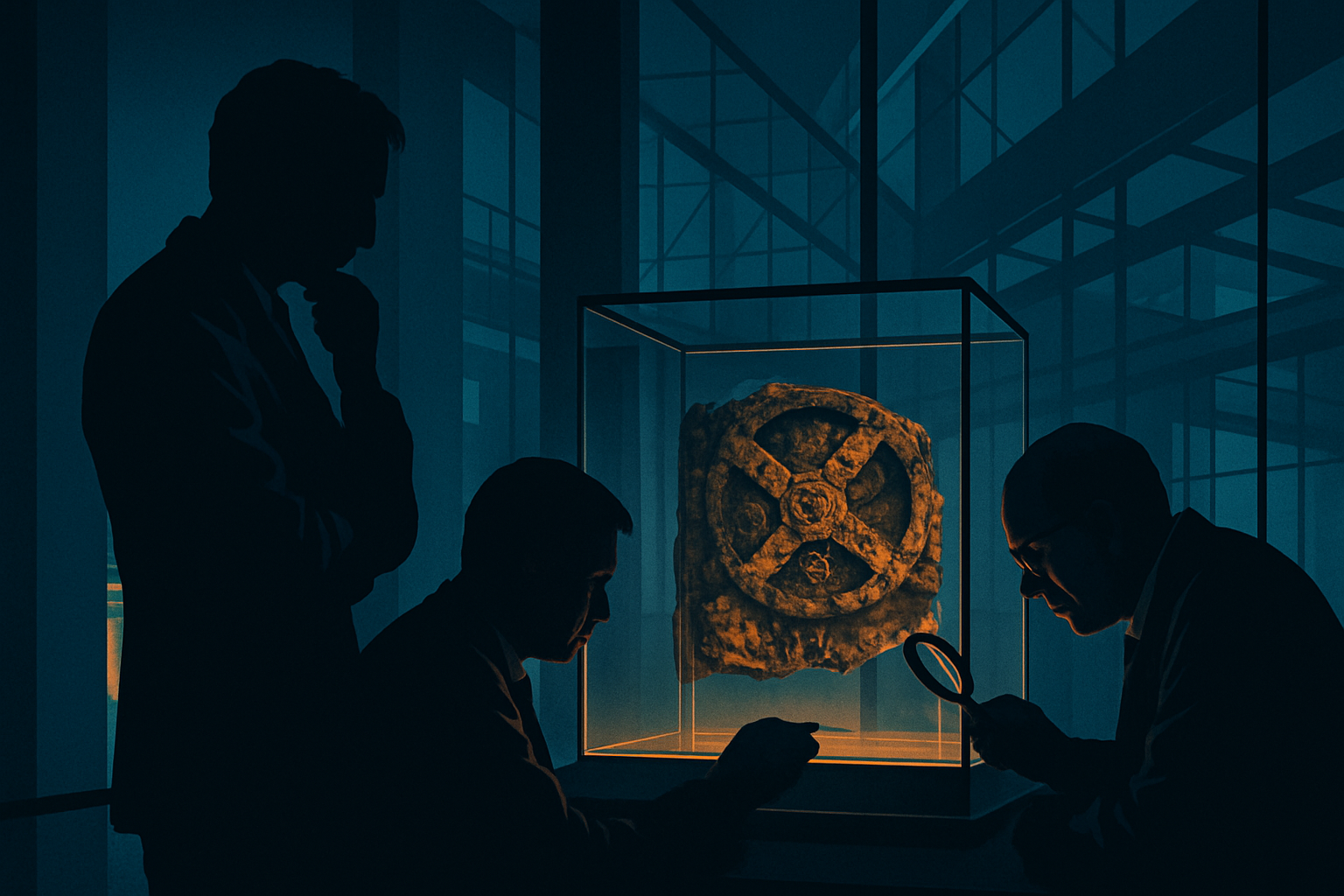
The Ancient Computer That Shouldn't Exist
"In 1901, Greek sponge divers stumbled upon a device that defied history - an ancient computer, resting silently in a shipwreck."
What Happened?
A rusted hunk of metal, hidden beneath layers of coral and time, was nothing more than an ocean relic when Greek sponge divers first brought it to the surface in 1901. But as it emerged, dripping with sea brine and the weight of two millennia, it began to whisper about an ancient world far more advanced than we had imagined. This was the Antikythera Mechanism, a machine from around 205 BCE that defies the simplistic image we hold of ancient Greece—a land not just of philosophers, but engineers with minds like complex gears, ticking with precision.
Inside its shoebox-sized frame lay over 30 intricate bronze gears, a sophisticated choreography that predicted eclipses and the positions of celestial bodies with the turn of a crank. A luxury of knowledge, concealed in brass, indicating a lineage of similar devices spoken about by Cicero himself. Yet this piece of engineering brilliance vanished from history, only to resurface at a time when no one believed such technology belonged to the ancient past.
Derek de Solla Price, in the late 1950s, was astounded by its sophistication. His studies unearthed the mechanism’s secrets, showing the world that our ancestors could capture the universe's rhythm in metal. It compelled scientists and historians, armed with tools much like those Cicero described, to stumble upon a narrative that has been reshaped by our expanding perception of history.
In 2006, Tony Freeth and his team unveiled further layers of its enigma, using advanced imaging to decode the relic's original intentions. What Freeth found changed everything. With each revelation, the mechanism becomes more than just a relic of the sea—it is a beacon of forgotten ingenuity, challenging modern narratives about our technological evolution. As the gears turned, so did our understanding of the past, pieced together through fragments once churned by the waves.
Takeaway
The lesson this story keeps teaching
“The Antikythera Mechanism reveals that extraordinary innovations can emerge far before their time, disrupting established narratives about human progress.”
Why People Are Talking About This
The discovery of the Antikythera Mechanism revolutionized our understanding of ancient technological capacity. It showcased an unexpected level of complexity, suggesting that ancient Greece was not only renowned for its philosophy but also its misunderstood engineering prowess.
Furthermore, it highlights the fragility of knowledge and innovation, as entire technologies can be lost to time. Uncovering such artifacts compels historians and scientists to reconsider what peaks of human ingenuity might still be hidden, submerged beneath the sands of time or obscured by historical disruption.
Thread Map
9 entities · 8 connections · Hover to explore, click to inspect
This is the connection map for this thread. Every node is a person, company, event, or idea. The red lines show how they connect. Hover a node to highlight its connections. Click a node to see why it matters to this story.
How We Got Here
Conception of the Antikythera Mechanism
The Antikythera Mechanism was believed to have been constructed around 205 BCE. This complex device demonstrated remarkable technological advancement for its time.
Discovery of the Shipwreck
Greek sponge divers discovered a Roman-era shipwreck off the coast of Antikythera. Among the relics was an object that would later stun historians: the Antikythera Mechanism.
Initial Examination of the Mechanism
The corroded mass of the mechanism was recognized as a potential historical treasure, sparking initial curiosity but limited understanding.
Price's Pioneering Study
Derek de Solla Price began a detailed study of the Antikythera Mechanism, recognizing it as a sophisticated ancient computer, which redefined our perception of ancient Greek technology.
Further Research by Price
Derek de Solla Price's continued research into the mechanism solidified its status as a complex astronomical instrument.
Digital Reconstruction Begins
Tony Freeth and his team embarked on a project to digitally reconstruct the Antikythera Mechanism, using advanced imaging to uncover its mysteries.
Publication of New Findings
Researchers published new analyses derived from the digital reconstruction, demonstrating the sophisticated functions of the mechanism in predicting astronomical phenomena.
Enhanced Understanding
The mechanism's full capabilities were further recognized, proving it to be even more complex than earlier assessments had stated.
Wait... Who Is This?
The year was 1901 when Greek sponge divers were exploring the depths off the coast of Antikythera, an island nestled between Crete and Peloponnese. Their mission was simple: retrieve sponges from the sea floor. Instead, they discovered a world buried under layers of sediment and time — a shipwreck from the first century BCE. Amid bronze and marble statues lay a curiously intricate device, something that looked like it belonged in a different century.
For decades, little attention was paid to the encrusted artifact, perceived only as a curious relic. This perception shifted dramatically when, in 1902, a closer examination revealed gears and dials akin to a modern clock. Its exact purpose was debated, its craftsmanship awed at, but it wasn't until the mid-20th century that the Antikythera Mechanism ignited public imagination. Could ancient Greeks have possessed a form of computer more than 2000 years ago? This puzzle fascinated and baffled scholars, challenging entrenched beliefs about technological timelines and begging questions of what other wonders lurked undiscovered on the ocean floor.
Receipts
Antikythera Mechanism
Antikythera mechanism | Description, Purpose, & Facts | Britannica
What Is the Antikythera Mechanism, the World's First Computer?
The World's Oldest Computer: The Antikythera Mechanism - National Hellenic Museum
The Antikythera Mechanism: an ancient Greek machine rewriting the history of technology – The Past
Same Pattern
Different story. Same lesson.
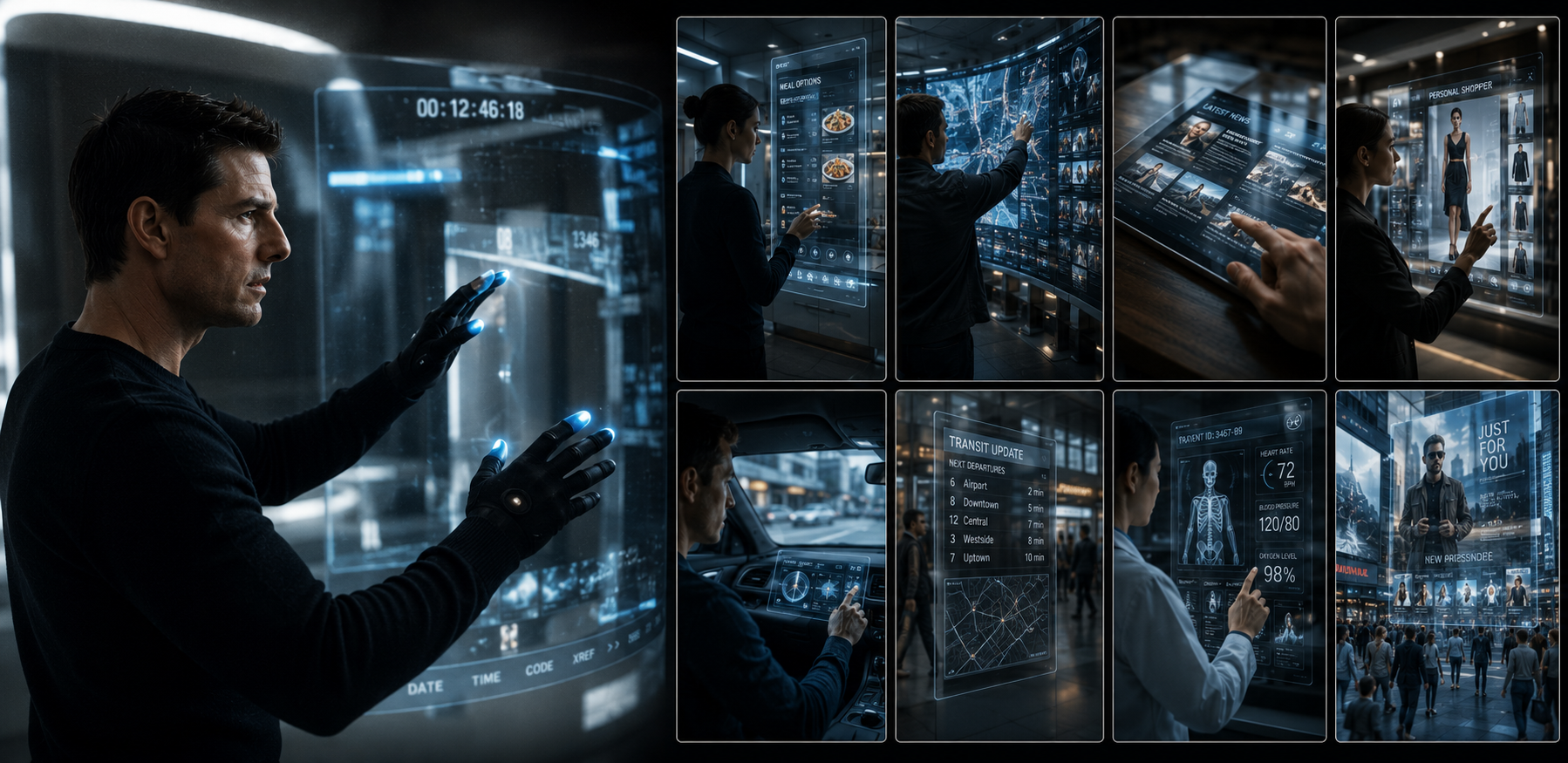
Minority Report's Prescient Touchscreen Reality
In 2002, Hollywood imagined a future of seamless touchscreen interfaces. Today, Steven Spielberg's vision feels eerily prescient as technology catches up.
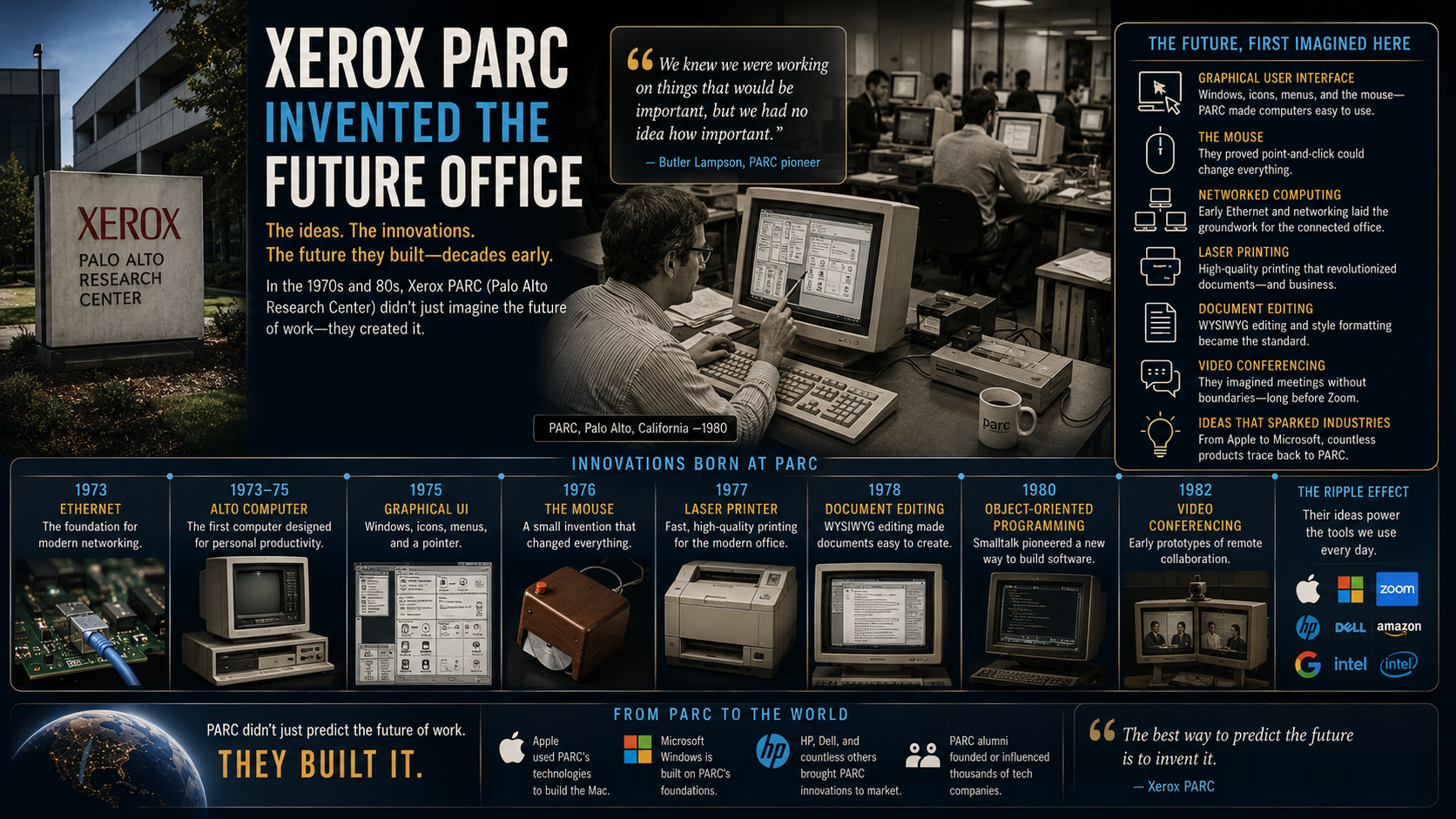
The Lab That Invented Tomorrow
In December 1979, Steve Jobs saw echoes of the future inside Xerox PARC's halls. There, in a secluded lab, lay the blueprint for the modern tech landscape.

The Browser War That Built the Internet
In the mid-1990s, a software battle erupted that would shape how billions accessed information. Few could predict that the victor would soon face its own downfall.

Pixar's Radical Feedback Loop
In a stark, unadorned room, some of the most powerful voices in animation face off with ruthless honesty. Their weapons? Brutal feedback that molds raw ideas into cinematic gold.

The Chicken That Changed Retail
Costco's $4.99 rotisserie chicken isn't just a meal — it's a strategic masterpiece. The unexpected ripple effects changed retail forever.

The Mandela Effect’s Mind-Bending Mystique
Millions remember Nelson Mandela dying in the 1980s, yet he passed in 2013. What caused this shared illusion?
Continue the Rabbit Hole
Each story explores the same idea from a different angle. Follow the connections and discover where the thread leads.




Fictional placeholder content