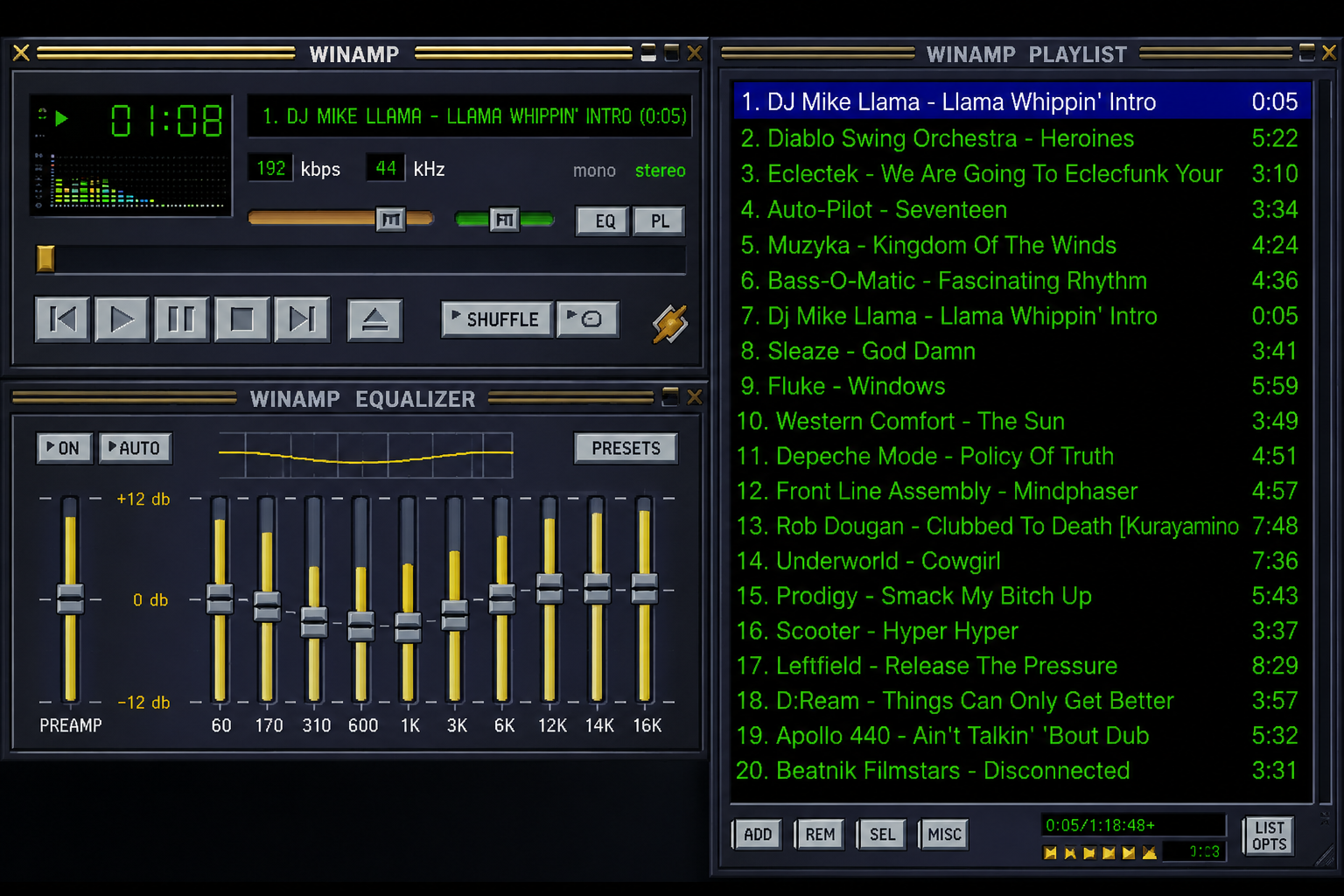
When Winamp Ruled the Internet
"Imagine an era where a single piece of software could change how millions experienced music. Winamp didn't just play songs; it set the beat for the digital world's dance with media."
What Happened?
In the late 1990s, the digital music world was on the brink of transformation, and two young developers were about to change everything. Justin Frankel and Dmitry Boldyrev, armed with the AMP MP3 playback engine by Tomislav Uzelac, released a piece of software that would redefine how music was consumed. Winamp wasn't just another player; it was a revolution. By 1999, AOL took notice and acquired it for an eye-popping $80 million, a testament to its rapidly growing influence. But the ride was far from smooth.
Winamp became synonymous with customization and creativity. Users could transform the interface into a chrome spaceship or a luminous jellyfish thanks to its vast library of skins and plug-ins, giving each user a personal touch to their music experience. Millions downloaded it, not just to listen, but to explore the boundaries of what a music player could be. And yet, as beloved as it was, trouble loomed on the horizon.
AOL's acquisition marked the beginning of an era where corporate decisions clashed with the rebellious spirit of Winamp's original creators. By the time AOL discontinued the player in 2013, many users had moved on, though the nostalgia lingered like an echo of a bygone digital era. The story could have ended there, but in 2014, Radionomy, now the Winamp Group, acquired it, aiming for a revival.
In a twist worthy of its own drama, 2024 saw the Llama Group releasing the Winamp source code on GitHub, only to hastily retract it due to licensing mishaps. But the spirit of Winamp persisted, illustrating a vivid truth: while technology evolves, the imprint of creativity and community remains indelible. Winamp wasn't just software. It was a movement, a canvas, and for many, a first taste of personal computing autonomy, forever shaping the art of listening.
Takeaway
The lesson this story keeps teaching
“Success can seed its own downfall when growth outpaces adaptability.”
Why People Are Talking About This
Winamp's story is a vivid reminder of how swiftly perceived invincibility can become vulnerability as innovation races ahead. It reveals the intrinsic risk of rapid corporate growth without a clear adaptive vision for evolving markets. Winamp didn't just disrupt an industry; it demonstrated the perils of resting on laurels, as others around raced to reinvent the music narrative with streaming. The echoes of its rise and fall play across today's tech landscape, turning its tale of meteoric glory into a cautionary lesson for innovators everywhere.
Thread Map
9 entities · 8 connections · Hover to explore, click to inspect
This is the connection map for this thread. Every node is a person, company, event, or idea. The red lines show how they connect. Hover a node to highlight its connections. Click a node to see why it matters to this story.
How We Got Here
Winamp is Released, Revolutionizing Music
Justin Frankel and Dmitry Boldyrev unveil Winamp, a music player that allows mp3 playback and customization, rapidly captivating users seeking digital music experiences.
AOL Acquires Winamp for $80 Million
Seeing the digital potential, AOL acquires Winamp from Nullsoft for $80 million. This transfer represents a significant milestone but seeds future problems as AOL struggles to grasp Winamp’s innovative core.
Streaming Services Begin to Emerge
With services like Napster gaining momentum, Winamp faces a new horizon as music consumption starts shifting from local files to streaming, testing its adaptability.
Winamp is Discontinued
AOL discontinues Winamp, ending an era of digital music innovation. This marks the beginning of a nostalgic look back at what made Winamp groundbreaking.
Radionomy Acquires Winamp
Attempting a revival, Radionomy acquires Winamp and tries to relaunch it amidst declining public interest and increasing competition from newer platforms.
Winamp Code Released and Pulled
An attempt to release Winamp's source code on GitHub ends in controversy as licensing issues lead to the code being pulled, highlighting ongoing challenges in modernizing the platform.
Celebrating Winamp's Visualizations
Hybrid Copy revisits the history and impact of Winamp's visualizations, an innovative aspect that set it apart in the digital media landscape.
Wait... Who Is This?
In the bustling streets of the 1990s' digital frontier, Winamp emerged like an unexpected comet, lighting up the music software landscape. At its helm were two young visionaries, Justin Frankel and Dmitry Boldyrev, who aimed to transform how people interacted with their music collections. With an MP3-friendly approach and a user-friendly interface, they didn't just create Winamp; they sparked a cultural movement. Music was no longer just about listening — it was about crafting an experience. As Napster soared and digital file sharing became the norm, Winamp found itself at the center of a new age. Millions downloaded the software, cherishing its skins and visualizations, which turned ordinary playlists into mesmerizing audio-visual shows. Despite its rising popularity, the pressure of rapid success and an unexpected deal with AOL in 1999 started to tilt the scales. Winamp became an 'overnight' tech darling, but the digital tide was already shifting underneath its feet.
Receipts
Winamp
The History of Winamp's Visualizations - Hybrid Copy
RIP Winamp, 1997-2013: Marking the End of the Beginning of Digital Music
Ep.2: Justin Frankel, creator of Winamp and Reaper
This Software Is Punk Rock. An Interview with Jordan Eldredge on Recreating Winamp for the Browser — Silvio Lorusso
Winamp Code Pulled From GitHub Following Messy Release
Same Pattern
Different story. Same lesson.
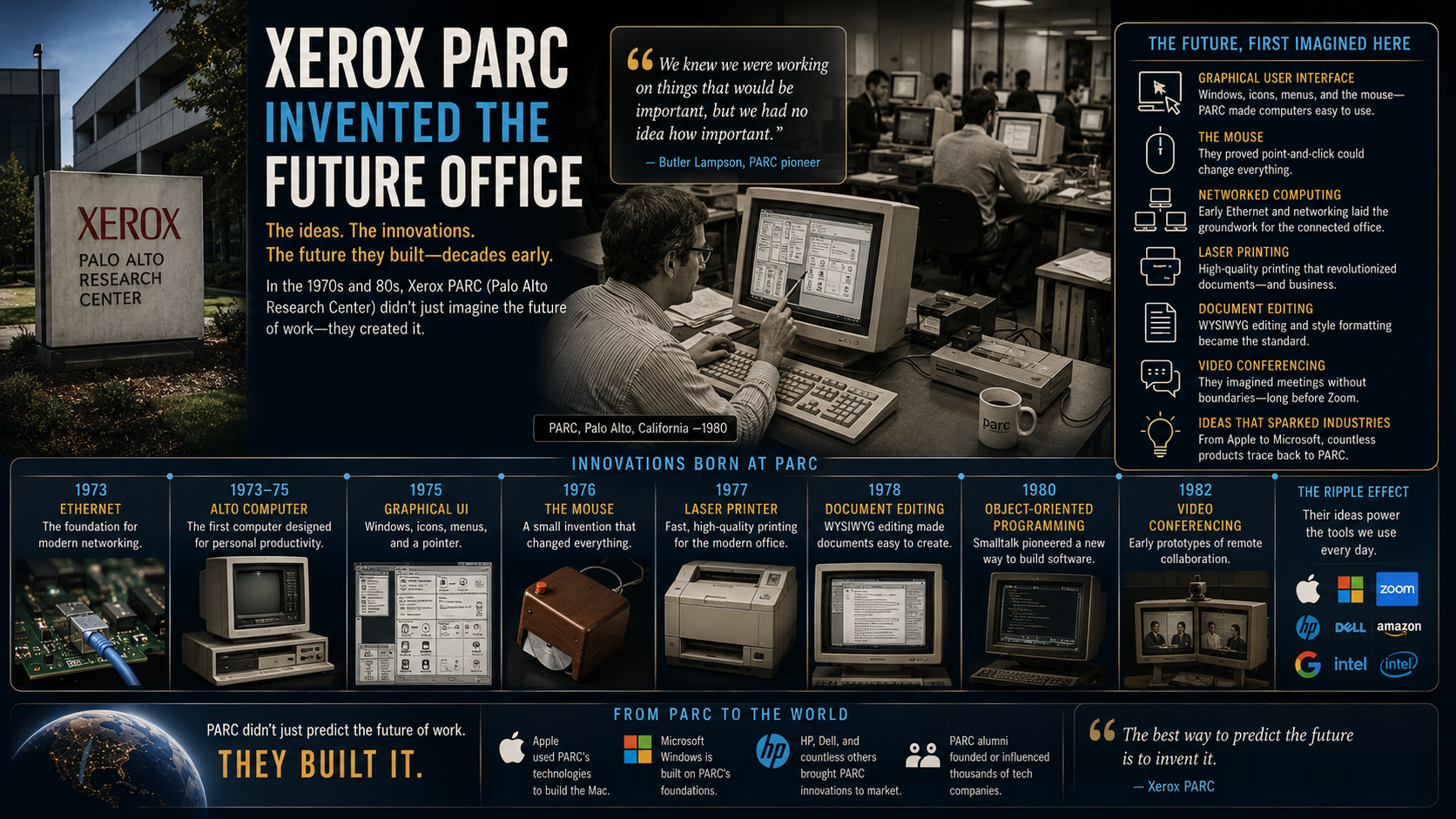
The Lab That Invented Tomorrow
In December 1979, Steve Jobs saw echoes of the future inside Xerox PARC's halls. There, in a secluded lab, lay the blueprint for the modern tech landscape.
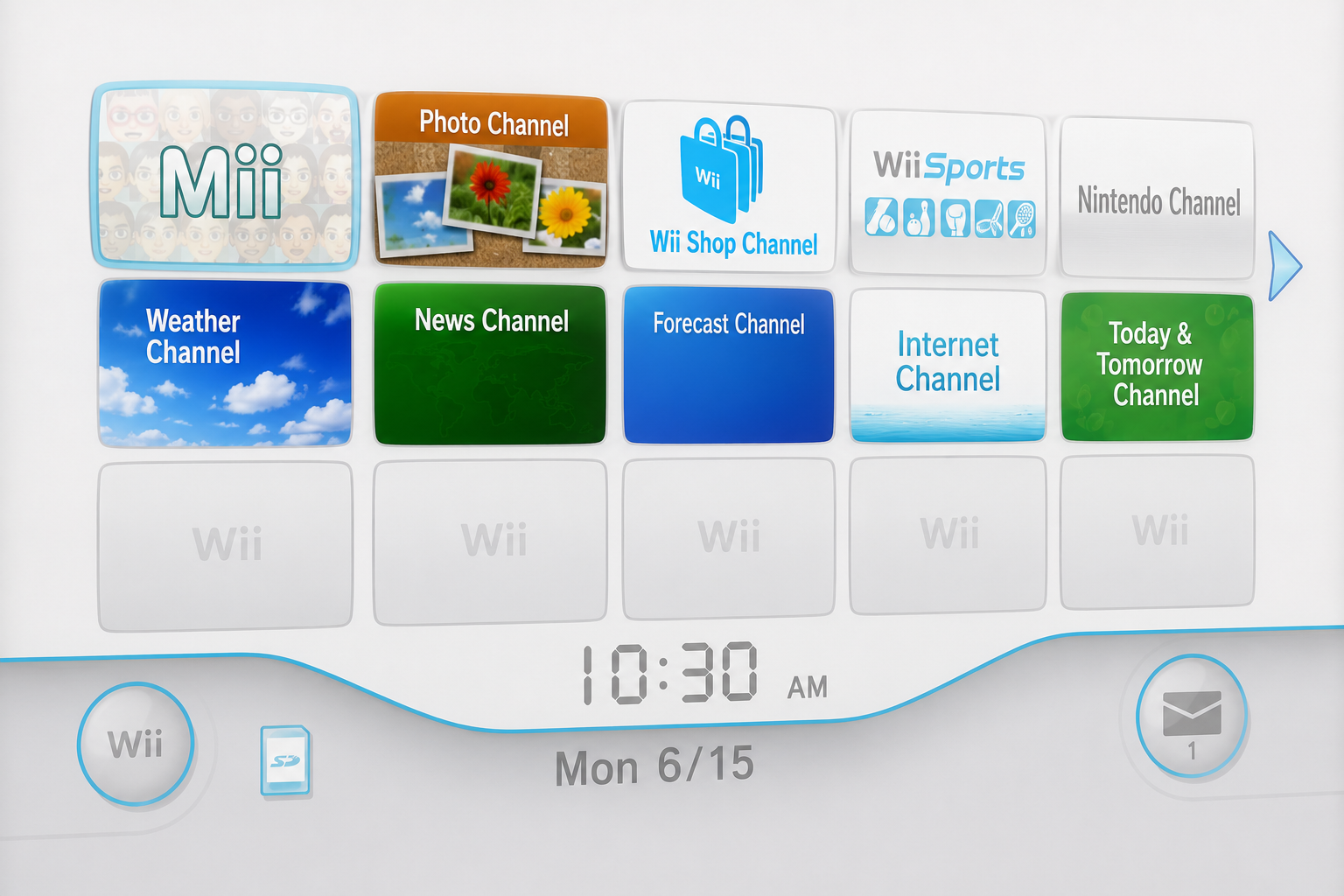
The Wii Gamble That Saved Nintendo
In a world obsessed with graphics and power, Nintendo bet on simplicity. The Wii was laughed at — until it wasn't.
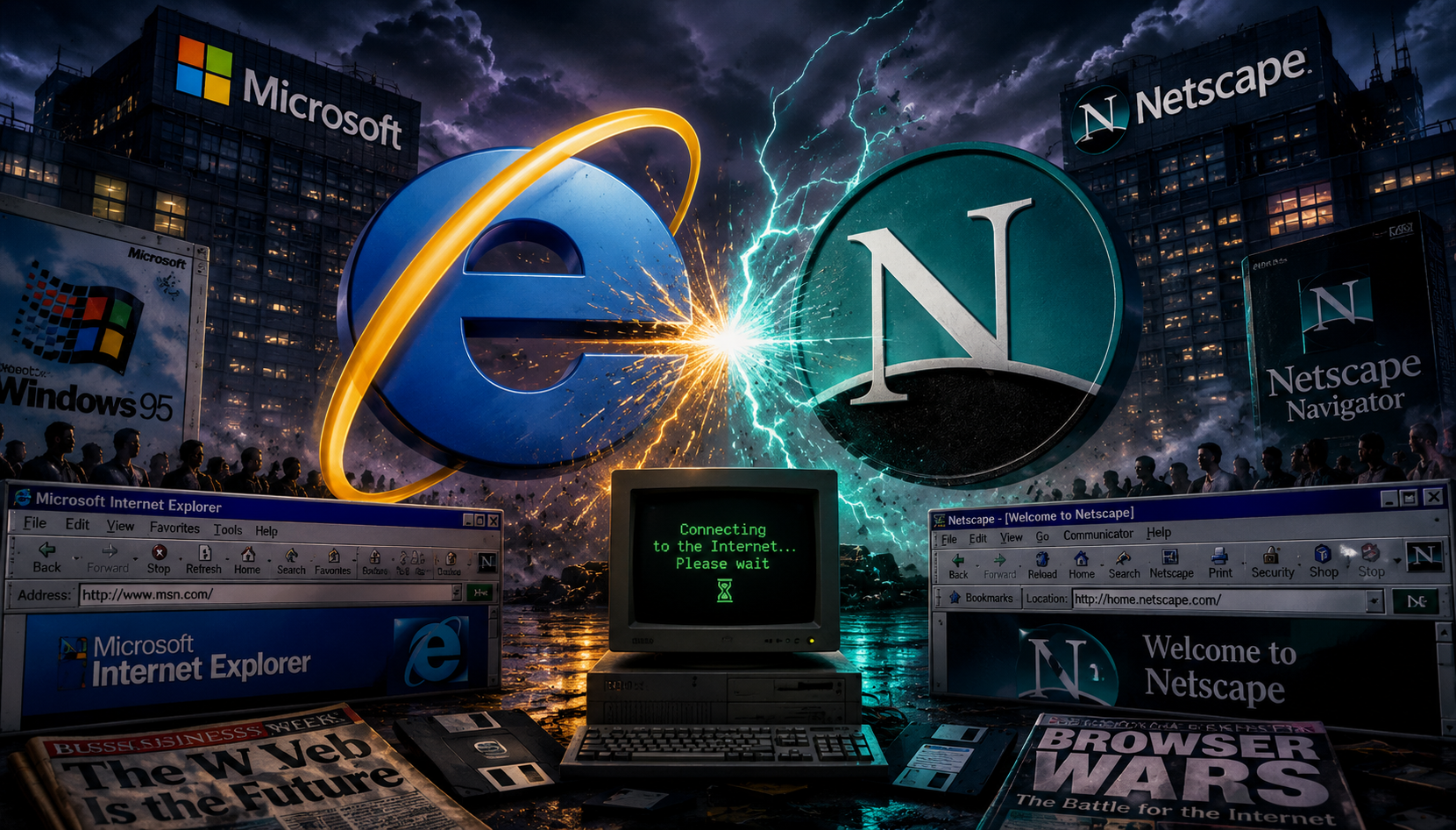
The Browser War That Built the Internet
In the mid-1990s, a software battle erupted that would shape how billions accessed information. Few could predict that the victor would soon face its own downfall.

Pixar's Radical Feedback Loop
In a stark, unadorned room, some of the most powerful voices in animation face off with ruthless honesty. Their weapons? Brutal feedback that molds raw ideas into cinematic gold.

The Chicken That Changed Retail
Costco's $4.99 rotisserie chicken isn't just a meal — it's a strategic masterpiece. The unexpected ripple effects changed retail forever.
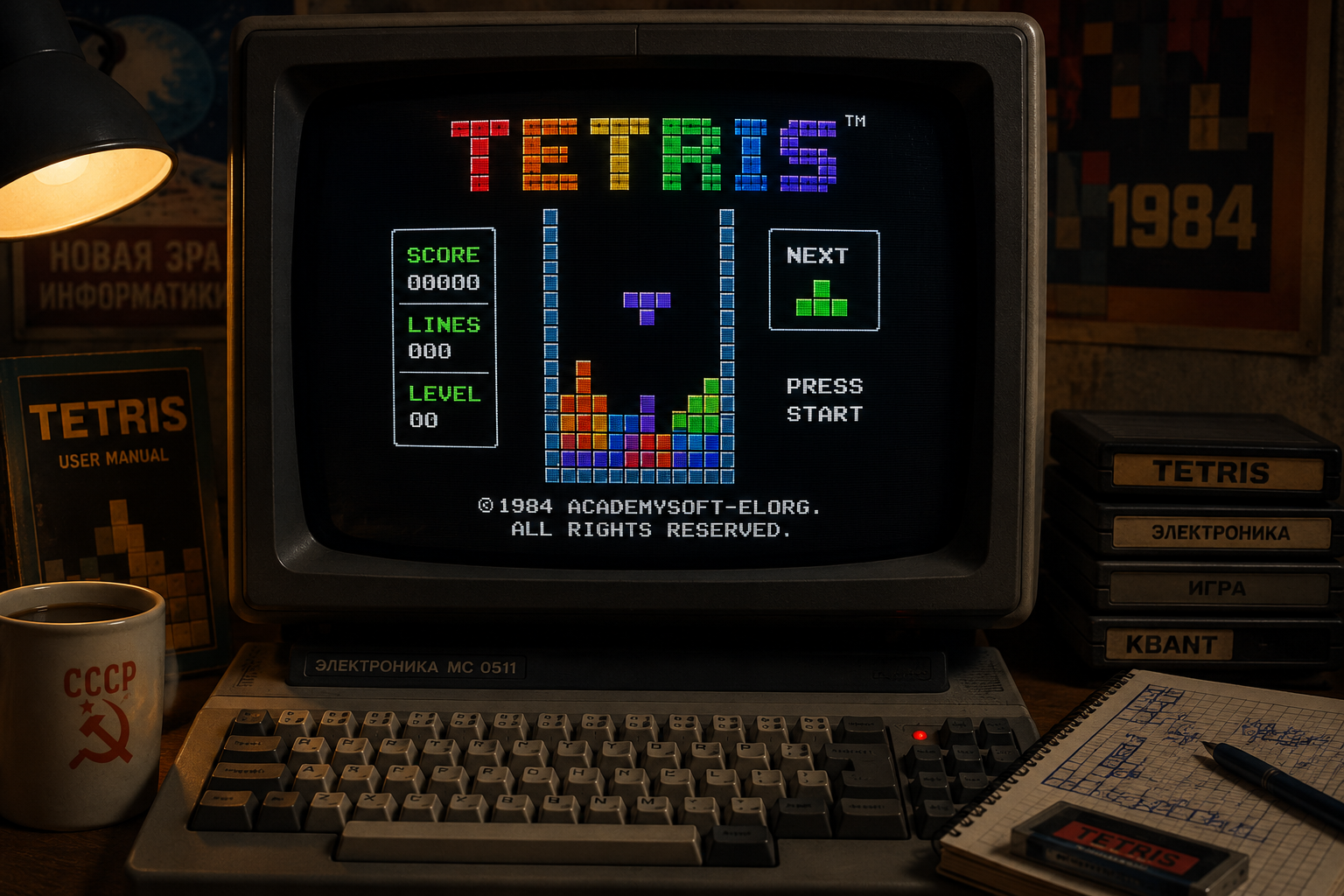
The Puzzle that Conquered the World
A Soviet engineer at his desk, unknowingly poised to create a legend. His creation? Tetris — a game that would break barriers and forever alter the gaming landscape.
Continue the Rabbit Hole
Each story explores the same idea from a different angle. Follow the connections and discover where the thread leads.





Fictional placeholder content