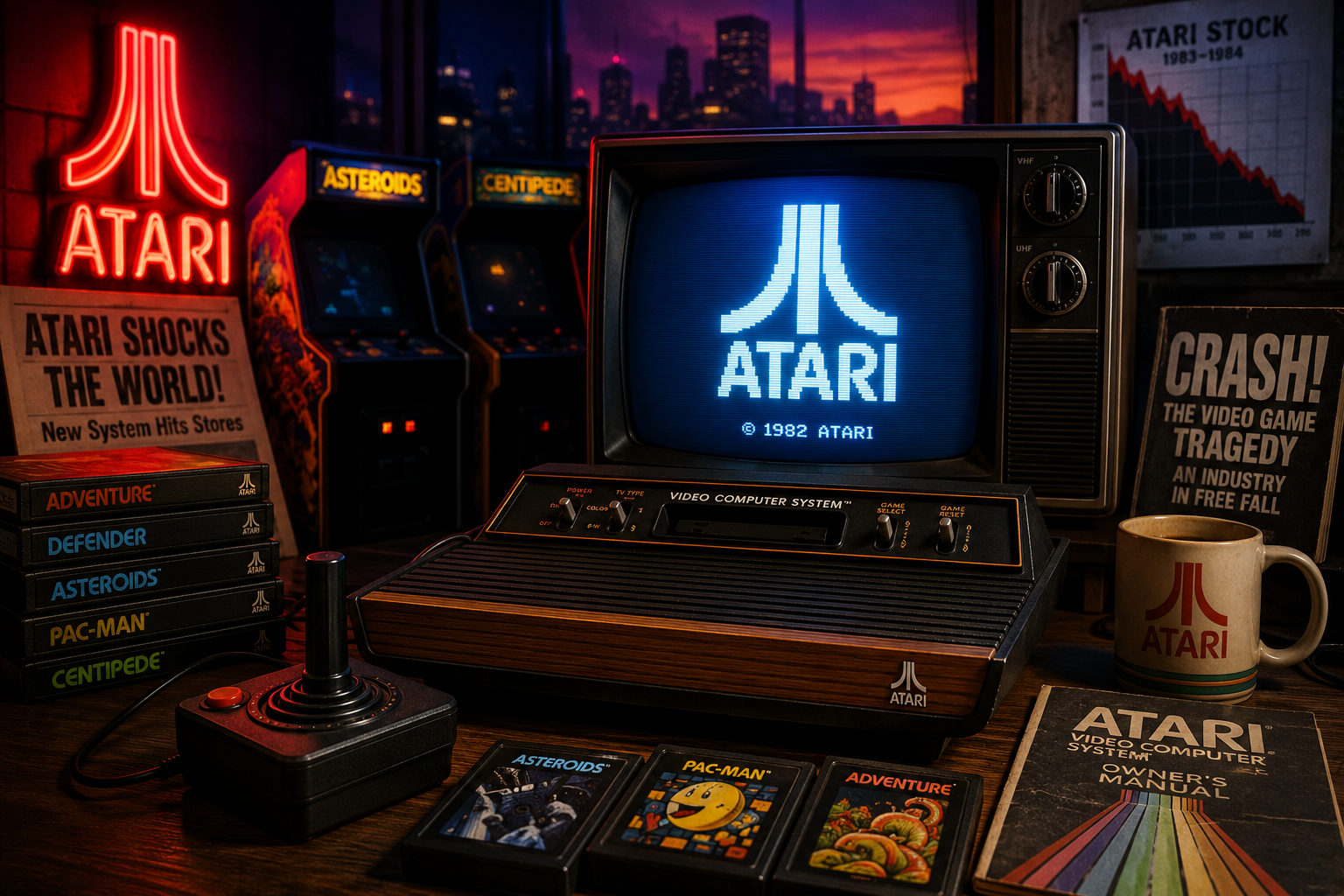
Atari's Virtual Fall from Grace
"Atari, once a $2 billion titan, crumbled beneath the weight of its own success. What went so terribly wrong?"
What Happened?
Imagine the year is 1982. Atari is riding high, a behemoth in the nascent video game industry with nearly $2 billion in annual sales. The company, co-founded by the visionary Nolan Bushnell, has turned Pong and Pac-Man into cultural phenomena. But just as swiftly as its rise, the empire begins to crumble. By 1983, Atari's fortunes plummet. It reports a staggering $536 million loss, as the entire video game industry nose-dives. What went wrong?
The cracks in Atari’s foundation had been forming long before the collapse. Walter Isaacson, in his book, notes that Nolan Bushnell’s departure left a vacuum in leadership that was never properly filled. Meanwhile, Ray Kassar’s management style fostered a toxic culture that drove away talent, like the developer Al Alcorn. This exodus of creativity coincided with Atari’s rash decision to saturate the market with console variations and lackluster games.
An even broader storm was brewing—the 1983 video game crash. Saturated markets, a loss of consumer faith due to poor quality, and an oversupply of consoles led to an industry-wide recession. Atari, once an unbeatable force, found itself outmaneuvered by rising competitors like Nintendo and Sega, who quickly filled the void Atari left behind.
In 1984, Atari’s assets were sold to Commodore founder Jack Tramiel, who attempted to salvage the wreckage by restructuring the company into Atari Corporation. Yet, the golden age of Atari was already history. As we look back, the rise and fall of Atari isn't just about one company's failure. It's a cautionary tale of how quickly innovation can be undone by hubris, mismanagement, and a failure to adapt. Ironically, it set the stage for the very competitors that would perfect the industry model Atari pioneered.
Takeaway
The lesson this story keeps teaching
“Success created the conditions for its own collapse: Atari soared too fast to see the ground rushing up.”
Why People Are Talking About This
Atari’s extraordinary rise and fall offers a powerful lens into how prior successes can foster unprecedented blindness to future risks. It exemplifies how a wave of unchecked confidence can drown even the strongest pillars of innovation.
This story matters as a current-day beacon for tech enterprises. In a world driven by speedy successes, Atari stands as both a warning and a guide, showing that vigilance in the management of growth can make the difference between success and spectacular failure.
Thread Map
9 entities · 8 connections · Hover to explore, click to inspect
This is the connection map for this thread. Every node is a person, company, event, or idea. The red lines show how they connect. Hover a node to highlight its connections. Click a node to see why it matters to this story.
How We Got Here
Atari Emerges with Visionary Founders
Nolan Bushnell and Ted Dabney establish Atari, marking a groundbreaking start in the video game industry. Their first game, Pong, would set the stage for a revolution.
Warner Acquisition Changes Direction
Warner Communications takes control of Atari with a sizable purchase, aiming for global expansion. This move signals a shift from intimate innovation to corporate-driven goals.
Pac-Man Takes Over
Atari releases Pac-Man to the home console market. It becomes an overnight sensation, boosting Atari's profile and profits, but also setting high consumer expectations.
Atari Enjoys a $2 Billion High
Atari reaches the pinnacle of success, becoming the fastest-growing company in America. But rapid expansion starts masking internal cracks and operational challenges.
The Video Game Industry Crashes
The infamous crash shakes the industry, revealing Atari’s reliance on substandard games. E.T. becomes synonymous with failure as unsold copies are buried in a New Mexico landfill.
Jack Tramiel Takes Over
Warner sells Atari's consumer operations to Jack Tramiel, founder of Commodore. Tramiel’s focus shifts from games to rescuing what remains by entering the computer market.
Nintendo and Sega Rise
The gaming market stabilizes under new leaders. Sega and Nintendo capture the attention and trust of former Atari enthusiasts, leveraging quality-driven product strategies.
Atari's Final Console Attempt
Atari launches the Jaguar console in an ambitious revival attempt but faces defeat in the bustling market dominated by well-established competitors.
Atari Brand Lingers On
Though largely diminished, the Atari brand continues to hold cultural significance, living on through nostalgia and retro gaming enthusiasts worldwide.
Wait... Who Is This?
From a modest beginning in a Sunnyvale office, Atari swiftly rose to prominence. Co-founders Nolan Bushnell and Ted Dabney, driven by a visionary idea, launched Pong, a game that redefined entertainment and captivated the public imagination.
By the late 1970s, Atari had expanded massively under Warner Communications' ownership, embodying a new cultural phenomenon. Yet, rapid growth held an unspoken peril; the company's foundational cracks remained hidden under layers of success.
Unbeknownst to many, Atari's market dominance shielded underlying flaws. The boardroom, initially the launchpad of genius, transformed into an arena of inefficient decision-making. As competitors eyed the market differently, the fatal flaw was lurking unseen: Atari's pace of triumphs masked fragile internal structures. It was becoming an empire constructed on the edge of a precipice, where the push to meet demand would eventually capsize its once-elite standing.
Receipts
The Atari Timeline
Inside Atari's rise and fall | TechCrunch
What we can learn from the rise and fall of Atari
The History of Atari – Entertainment Junkie Blog
The Atari Timeline
Atari: The Rise and Fall of the Company That Built Home Gaming
Same Pattern
Different story. Same lesson.
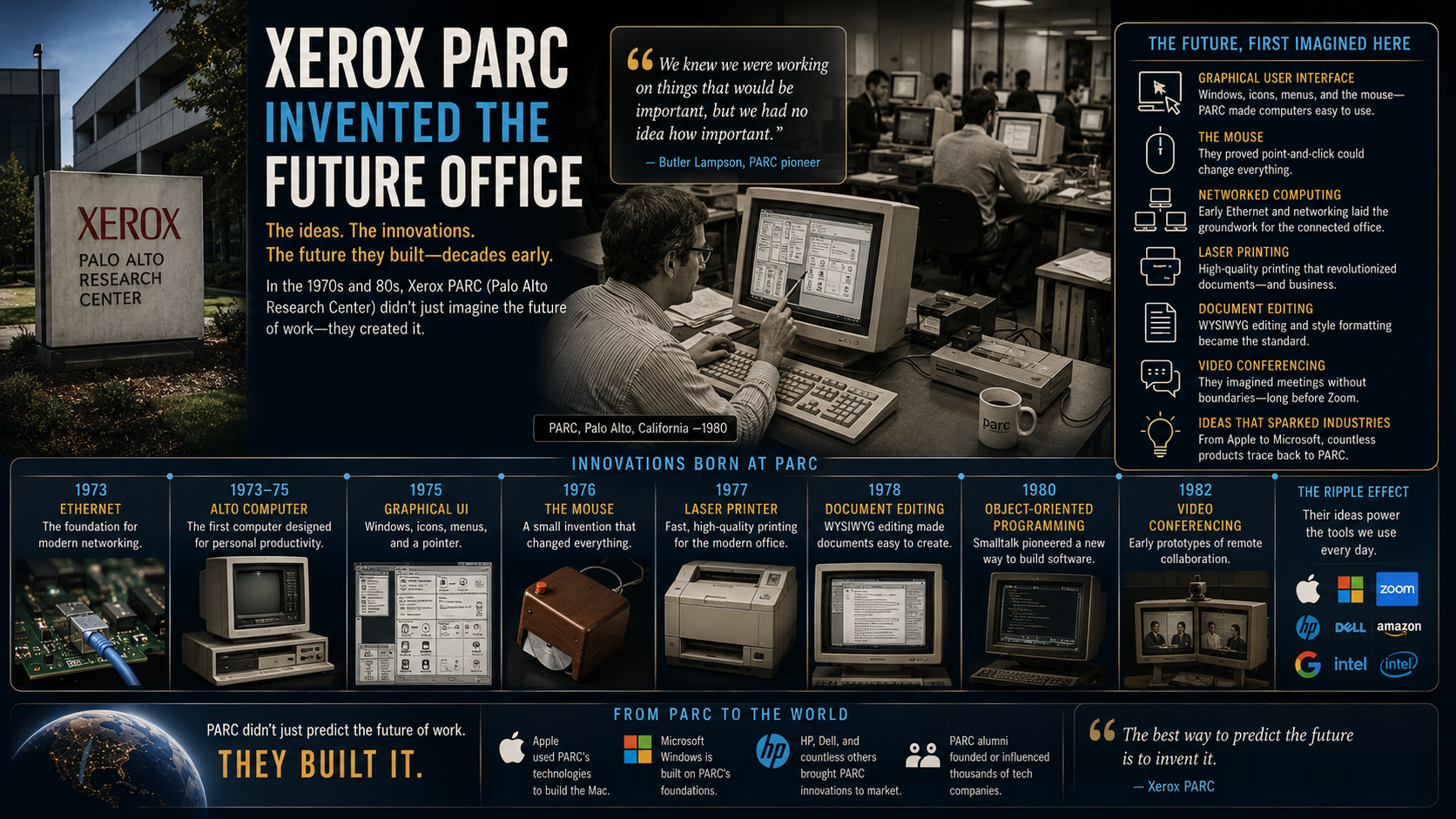
The Lab That Invented Tomorrow
In December 1979, Steve Jobs saw echoes of the future inside Xerox PARC's halls. There, in a secluded lab, lay the blueprint for the modern tech landscape.

Pixar's Radical Feedback Loop
In a stark, unadorned room, some of the most powerful voices in animation face off with ruthless honesty. Their weapons? Brutal feedback that molds raw ideas into cinematic gold.
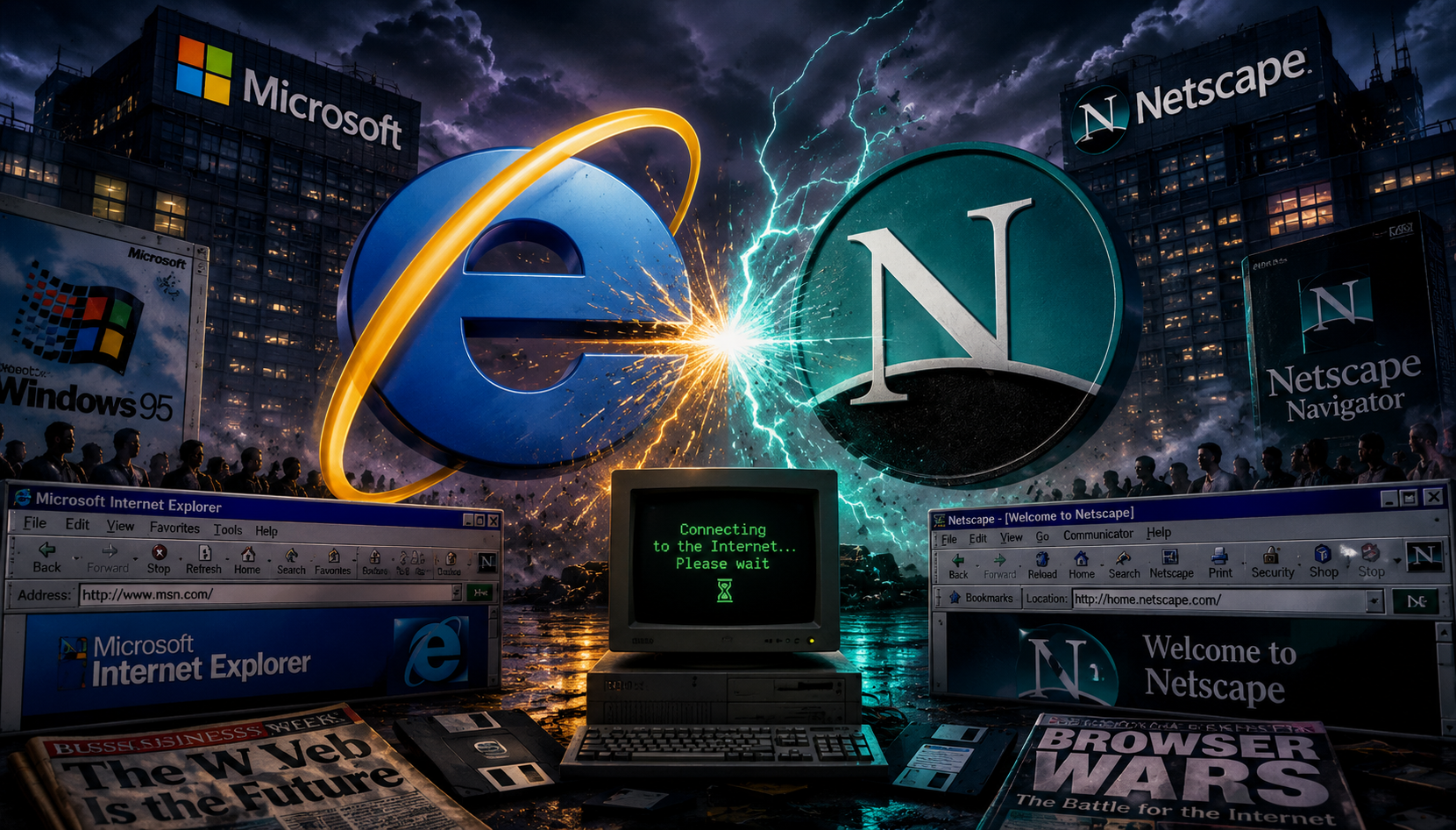
The Browser War That Built the Internet
In the mid-1990s, a software battle erupted that would shape how billions accessed information. Few could predict that the victor would soon face its own downfall.
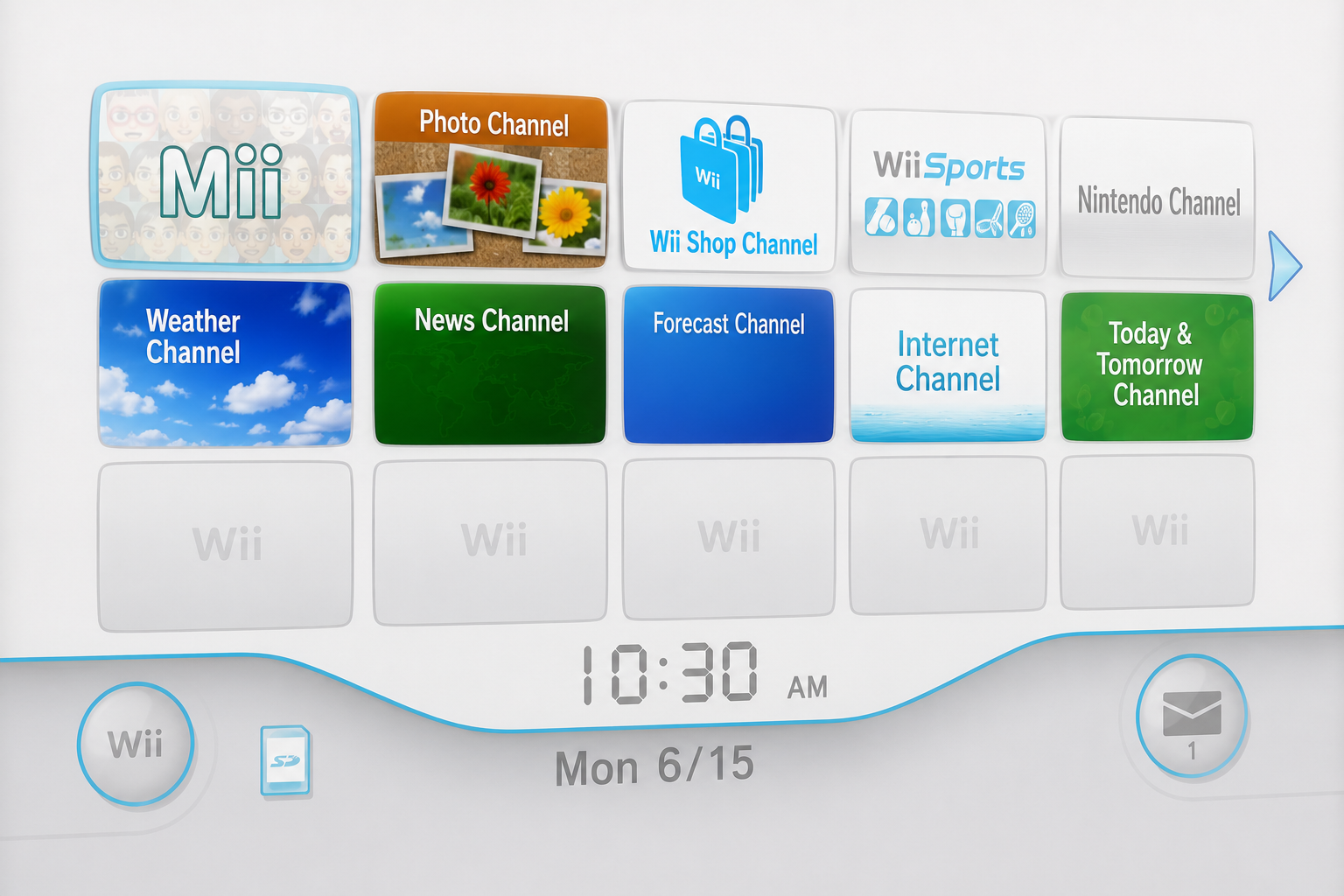
The Wii Gamble That Saved Nintendo
In a world obsessed with graphics and power, Nintendo bet on simplicity. The Wii was laughed at — until it wasn't.

The Chicken That Changed Retail
Costco's $4.99 rotisserie chicken isn't just a meal — it's a strategic masterpiece. The unexpected ripple effects changed retail forever.

Minority Report's Prescient Touchscreen Reality
In 2002, Hollywood imagined a future of seamless touchscreen interfaces. Today, Steven Spielberg's vision feels eerily prescient as technology catches up.
Continue the Rabbit Hole
Each story explores the same idea from a different angle. Follow the connections and discover where the thread leads.







Fictional placeholder content