The AOL Revolution
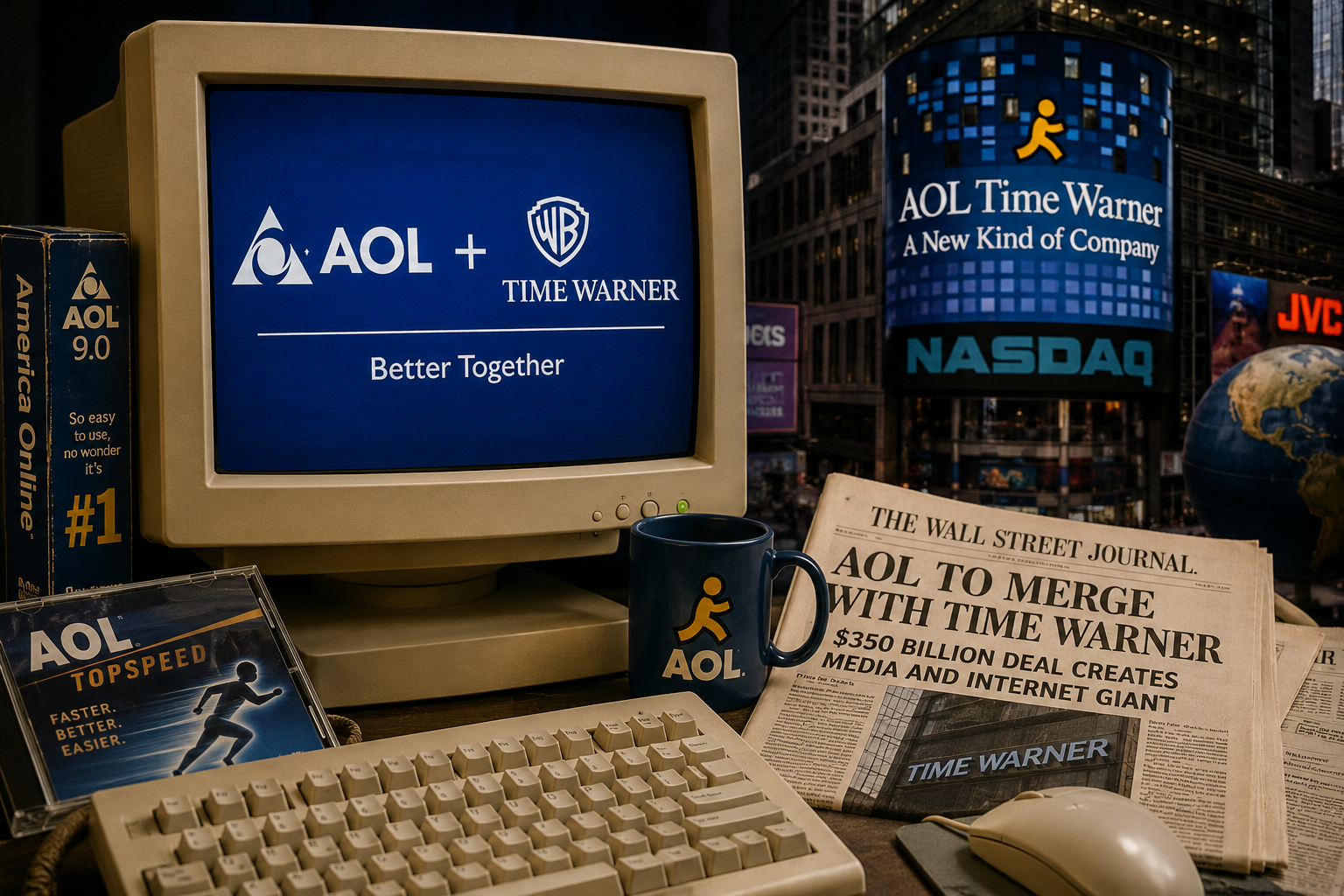
"On January 10, 2000, the internet world shook as AOL announced its merger with Time Warner. It was hailed as a union that would change everything."
What Happened?
In the chaotic aftermath of one of the largest mergers in corporate history, the realization began to sink in: AOL and Time Warner, once thought to be a match made in digital heaven, had collided rather than merged. Just a year before the dot-com bubble burst in 2000, the $350 billion deal created a media behemoth. But behind closed doors, two vastly different cultures were struggling to coexist.
Steve Case, a visionary and relentless advocate for bringing America online, was at the center of it all. As the co-founder of America Online, he had helped transform the company from a small start-up into the world’s biggest internet service provider. Its 'You've got mail' greeting had become iconic, symbolizing the dawn of a new, interconnected era. By 1999, AOL boasted over 20 million subscribers, each engaging with a world that was swiftly moving from dial-up to broadband.
With the merger, Case sought to redefine the media landscape. However, the integration quickly turned fraught. The combined entity struggled under the weight of differing business philosophies and a rapidly changing technological environment. Broadband was overtaking dial-up, and despite AOL's efforts, the transition into broadband services was less than smooth.
Meanwhile, competition from tech giants and the internal clash between old media and new media executives further strained the alliance. As these tensions simmered, the company's stock value plummeted, evaporating nearly $200 billion in shareholder value within just two years. It became apparent that the once-celebrated merger did not guarantee a seamless fusion of innovation and content.
What began as an extraordinary gamble on the future of media ended as a cautionary tale. The merger that was meant to fortify AOL's dominance instead exposed its fragility and marked a turning point for corporate America, shifting the focus towards understanding the volatile marriage of technology and content.
Takeaway
The lesson this story keeps teaching
“Even the giants can fall if they stop adapting. The internet revolution was less about who arrived first and more about who stayed on course.”
Why People Are Talking About This
AOL’s arc from innovation leader to emblem of overreach illustrates the pitfalls of failing to innovate when conditions change. It wasn't merely a service provider; it was a cultural touchstone that faltered in revolutionizing its approach. The merging with Time Warner, billed as forward-thinking, unravelled, highlighting the risky gambit of conflating emerging tech with entrenched media.
In an era where digital strategies define success, companies learned from AOL that adaptability trumps nostalgia. Standing still isn't an option in today’s rapid tech evolution — the lesson AOL pays forward is clear: evolve, or risk becoming yesterday’s giant overshadowed by tomorrow's disruptors.
Thread Map
10 entities · 9 connections · Hover to explore, click to inspect
This is the connection map for this thread. Every node is a person, company, event, or idea. The red lines show how they connect. Hover a node to highlight its connections. Click a node to see why it matters to this story.
How We Got Here
The Merger That Shook Tech
On January 10, 2000, AOL announced its merger with Time Warner in a $350 billion deal that promised to redefine the digital media landscape. The marriage of new tech and old media was seen as inevitable and transformational.
AOL Buys Netscape
AOL acquired Netscape for $4.2 billion in stock, aiming to expand its web browser influence just before the dot-com bubble reached its peak.
The Cracks Begin to Show
Two years post-merger, cultural clashes and strategic misalignments emerge within AOL Time Warner, casting doubt on promised synergies and challenging corporate optimism.
Steve Case Departs
Steve Case announced his resignation amidst growing dissatisfaction over the merger's unmet expectations and AOL's declining dominance.
AOL Rebrands in Struggle
AOL officially rebrands from 'America Online' to 'AOL', signifying a strategic pivot from its subscription roots as broadband prevails.
AOL Enters a New Era
AOL spins off from Time Warner, seeking a fresh chapter after its tumultuous merger courtship, marking the end of an era for the media giants.
Verizon Acquires AOL
Amidst changing digital landscapes, Verizon acquired AOL for $4.4 billion, folding it into its digital media operations.
AOL Joins Yahoo Under Oath
Verizon consolidates AOL with Yahoo to form Oath, attempting to create a new powerhouse in digital media amidst a media convergence landscape.
Wait... Who Is This?
In the mid-80s, Quantum Computer Services emerged, later morphing into what the world would recognize as America Online, or simply AOL. At a time when the internet was still a fascination confined to tech enthusiasts, Steve Case had a vision: transform AOL into the portal of access for the everyday user. His brilliance was in recognizing this potential not as a luxury, but as a fundamental shift in how the world communicated and consumed information.
By the 90s, AOL had become synonymous with the internet itself for millions of Americans, navigating the initial juggernaut of dial-up connections and email communication. It wasn’t just innovative; it was an icon. Yet, as the millennium turned, the landscape rapidly shifted. No longer could reliance on dial-up alone sustain growth. Digital access advanced, birthing broadband technology that promised speed and convenience beyond imagination. Now, AOL stood at a crossroads. To compete, it had to evolve.
The turn of the century saw AOL grab what seemed an unmissable opportunity. Its merger with media empire Time Warner was viewed as logical and, indeed, inevitable. Merging new connectivity with content giants was supposed to reshape how users entertained, informed, and engaged. But as the records show, an empire's creation came with complicated questions. This endeavor would soon reflect the delicate tightrope of broadening horizons while managing present realities.
Receipts
What Ever Happened To AOL? - Internet History Podcast
Timeline: AOL through the years - CNBC
Dial‑Up Signs Off — Remembering AOL’s Role In The Digital Revolution
AOL | History, Services, & Legacy | Britannica Money
FIRSTS Conversation with the Founder of AOL
AOL - Wikipedia
Same Pattern
Different story. Same lesson.
The Fall of BlackBerry
In a boardroom once buzzing with innovation, silence filled the air as BlackBerry executives watched Apple's iPhone dismantle their empire one launch at a time.
The Lab That Invented Tomorrow
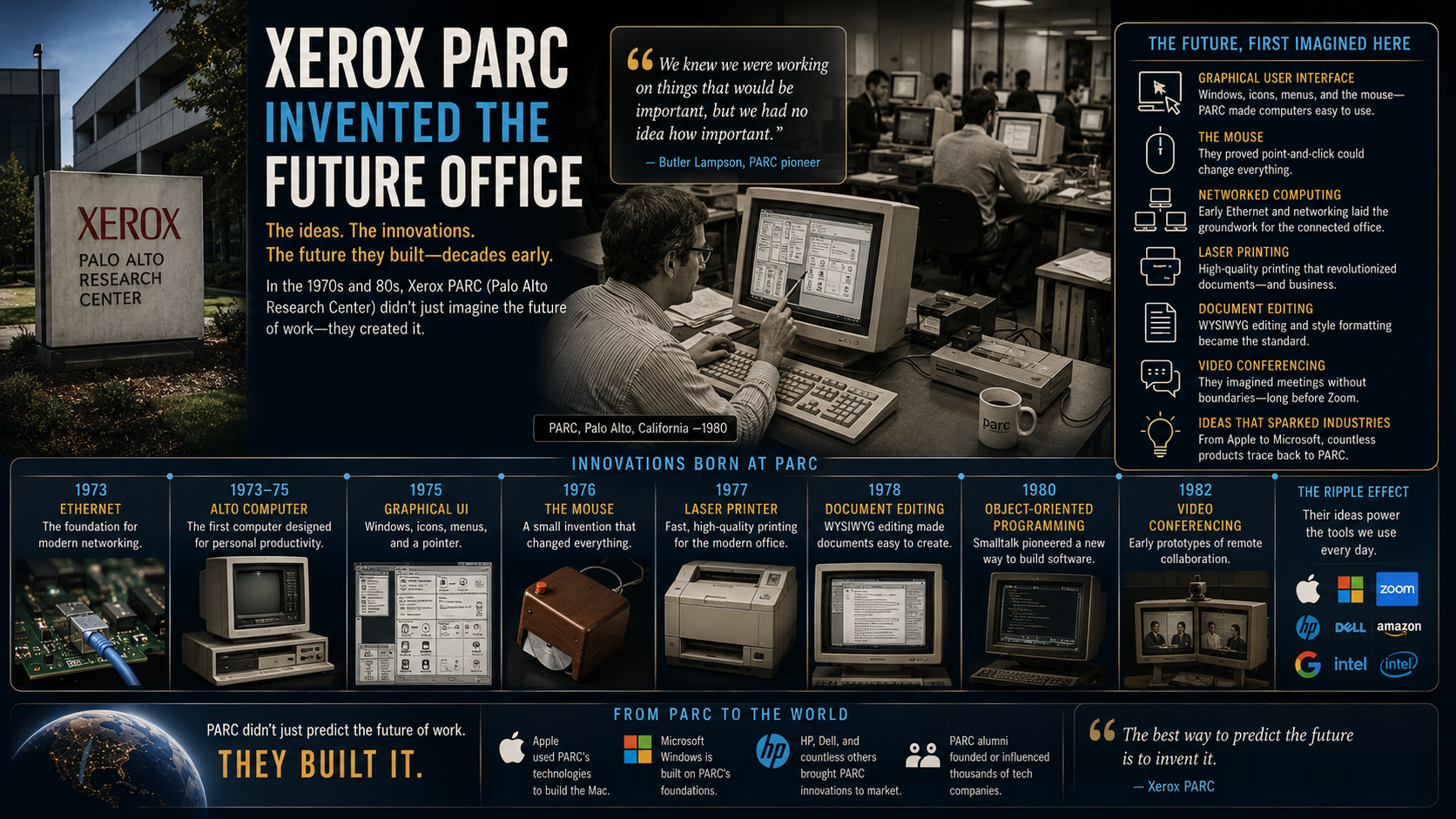
In December 1979, Steve Jobs saw echoes of the future inside Xerox PARC's halls. There, in a secluded lab, lay the blueprint for the modern tech landscape.
The Wii Gamble That Saved Nintendo
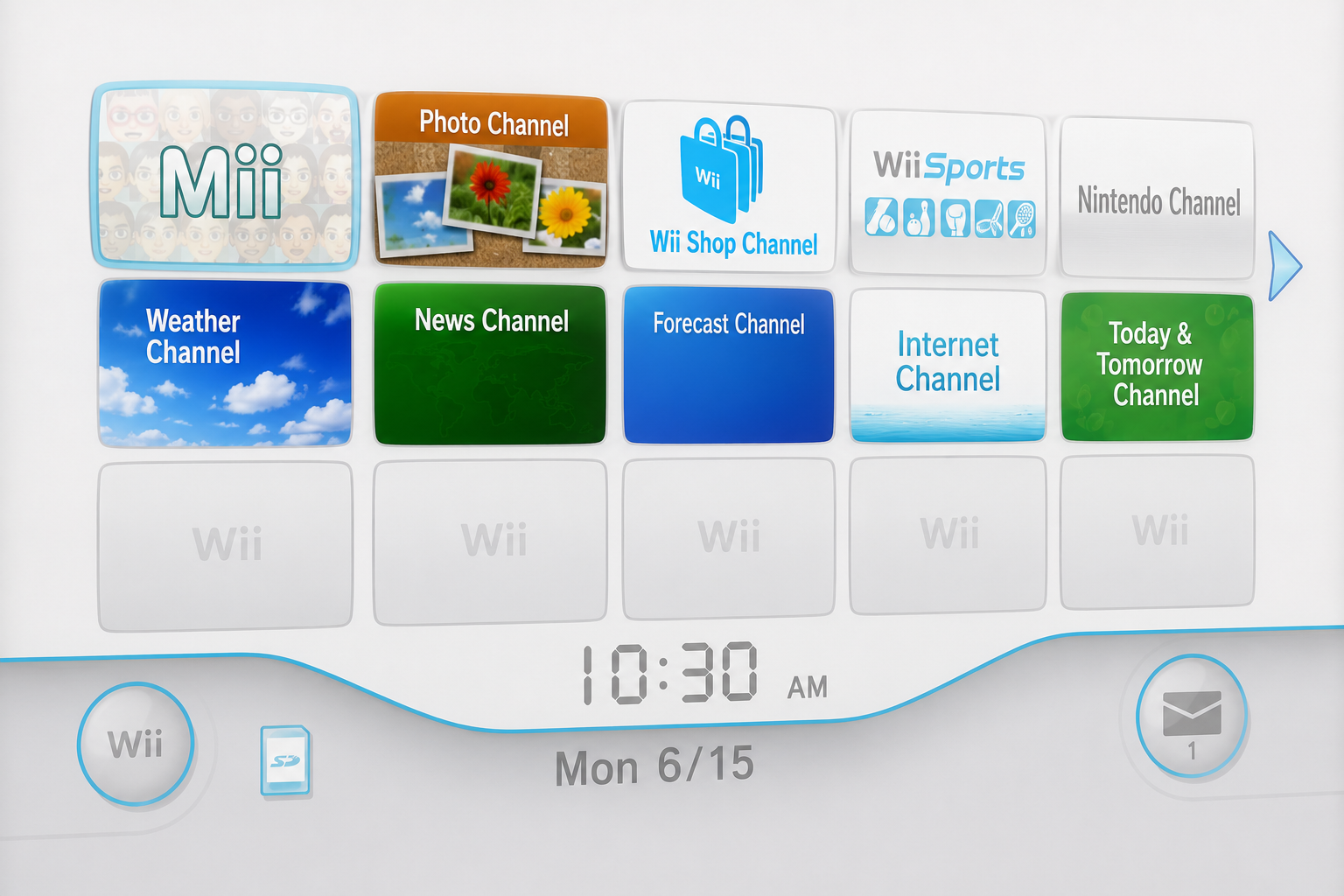
In a world obsessed with graphics and power, Nintendo bet on simplicity. The Wii was laughed at — until it wasn't.
Pixar's Radical Feedback Loop
In a stark, unadorned room, some of the most powerful voices in animation face off with ruthless honesty. Their weapons? Brutal feedback that molds raw ideas into cinematic gold.

The Chicken That Changed Retail
Costco's $4.99 rotisserie chicken isn't just a meal — it's a strategic masterpiece. The unexpected ripple effects changed retail forever.
The Puzzle that Conquered the World
A Soviet engineer at his desk, unknowingly poised to create a legend. His creation? Tetris — a game that would break barriers and forever alter the gaming landscape.
Continue the Rabbit Hole
Each story explores the same idea from a different angle. Follow the connections and discover where the thread leads.



Fictional placeholder content