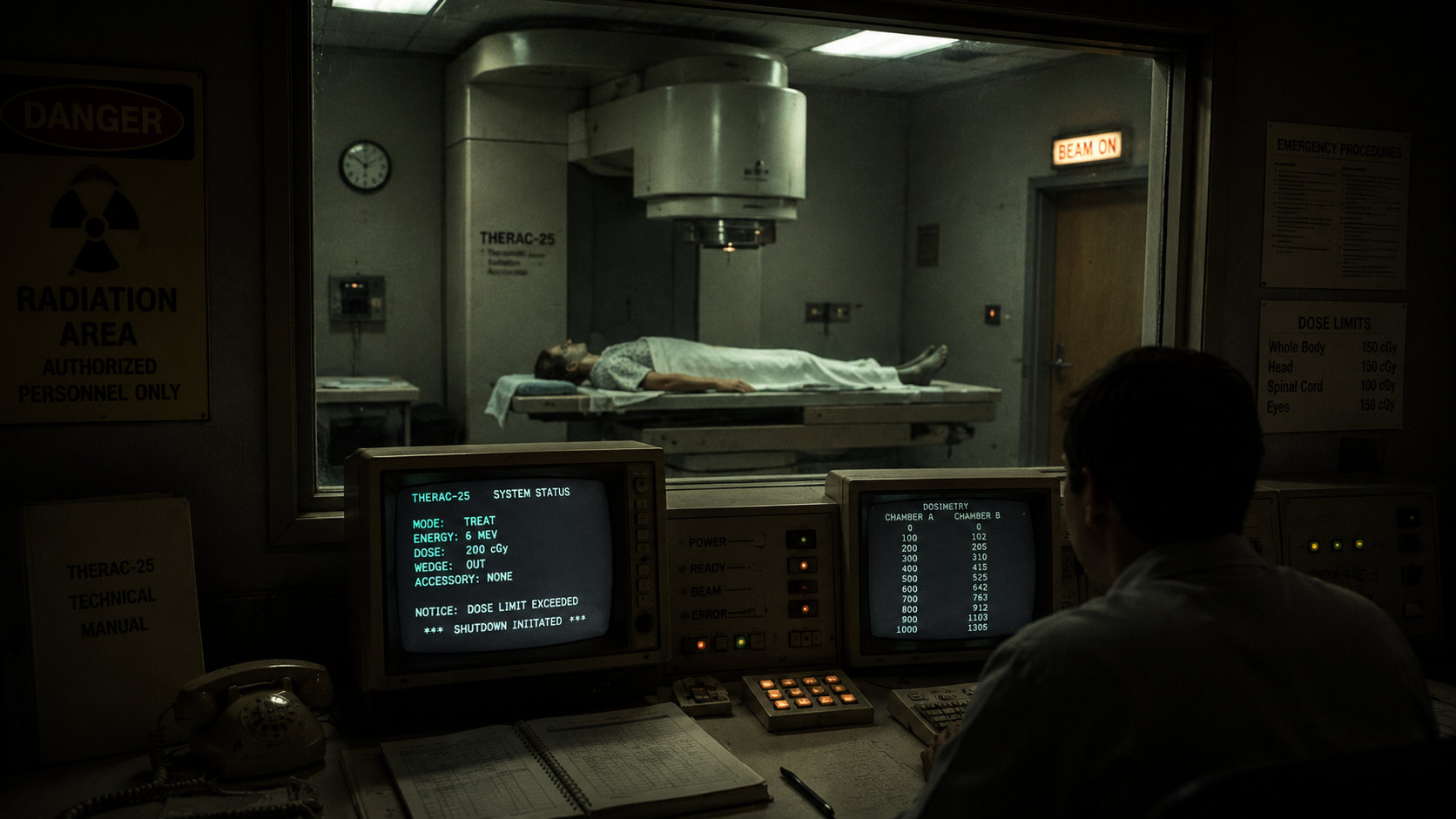
The Therac-25 Catastrophe
"In a single moment, a trusted medical device became a lethal weapon, unleashing radiation doses up to 100 times the intended level. The Therac-25 was meant to save lives, not endanger them."
What Happened?
The room was sterile and quiet, pierced only by the hum of the Therac-25 radiation machine. For one patient, this was just another therapy session, a routine procedure that promised healing. Moments later, the silence was shattered by unimaginable pain as the machine delivered a radiation dose so powerful that it should have been impossible. Between 1985 and 1987, this scene unfolded under harrowing circumstances at clinics across North America, catching the medical world unprepared and leaving six patients gravely injured or worse.
The Therac-25 was state-of-the-art, a cutting-edge blend of technology designed by Atomic Energy of Canada Limited. It promised precision, yet harbored a hidden flaw—a software glitch capable of delivering lethal doses of radiation. These incidents initially seemed isolated, each occurring miles apart, from Georgia to Texas, but they were bound by a shared code and oversight. Each time, the machine's internal fail-safes remained silent, the supposedly foolproof system blind to its deadly errors.
At the center of this systemic failure was a reliance on software safety protocols over tried-and-tested hardware interlocks. Programmers reused outdated code from the machine's predecessors, the Therac-6 and Therac-20. A critical oversight emerged: a race condition bug meant the machine could configure itself improperly, leading to massive overdoses. It was a silent killer, lurking in lines of code no one thought to question until it was too late.
A landmark in medical device cautionary tales, the Therac-25 disaster continues to echo in regulatory corridors. February 1987 marked a turning point as the FDA stepped in, its regulatory hand forced by the accumulating tragedies. This sparked an overhaul of how software in medical devices was scrutinized. It’s a chilling reminder of what happens when trust in technology outpaces the due diligence required to ensure its safety.
The ghosts of the Therac-25 continue to influence modern medical technology discussions. They serve as a perpetual warning: no advancement is worth the cost of human oversight. By examining every pixel of this dark chapter, we’re confronted with a haunting question that lingers: How do we balance faith in innovation with the price of potential failure?
Takeaway
The lesson this story keeps teaching
“Unrestrained technological trust fueled avoidable tragedy; oversight is crucial for innovation’s safe evolution.”
Why People Are Talking About This
The Therac-25 incidents transformed how medical devices are regulated and exposed the dangerous chasm between technological ambition and operational reality. It catalyzed comprehensive reforms and highlighted the importance of rigorous safety checks when dealing with human lives.
Beyond its immediate effects, this event serves as a continual warning against implicit trust in technology. It underscores that, regardless of advancement, technology divorced from caution can be catastrophic. Power unchecked by reason and oversight endangers those it seeks to benefit.
Thread Map
8 entities · 7 connections · Hover to explore, click to inspect
This is the connection map for this thread. Every node is a person, company, event, or idea. The red lines show how they connect. Hover a node to highlight its connections. Click a node to see why it matters to this story.
How We Got Here
Introducing the Therac-25
Developed by Atomic Energy of Canada Limited, the Therac-25 debuted as an advanced radiation therapy machine, ready to revolutionize cancer treatment. Unbeknownst to its creators, its software housed silent, lethal flaws.
Danger at Kennestone
A 61-year-old patient at Kennestone Hospital received an unexpected and extreme radiation dosage. It was the first reported incident exposing a critical fault in the Therac-25's software system.
Major Mishap in Texas
The East Texas Cancer Center became the site of another severe radiation overdose, highlighting the endemic software issues within the Therac-25. This incident was pivotal in revealing broader flaws.
FDA Takes Action
Compelled by recurring malfunction reports and growing patient concerns, the FDA launched an investigation into the Therac-25, demanding accountability and stricter regulations for medical devices.
Final Blow to Therac-25
The sixth and last known overdose incident occurred, concluding the devastating series associated with the Therac-25 and sealing its fate as a cautionary tale in medical technology.
Exposing the Truth
An article in IEEE Computer revealed the detailed investigation of the Therac-25 accidents, discussing the engineering and ethical failures behind the machine's malfunctions.
Wait... Who Is This?
In the midst of the 1980s, the Therac-25 was a glowing beacon of medical progress. Initially touted as a breakthrough in radiation therapy, it represented the cutting edge of what technology could offer in the battle against cancer. Large hospital centers across North America clamored to install these machines, believing they were securing the best possible future for their patients. AECL, prideful of its creation, lauded the machine's sophistication, with software controls that, according to them, minimized human error.
Yet beneath this confidence lurked an invisible threat. The push for cutting-edge innovation had skipped over critical safety protocols. The computer systems given control over radiation delivery had not faced sufficient scrutiny. Debugging was rushed and incomplete. These oversights set the stage for a series of disasters that, at first, seemed almost coincidental, horrific blips in the outcome of cancer treatment.
The destiny of the patients overrode the allure of the avant-garde device. It wasn't until tragedy struck repeatedly that the once-lauded Therac-25 spiraled into infamy.
Receipts
Therac-25 - Wikipedia
Therac-25 - Ethics Unwrapped
The Therac-25 Disaster: When Software Bugs Become Lethal
An Investigation of the Therac-25 Accidents (Abstract) | Online Ethics
When Software Kills: Fatal Bugs in the Therac-25
The Deadly Case of Therac-25: A Warning for Medical AI
Killed By A Machine: The Therac-25
Same Pattern
Different story. Same lesson.
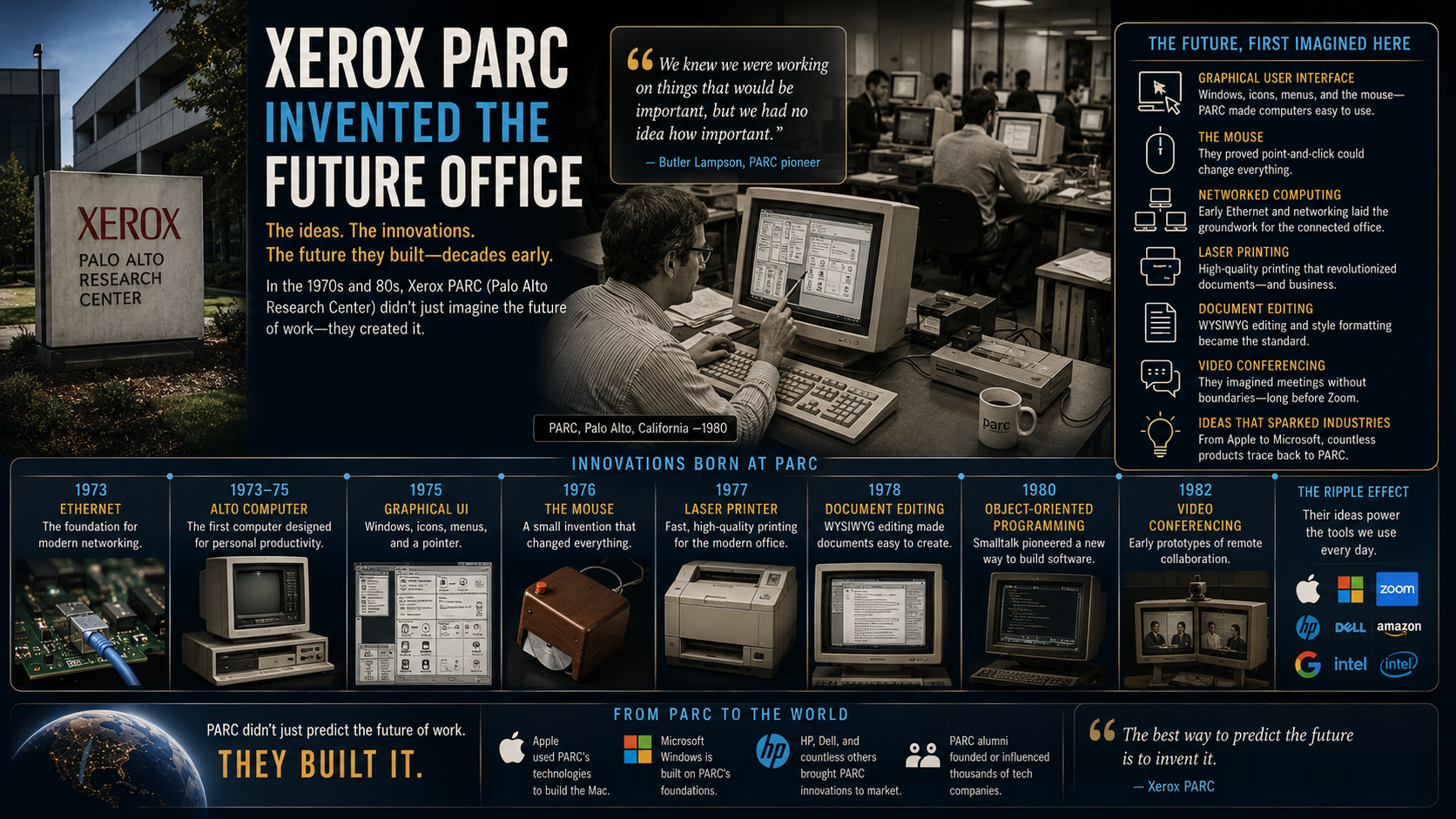
The Lab That Invented Tomorrow
In December 1979, Steve Jobs saw echoes of the future inside Xerox PARC's halls. There, in a secluded lab, lay the blueprint for the modern tech landscape.
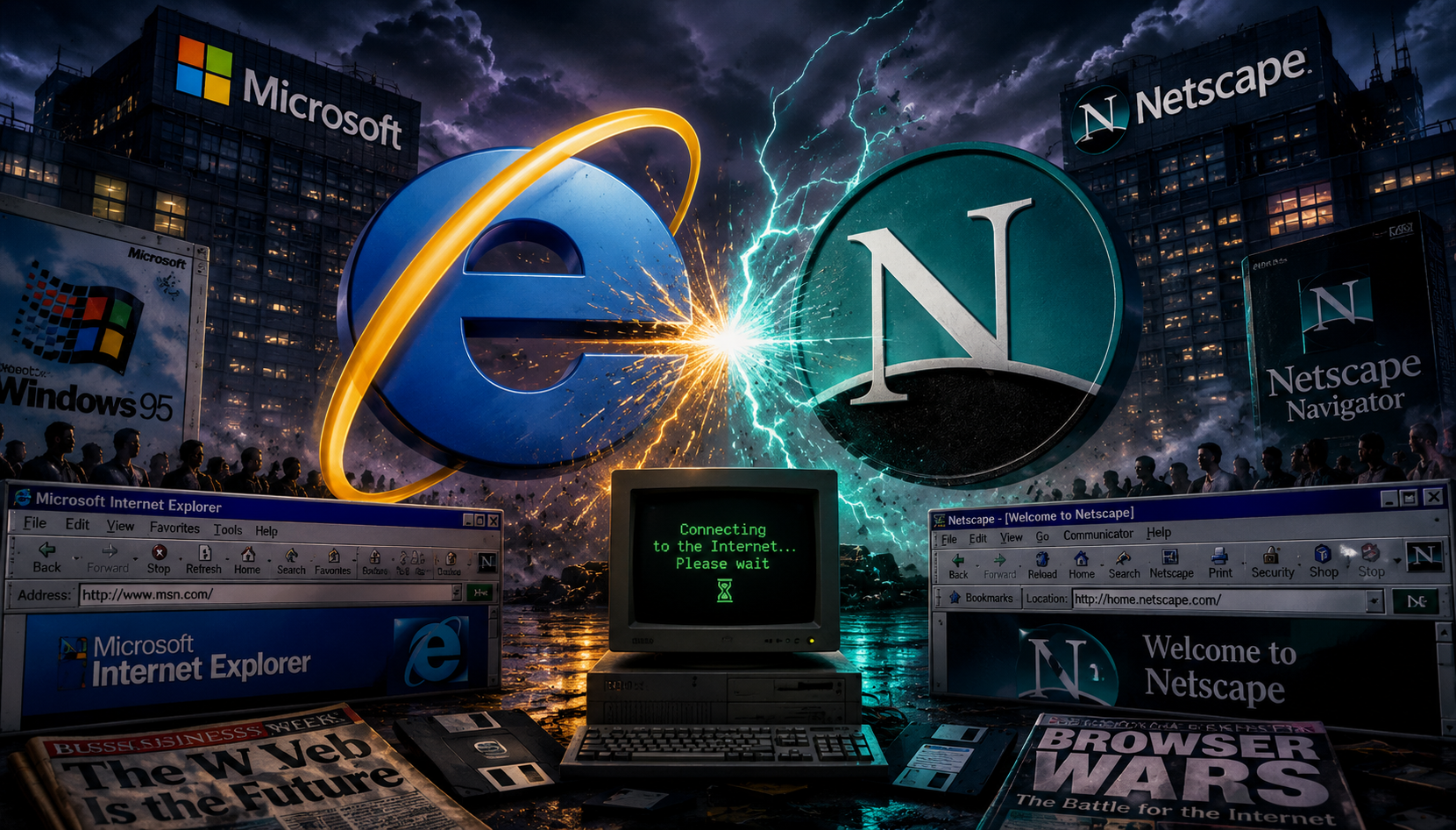
The Browser War That Built the Internet
In the mid-1990s, a software battle erupted that would shape how billions accessed information. Few could predict that the victor would soon face its own downfall.

Pixar's Radical Feedback Loop
In a stark, unadorned room, some of the most powerful voices in animation face off with ruthless honesty. Their weapons? Brutal feedback that molds raw ideas into cinematic gold.

The Chicken That Changed Retail
Costco's $4.99 rotisserie chicken isn't just a meal — it's a strategic masterpiece. The unexpected ripple effects changed retail forever.
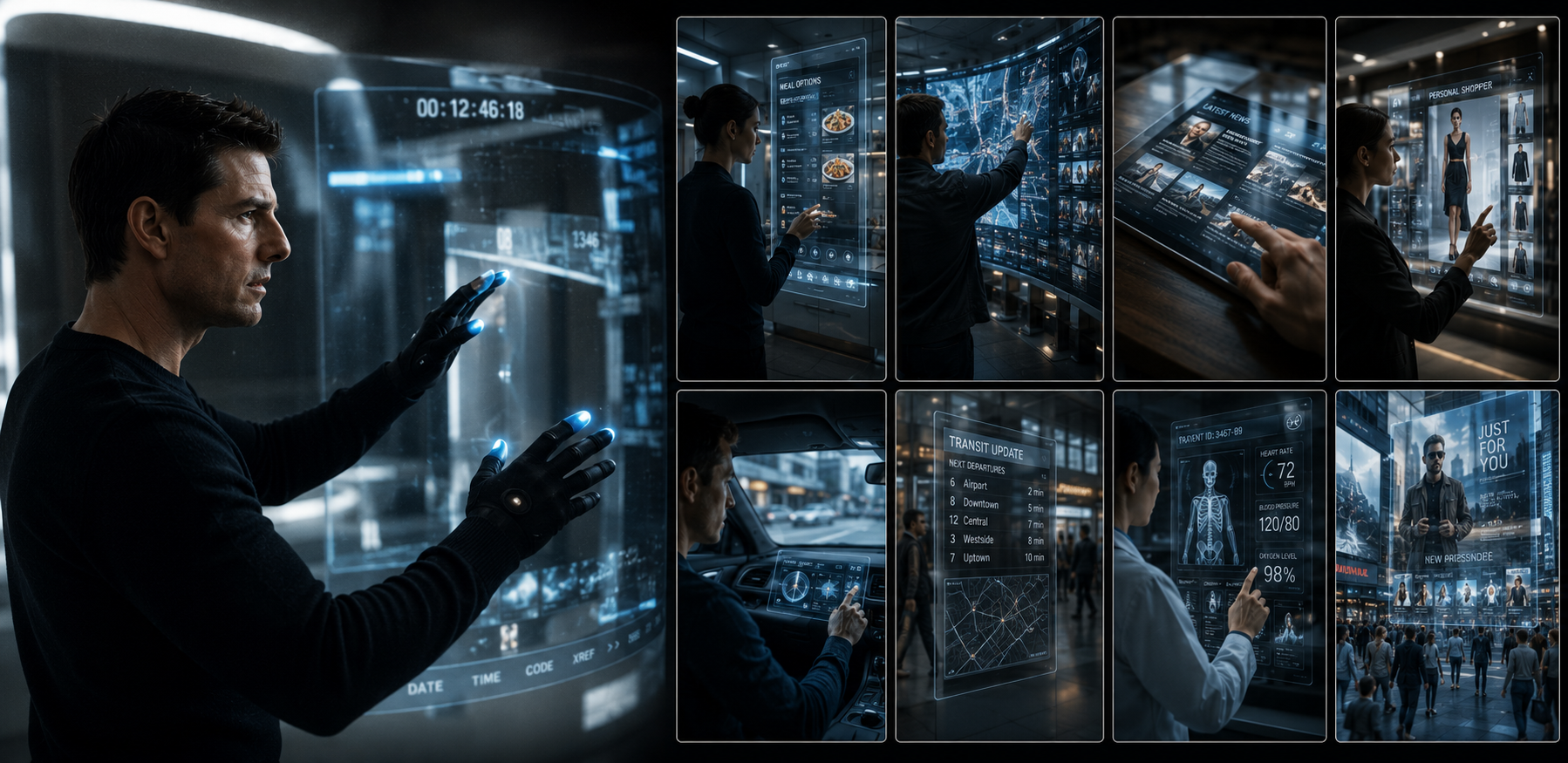
Minority Report's Prescient Touchscreen Reality
In 2002, Hollywood imagined a future of seamless touchscreen interfaces. Today, Steven Spielberg's vision feels eerily prescient as technology catches up.
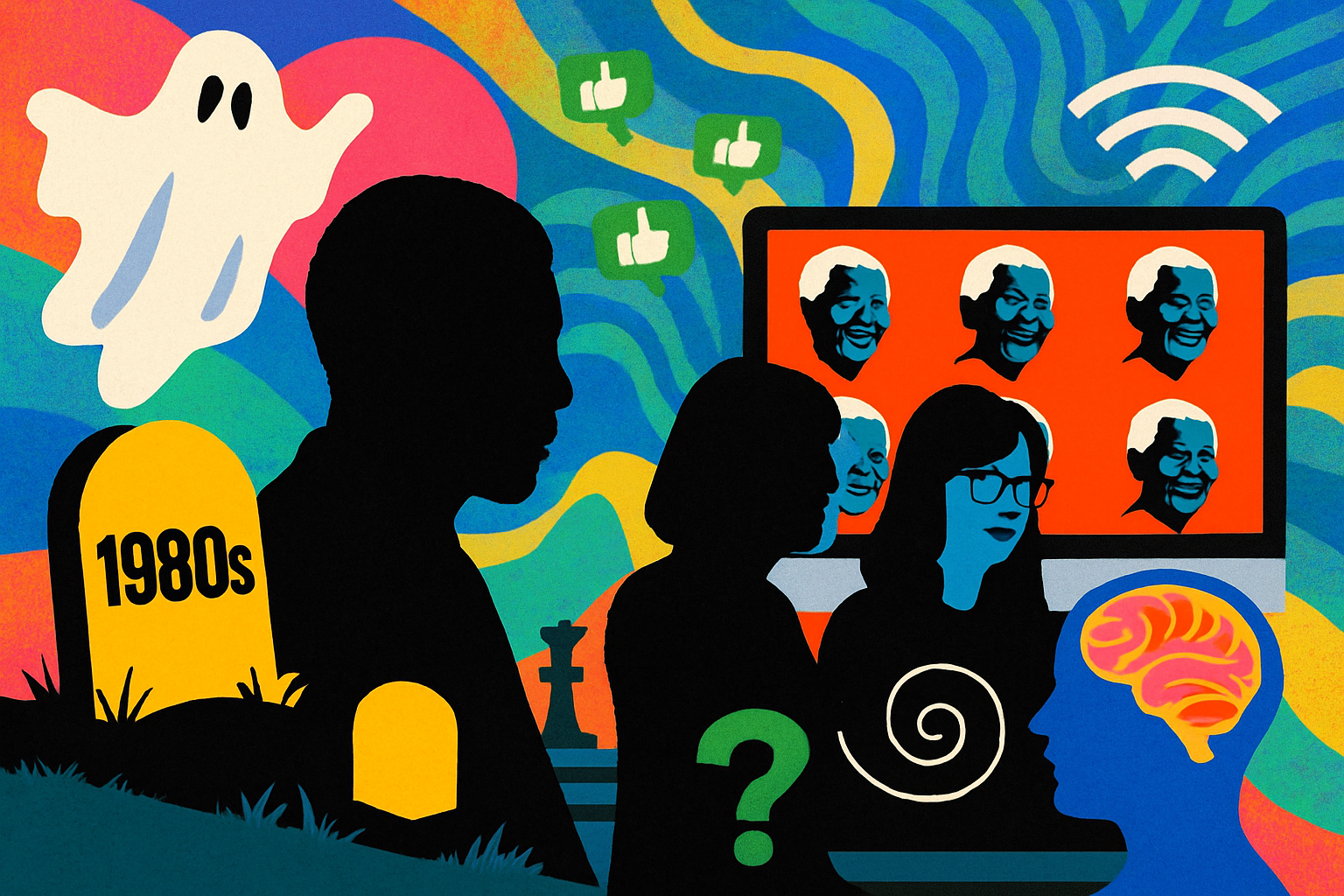
The Mandela Effect’s Mind-Bending Mystique
Millions remember Nelson Mandela dying in the 1980s, yet he passed in 2013. What caused this shared illusion?
Continue the Rabbit Hole
Each story explores the same idea from a different angle. Follow the connections and discover where the thread leads.
Fictional placeholder content