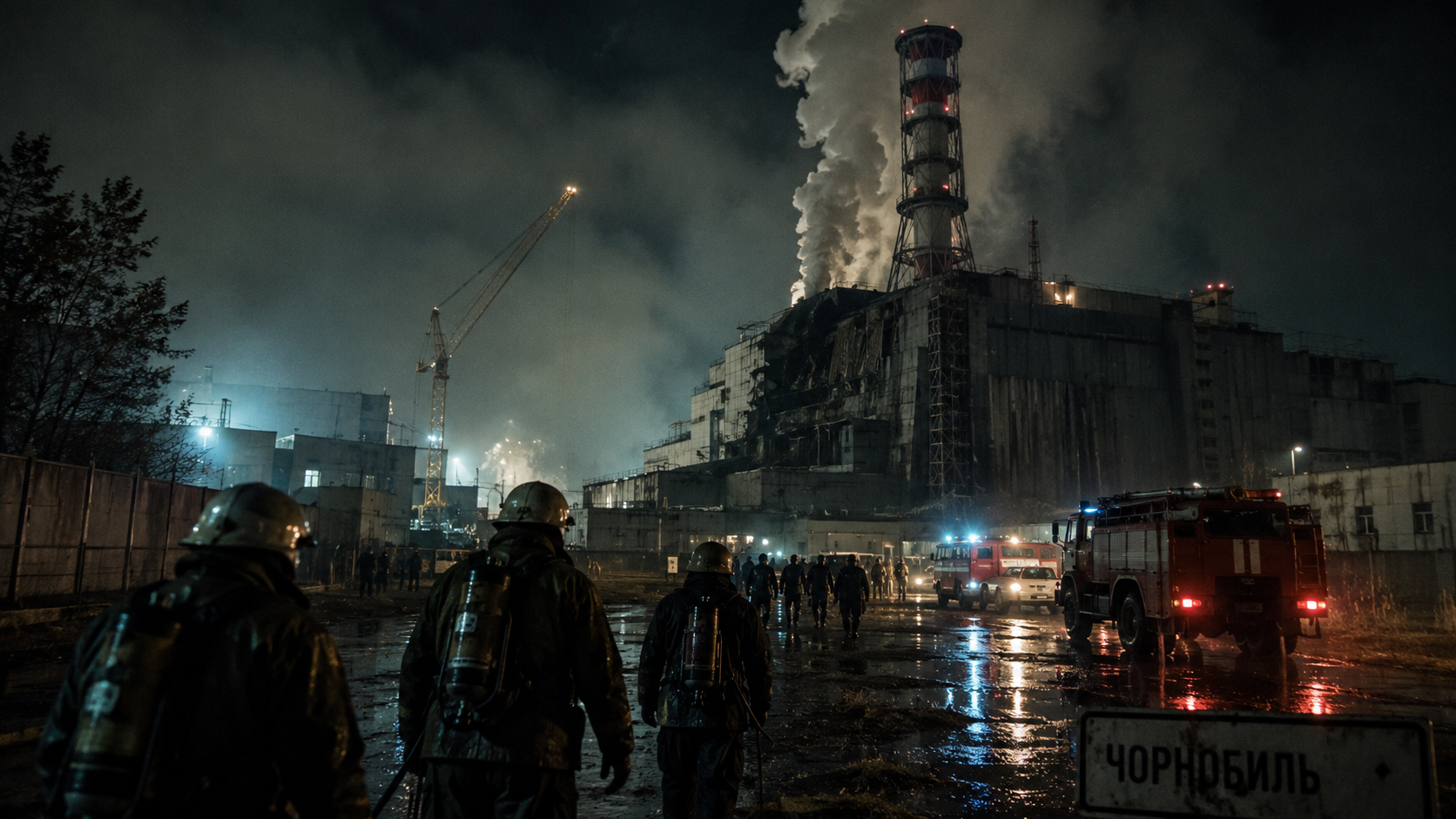
When Chernobyl Became the Unthinkable
"April 26, 1986: Reactor 4 exploded under the control of men who believed they could contain the impossible."
What Happened?
The control room of Chernobyl's Reactor 4 was tense in the early hours of April 26, 1986. What should have been a routine systems test spiraled into catastrophe. At precisely 1:23 a.m., a catastrophic explosion ripped through the facility. It wasn't just the reactor that blew its lid — a hidden iceberg of flawed reactor design and human oversight lay beneath the surface, colliding with dire consequences.
Outside, in the city of Pripyat, life carried on obliviously. Children played, parents worked, all unaware of the invisible threat emanating from the plant just miles away. Two days later, however, the reality was undeniable. Radiation levels spiked in Sweden, forcing the Soviet Union to begrudgingly admit something had gone terribly wrong.
Despite the Kremlin's initial silence, the air was heavy with radioactive material, seeping across borders, seeding long-term environmental havoc and public mistrust. Heroic 'liquidators' — first responders and clean-up crews totaling half a million people — threw themselves at the disaster. Their monumental task: contain the spewing radiation before it could claim more lives.
The fallout was relentless. Over 115,000 people evacuated from regions surrounding Chernobyl, while a shroud of uncertainty incapacitated Europe's economic activities and agricultural sectors. Even decades later, the ecological scars remain, with radiation still affecting flora and fauna, as well as tracing shadows on the lives it touched.
The Chernobyl disaster was not just imprinted on the landscape. It was a stark reminder of human fallibility entwined with technological ambition gone awry. Today, as reactors of a similar make continue to operate, Chernobyl's past remains a spectral caution, whispering its lessons to prevent history's darkest echoes from resonating anew.
Takeaway
The lesson this story keeps teaching
“When higher authorities suppress truth, accidents escalate into disasters of global proportion.”
Why People Are Talking About This
Chernobyl remains an indelible mark on history's timeline. The disaster shrouded nations in radioactive unease, changing the nuclear narrative irreversibly. It exposed the unraveling power of authority and the critical need for transparency.
In today’s world, the parallels remain unnervingly stark. The dynamics of control and silence pervade modern institutions. As we venture into high-stakes technology and politics, Chernobyl's lessons on the peril of secrecy are more pertinent than ever.
Thread Map
9 entities · 8 connections · Hover to explore, click to inspect
This is the connection map for this thread. Every node is a person, company, event, or idea. The red lines show how they connect. Hover a node to highlight its connections. Click a node to see why it matters to this story.
How We Got Here
Chernobyl Reactor 4 Explodes
In a catastrophic failure, Chernobyl's Reactor 4 erupts, sending plumes of radioactive particles into the atmosphere. Technicians, oblivious to the full danger, scramble in chaos. This marks the onset of one of the worst nuclear disasters in history.
Sweden Detects Radiation
Radiation alarms sound at Sweden's Forsmark Nuclear Power Plant. As Europe awakens to silent terror, pressure mounts on the Soviet Union. The discovery forces Soviet authorities to admit to an incident after initially denying any problems.
Soviet Union Acknowledges Disaster
With pressure from the international community intensifying, the Soviet Union reluctantly confirms the explosion at Chernobyl, acknowledging an accident occurred. This marked a rare moment of Soviet concession under international scrutiny.
Begin of Pripyat Evacuations
After prolonged Soviet hesitation, evacuation orders are enforced in Pripyat. Over 50,000 residents are abandoned in fear as the risk becomes undeniable. Their displacement sends ripples of urgency across geopolitical lines.
Wider Evacuations Ordered
Following initial evacuations, over 115,000 people from nearby areas are displaced. The expanse of the crisis is felt profoundly beyond immediate borders, as entire communities look back at their possessions through barricades.
Containment and Cleanup Begin
A massive containment and cleanup effort is launched with over 500,000 workers involved, striving to curtail radiation spread. The operation becomes known for its heroic scale, with measures in place to prevent further apocalypse.
Fukushima Accident Draws Parallels
The Fukushima nuclear incident occurs, sparking global comparisons to Chernobyl. Both disasters serve as harrowing reminders of nuclear energy's risks and the necessity for robust safety protocols.
Study on Chernobyl Pollinator Impact Released
A significant study surfaces on the environmental effects of radiation post-Chernobyl, emphasizing long-term ecological implications in the region. It offers new insights into how life maneuvers around radioactive remnants.
Wait... Who Is This?
In the hushed corridors of the Soviet Union, Chernobyl's construction was a beacon of power. The nuclear reactor, standing tall in Pripyat, symbolized Soviet mastery in science and technology. Yet, within its walls, fissures started to appear long before catastrophe.
Reactor design flaws were whispered secrets among engineers. In an environment of compliance over inquiry, dissenting voices were silenced, and safety audits were superficial. Patrolled by the omniscient KGB, the nuclear project's inner workings were veiled in secrecy, fostering a false sense of security.
On April 25, 1986, a safety test spiraled quietly into chaos. Steps intended to ensure operational resilience shredded into fragments of oversight failure. What should have been routine unveiled the unchecked domino cascade of human error and institutional oversight.
As whispers of radiation meandered beyond the Iron Curtain, the Soviet Union faced oppressive global scrutiny. Once a fortress of control, this nation turned into the landscape of a colossal—and ultimately indelible—disaster. Chernobyl became both a historical milestone and a fable of hubris to be etched into memory.
Receipts
Chernobyl disaster - Wikipedia
Chernobyl disaster | Causes, Effects, Timeline, Deaths ... - Britannica
Chernobyl Disaster: Timeline of Nuclear Accident | HISTORY
The Chornobyl Accident - the UNSCEAR
Effects of the Chernobyl disaster - Wikipedia
Chernobyl 30 years on: Environmental and health effects | Think Tank | European Parliament
Chernobyl's Legacy: Health, Environmental and Socio- ...
Same Pattern
Different story. Same lesson.
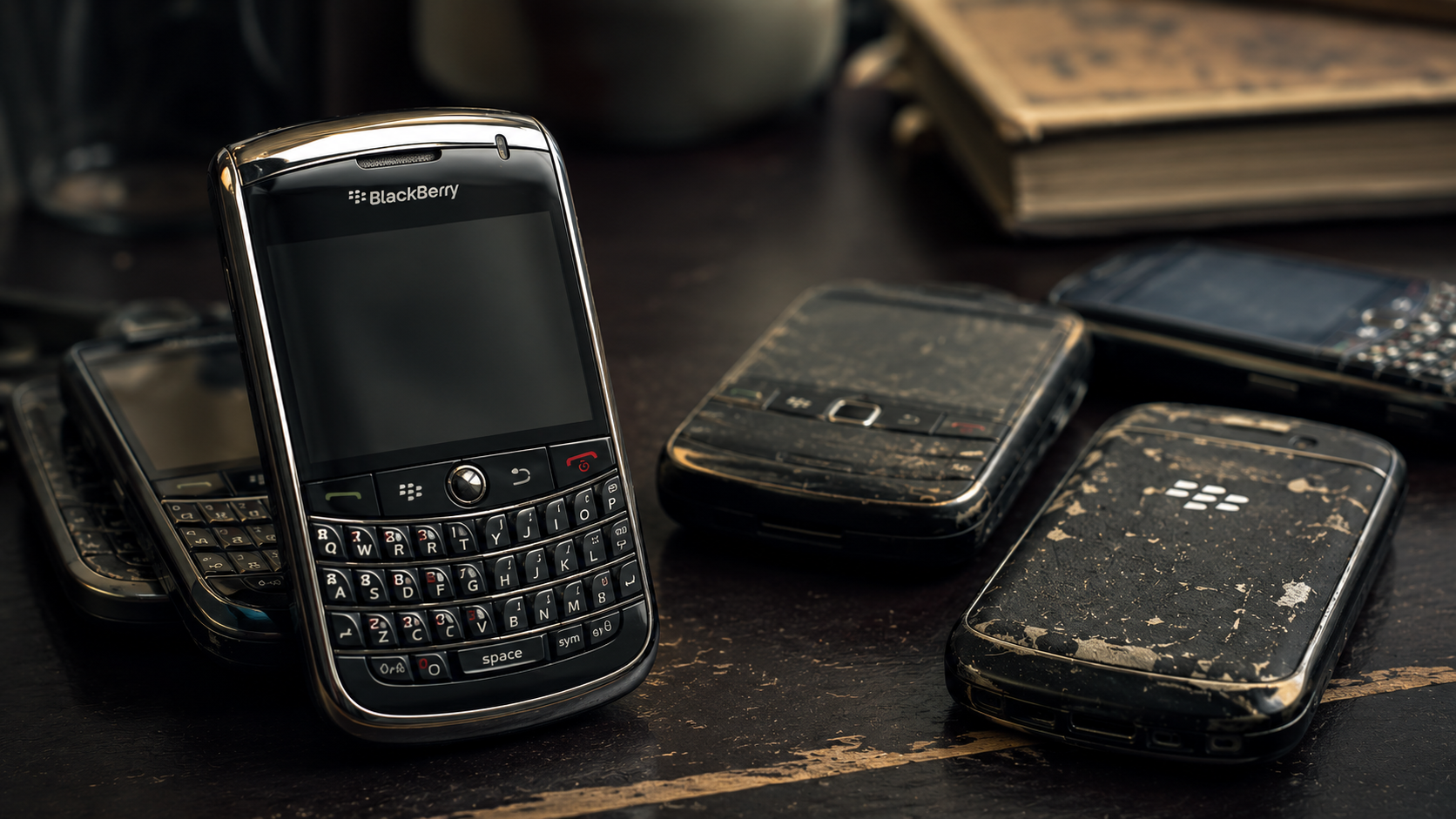
The Fall of BlackBerry
In a boardroom once buzzing with innovation, silence filled the air as BlackBerry executives watched Apple's iPhone dismantle their empire one launch at a time.

The Lab That Invented Tomorrow
In December 1979, Steve Jobs saw echoes of the future inside Xerox PARC's halls. There, in a secluded lab, lay the blueprint for the modern tech landscape.

The Wii Gamble That Saved Nintendo
In a world obsessed with graphics and power, Nintendo bet on simplicity. The Wii was laughed at — until it wasn't.

Pixar's Radical Feedback Loop
In a stark, unadorned room, some of the most powerful voices in animation face off with ruthless honesty. Their weapons? Brutal feedback that molds raw ideas into cinematic gold.

How Google's 20% Time Shaped Innovation
Gmail, the widely-used email service, was born from Google's infamous 20% Time. What else did this unconventional policy unleash?

The iPhone That Disrupted the World
In January 2007, Steve Jobs stepped onto the stage and introduced a device that would redefine the entire world: the iPhone. What seemed like just another gadget launch was, in fact, the dawn of a new era.
Continue the Rabbit Hole
Each story explores the same idea from a different angle. Follow the connections and discover where the thread leads.



Fictional placeholder content