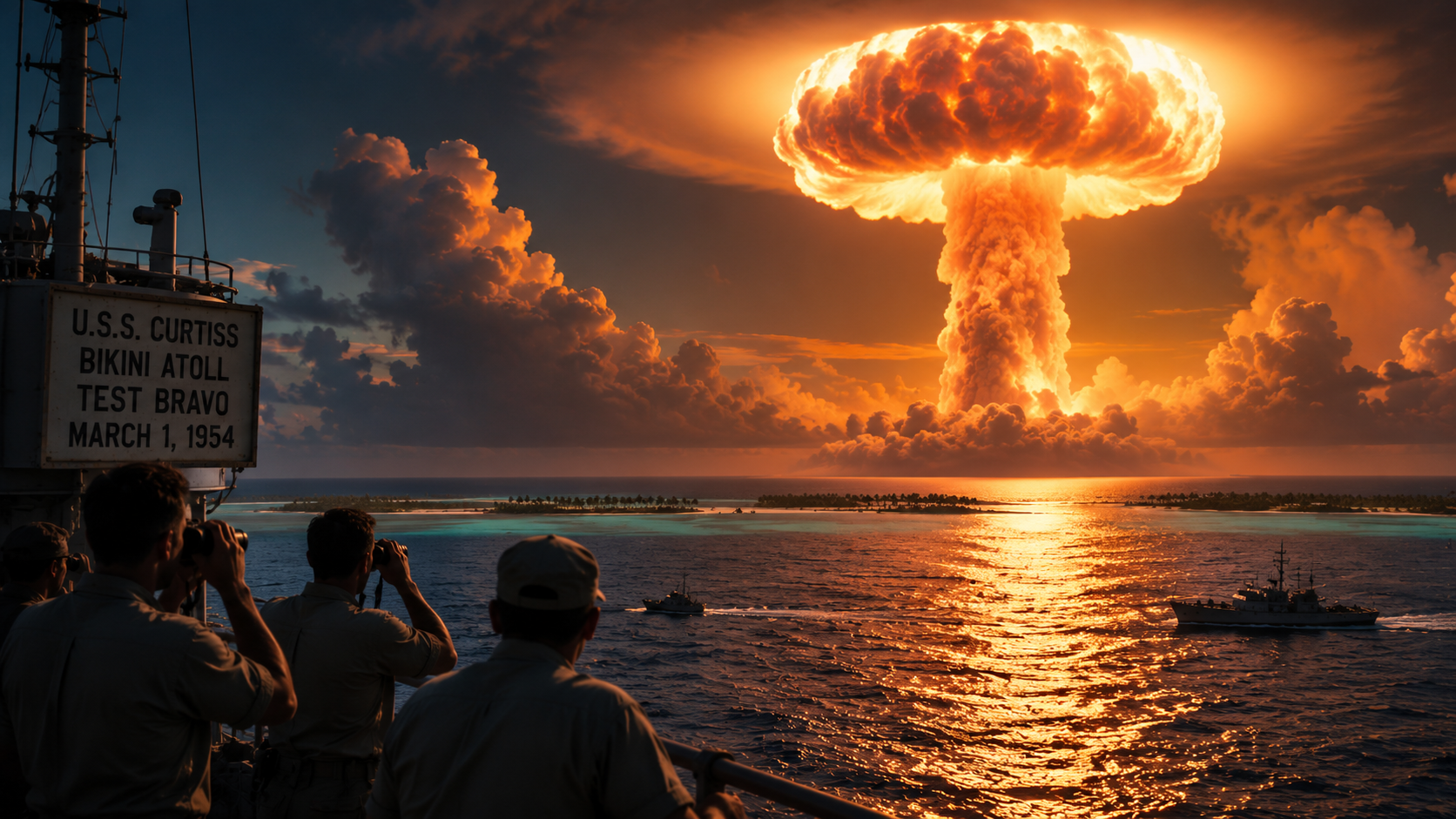
The Fallout of Castle Bravo
"In a single morning, the U.S. detonated a bomb so powerful that it shattered its own predictions and left a lasting scar across the Pacific. But why did nobody see it coming?"
What Happened?
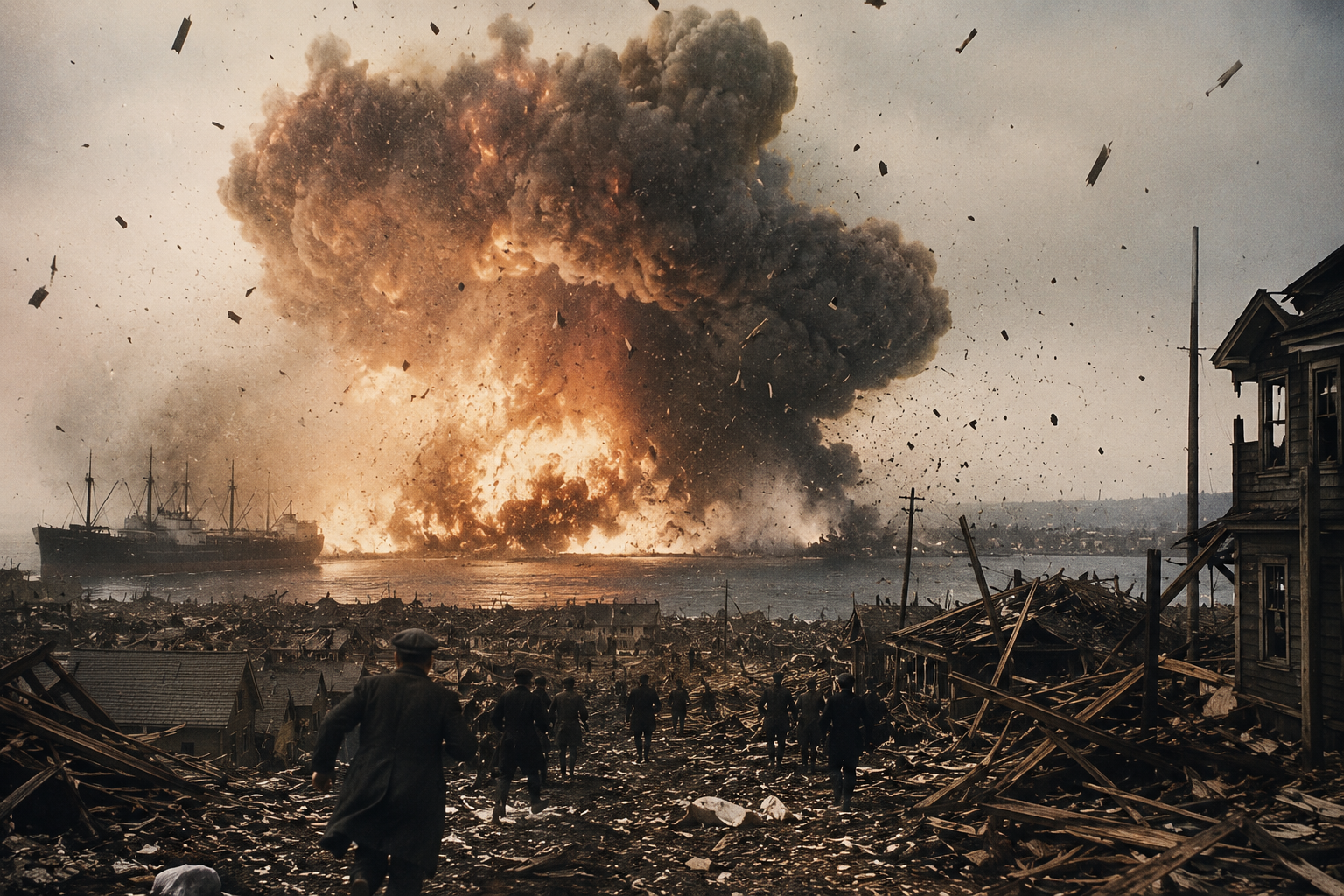
The sky above Bikini Atoll was calm until it wasn't. March 1, 1954, marked a turning point in the nuclear arms race. The United States detonated Castle Bravo, a hydrogen bomb that released 15 megatons of energy—far exceeding the predicted 6 megatons. This wasn't just a miscalculation; it was a catastrophe. The mushroom cloud soared to 130,000 feet, casting a shadow over the Pacific and radiating far more than light.
The concrete decision to proceed, despite meteorologists warning of shifting winds, lay squarely with Major General Percy Clarkson. As the device, nicknamed "Shrimp," exploded with unprecedented force, it churned out radioactive fallout that blanketed 7,000 square miles. Islanders from the nearby atolls, along with the crew of a Japanese fishing trawler named Lucky Dragon, unwittingly entered a maelstrom they couldn't escape. Radiation sickness ensued, leaving a trail of illness and sparking outrage that resonated worldwide.
This test wasn't isolated in its consequences. It reignited fears and debates about nuclear safety. Internationally, it fueled disarmament dialogues that eventually led to the Partial Nuclear Test Ban Treaty in 1963, an attempt to tether the chaos unleashed by such tests.
Yet, the shadow of Castle Bravo still looms. It serves as a stark reminder of human error on a monumental scale—a symphony of misjudgment and unchecked escalation. A twist of fate altered by calculations—one mistake among many that shows how the pursuit of power sometimes blinds us to its perilous weight. The legacy of Castle Bravo lies not in its scale alone, but in the chilling realization of just how easily human boundaries can be overstepped.
Takeaway
The lesson this story keeps teaching
“Ambition without checks unveils future chaos. Planning overlooked, disaster strikes.”
Why People Are Talking About This
Castle Bravo's detonation precipitated not only widespread environmental damage but also ushered critical changes within international arms agreements. It revealed stark dangers lurking within unchecked military ambitions and catalyzed pivotal movements towards halting nuclear armament proliferation.
This test's aftermath illuminated a persistent truth: technological preeminence cannot replace calculated responsibility. The chaos from castle Bravo imparted cautionary tales that resonate across diverse sectors where ambition outpaces preparation.
Thread Map
9 entities · 8 connections · Hover to explore, click to inspect
This is the connection map for this thread. Every node is a person, company, event, or idea. The red lines show how they connect. Hover a node to highlight its connections. Click a node to see why it matters to this story.
How We Got Here
The Detonation That Shook the World
Castle Bravo unleashed a 15-megaton explosion, wildly exceeding predictions, with immediate fallout spreading across the Pacific basin. Major General Percy Clarkson's decision ignored potential red flags.
The Lucky Dragon Incident
The Japanese fishing vessel Lucky Dragon was exposed to Castle Bravo's fallout, resulting in radiation sickness among its crew, heightening international scrutiny and diplomatic tensions. The fallout affected diplomacy efforts with Japan drastically.
Justifying the Fallout
U.S. officials embarked on a media blitz to justify the test amidst mounting criticism. Their attempts at damage control did little to temper global outrage.
Operation Castle Continued
Despite the fallout fiasco, Operation Castle proceeded with additional tests throughout 1954, illustrating a relentless pursuit of nuclear supremacy.
Evaluating Environmental Impact
Scientific evaluations began detailing Castle Bravo's environmental ramifications, with findings impacting future nuclear policy considerations. Radioactive elements remained evident across the Marshall Islands.
Dissent Among Nuclear Scientists
In the aftermath, notable scientists began advocating for stricter regulations, fearing a legacy of miscalculation and uncontrolled fallout.
Partial Nuclear Test Ban Treaty Inked
A direct result of tests like Castle Bravo, the treaty sought to reduce above-ground nuclear testing, signifying a shift in international policy aimed at containing the nuclear threat.
A Legacy on Display
Years later, Bikini Atoll remains a testament to Castle Bravo's fallout. Radiation maps display sediment contamination, sparking efforts to remediate affected areas and raising questions about nuclear responsibility.
Wait... Who Is This?
To appreciate the magnitude of Castle Bravo, one must rewind to the streak of scientific ambition characterizing the post-WWII era. The Cold War loomed large, stoking rivalries between superpowers eager to display military might. Amidst this, the United States focused experimental energies on perfecting new technologies, guided by a belief that science could not only solve but redefine power structures.
In this setting, the capture of technological supremacy translated directly into geopolitical leverage. The Pacific Ocean — a remote and largely isolated testing ground — emerged as a hotspot for demonstrating might. Its first inhabitants, the Marshall Islanders, became inadvertent witnesses to this ambition, their homes and health displaced by operations whose ramifications were vastly underestimated. It was in this crucible of ambition, competition, and oversight that Operation Castle matured, aiming to redefine the mechanics and perception of nuclear arsenal capabilities.
The grand design embraced by military strategists, however, collided with an unforeseen reality. As scientific forecasts clashed with palpable aftermath, the veil of control thinned, revealing a landscape marred by hubris and consequence.
Receipts
Castle Bravo - Wikipedia
Castle Bravo: America’s Largest Nuclear Test
America’s Disastrous Miscalculation: The Castle Bravo Nuclear Test | History Hit
Castle Bravo - Nuclear Museum
The Consequences of Castle Bravo
The Shared Legacy of the Castle Bravo Nuclear Test
Same Pattern
Different story. Same lesson.
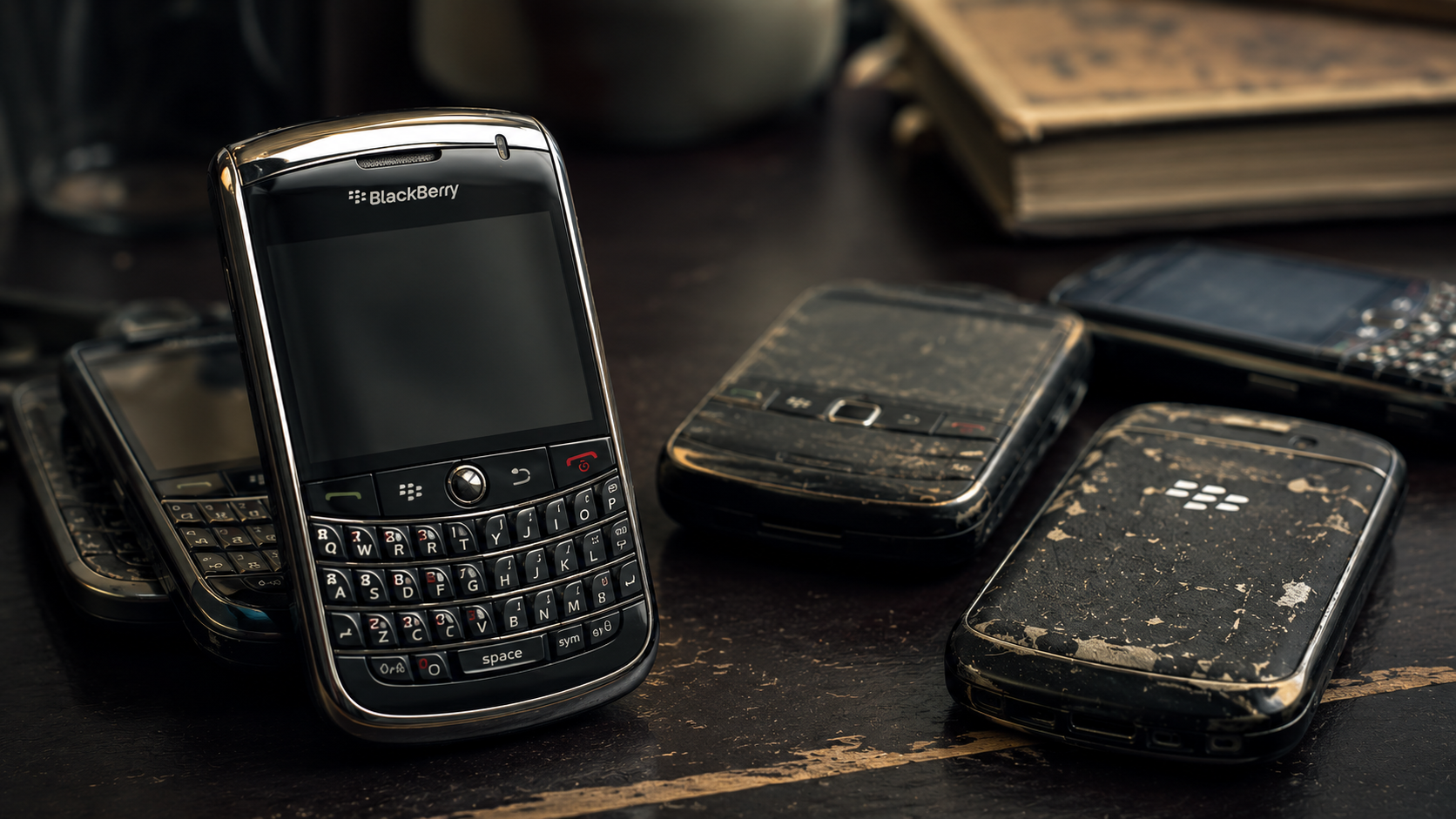
The Fall of BlackBerry
In a boardroom once buzzing with innovation, silence filled the air as BlackBerry executives watched Apple's iPhone dismantle their empire one launch at a time.
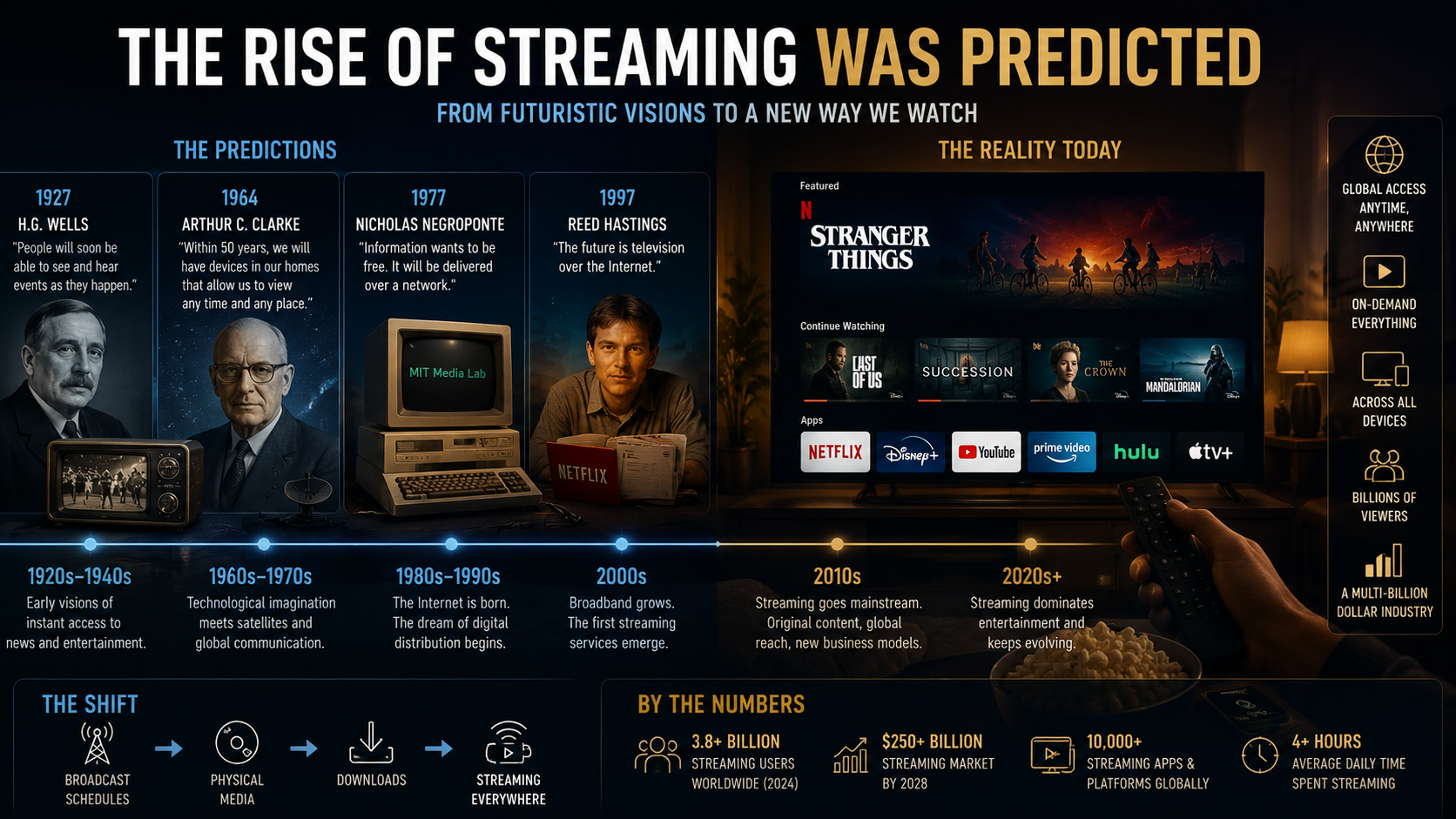
Predicting Streaming's Meteoric Rise
In a room filled with doubters, one voice declared that streaming was the future of entertainment. Years later, his vision disrupted entire industries.
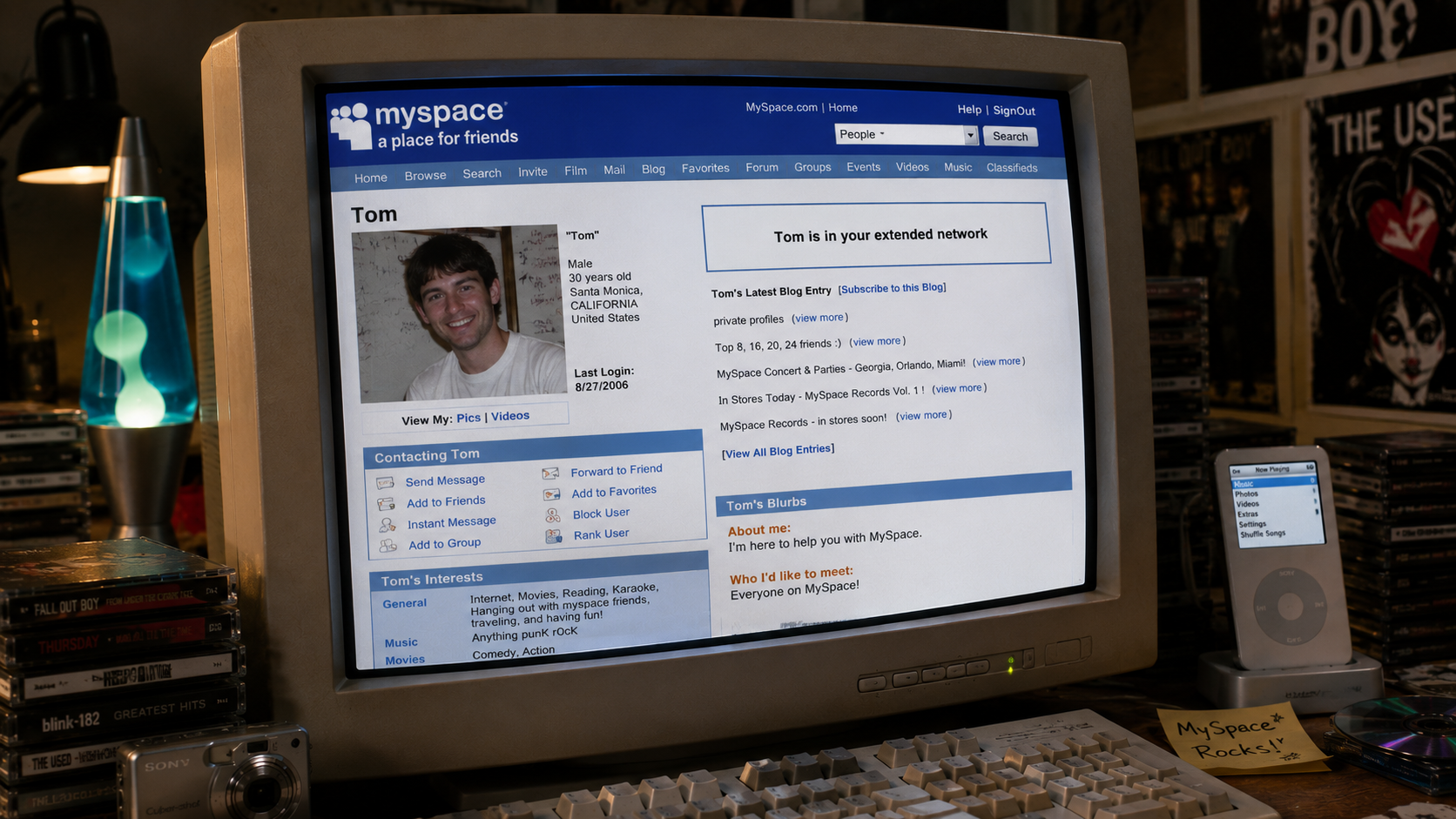
MySpace: The Rise and Fall That Changed Social Media
In 2006, MySpace was the dominant social media platform, but a mere three years later, its reign ended abruptly. What happened in those pivotal years that turned MySpace from the king of social media to a cautionary tale?

The AOL Revolution
On January 10, 2000, the internet world shook as AOL announced its merger with Time Warner. It was hailed as a union that would change everything.
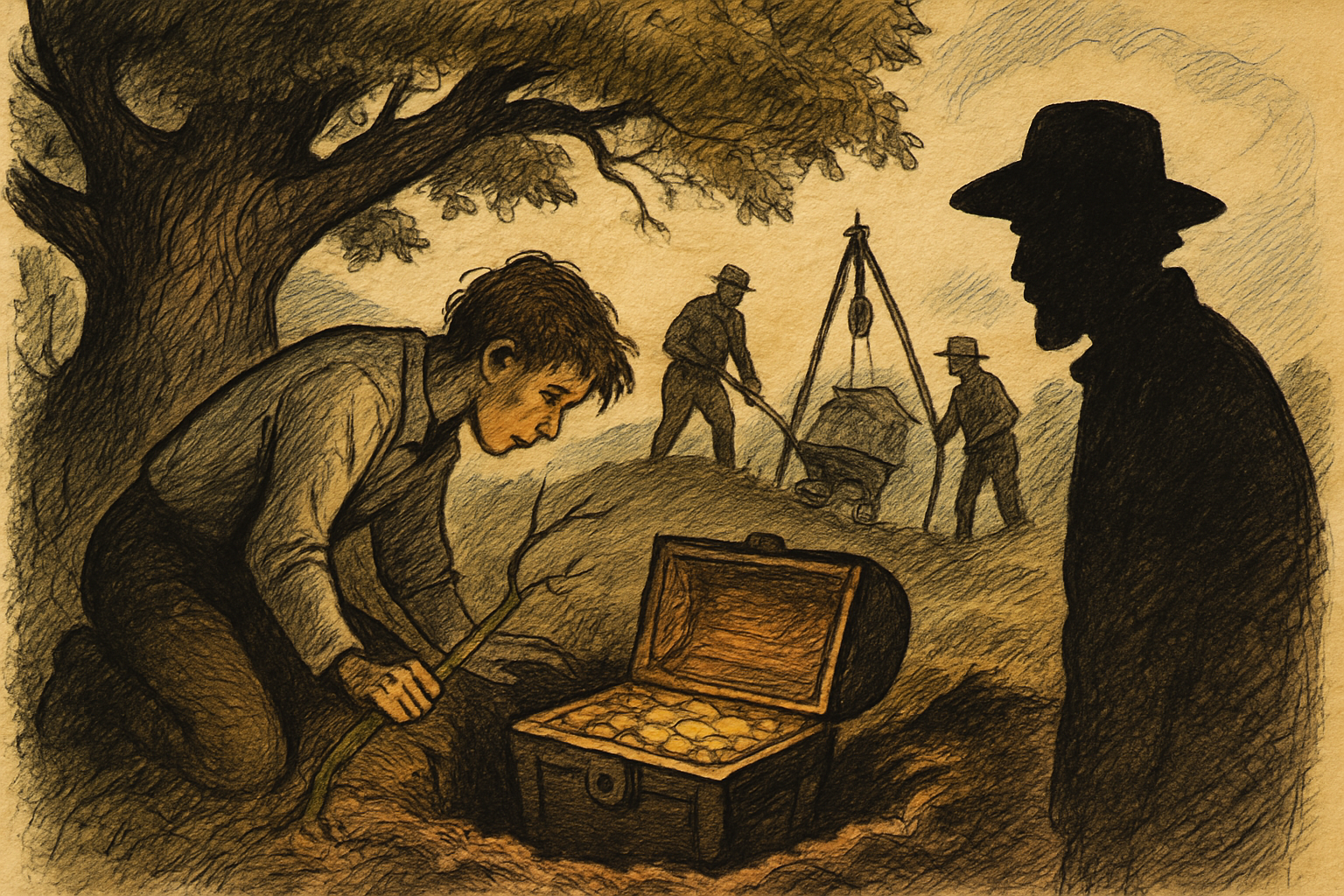
The Enigma of Oak Island
Beneath Oak Island lies a pit of promises, holding legends of buried treasure yet never yielding its secrets.
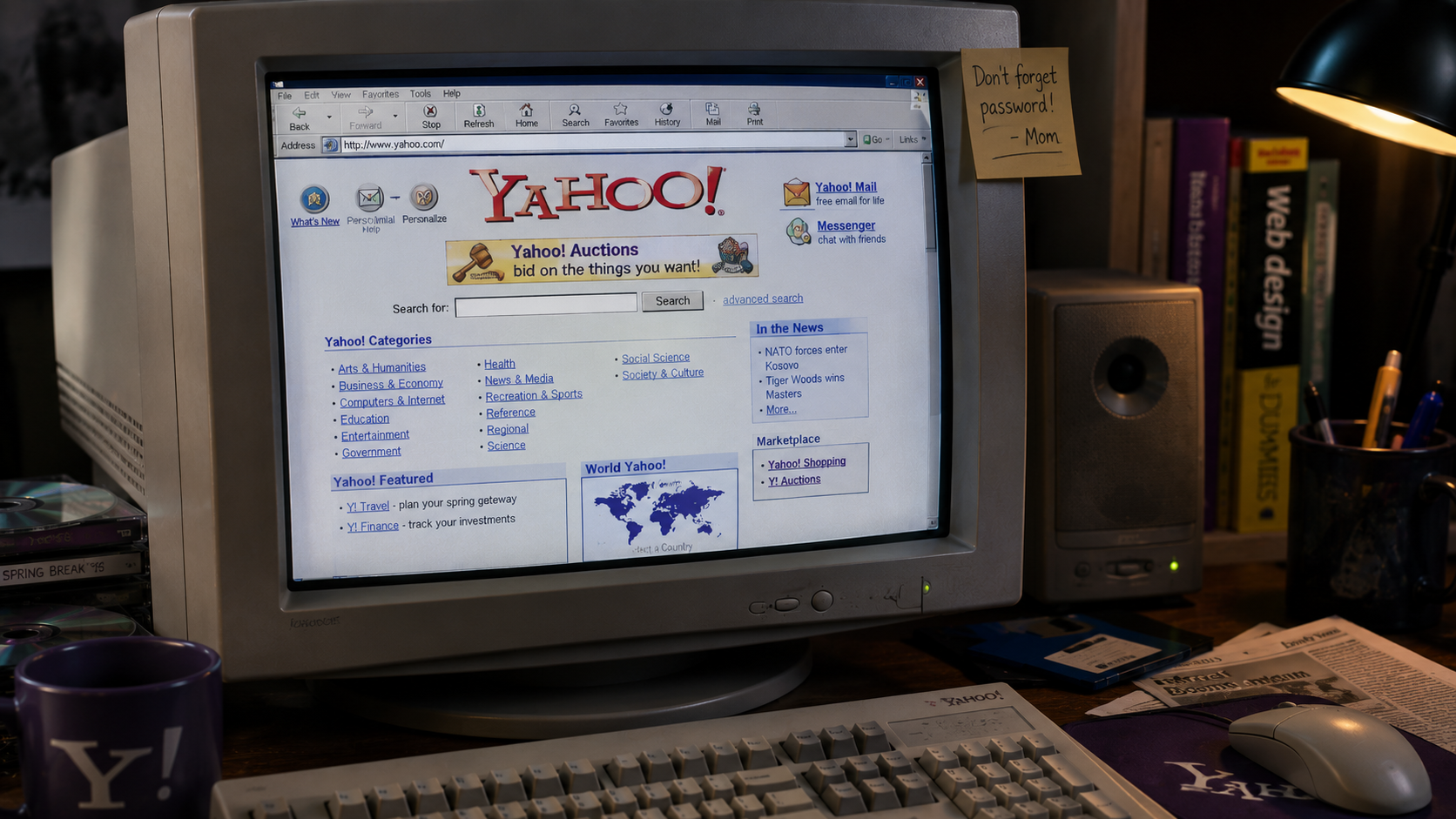
Yahoo's Rise and Fall
At its peak, Yahoo was the crowned jewel of the internet. Yet a series of missed opportunities and strategic blunders set it on a course to irrelevance.
Continue the Rabbit Hole
Each story explores the same idea from a different angle. Follow the connections and discover where the thread leads.
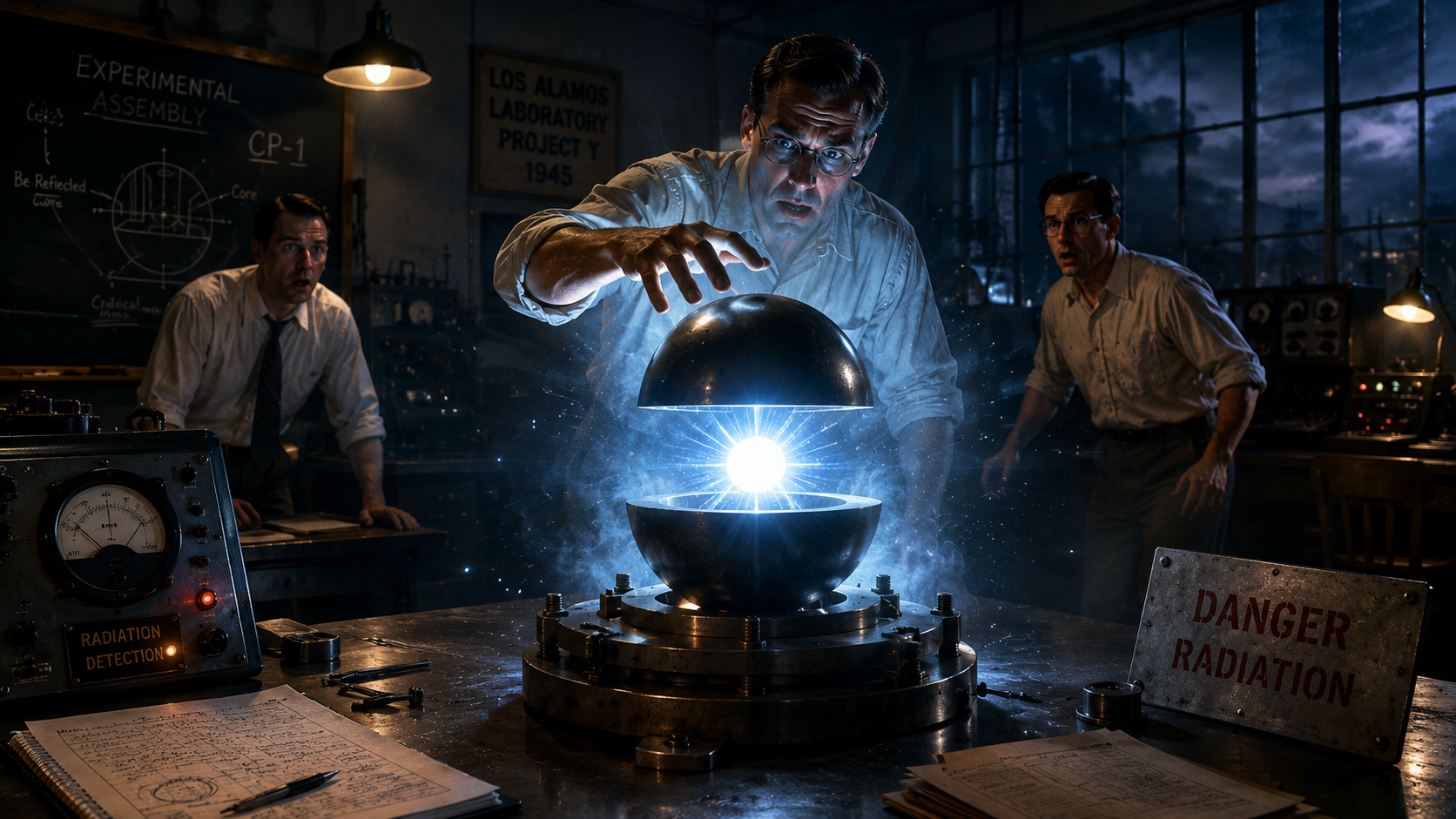
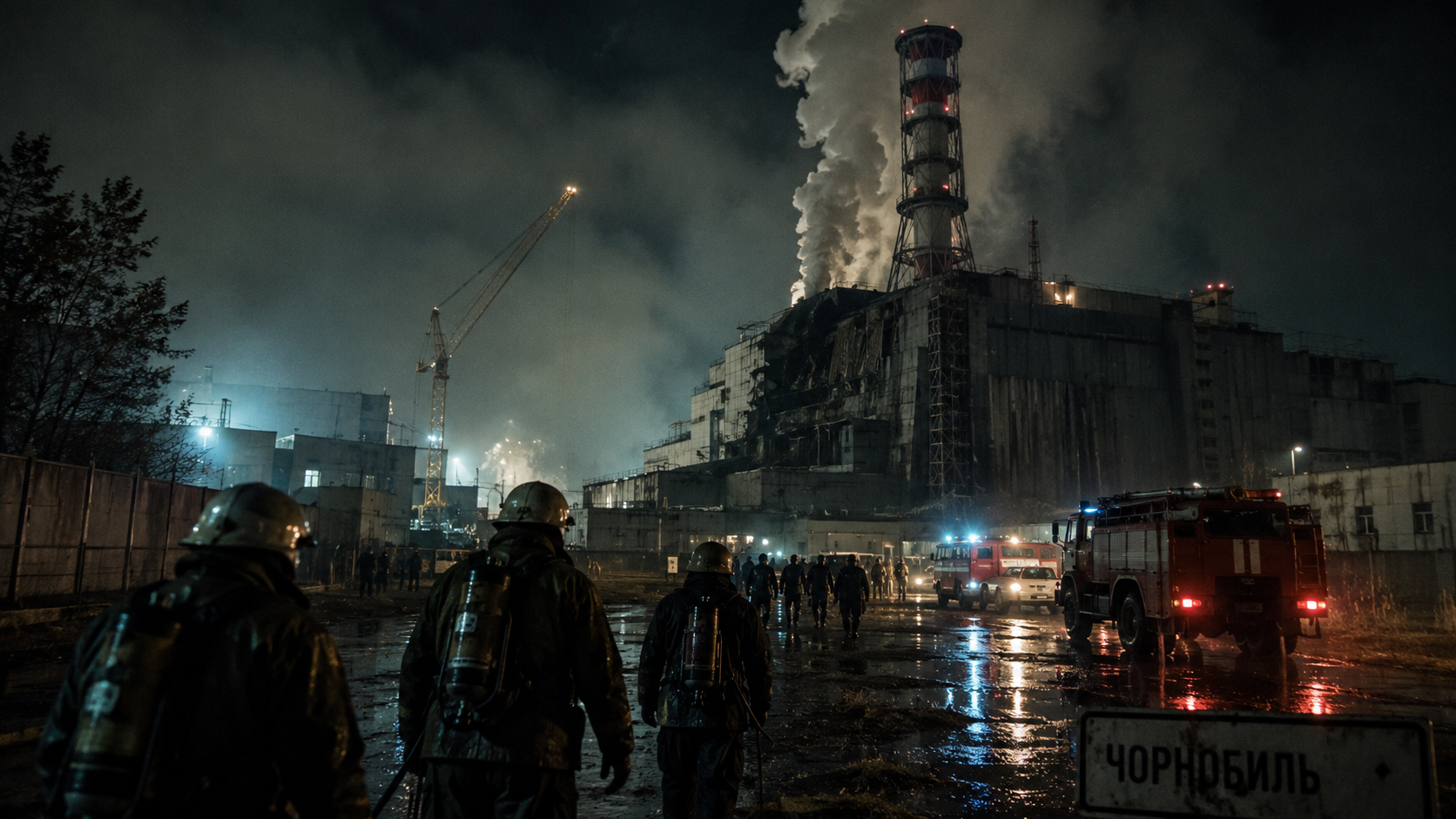
Fictional placeholder content