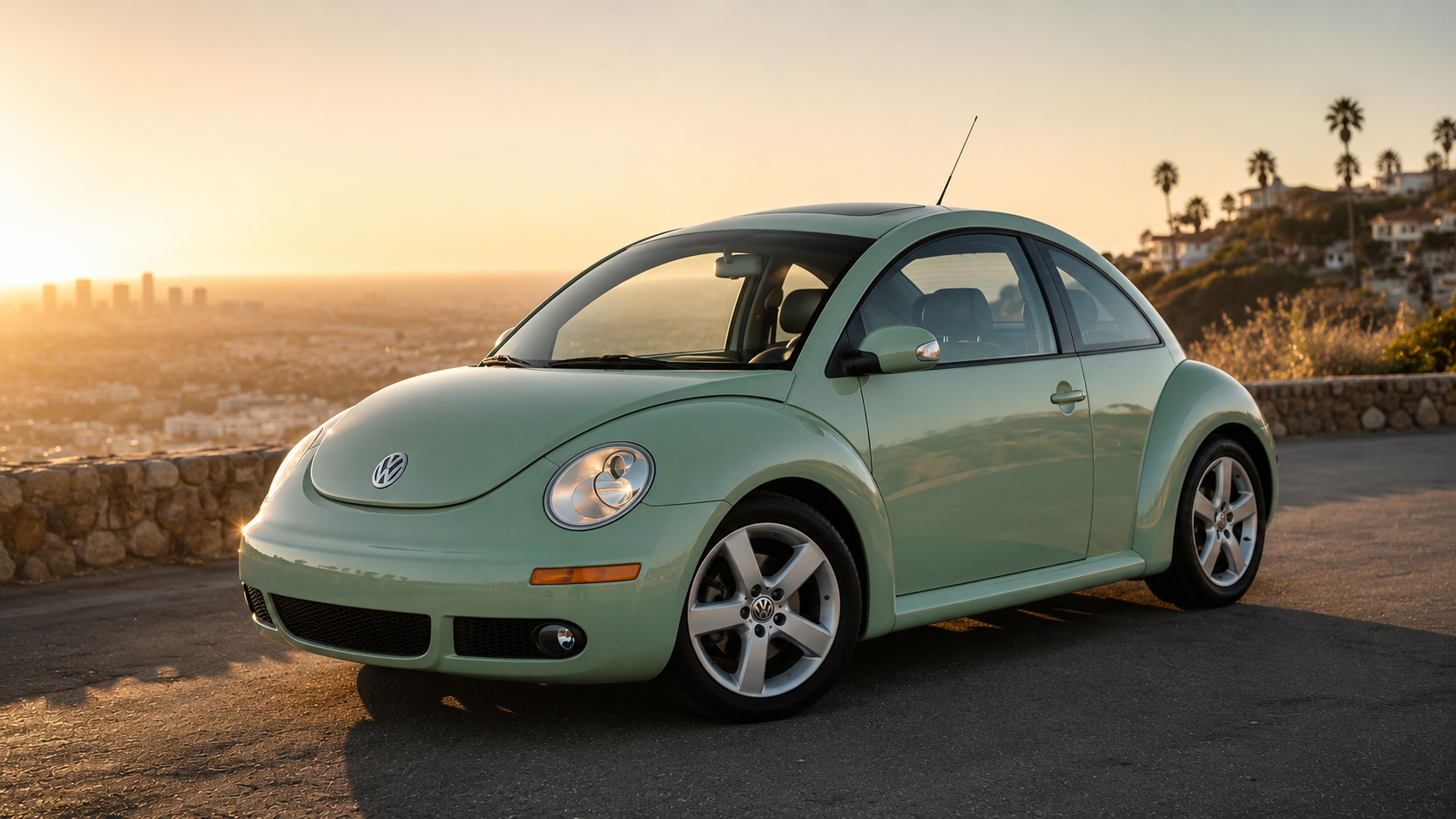
The Iconic Beetle's Disappearance
"In 2003, the assembly line at Puebla, Mexico fell silent. The final Volkswagen Beetle rolled off into history, ending an era without fanfare."
What Happened?
Behind the gleaming walls of Volkswagen's headquarters, an uneasy truth lingered. This was July 2003, and the last classic VW Beetle rolled off the assembly line in Puebla, Mexico—a final farewell to a vehicle that once embodied the spirit of simplicity and reliability. It was a curious moment: an icon vanishing quietly into history.
The Volkswagen Beetle had been more than just a car. As early as 1938, Ferdinand Porsche’s design was christened the 'people's car' by Adolf Hitler, intended to motorize Germany the way the Model T Ford had in America. By the mid-20th century, its bubble-like silhouette became a common sight from the streets of San Francisco to the bustling avenues of Paris.
But beneath its iconic status lay problems. In 1977, stricter safety and emission standards in America spelled doom for the Beetle's air-cooled ethos. By 1988, production dwindled until only the Mexican market remained. The Beetle fought against time and technology, trying to maintain its quaint charm while the world desired speed and sleekness.
Then came a critical blow: Dieselgate. Volkswagen's admission in 2015 that they had cheated emissions tests with their diesel models, including the updated Beetle, marred its reputation. Over $30 billion in fines could not reclaim lost trust, tarnishing the Beetle's legacy of reliability.
As the last vehicle departed the assembly line in 2019, it marked not just the end of a model but the erasure of a cultural symbol. What was meant to be the car for everyone finally became a relic of another time. And with its last journey, the road for the Beetle came to a silent close, leaving only memory in its tracks.
Takeaway
The lesson this story keeps teaching
“The Beetle's demise teaches us: staying relevant requires more than nostalgia. It demands adaptation and foresight.”
Why People Are Talking About This
The Volkswagen Beetle’s decline reveals the peril of failing to adapt. A cultural icon became symbolic of missed adaptation opportunities in a changing world.
It forces industries to confront the tension between cherished legacies and the relentless pace of technological and social progress. As the world advances, even the most beloved figures are at risk unless they evolve.
Thread Map
5 entities · 4 connections · Hover to explore, click to inspect
This is the connection map for this thread. Every node is a person, company, event, or idea. The red lines show how they connect. Hover a node to highlight its connections. Click a node to see why it matters to this story.
How We Got Here
Porsche's Design Reaches Hitler
Ferdinand Porsche's design for a 'people's car' was commissioned by Adolf Hitler. The blueprint for what would become the Volkswagen Beetle was devised under political shadows.
Beetle Welcomed to America
The Volkswagen Beetle entered the US market, captivating Americans with its affordable size and unique design, eventually becoming a cultural icon.
Beetle Faces Ban in America
Due to strict safety and emissions standards, the Beetle was banned in America, highlighting the beginning of its struggles with evolving regulations.
Revival Limited to Mexico
Sales of the classic Beetle dwindled, becoming limited to the Mexican market, showing how its popularity was waning and change was needed.
Last Classic Beetle Rolls Off
Production of the classic VW Beetle ended in Puebla, Mexico, marking the symbolic conclusion of an era for both Volkswagen and global car culture.
Dieselgate: Winterkorn Resigns
Volkswagen's CEO Martin Winterkorn resigned following the uncovering of the Dieselgate scandal, embroiling the company in controversy and massive fines.
Settlement for Scandal
Volkswagen paid over $30 billion to settle emissions scandal claims, a significant financial hit that led to a reputation struggle for the brand.
New Beetle Ends Production
With an eye toward new automotive ventures, Volkswagen ceased production of the New Beetle, closing a definitive chapter in its history.
Wait... Who Is This?
From its inception under dark circumstances, the Volkswagen Beetle grew to embody a strange, intricate paradox. Designed by Ferdinand Porsche and commissioned by Adolf Hitler, the Beetle was intended to mobilize the masses in Nazi Germany. Yet, its post-war journey reflected resilience, transforming into the poster child of counterculture.
Emerging stateside in the late 1940s, it captured American imaginations in the '60s and '70s with its bubble-shaped silhouette and economical design. As a cost-effective vehicle, its popularity soared. However, as America’s roads became crowded with massive sedans and muscle cars, the diminutive Beetle stood out—a small but vocal champion of anti-establishment sentiment.
The Beetle rolled through history's pivotal moments but faced challenges as the 20th century closed. New regulations and the wider car culture shift signaled a world moving past its nostalgia for simplicity. Then Dieselgate happened, and what had once seemed unbreakable began to wane.
By 2003, when the last Beetle rolled off the line, it wasn't just a car that Volkswagen was saying goodbye to—it was a legacy.
Receipts
Same Pattern
Different story. Same lesson.

Minority Report's Prescient Touchscreen Reality
In 2002, Hollywood imagined a future of seamless touchscreen interfaces. Today, Steven Spielberg's vision feels eerily prescient as technology catches up.

Back to the Future II Unveiled Tomorrow
Hoverboards, video calls, and wearable tech were once dreams. Somehow, a 1989 film saw them coming.
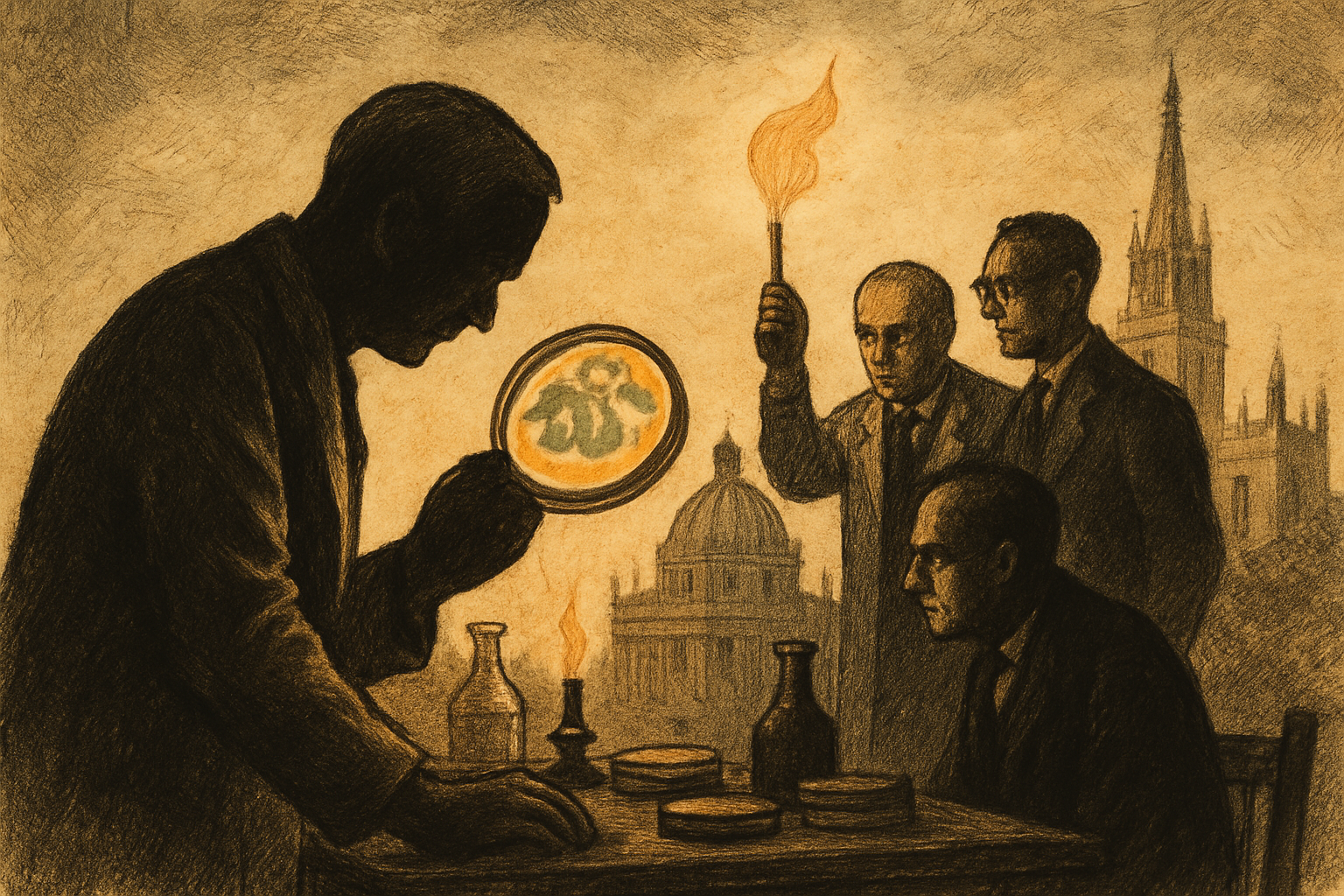
The Mold that Changed Medicine
On a forgotten Petri dish, a thin layer of mold was destroying bacteria in Fleming's lab. What he didn't know yet was that this simple mold would change the world.
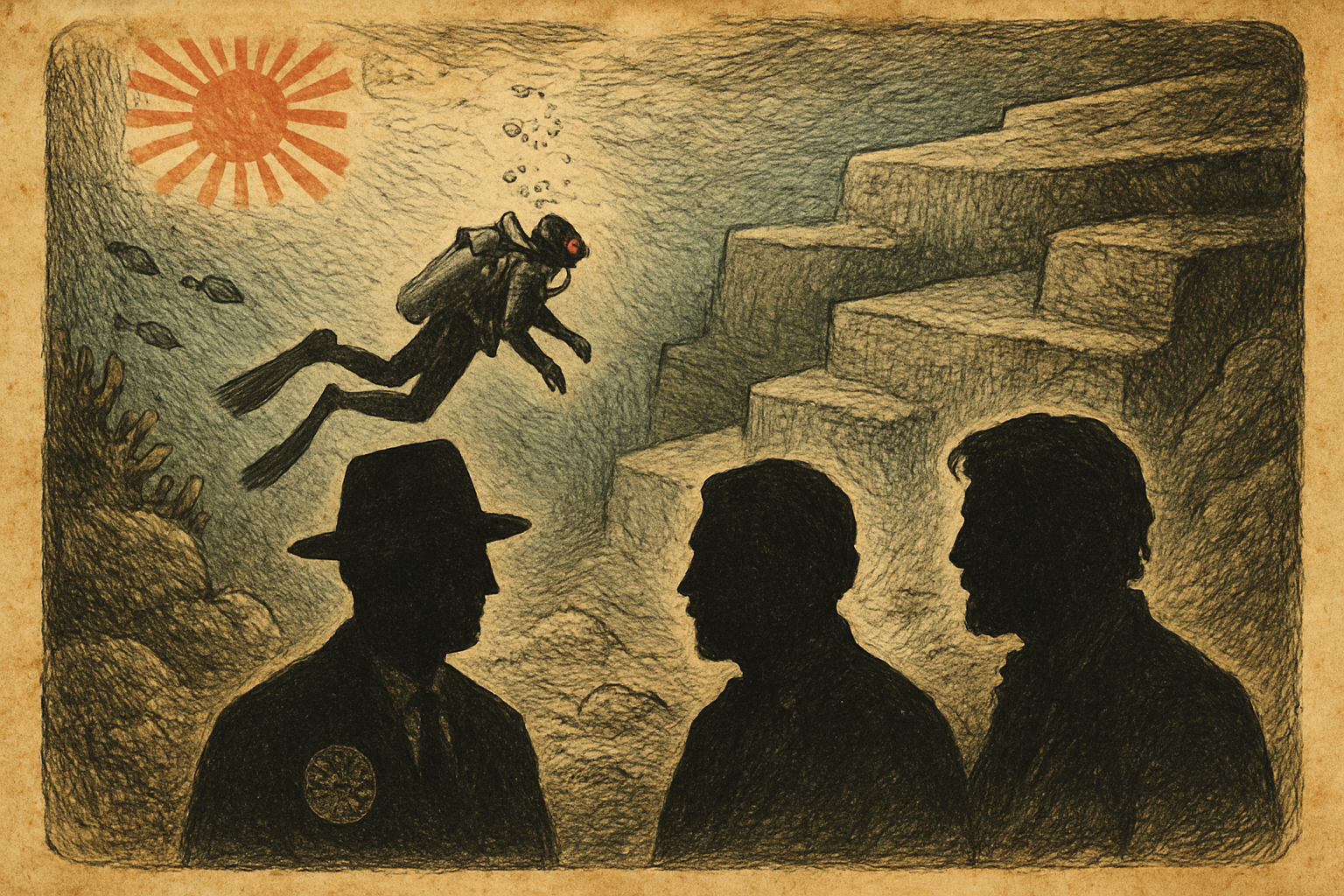
The Mystery Beneath the Waves
In 1986, off the coast of Yonaguni Island, diver Kihachiro Aratake stumbled upon massive underwater structures that challenged our understanding of history. What lies beneath the surface are formations either carved by nature's hand or shaped by ancient humans.
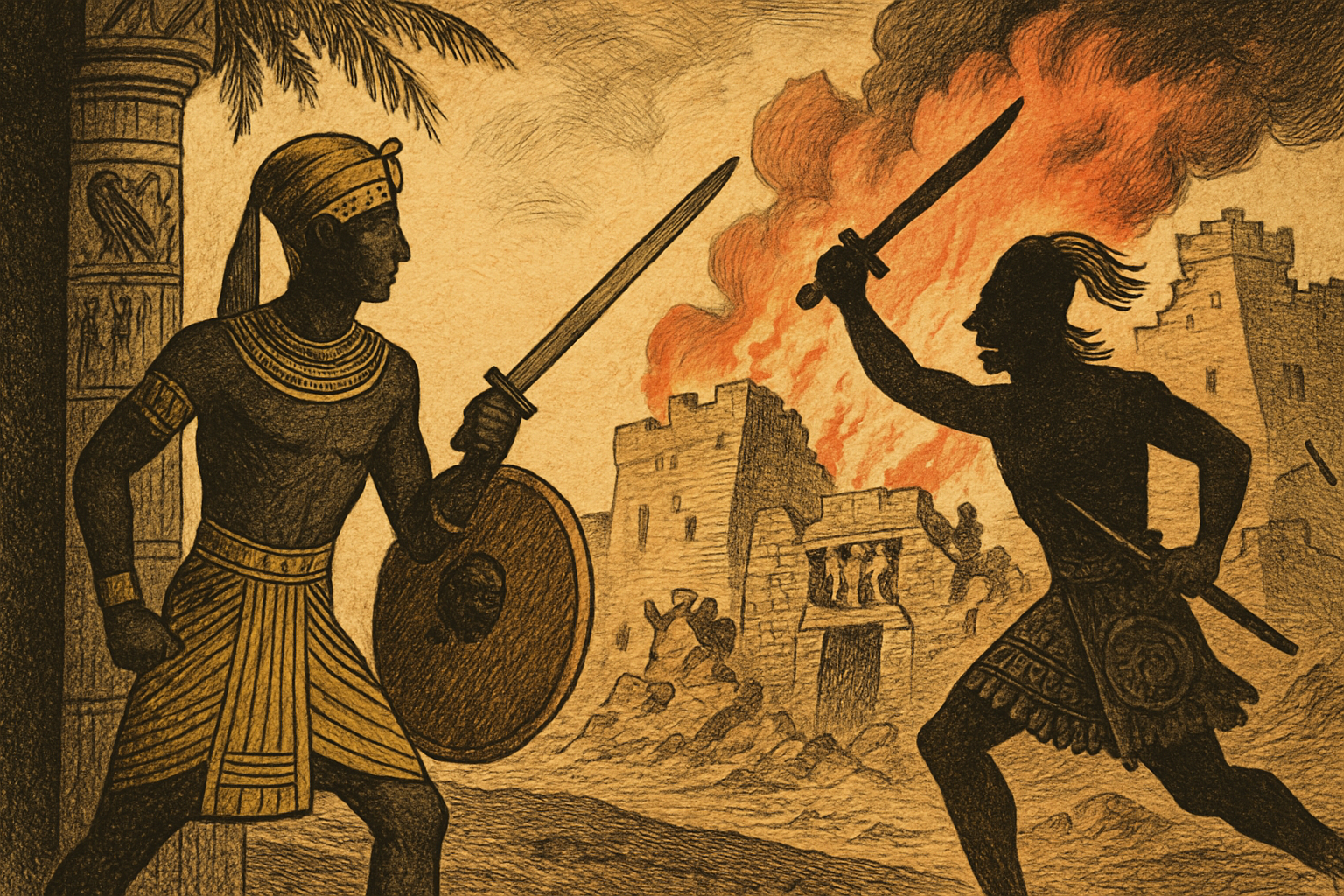
The Enigma of the Sea Peoples
In 1177 BCE, Ramses III faced an invasion that threatened to annihilate Egypt. These mysterious attackers, known only as the Sea Peoples, left a trail of destruction across the Mediterranean.
The Lost Civilization of Indus Valley
In 1829, Harappa was discovered, sparking an insatiable curiosity about the vanished civilization. What secrets had been buried for millennia?
Continue the Rabbit Hole
Each story explores the same idea from a different angle. Follow the connections and discover where the thread leads.





Fictional placeholder content