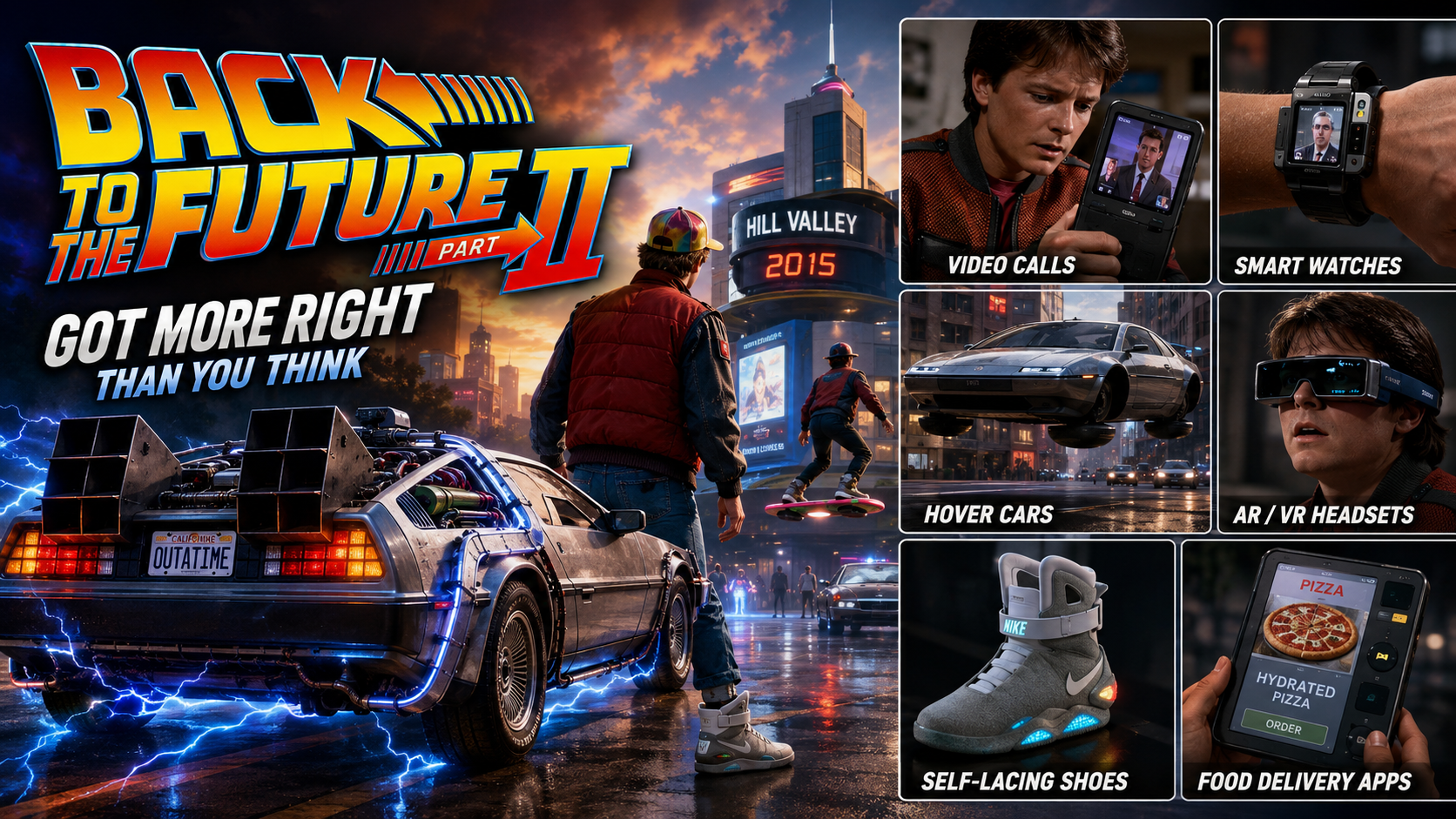
Back to the Future II Unveiled Tomorrow
"Hoverboards, video calls, and wearable tech were once dreams. Somehow, a 1989 film saw them coming."
What Happened?
In a neon-lit vision of 2015, a young Michael J. Fox hovers above the ground on a skateboard without wheels, but the decade's real twist came in less obvious forms. "Back to the Future Part II," released in 1989, projected a reality peppered with the fantastic—flying cars and self-lacing sneakers were a leap, but the film's lenses turned out to be more prophetic than far-fetched. Set in a world of fax machines and oversized ties, it pinpointed technologies that lingered in our jangling present as more than one-off gimmicks.
High-definition television wasn't a whisper when Robert Zemeckis and Bob Gale got rolling, yet by 2015 the sleek flat-screens in every living room testified to their foresight. In the movie, biometric scans opened doors, and that too found its real counterpart. Fingerprint recognition and iris scanners, as guessed almost playfully by cinema's time travelers, are today's reality.
A quintessential moment hit on October 21, 2015, when the real-world Cubs clinched a long-denied World Series victory—a near-miss prediction by the fictional almanac that propelled Biff Tannen's alternate empire. Zemeckis and Gale sketched a future made chaotic by its improbabilities yet strikingly apt in its tech gaze.
Through the iconic panorama of Hill Valley 2015, viewers marveled at wildly impossible imaginations, which slowly morphed into functional normalities. The legacy of Marty's adrenaline-charged adventures continues to ripple, reminding us—perhaps jarringly—that the future envisioned is often yesterday's reality waiting to unfold.
Takeaway
The lesson this story keeps teaching
“The public narrative about future-tech predictions exposes how our hopes and misconceptions shape our vision of tomorrow.”
Why People Are Talking About This
This film’s predictions weren’t mere entertainments but echoes of a future taking shape. By examining where its forecasts fell, Back to the Future II reveals how cultural artifacts influence and inspire genuine innovations. This narrative serves as a cultural mirror: our collective dreams, fears, and penchant for storytelling fuel the technological trajectory that redefines our reality.
Understanding such an interplay between fiction and progress uncovers the universal truth that sometimes, innovation begins with the stories we tell, driving society forward as we continuously pen the next chapter of human history.
Thread Map
8 entities · 7 connections · Hover to explore, click to inspect
This is the connection map for this thread. Every node is a person, company, event, or idea. The red lines show how they connect. Hover a node to highlight its connections. Click a node to see why it matters to this story.
How We Got Here
Back to the Future II Debuts
Back to the Future Part II launched into cinemas, thrusting audiences into a wildly futuristic 2015. Visions of hoverboards and video calls stirred imaginations, providing a glimpse of possible worlds.
Back to the Future Day Marks Its Predicted Future
Fans celebrated as the real and filmic timelines intersected. It marked a day when hoverboards became a cultural icon, even as many of the film's technological predictions had not quite yet materialized.
Chicago Cubs Celebrate A Historic Win
Back to the Future II eerily predicted the Chicago Cubs would win the World Series—though a year off, the prophecy was almost accurate, as they claimed victory in 2016.
Crispin Glover's Dispute Over Likeness
Crispin Glover sued Universal Pictures for using his likeness without permission in Part II after declining to return for the sequels—sparking a lasting legal controversy.
Fingerprint Recognition Becomes Outdated
Predicted in the film as a futuristic leap, fingerprint recognition becomes obsolete, indicating technology's relentless push for innovation beyond its era.
Technological Predictions Surface
The film made bold predictions: wearable tech, automated homes, video conferencing, each insinuating a future era of convenience and connectivity.
Back to the Future Achieves Cult Status
With the world in reflection mode, Back to the Future II garnered cultural prestige for its near-realistic depiction and enduring legacy of innovation.
Original Timeline Sets Forth
Marty McFly navigates back to familiar grounds of 1985, where his journey began and the film series captured the imagination of future explorations.
Timeline Correction in Past and Future
In a twist of fate, Marty and Doc attempt to reconcile the past as they navigate Biff Tannen's manipulations, rewriting the course of time.
Wait... Who Is This?
When Back to the Future hit theaters, it opened the gates of imagination to an era that was eager to peek beyond the present. The film was a pinnacle of 1980s pop culture, blending humor, science fiction, and dynamic storytelling. From the outset, its creators weren’t just directors—they functioned as futurists, anticipating society’s trajectory with startling precision. Over the years, its predictions became cultural touchstones, invoking not just nostalgia but a curiosity for the spaces between fiction and reality.
By the time the sequel emerged, it painted a future brimming with technological wonders for upcoming generations. Intentionally, and at times humorously, Back to the Future II cast a lens over 1989’s present, anticipating times where technology would shape and drive everyday life. Biff Tannen’s alternate timeline underscored societal fears of misused technology, highlighting pivotal choices that chart potential courses for society. As the line between prophecy and improbability blurred, the film cemented itself as a touchstone of cinematic prophecy.
Receipts
Back to the Future II: What did it get right and wrong? - BBC News
11 Modern Tech Gadgets 'Back to the Future Part II' Got Exactly Right | No Film School
Back to the Future Part II - Wikipedia
Back to the Future Day: what Part II got right and wrong about 2015 – an A-Z | Back To The Future | The Guardian
The bitter 'Back to the Future' dispute that has star Crispin Glover and producer Bob Gale still squabbling decades later
Welcome to the future: Three things Back to the Future got right | Brookings
Same Pattern
Different story. Same lesson.
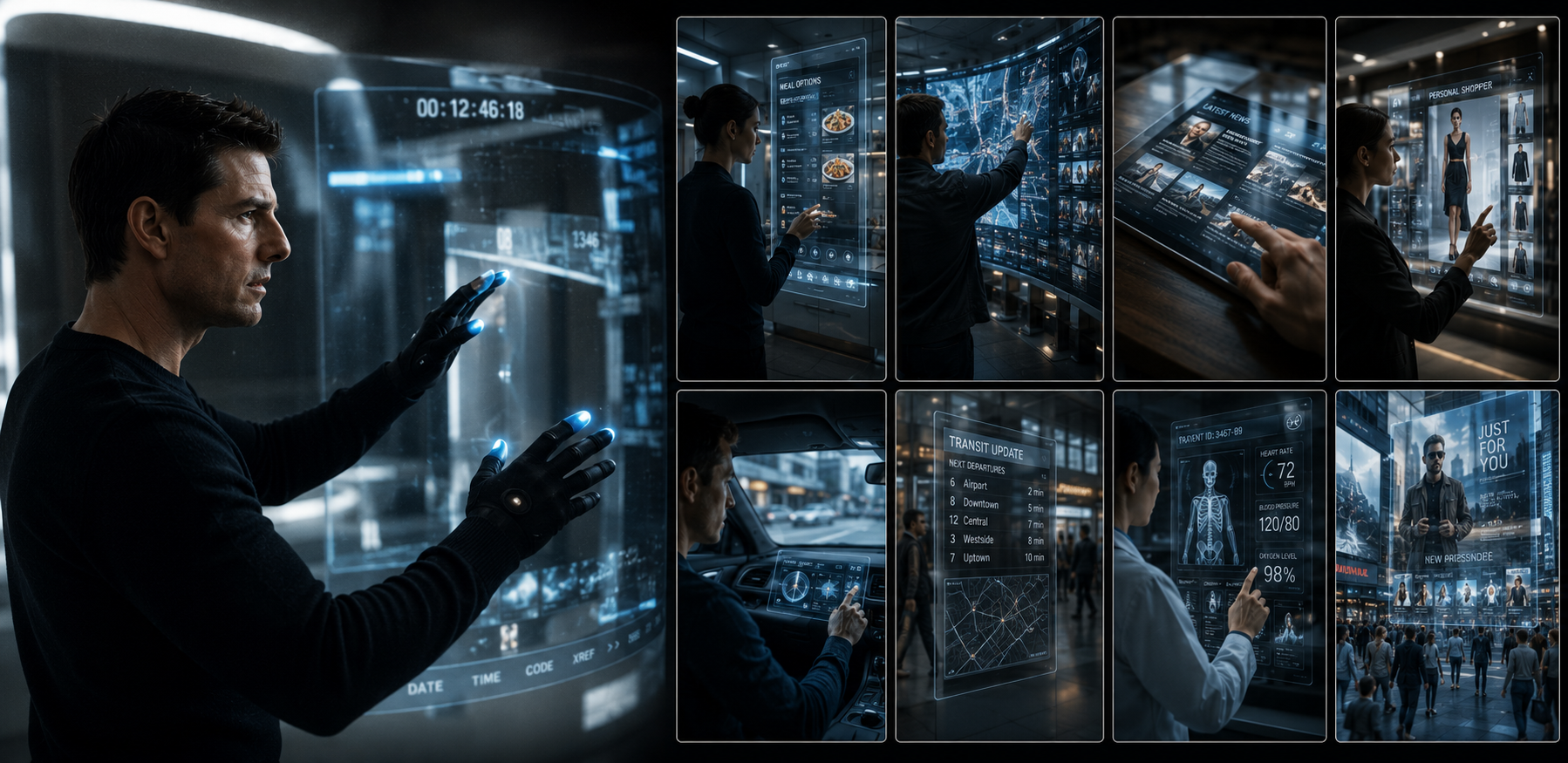
Minority Report's Prescient Touchscreen Reality
In 2002, Hollywood imagined a future of seamless touchscreen interfaces. Today, Steven Spielberg's vision feels eerily prescient as technology catches up.
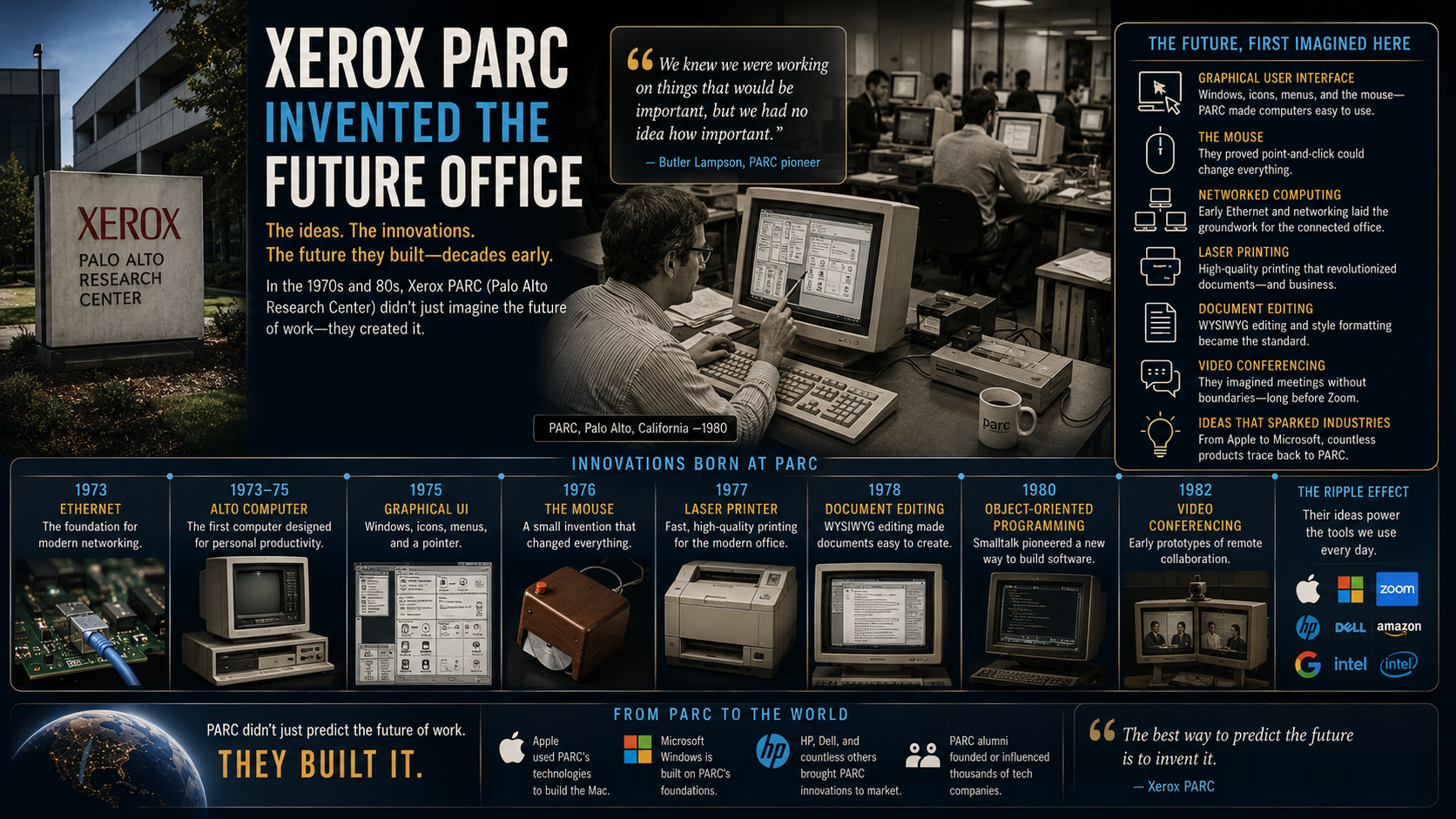
The Lab That Invented Tomorrow
In December 1979, Steve Jobs saw echoes of the future inside Xerox PARC's halls. There, in a secluded lab, lay the blueprint for the modern tech landscape.
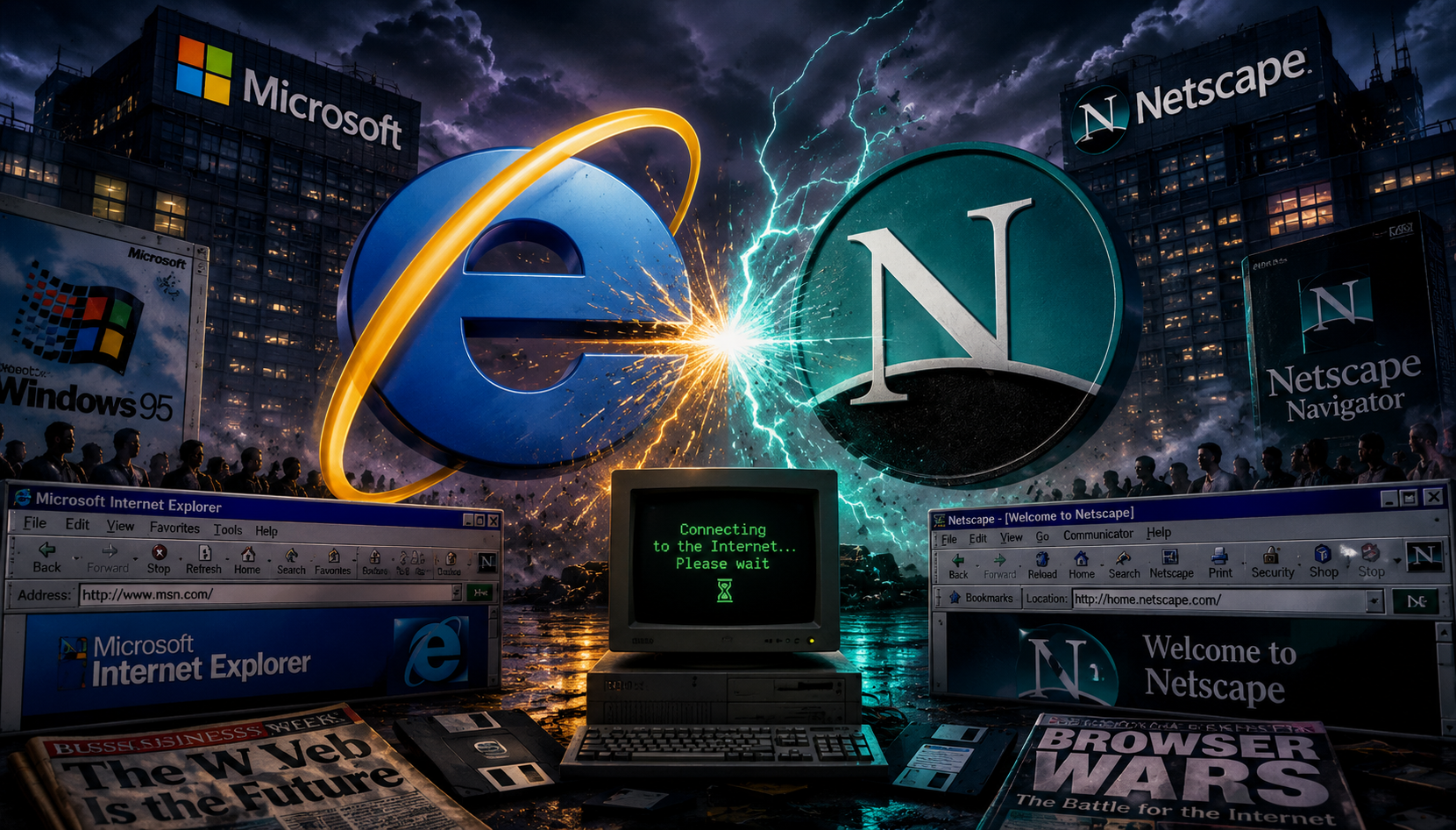
The Browser War That Built the Internet
In the mid-1990s, a software battle erupted that would shape how billions accessed information. Few could predict that the victor would soon face its own downfall.
Pixar's Radical Feedback Loop
In a stark, unadorned room, some of the most powerful voices in animation face off with ruthless honesty. Their weapons? Brutal feedback that molds raw ideas into cinematic gold.

The Chicken That Changed Retail
Costco's $4.99 rotisserie chicken isn't just a meal — it's a strategic masterpiece. The unexpected ripple effects changed retail forever.
The Mandela Effect’s Mind-Bending Mystique
Millions remember Nelson Mandela dying in the 1980s, yet he passed in 2013. What caused this shared illusion?
Continue the Rabbit Hole
Each story explores the same idea from a different angle. Follow the connections and discover where the thread leads.
Fictional placeholder content