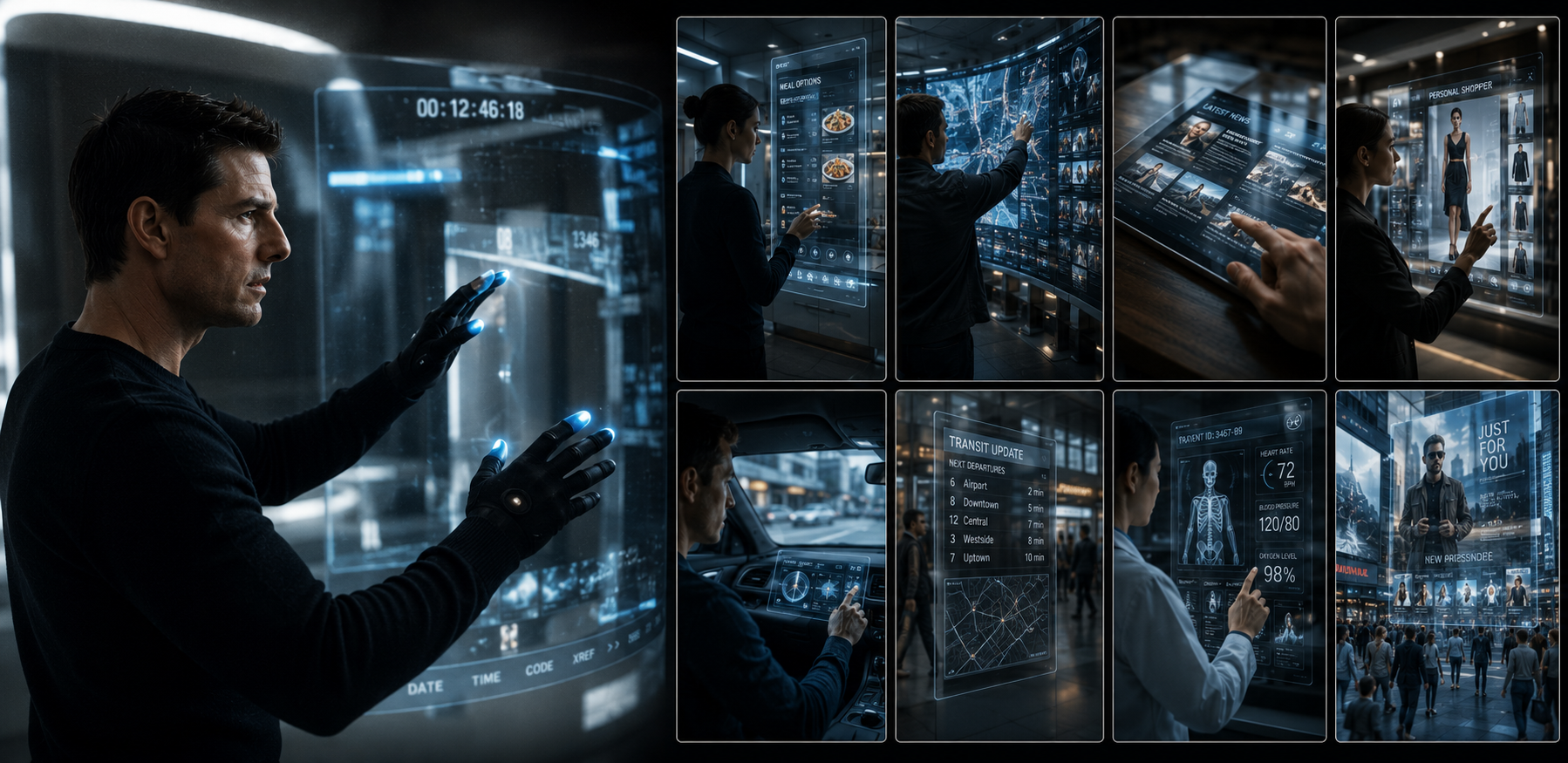
Minority Report's Prescient Touchscreen Reality
"In 2002, Hollywood imagined a future of seamless touchscreen interfaces. Today, Steven Spielberg's vision feels eerily prescient as technology catches up."
What Happened?
The year was 2008, and CNN's studio buzzed with electric anticipation as the network prepared to unveil a piece of technology that felt like it belonged in a science fiction movie. A sleek, futuristic touchscreen that bore an uncanny resemblance to the one Tom Cruise manipulated in Minority Report was about to revolutionize election night coverage. The film, released in 2002, had projected a world where human hands could pluck images from mid-air. Beyond Hollywood’s gloss, it seemed impossible. Yet, six years later, elements of that vision were slipping into reality.
Released on June 21, 2002, Minority Report offered more than dystopian thrills; it gave a glimpse into technological futures that were still dreams at the time. Steven Spielberg's commitment to creating a believable future world led to an 80-page '2054 bible,' a guide that outlined everything from societal structures to technological innovations. Among the most memorable was the film's interactive interface, crafted with science advisor John Underkoffler.
Just five years after the film’s debut, Microsoft presented Surface, now known as PixelSense, with promises to bring a touch of Minority Report’s magic into our lives. Company representatives proclaimed that this table-sized touchscreen would mirror the dynamic interactions audiences had marveled at in theaters. Meanwhile, at MIT's Media Lab, the genesis of gspeak—a working system inspired by the film’s gesture-driven vision—began to take shape.
But while tech giants raced to emulate Cruise’s on-screen magic, the purest form of his iconic interface remained tantalizingly out of reach. CNN’s 2008 experiment hinted at possibilities but highlighted the gap between cinematic fantasy and commercial reality. Even as driverless cars and multi-touch devices became more common, the dream of a fully realized gestural world remained part of the zeitgeist, nudging society ever closer to wonders imagined on screen.
Takeaway
The lesson this story keeps teaching
“Fictional visions can inspire real-world technological advancements, changing how we interact with the digital world.”
Why People Are Talking About This
Minority Report changed how we understand the boundary between fiction and reality. Spielberg's cinematic vision became a fulcrum for actual technological advancement, inspiring companies like Microsoft and media outlets like CNN. This leap from fiction to reality describes an era where imagination fuels innovation.
The film wasn’t just a movie; it was a catalyst for change. Beyond entertainment, it reshaped public perception, driving innovation towards more intuitive interactions. It shows that compelling visions can set real-world benchmarks, proving that sometimes, fiction is the strongest driver of reality.
Thread Map
9 entities · 8 connections · Hover to explore, click to inspect
This is the connection map for this thread. Every node is a person, company, event, or idea. The red lines show how they connect. Hover a node to highlight its connections. Click a node to see why it matters to this story.
How We Got Here
Spielberg's Vision Hits Theaters
Minority Report debuts, introducing audiences to a future where computers are manipulated by sweeping hand gestures, projecting a world as innovative as it is imaginative.
Microsoft's First Leap into Sci-Fi Reality
Microsoft introduces the Surface, designed to bring touch screen technology into the consumer market, echoing Minority Report's spectacular interfaces.
CNN Makes Election Night Sci-Fi
CNN unveils its Minority Report-inspired tech during the 2008 U.S. elections, using touch screens to visually outline the election outcomes, thrilling viewers with near-futuristic technology.
Kinect Brings Gestural Limitations Home
Microsoft's Kinect device heralds a new era of gesture-based interfaces, allowing Xbox 360 users to control their games with a wave of their hands, bridging the gap between Spielberg’s vision and reality.
MIT's Real-World Tech Debut
MIT Media Lab announces gspeak, a gestural interface system inspired by Minority Report, pushing the technology from the realm of science fiction to reality.
Wearable Tech Takes Cue From Films
Jeff Malmad suggests that wearable technology would soon provide personal experiences akin to what was seen in Minority Report, further shaping the market.
Consumer Tech Reaches Minority Report Heights
With the advent of advanced smartphones and increasingly sophisticated interface technology, the predictive allure of Minority Report influences new generations of designs in the tech world.
Tech Evolves Into Prescience
Two decades later, the Minority Report interface remains an aspirational benchmark for future innovation, proving Spielberg’s imagination could be reality for generations to come.
Wait... Who Is This?
The Hollywood of the early 2000s was markedly different. Audiences had just entered the new millennium, and the rapid growth of technology promised an era beyond their wildest imaginations. At this intersection, Steven Spielberg crafted Minority Report, a film that resonated with both fantasy and a touch of eerie prophetic quality. It was grounded in the present but reached for a futuristic allure. The world of Minority Report was a tapestry of gestural interfaces, guided by Spielberg’s determination to not just tell a story, but paint a possible future. Aided by top tech advisors and the visionary production designer Alex McDowell, he constructed a digital world where reality and fiction intermingled. For the director, it was about creating more than entertainment; it was about redefining how audiences envisioned the future of interaction. As the pages of Philip K. Dick’s fiction became Spielberg’s living vision, the film’s legacy began to extend beyond screens, into the living rooms of voters, gamers, and tech enthusiasts everywhere.
Receipts
Minority Report (film) - Wikipedia
Minority Report and Prescient Technology - Overthinking It
The Struggle to Spread the Minority Report Interface | MIT Technology Review
Minority Report predicted the future when it came out 18 years ago
'Minority Report' at 20: Which Tech Predictions Were Accurate?
Same Pattern
Different story. Same lesson.
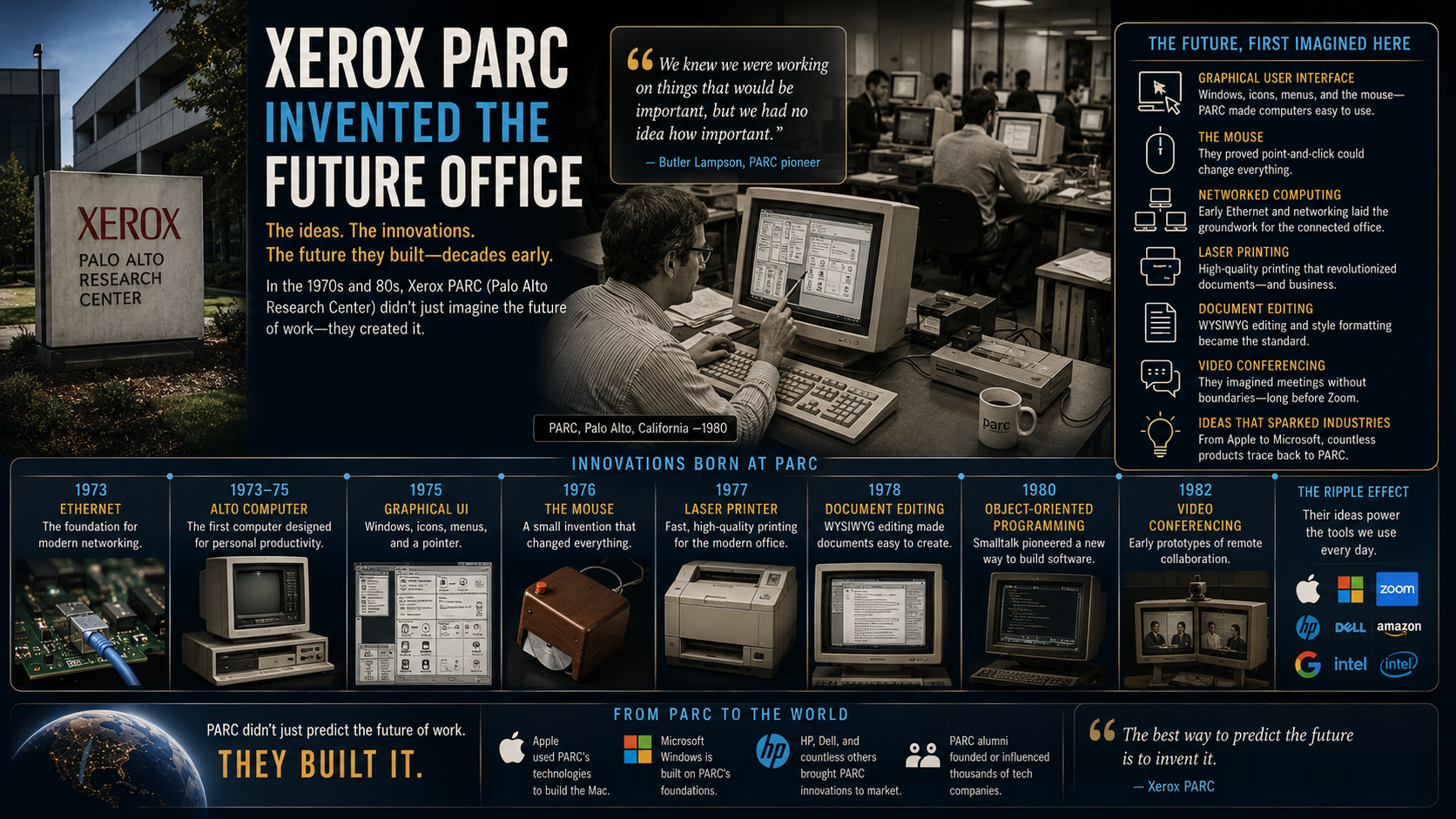
The Lab That Invented Tomorrow
In December 1979, Steve Jobs saw echoes of the future inside Xerox PARC's halls. There, in a secluded lab, lay the blueprint for the modern tech landscape.
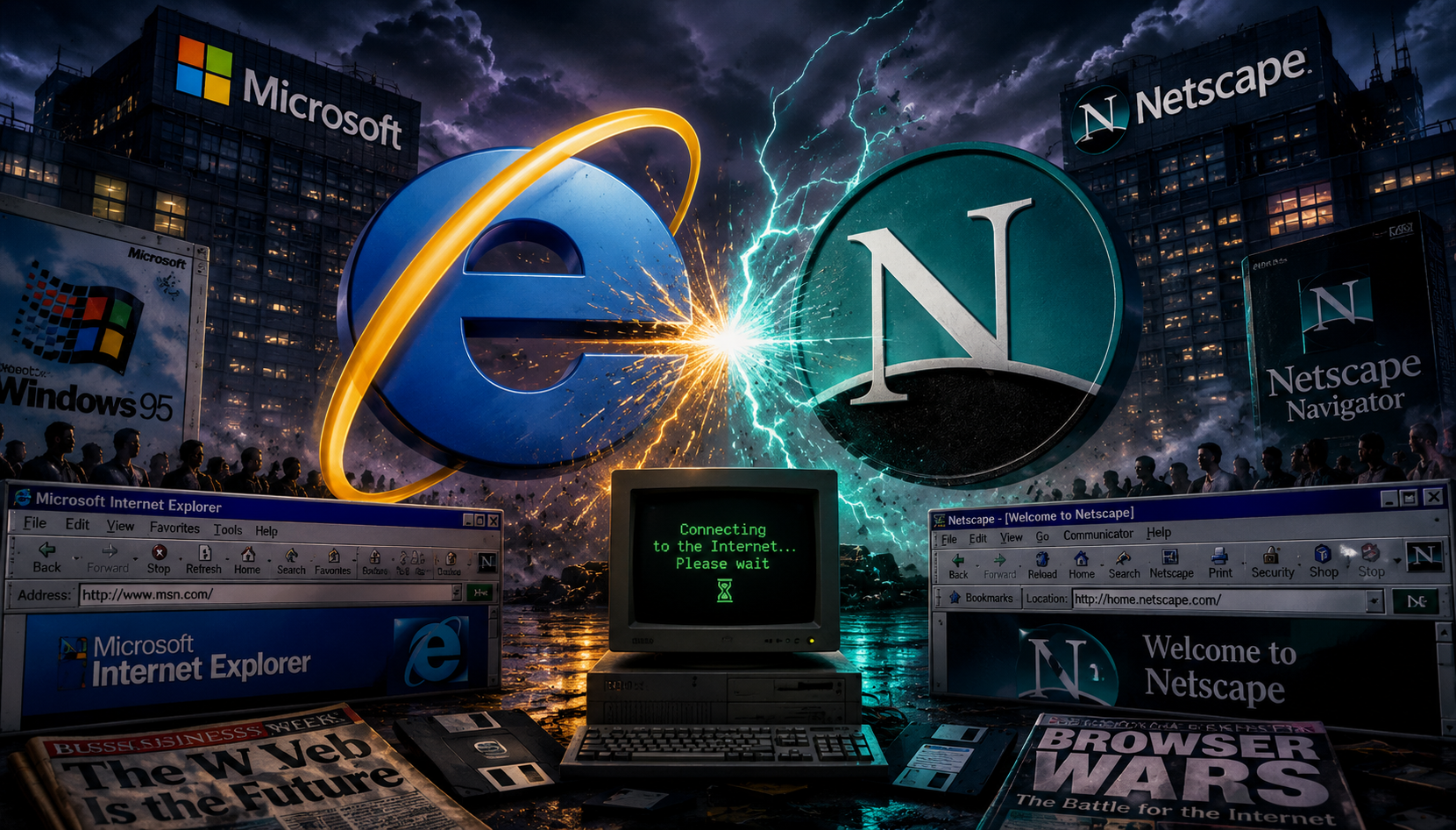
The Browser War That Built the Internet
In the mid-1990s, a software battle erupted that would shape how billions accessed information. Few could predict that the victor would soon face its own downfall.
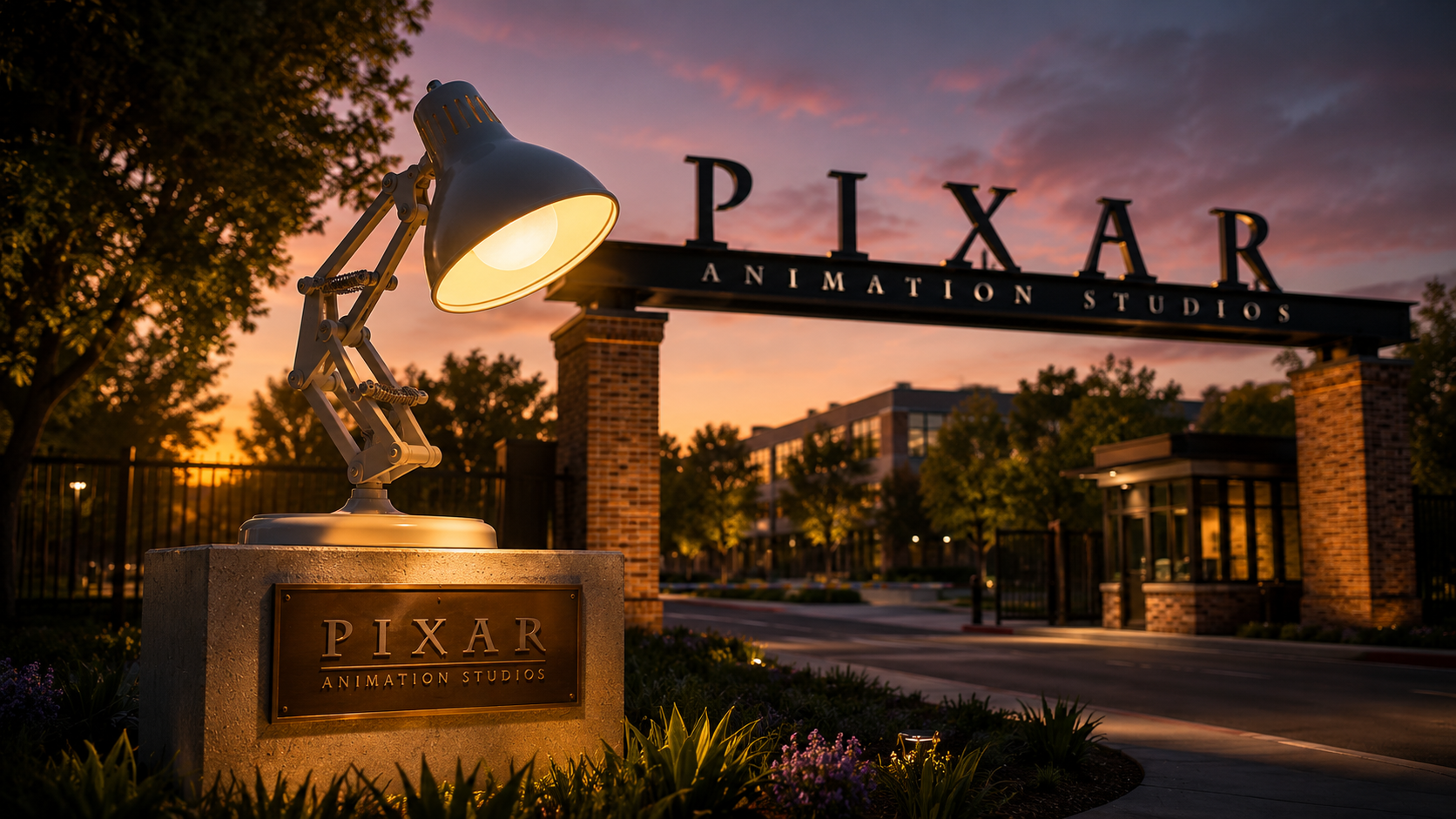
Pixar's Radical Feedback Loop
In a stark, unadorned room, some of the most powerful voices in animation face off with ruthless honesty. Their weapons? Brutal feedback that molds raw ideas into cinematic gold.

The Chicken That Changed Retail
Costco's $4.99 rotisserie chicken isn't just a meal — it's a strategic masterpiece. The unexpected ripple effects changed retail forever.
The Mandela Effect’s Mind-Bending Mystique
Millions remember Nelson Mandela dying in the 1980s, yet he passed in 2013. What caused this shared illusion?
Cracking the Cicada Code
In 2012, an enigmatic online puzzle appeared that promised enlightenment. But who was behind Cicada 3301?
Continue the Rabbit Hole
Each story explores the same idea from a different angle. Follow the connections and discover where the thread leads.
Fictional placeholder content