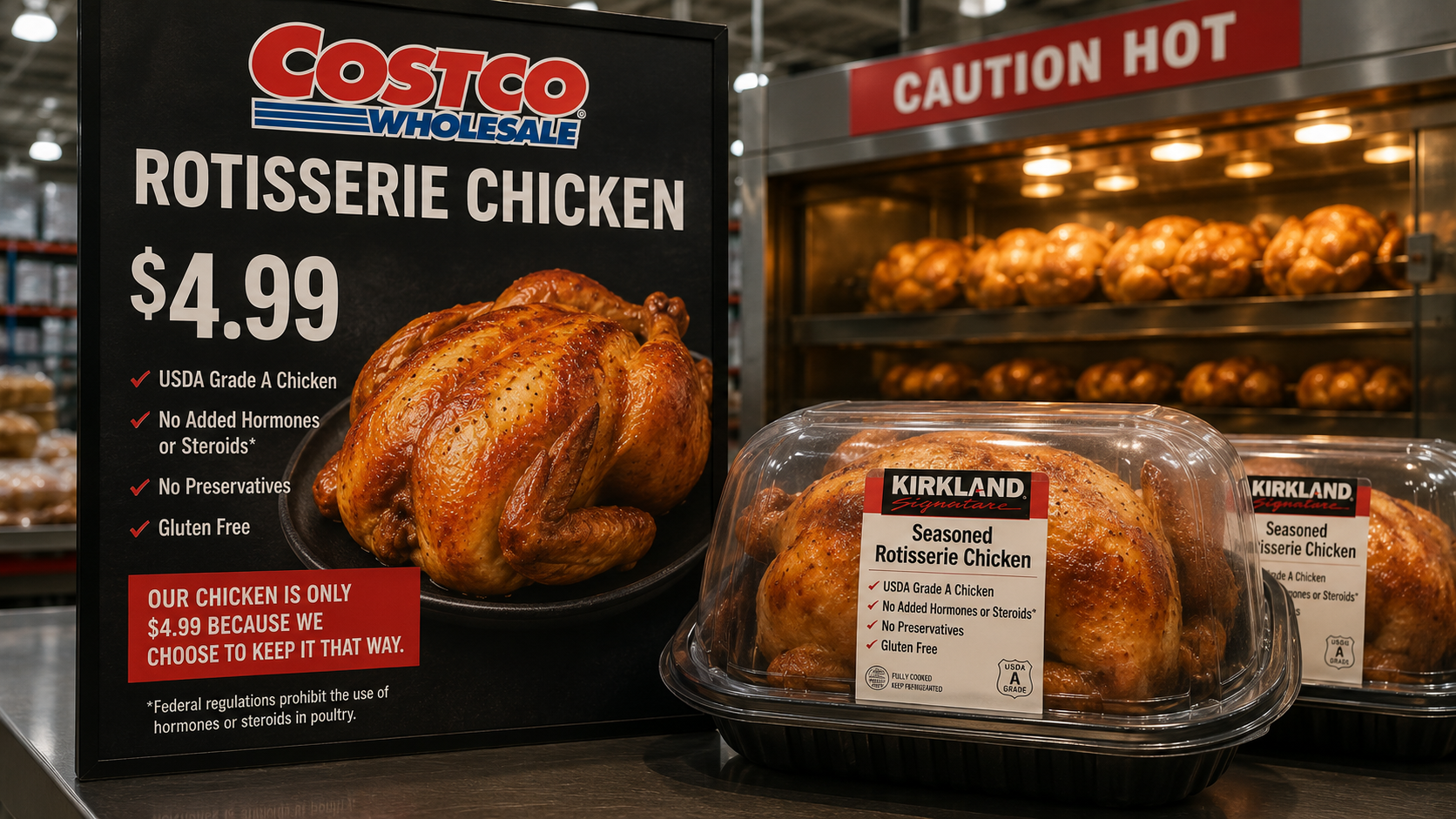
The Chicken That Changed Retail
"Costco's $4.99 rotisserie chicken isn't just a meal — it's a strategic masterpiece. The unexpected ripple effects changed retail forever."
What Happened?
A rotisserie chicken for less than five bucks sounds like a sweet deal. But for Costco, it's a calculated strategy that loses the company nearly $40 million each year. The chickens, priced at $4.99 since the early 2000s, are placed strategically at the back of the store. This setup forces customers to walk past rows of irresistible bulk goods. They grab a chicken, but they leave with overflowing carts totaling much more.
Costco refuses to budge on this price, enduring the financial hit as other poultry prices soar due to inflation and supply chain pressures. This steadfast pricing acts like a gravitational pull, a deliberate 'loss leader' to draw in customers who might otherwise shop elsewhere. The strategy is simple: sacrifice on chickens to profit from the rest of the shopping list.
In 2019, to keep the price intact amidst rising costs, Costco opened a $450 million poultry facility in Nebraska. By controlling the chicken supply chain from farm to rotisserie, they ensure consistency in this cornerstone of their retail strategy. Even today, the birds remain a key attraction, with a staggering 137 million sold just in 2023. This commitment to the low chicken price does not just sell poultry; it sells the Costco experience, reflecting the company's deeper understanding of customer behavior.
Ultimately, this story is about more than chickens. It’s about how an unwavering price point becomes a totem of trust and value, anchoring customer loyalty in a world where the mere promise of a low-priced bird reshapes shopping habits across America.
Takeaway
The lesson this story keeps teaching
“Simple products can be powerful strategic levers - redefining entire industries by masking complex strategies behind mundane facades.”
Why People Are Talking About This
Costco's approach towards a low-margin rotisserie chicken transcends mere pricing strategy, essentially making it an industry compass. By intertwining psychological simplicity with operational complexity, Costco dictated retail landscape shifts that underlined market adaptability amid economic pressures. Observing such transformative effects urged corporations globally to reflect on shared trust economies and customer-centric revolutions.
Thread Map
4 entities · 3 connections · Hover to explore, click to inspect
This is the connection map for this thread. Every node is a person, company, event, or idea. The red lines show how they connect. Hover a node to highlight its connections. Click a node to see why it matters to this story.
How We Got Here
Strategic Pricing Introduced
Costco launches its $4.99 rotisserie chicken as a deliberate pricing anchor, dramatically undercutting competitors and attracting massive foot traffic.
$1 Price Increase Cracks Strategy
In a temporary move responding to financial crisis impacts, Costco raises chicken prices, testing customer perception of value.
Vertical Integration Masterstroke
Costco inaugurates its Lincoln Premium Poultry facility to consolidate its chicken supply chain, insulating against volatile market prices.
Record Chicken Sales
A staggering 137 million rotisserie chickens are sold, reflecting Costco's fortified consumer trust and supply harmony.
Legal Storms Over Marketing Claims
Costco faces a lawsuit over claims of deceptive 'no preservatives' marketing, challenging its crowned brand transparency.
Consumer Trust Reinforced
Despite legal insights breaching operational transparency, consumer trust held formidable, securing Costco’s market position.
Wait... Who Is This?
Long before the smell of rotisserie became synonymous with Costco’s warehouse market, the retail giant molded its rich legacy through strategic foresight, cornering consumer trust as keenly as it did price-sticker gauges. Its competitive roots cut deep in the fledgling growth of 1980s bulk membership landscapes, a departure from feverish discount clubs. Such was the prescient underpinning of co-founders Jeff Brotman and James Sinegal, who believed an equilibrium of preserved margins and consumer transparency could not only disrupt modern retail norms but redefine them.
By 2000, Costco conceived what would soon become an inextricable phenomena: the $4.99 rotisserie chicken. With blurred expectations and fierce industry scrutiny, the innocuous poultry manifested as a disruptive axis around which exponential growth could spin. Innovators of bulk-buying met low-margin configurations swiftly earning fevered subscribers.
These precursors went unnoticed until laid bare when large-scale economic upheaval shifted focus on tangible approaches toward streamlined suppliership, a concept innovators like Costco prominently evoked before mimetic industries could harmonize with similar ends.
Receipts
The economics of Costco rotisserie chicken - The Hustle
What's Behind the Recent Legal Challenges to Costco's Iconic Rotisserie Chicken
How Costco Keeps Its Rotisserie Chickens $5 (and So Delicious)
Costco's $4.99 Chicken Strategy: A Pricing Anchor for Customer Trust | Jimmy Kim posted on the topic | LinkedIn
9 Costco Rotisserie Chicken Facts You Need to Know - Real Simple
Same Pattern
Different story. Same lesson.
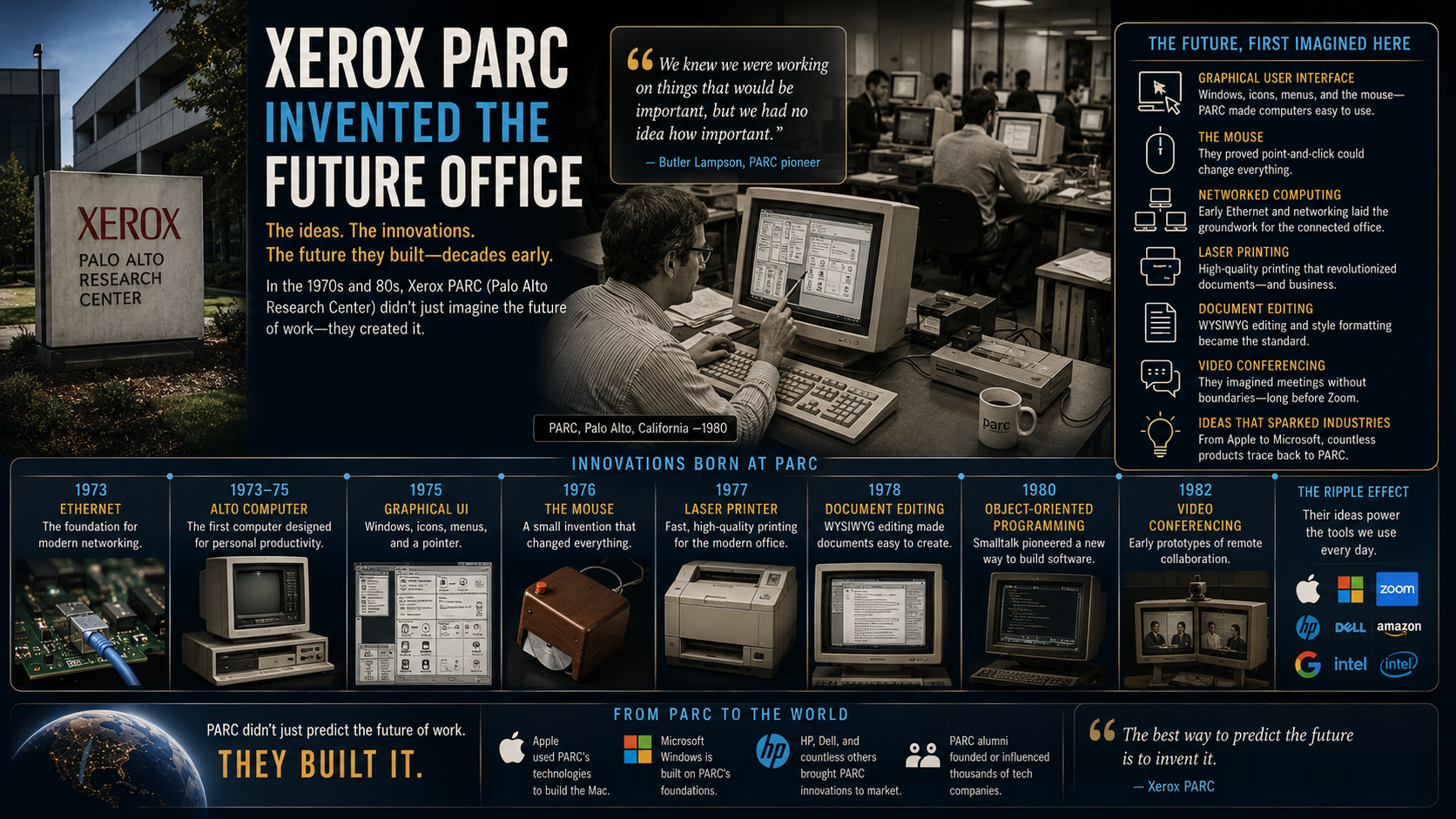
The Lab That Invented Tomorrow
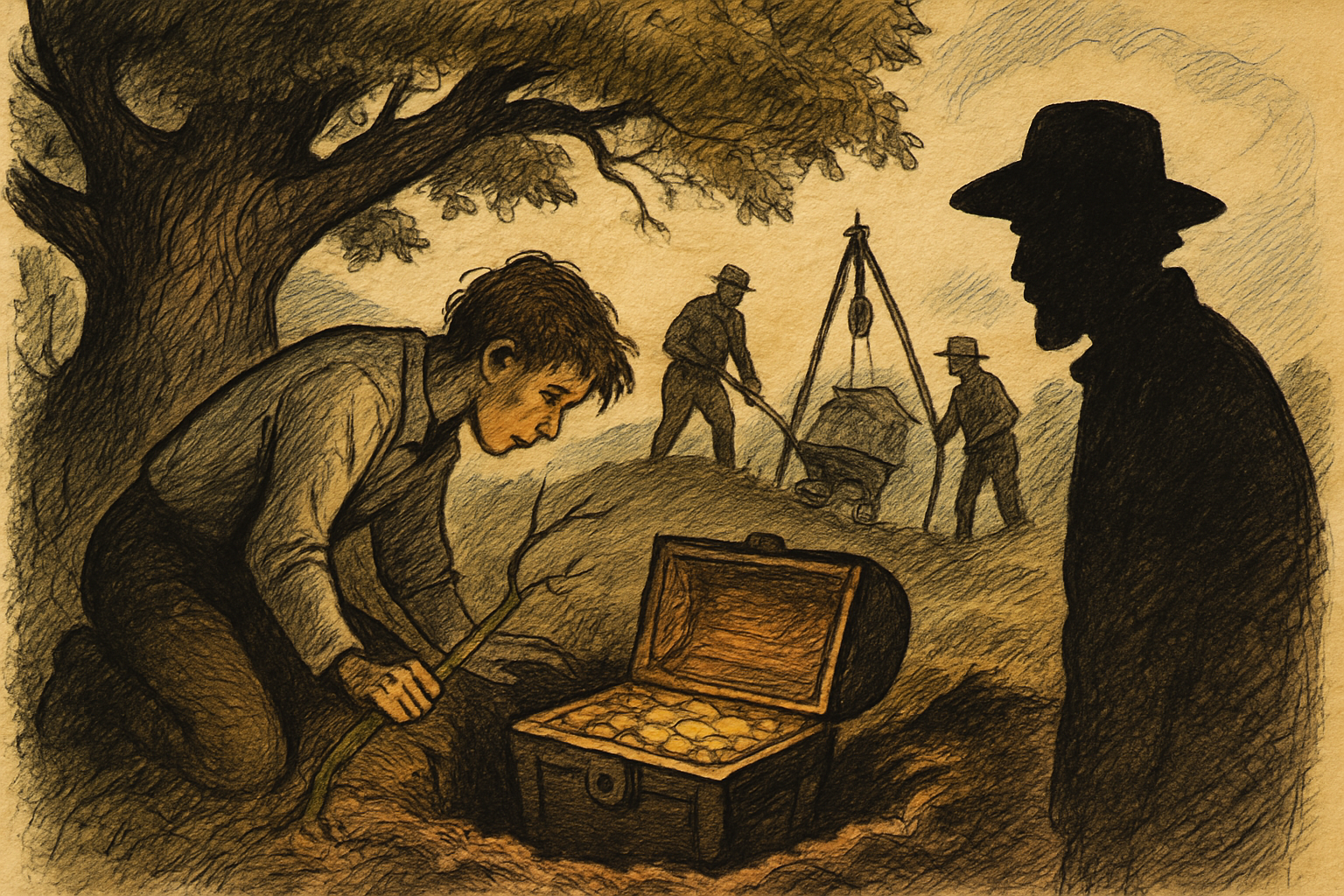
In December 1979, Steve Jobs saw echoes of the future inside Xerox PARC's halls. There, in a secluded lab, lay the blueprint for the modern tech landscape.

The Browser War That Built the Internet
In the mid-1990s, a software battle erupted that would shape how billions accessed information. Few could predict that the victor would soon face its own downfall.
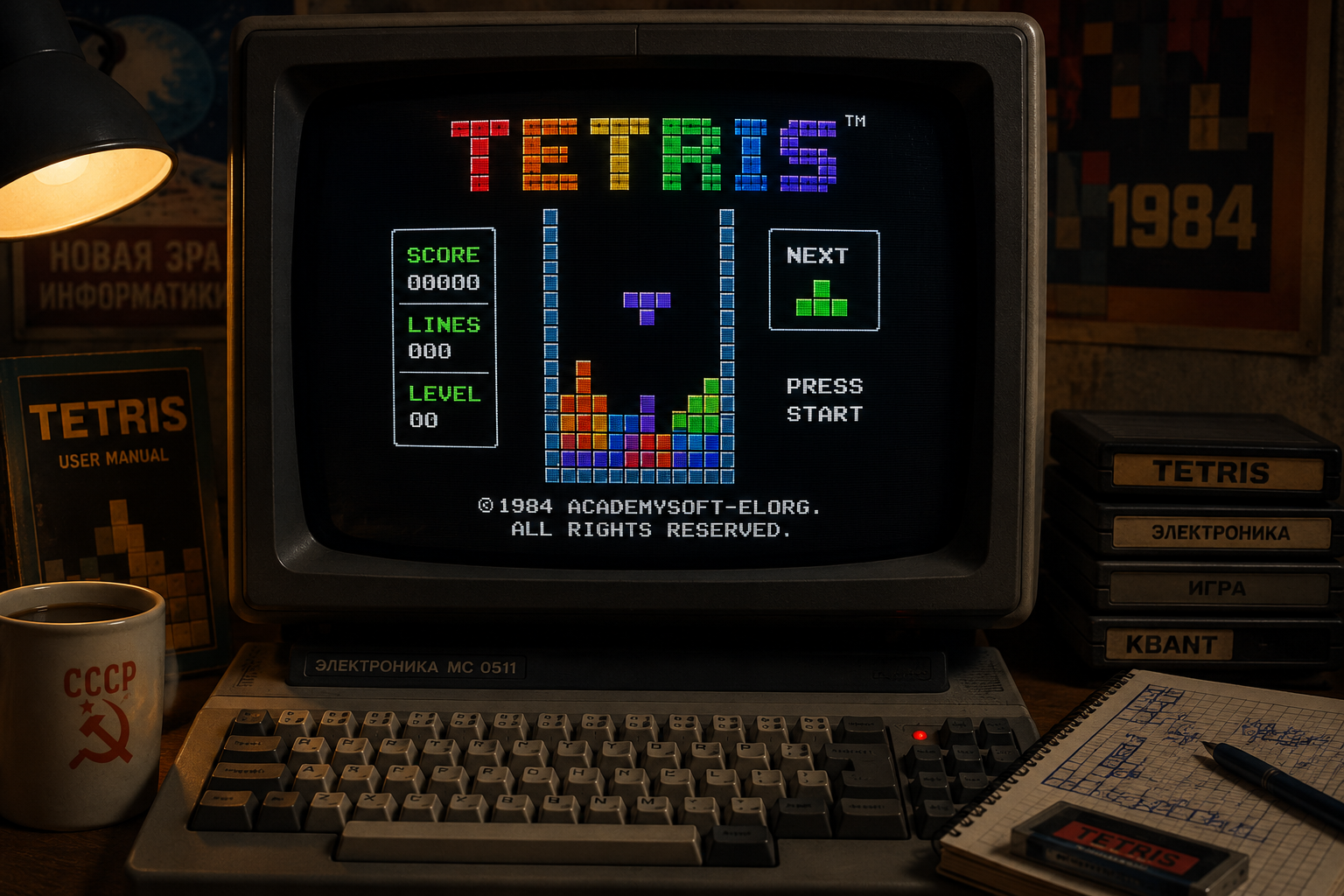
The Puzzle that Conquered the World
A Soviet engineer at his desk, unknowingly poised to create a legend. His creation? Tetris — a game that would break barriers and forever alter the gaming landscape.
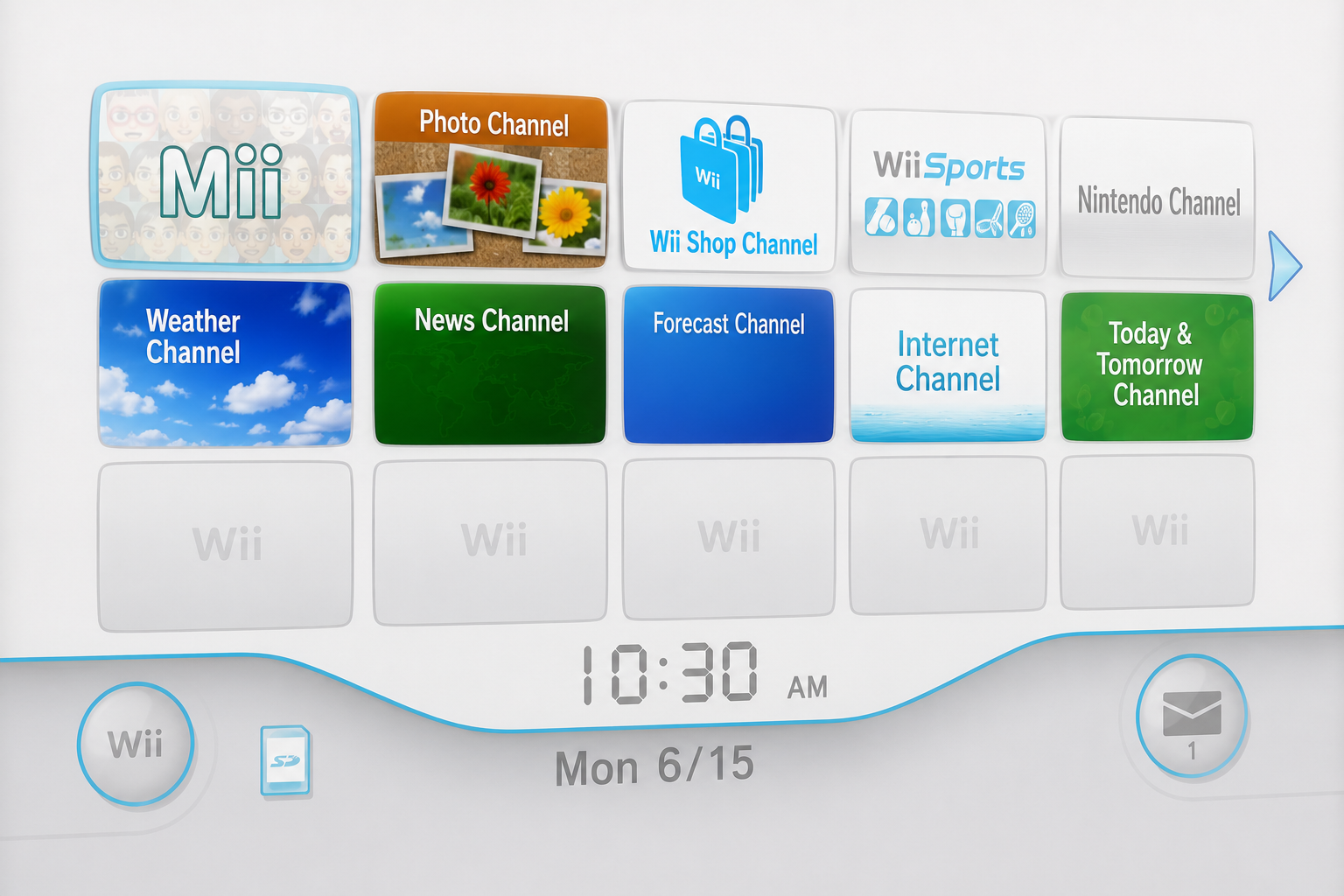
The Wii Gamble That Saved Nintendo
In a world obsessed with graphics and power, Nintendo bet on simplicity. The Wii was laughed at — until it wasn't.
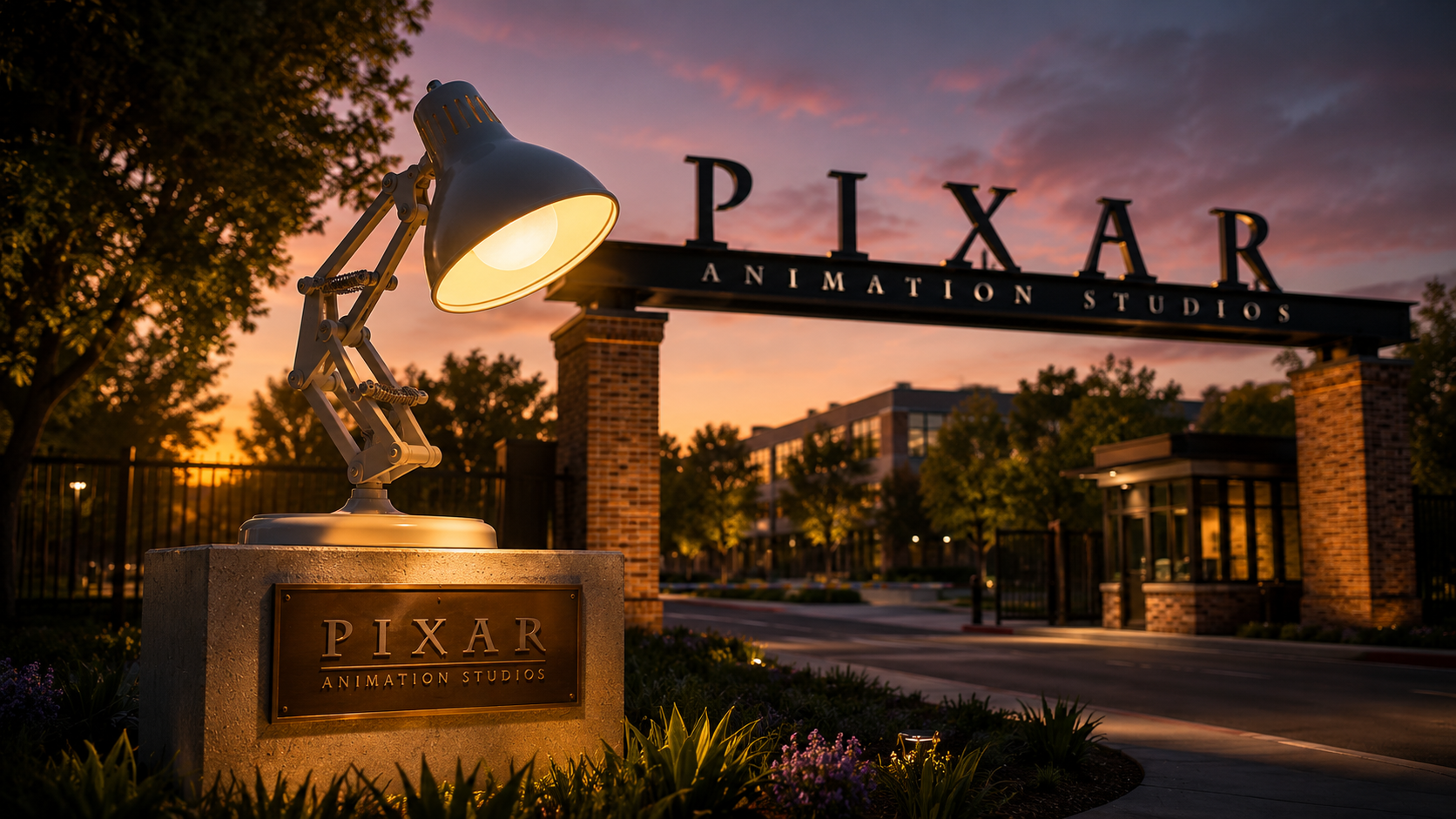
Pixar's Radical Feedback Loop
In a stark, unadorned room, some of the most powerful voices in animation face off with ruthless honesty. Their weapons? Brutal feedback that molds raw ideas into cinematic gold.
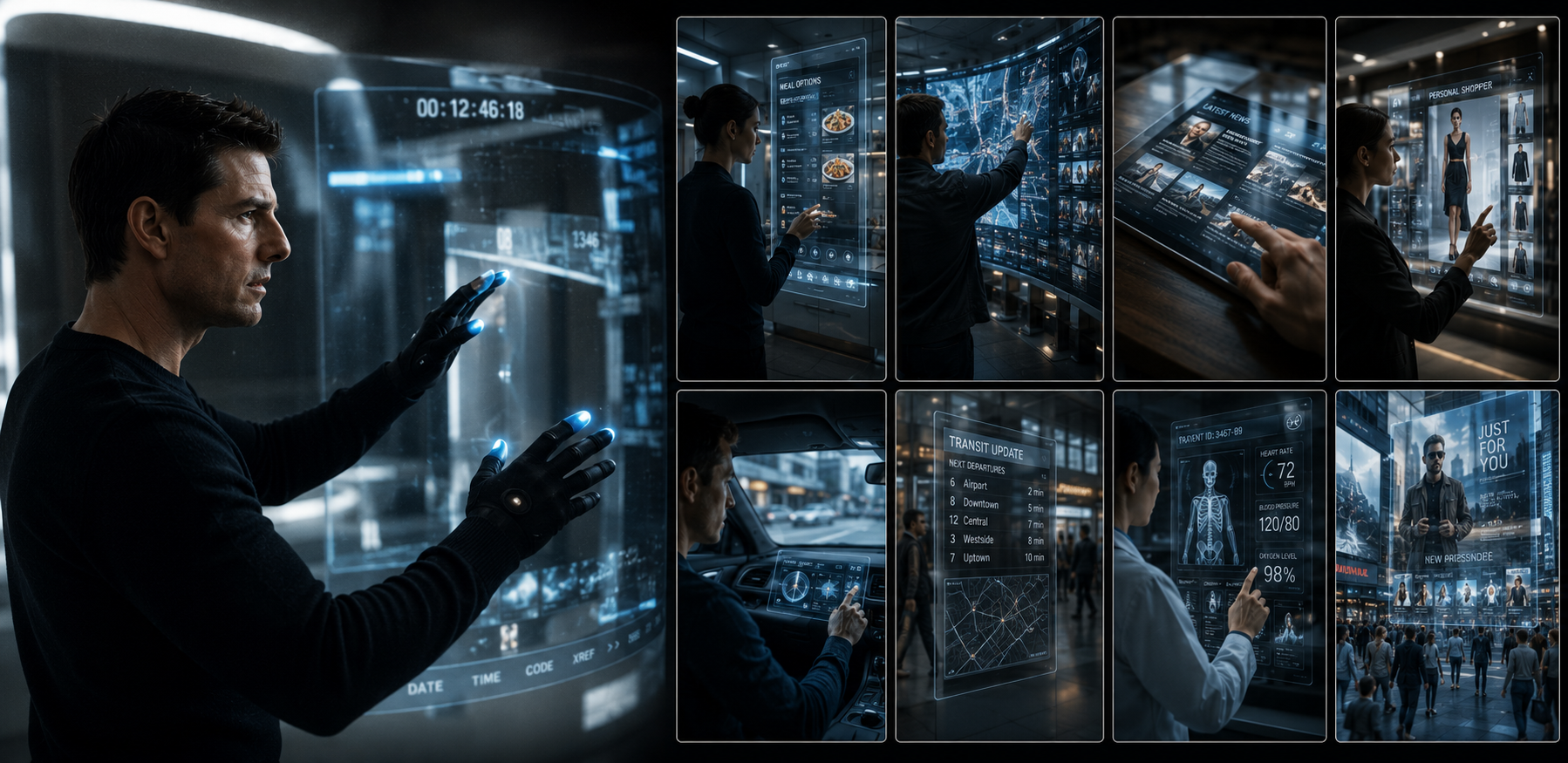
Minority Report's Prescient Touchscreen Reality
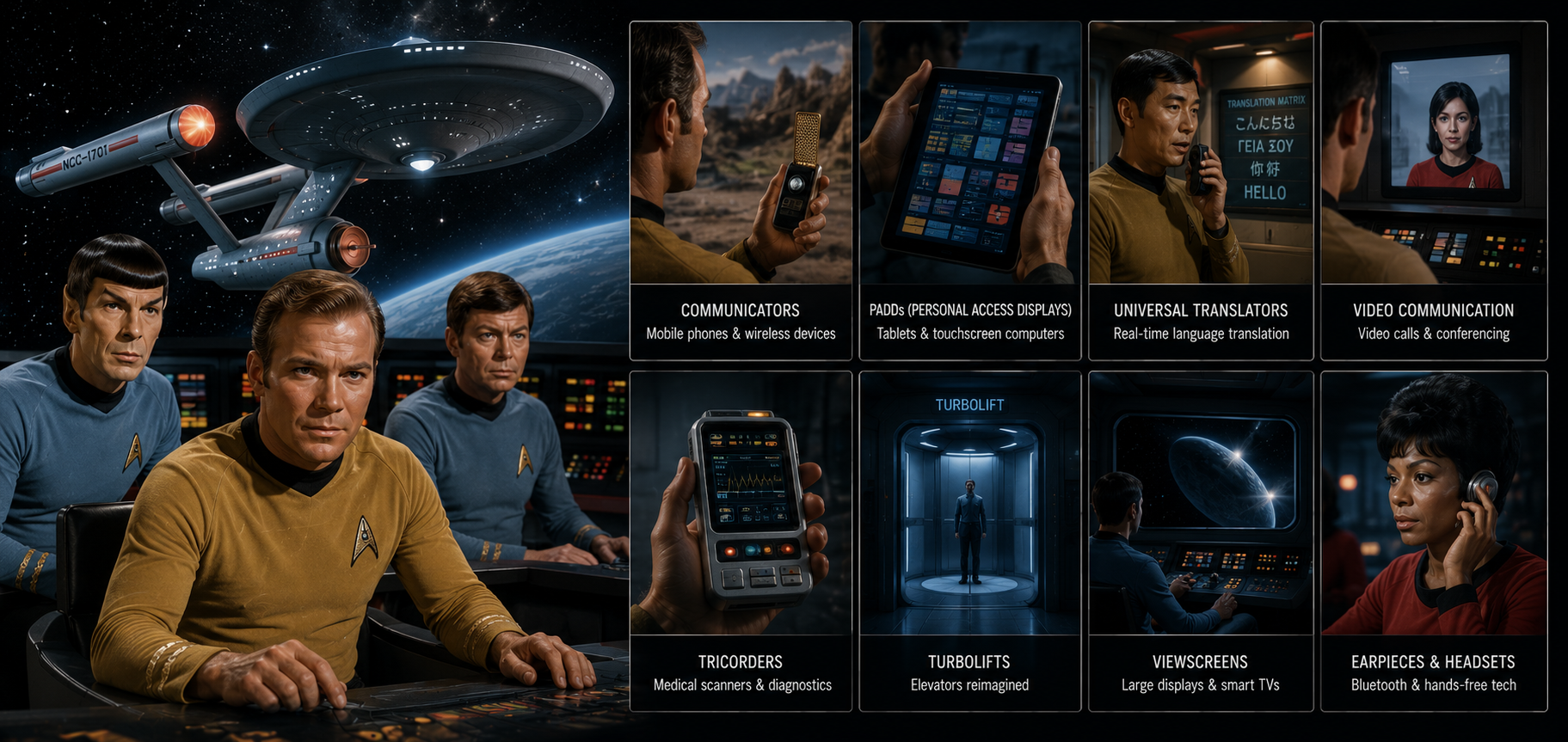
In 2002, Hollywood imagined a future of seamless touchscreen interfaces. Today, Steven Spielberg's vision feels eerily prescient as technology catches up.
Continue the Rabbit Hole
Each story explores the same idea from a different angle. Follow the connections and discover where the thread leads.
Fictional placeholder content