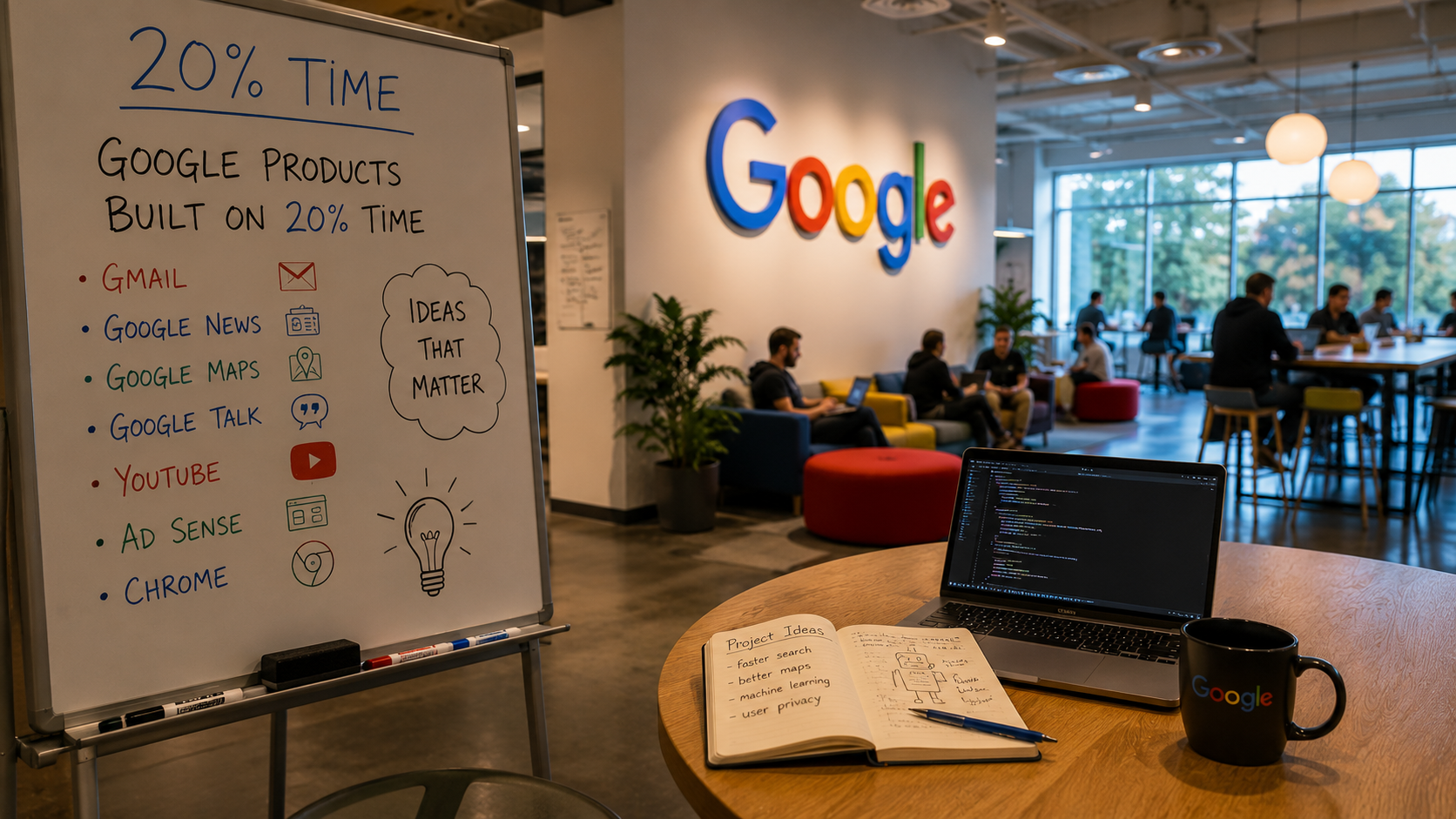
How Google's 20% Time Shaped Innovation
"Gmail, the widely-used email service, was born from Google's infamous 20% Time. What else did this unconventional policy unleash?"
What Happened?
In the bustling halls of Google, a radical experiment was unfolding: the 20% Time initiative. It seemed absurd to some. Why allow engineers to dedicate a fifth of their workweek to projects unaligned with immediate corporate goals? Yet, this unconventional policy was about to reshape the tech landscape. Larry Page and Sergey Brin, Google's co-founders, believed in giving employees freedom. They reasoned that creativity thrived with autonomy. It paid off, spectacularly.
Gmail, born from Paul Buchheit's desire for a more efficient email system, turned a workplace gamble into a cornerstone of digital communication. Google News, developed by Krishna Bharat, responded to the fragmentation in online news, aggregating content in a way that redefined how users consumed information. Each success story bore the signature of Google's trust in its people to explore beyond the routine.
In 2004, Google's IPO letter highlighted the significance of 20% Time. It underscored a culture that dared people to innovate and take risks. But this was no fairy tale. The policy, informal and self-directed, relied heavily on individual motivation. Some projects thrived while others fizzled, as there were no guarantees of success.
As more companies sought to replicate Google's serendipitous innovation engine, the tech industry's approach to creativity began to shift. Giants like LinkedIn and Facebook experimented with their own versions. Yet, Google's 20% Time wasn’t just a policy—it was a philosophy, blurring the lines between work and passion.
By 2024, while debates continued about the policy's efficacy, its legacy was undeniable. The initiative had paved the way for a new era where ideas, not job titles, defined impact. At Google, and beyond, the echoes of that bold experiment still resonate today.
Takeaway
The lesson this story keeps teaching
“Structured freedom often leads to innovations traditional models miss, demonstrating the power of flexible work environments in unleashing creativity.”
Why People Are Talking About This
Google's 20% Time policy illustrated that creativity flourishes under autonomy. It spotlighted the potential for structured innovation to produce monumental advancements, revolutionizing tech through non-traditional work models. This policy's success inspired global emulation, redefining how companies balance freedom and output, emphasizing innovation’s impact when nurtured correctly.
Thread Map
10 entities · 9 connections · Hover to explore, click to inspect
This is the connection map for this thread. Every node is a person, company, event, or idea. The red lines show how they connect. Hover a node to highlight its connections. Click a node to see why it matters to this story.
How We Got Here
Google's IPO Letter Mentions 20% Time
Larry Page and Sergey Brin prominently featured the 20% Time policy in their 2004 IPO letter, signaling its crucial role in Google's commitment to innovation.
AdSense is Publicly Released
Susan Wojcicki's AdSense, developed during 20% Time, was launched, redefining how content monetization was approached on the internet.
Google News Originates from 20% Time
Krishna Bharat created Google News during his 20% Time, a pivotal contribution to how news aggregation would evolve, eventually leading to its global adoption.
Anjali Joshi Details 20% Initiative
Anjali Joshi, Director of Product Management, highlighted the importance of Google's informal 20% Time, explaining the balance required between freedom and project direction.
CNBC Highlights Innovation Practices
CNBC examined how Google's approach to innovation, particularly with the 20% Time policy, had significant effects on expanding skills and fostering new ideas globally.
Medium Analyzes 20% Time Effectiveness
An in-depth look at Google's 20% Time was published on Medium, discussing its continued influence on the tech industry’s approach to driving innovation.
Emergence of Tech Giants Draws Innovation
With the rise of tech giants, Google's 20% Time policy highlighted a new kind of innovation-inspired work culture, influencing fresh approaches across Silicon Valley.
LinkedIn’s 20% Time Variant Adoption
Reflecting Google's success, LinkedIn began implementing a similar 20% Time strategy to stimulate innovation within its teams, inspired by Google's model.
Wait... Who Is This?
Google’s famous 20% Time policy didn’t emerge in a vacuum. During its early years, the tech industry was booming with fervor as giants like Microsoft and AOL shaped the digital landscape. Google, founded by Larry Page and Sergey Brin, sought to carve its niche — not just in search but across all digital domains. The duo theorized that infusing creativity and autonomy into their team’s workload could produce extraordinary results. This ideology seeded the 20% Time concept. By fostering an environment where unconventional thinking thrived alongside structured goals, Google transformed from a mere search engine to an innovation titan. The 20% Time initiative didn’t just create products; it realigned industry expectations, illustrating the power of creativity when unshackled from traditional corporate chains.
Receipts
Google's 20% Time: The Policy Driving Innovation - YouTube
How Google's 20% Time Policy Created Gmail and More | Neelansh Kaabra posted on the topic | LinkedIn
Google’s 20% Time Program: Innovation Success and Lessons for Businesses
Google’s “20% Time” Policy
The 20% Rule's Impact on Innovation | beflo
Google's '20% rule' shows exactly how much time you should spend learning new skills
Thoughts on Google’s 20% time | Scott Berkun
Same Pattern
Different story. Same lesson.
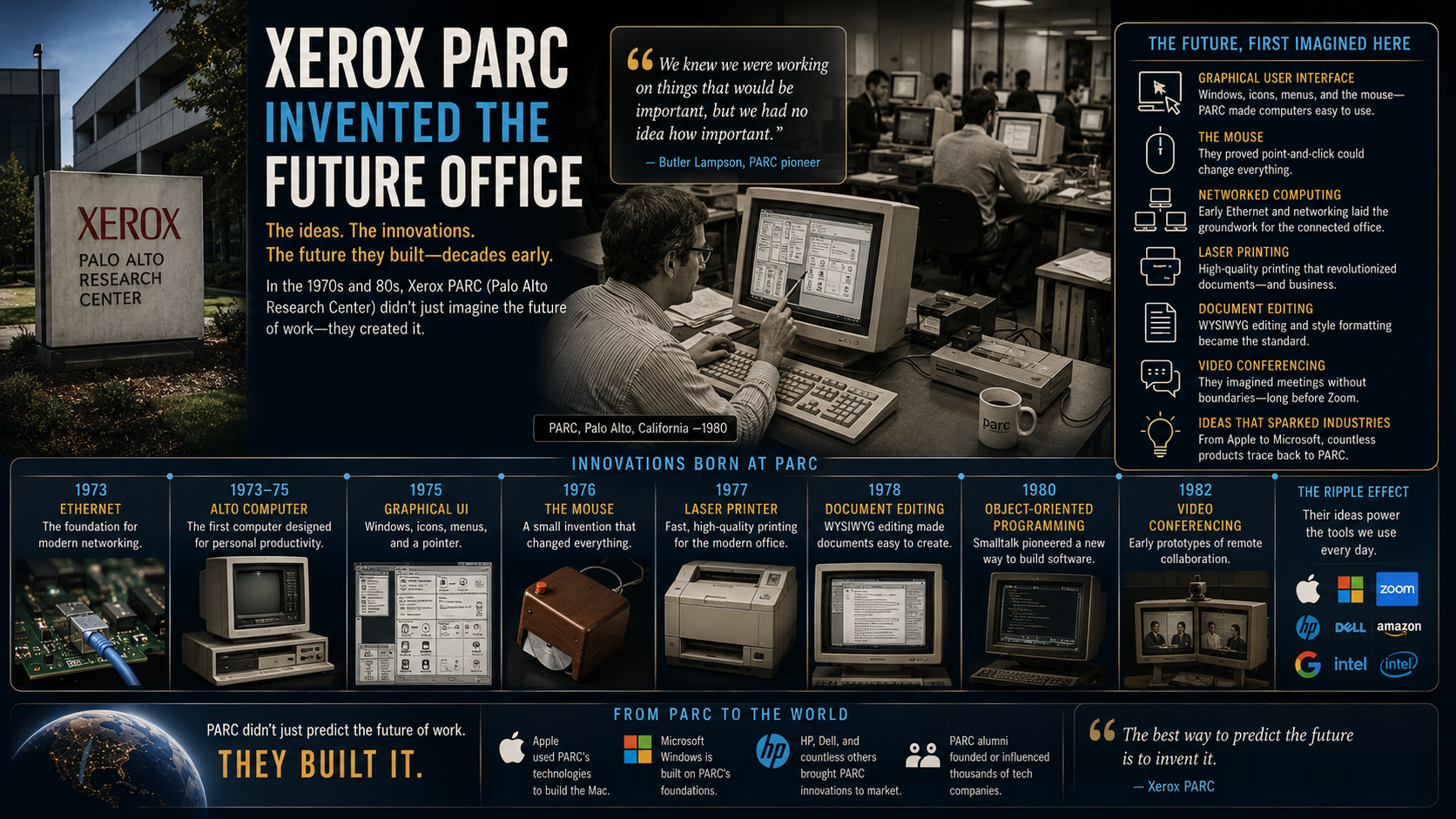
The Lab That Invented Tomorrow
In December 1979, Steve Jobs saw echoes of the future inside Xerox PARC's halls. There, in a secluded lab, lay the blueprint for the modern tech landscape.

The Browser War That Built the Internet
In the mid-1990s, a software battle erupted that would shape how billions accessed information. Few could predict that the victor would soon face its own downfall.
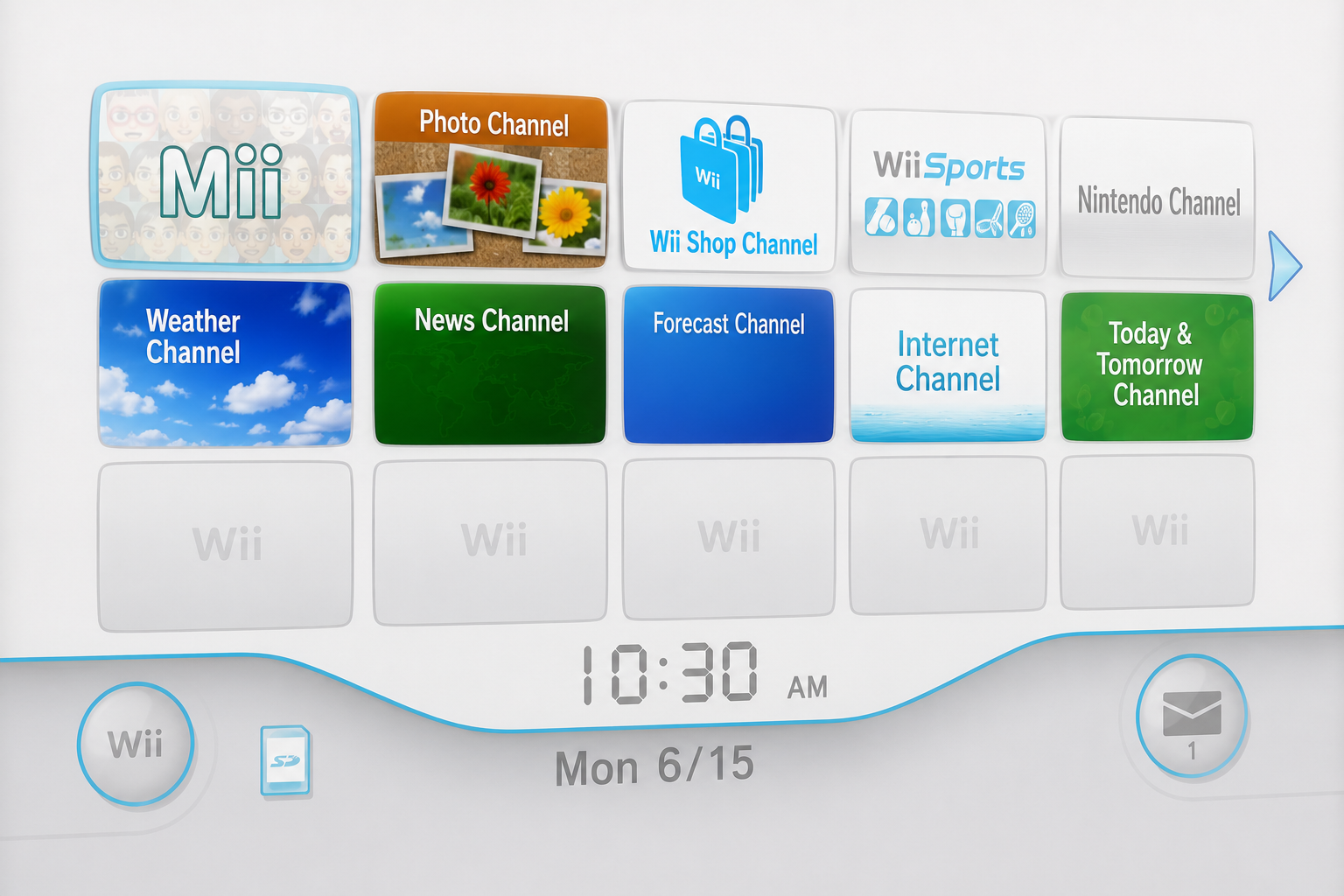
The Wii Gamble That Saved Nintendo
In a world obsessed with graphics and power, Nintendo bet on simplicity. The Wii was laughed at — until it wasn't.

Pixar's Radical Feedback Loop
In a stark, unadorned room, some of the most powerful voices in animation face off with ruthless honesty. Their weapons? Brutal feedback that molds raw ideas into cinematic gold.

The Chicken That Changed Retail
Costco's $4.99 rotisserie chicken isn't just a meal — it's a strategic masterpiece. The unexpected ripple effects changed retail forever.
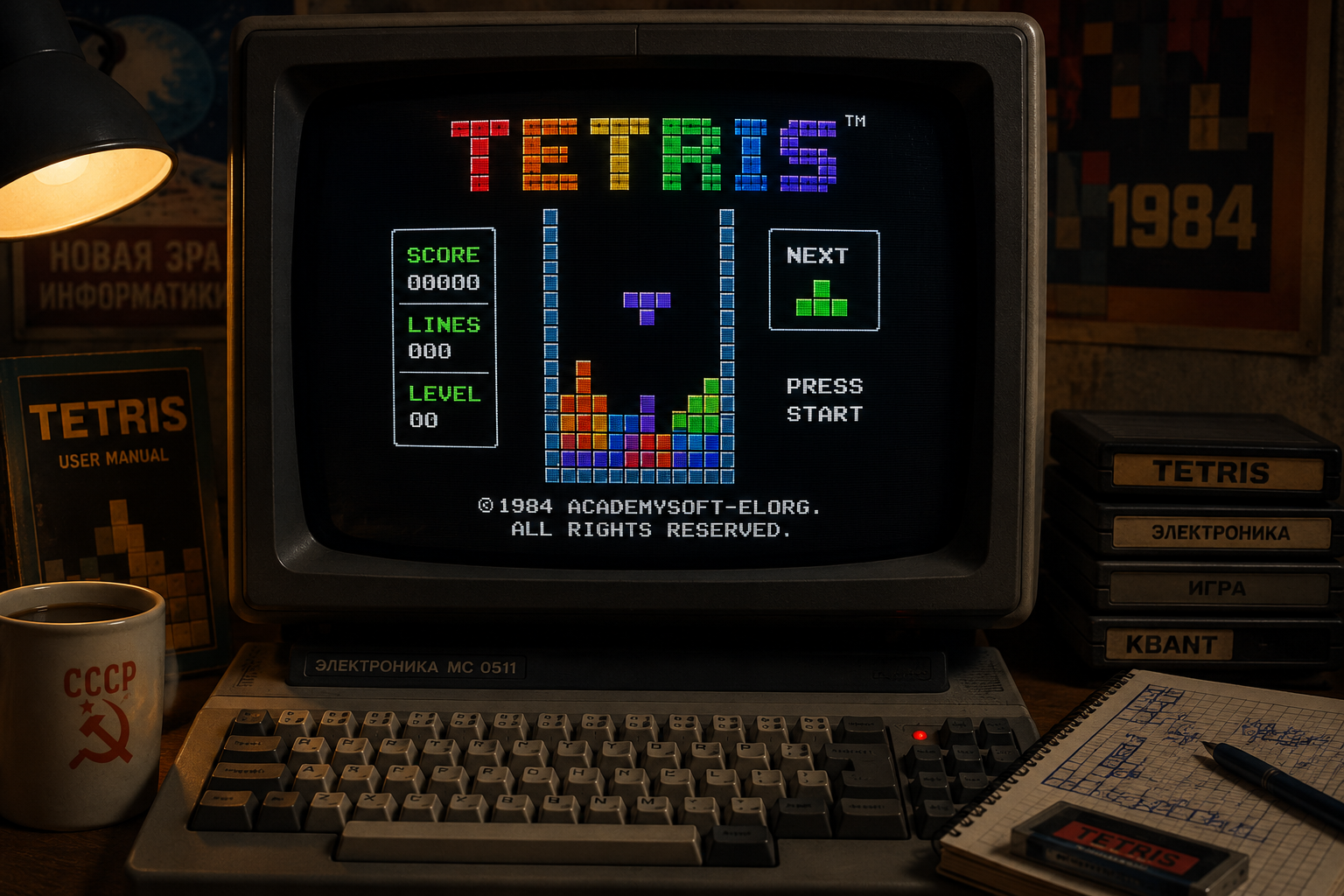
The Puzzle that Conquered the World
A Soviet engineer at his desk, unknowingly poised to create a legend. His creation? Tetris — a game that would break barriers and forever alter the gaming landscape.
Continue the Rabbit Hole
Each story explores the same idea from a different angle. Follow the connections and discover where the thread leads.


Fictional placeholder content