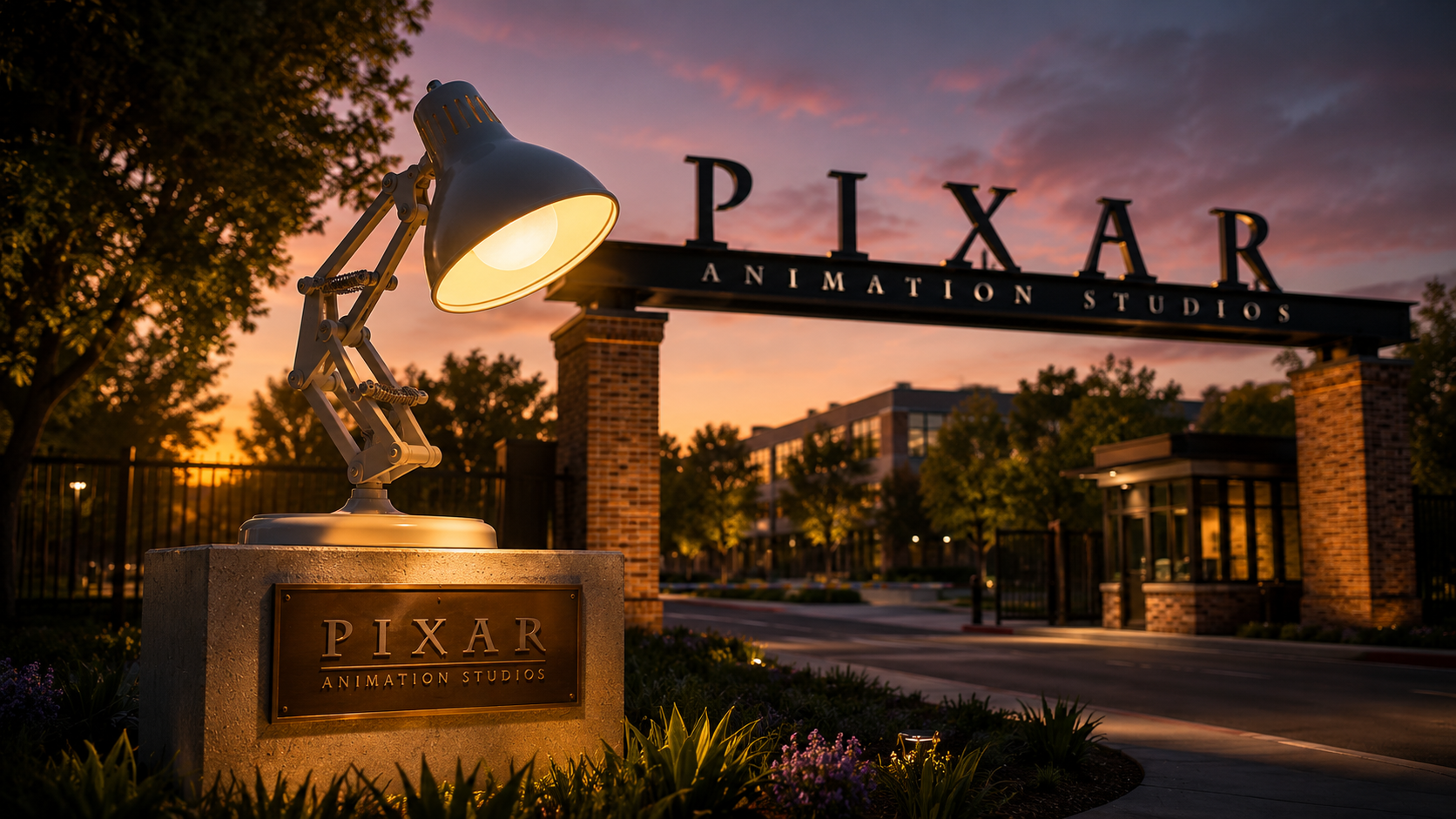
Pixar's Radical Feedback Loop
"In a stark, unadorned room, some of the most powerful voices in animation face off with ruthless honesty. Their weapons? Brutal feedback that molds raw ideas into cinematic gold."
What Happened?
Imagine stepping into a room where the fate of a film hangs by a thread—where filmmakers, like Andrew Stanton and Pete Docter, hold nothing back in their critique. This is the Pixar Braintrust, a place where the raw truth is an uninvited guest, yet, paradoxically, the key to success. Once, during the making of "The Incredibles," a scene involving Bob and Helen Parr was torn apart, prompting a pivotal rewrite. Brad Bird, the director, stood firm, trusting his instincts over the chorus of feedback.
This brutal, yet constructive process was born in the 1990s during the creation of "Toy Story"— a collaborative battleground crafted by minds like John Lasseter and Joe Ranft. Its unspoken rule? Feedback flows freely, but solutions are the director's domain. This approach not only salvages troubled projects; it turns them into classics. Over the years, this rigorous method has transformed rough drafts into the magical worlds of "Inside Out" and "Finding Nemo."
But what is it about the Braintrust that makes it indispensable? It’s not just the unfiltered feedback; it's the environment that fosters creative autonomy. Ed Catmull, one of Pixar's visionaries, ensured that directors never felt mandated to follow critiques—the art of suggestion is where genius takes form. And so, Pixar's vault filled with awards and billion-dollar franchises stands as a testament to a process where conflict doesn't tear apart; it builds up.
Today, this pattern reverberates beyond Pixar. Corporate giants like Disney have absorbed and adapted this concept, applying it to revitalize their own storytelling methods. The Braintrust’s influence is visible whenever a calculated risk or innovative narrative emerges, reminding us that sometimes, the harshest truths yield the richest results. This ongoing legacy isn't just about making movies; it's reshaping how we tell stories, proving that sometimes, the greatest masterpiece begins as a brutal critique.
Takeaway
The lesson this story keeps teaching
“Success isn't born in solitude. It's forged in the fires of fearless criticism and collaboration.”
Why People Are Talking About This
Pixar's Braintrust reshaped industry conventions, proving that honest feedback builds better stories. It's not just animation that benefits. Any industry, from tech to education, can adopt this model of open dialogue as a catalyst for innovation. Pixar demonstrates that when vulnerability becomes strength, the results are revolutionary.
Thread Map
9 entities · 8 connections · Hover to explore, click to inspect
This is the connection map for this thread. Every node is a person, company, event, or idea. The red lines show how they connect. Hover a node to highlight its connections. Click a node to see why it matters to this story.
How We Got Here
Pixar Forms the Braintrust
Ed Catmull and John Lasseter, among others, develop the Braintrust. This unique feedback loop encourages radical honesty to improve their films, catalyzing creativity and innovation.
Toy Story Revolutionizes Animation
Toy Story is released, succeeding through rigorous Braintrust critique. The film becomes Pixar's first fully computer-animated feature and sets a benchmark in the animation industry.
Pixar Dominates Box Office
Movies like 'Toy Story 2' and 'A Bug's Life' elevate Pixar's brand. The studio's reliance on the Braintrust model ensures that creative potential is maximized.
Finding Nemo Edges Out Competition
'Finding Nemo' emphasizes Braintrust’s power; its story honed by stringent sessions. It wins an Oscar and becomes one of the highest-grossing animation films of its time.
Disney Emulates Braintrust
After acquiring Pixar, Disney incorporates Braintrust-like meetings, influencing its approach to filmmaking and eventually creating blockbusters like 'Frozen.'
Wall-E Pushes Boundaries
Pixar once again challenges norms with 'Wall-E', a result of Braintrust’s critique process. The film gains acclaim for its innovation in narrative and style.
Inside Out's Emotional Revolution
'Inside Out,' initially stalled in development, is transformed through Braintrust meetings, ultimately achieving critical and commercial success.
The Braintrust's Lasting Legacy
Pixar's Braintrust continues to influence industries beyond filmmaking, championed as a model for fostering innovation through open dialogue and honest critique.
Wait... Who Is This?
In the mid-20th century, animation was an assembly line of bright colors and predictable plots. Studios capitalized on a formulaic success without daring to disrupt their winning formula. It was in this context that a young company named Pixar emerged. Founded by technologist Ed Catmull, Pixar was initially met with industry skepticism. Who were this team of tech geeks—and why did they think computers could compete with Disney's hand-drawn wonderlands? Yet, as Pixar began deliberate steps towards their vision, spearheaded by luminaries like John Lasseter, the cinematic world braced for transformation. The Braintrust became Pixar’s engine, an unabashed bastion of critique creating hits like 'Toy Story,' 'Monsters, Inc.,' and 'Finding Nemo.' This new model upended not only the process of animation but also ingrained a culture that valued discussion over dictation.
Receipts
Same Pattern
Different story. Same lesson.
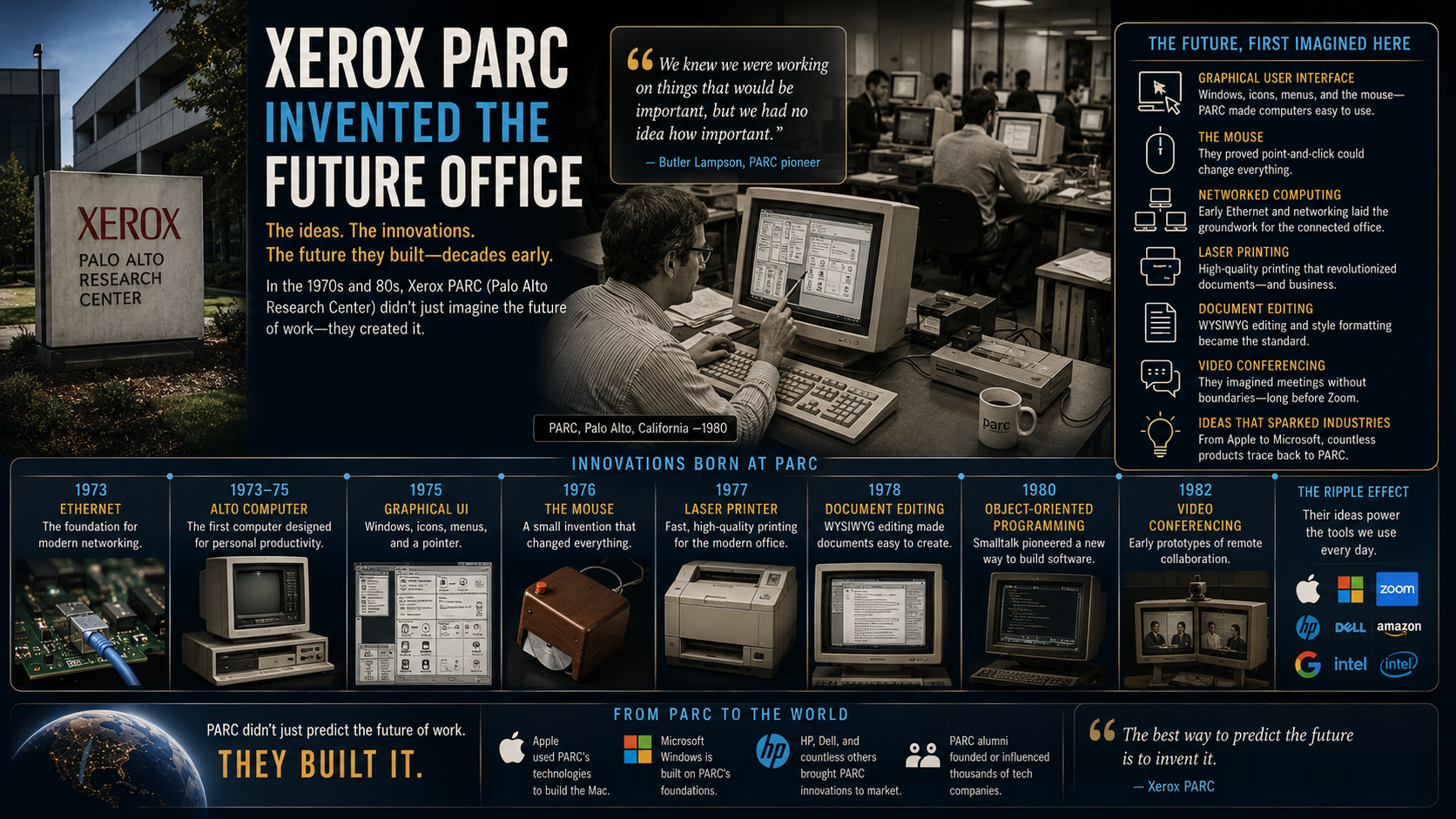
The Lab That Invented Tomorrow
In December 1979, Steve Jobs saw echoes of the future inside Xerox PARC's halls. There, in a secluded lab, lay the blueprint for the modern tech landscape.
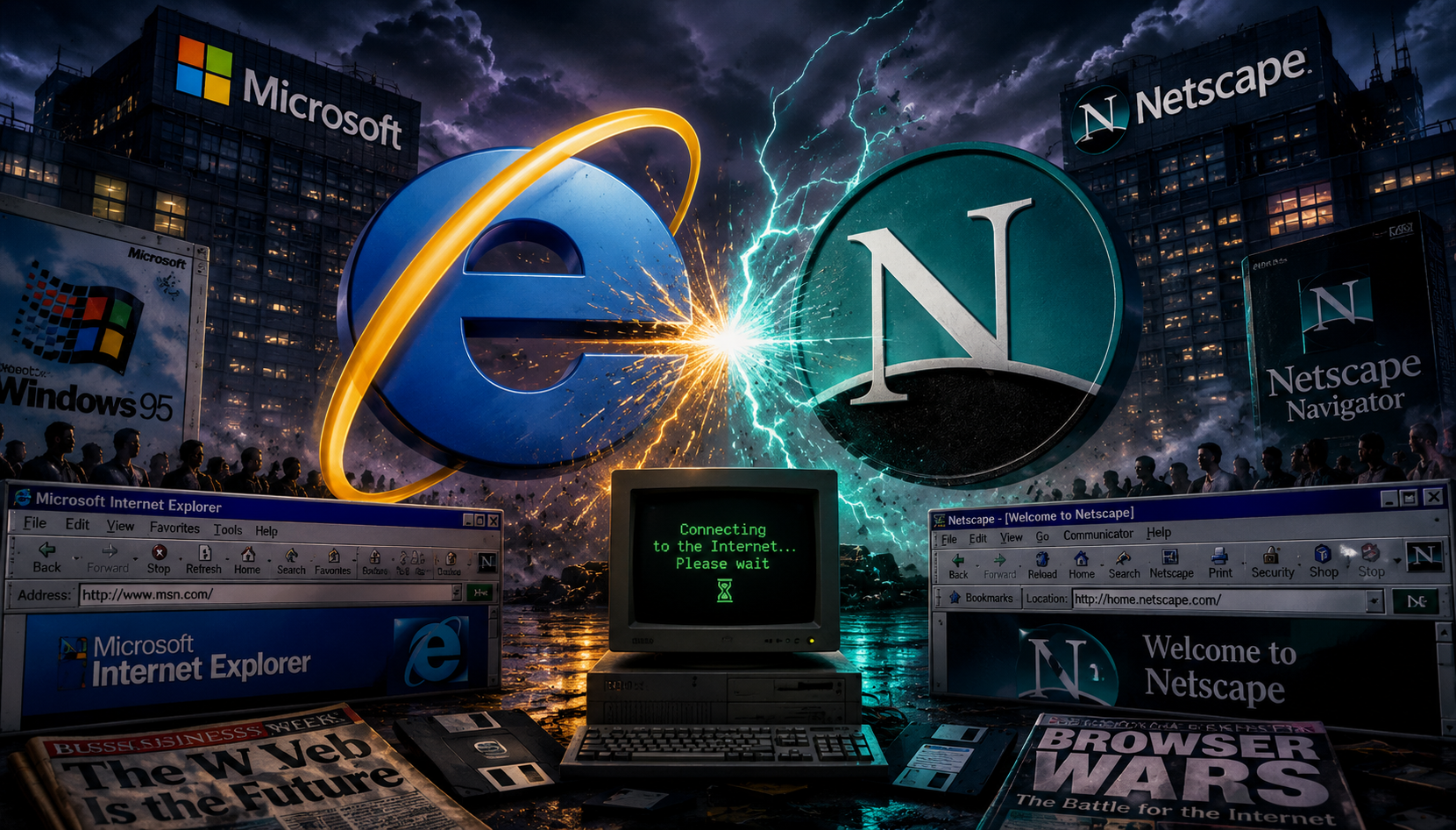
The Browser War That Built the Internet
In the mid-1990s, a software battle erupted that would shape how billions accessed information. Few could predict that the victor would soon face its own downfall.

The Wii Gamble That Saved Nintendo
In a world obsessed with graphics and power, Nintendo bet on simplicity. The Wii was laughed at — until it wasn't.

The Chicken That Changed Retail
Costco's $4.99 rotisserie chicken isn't just a meal — it's a strategic masterpiece. The unexpected ripple effects changed retail forever.
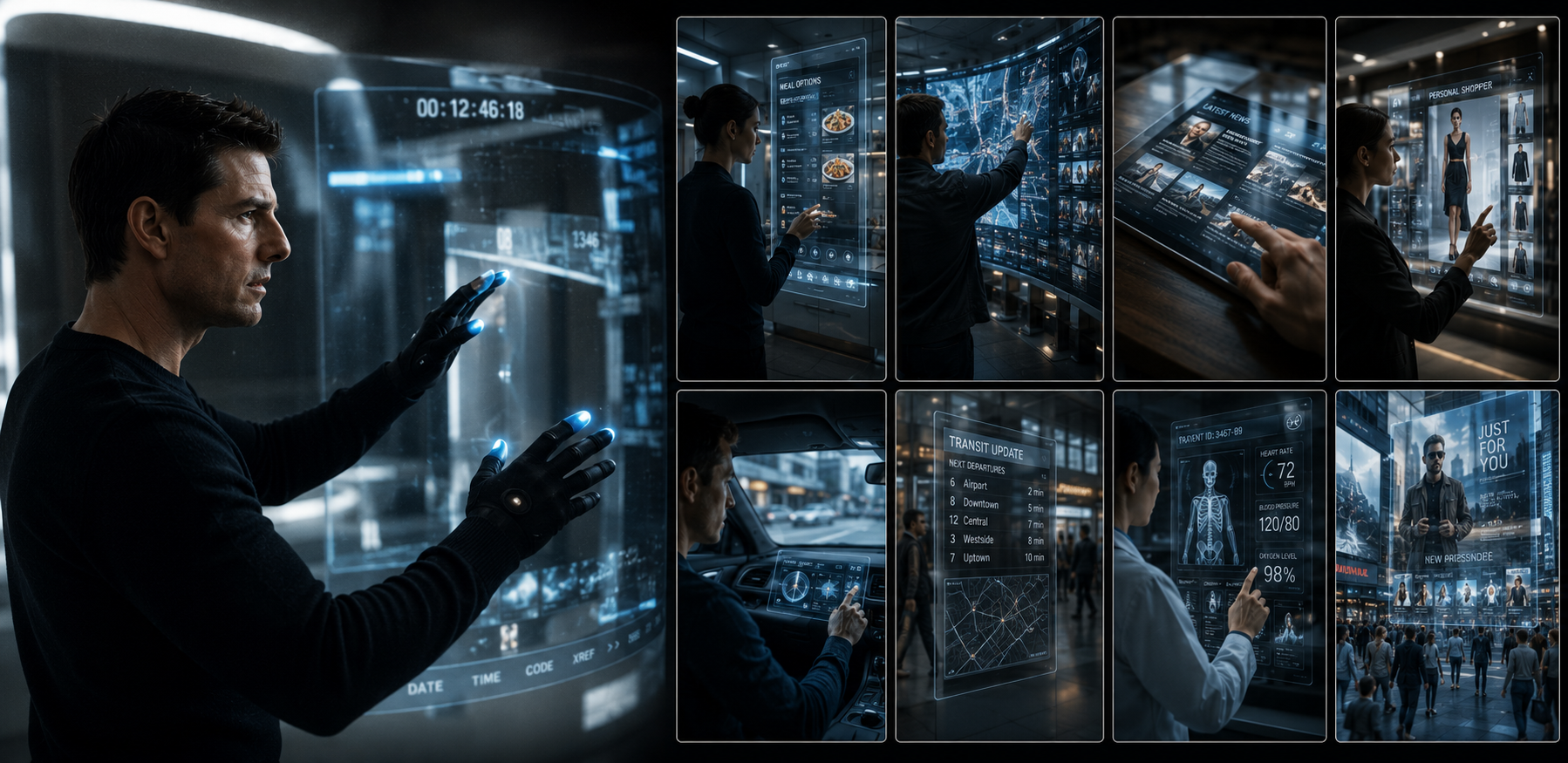
Minority Report's Prescient Touchscreen Reality
In 2002, Hollywood imagined a future of seamless touchscreen interfaces. Today, Steven Spielberg's vision feels eerily prescient as technology catches up.
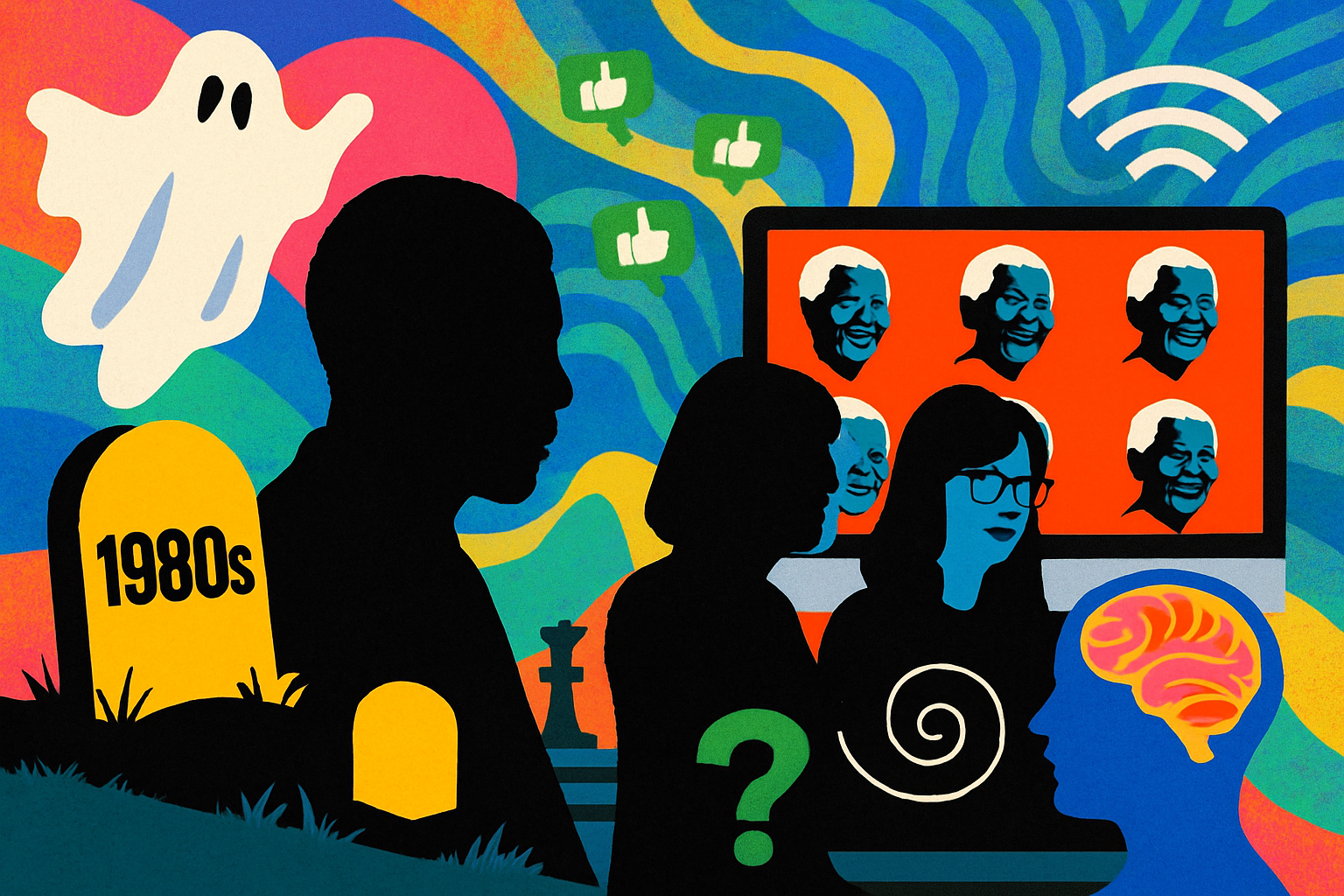
The Mandela Effect’s Mind-Bending Mystique
Millions remember Nelson Mandela dying in the 1980s, yet he passed in 2013. What caused this shared illusion?
Continue the Rabbit Hole
Each story explores the same idea from a different angle. Follow the connections and discover where the thread leads.
Fictional placeholder content