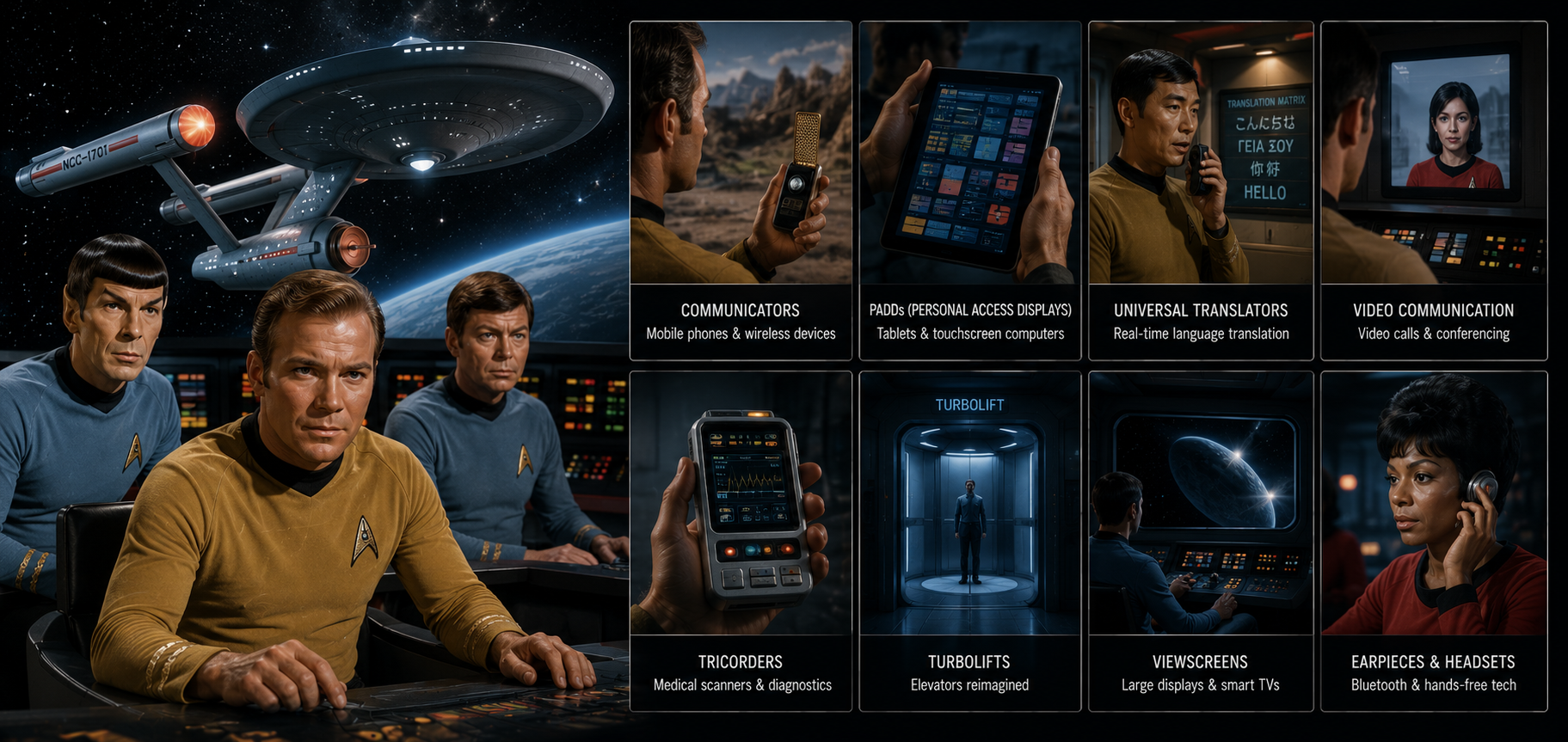
Star Trek's Blueprint for the Future
"One TV series changed how we envision the future. But the even stranger twist? Its fictional tech became real."
What Happened?
It was 1964 when Gene Roddenberry walked into Desilu Productions with a vision that would defy the very fabric of what television was at the time. Roddenberry pitched an idea he called "Wagon Train to the Stars," a bold proposal that was a sharp departure from the Westerns and sitcoms dominating the screens. His concept, 'Star Trek,' wasn't just a new show; it was a blueprint for what the future could look like — a future where humanity had transcended its earthly conflicts to explore the cosmos.
But turning this ambitious project into reality was no easy task. Enter Lucille Ball, the head of Desilu Productions, who played a pivotal role in greenlighting the series when others balked at its complexity and cost. Without her unwavering support, the starship Enterprise might never have launched.
In 1966, viewers tuned in to witness not just a series, but a socio-political experiment in disguise. 'Star Trek' came alive with a diverse crew navigating complex moral dilemmas, reflecting, and often presciently predicting, the social upheavals of the day. It tackled issues that were only whispered about — racial equality, the Cold War, and the threat of nuclear annihilation — clothed in the garb of futuristic allegory.
Technological foresight added another layer. Communicators, for instance, looked remarkably like today's flip phones. And the show's vision of space travel nearly mirrored President John F. Kennedy's 1961 promise to send an American safely to the moon before the decade's end, a goal it visualized with uncanny timing, given that the "Tomorrow is Yesterday" episode aired in early 1967.
As the show gained momentum, its cultural ripple effects became undeniable. The first televised interracial kiss occurred on 'Star Trek,' sending shockwaves through a society deeply divided by race. Its legacy is seen today not only in technological advances but in the way it expanded the boundaries of television storytelling, paving the way for generations of viewers to dream bigger.
The story of 'Star Trek' is not just about a TV series; it is about a vision of future possibility, penned at a desk, underscored by social change in a turbulent era, reminding us that sometimes fiction lays the groundwork for reality.
Takeaway
The lesson this story keeps teaching
“Fiction has the power to shape reality by inspiring innovation and changing societal expectations.”
Why People Are Talking About This
Star Trek's influence extends beyond just a TV show. It has profoundly shaped technological advancements and cultural norms that shape the modern world.
The series demonstrated the power of visionary storytelling: creating anticipation for innovations like mobile tech and digital communication, inspiring real-world tech and promoting inclusivity in on-screen representation. It is a testament to how a singular narrative could inspire change and break through both the theatrics and realities of technology and society.
Thread Map
10 entities · 9 connections · Hover to explore, click to inspect
This is the connection map for this thread. Every node is a person, company, event, or idea. The red lines show how they connect. Hover a node to highlight its connections. Click a node to see why it matters to this story.
How We Got Here
Roddenberry Pitches 'Star Trek'
Gene Roddenberry presents his vision for Star Trek, a 'Wagon Train to the stars', to Desilu Productions. Lucille Ball's foresight proves crucial in greenlighting the series.
The Original Series Airs
Star Trek broadcasts its first run, introducing futuristic technology, diverse crews, and peace idealism. Its stories challenge societal norms and inspire audiences beyond just entertainment.
Tech Predictions Unfold
'Tomorrow Is Yesterday' episode airs, foreshadowing future tech developments such as video communication and space travel, resonating with audiences keen on technological possibilities.
Breaking Ground with 'Return to Tomorrow'
An episode exploring the survival of ancient alien entities airs, reinforcing Star Trek's ambition to tackle topics beyond mere science fiction narratives.
Roddenberry Engages Asimov
Gene Roddenberry writes to Isaac Asimov, coining 'Asimov's Rule.' This dialogue underscores the show's influence on science and culture.
Star Trek: The Next Generation Expands the Vision
Building on the original series, The Next Generation begins, further embedding technological and societal concepts, reaching new audiences globally.
Star Trek's Technological Mirroring
The film 'First Contact' showcases humanity's first warp flight, correlating fiction with continuous space advancements and bolstering interest in real-world tech innovation.
Real Technologies Born from Fiction
Devices and concepts such as smartphones, AI, and video calls, once merely imagined by Star Trek writers, become commonplace as technology catches up.
Wait... Who Is This?
In the 1960s, sci-fi often occupied a corner reserved for whimsical entertainment, not the blueprints of tomorrow. It was an era of exploration: the United States was deep in the space race, fighting for cosmic dominance while grappling with terrestrial divisions. The contemporaneous cultural upheaval made room for new ideas, persistent enough to transcend into lasting narratives.
Enter Gene Roddenberry, a former pilot and naive TV writer with a novel vision of a forward-thinking society. He assembled a world where different species cohabited, technology improved life rather than adding chaos, and humanity aspired to be better—not just as a society of humans but in an interstellar sense. This was the construct he pitched as Star Trek. His backdrop wasn't a utopia but a hopeful direction that our chaotic and prejudicial world could aim towards.
Desilu Productions, led by Lucille Ball, took the gamble. The risk paid off, offering the public tidbits of their aspirations and fears twisted into voyages of the Star Trek universe. Each episode mirrored contemporary societal clashes behind a veneer of far-fetched technologies and 'alien' civilizations. Yet, what captured viewers was the underlying message that humans could rise above their differences and forge a collective future where their dreams navigated with technologies like warp drives and personal communicators.
When Star Trek began its journey in 1966, it carried more than stories of space adventures. It bore the weight of representing boundaries society had barely started to touch and technological dreams that seemed outlandish but possible.
Receipts
Same Pattern
Different story. Same lesson.

The Wii Gamble That Saved Nintendo
In a world obsessed with graphics and power, Nintendo bet on simplicity. The Wii was laughed at — until it wasn't.
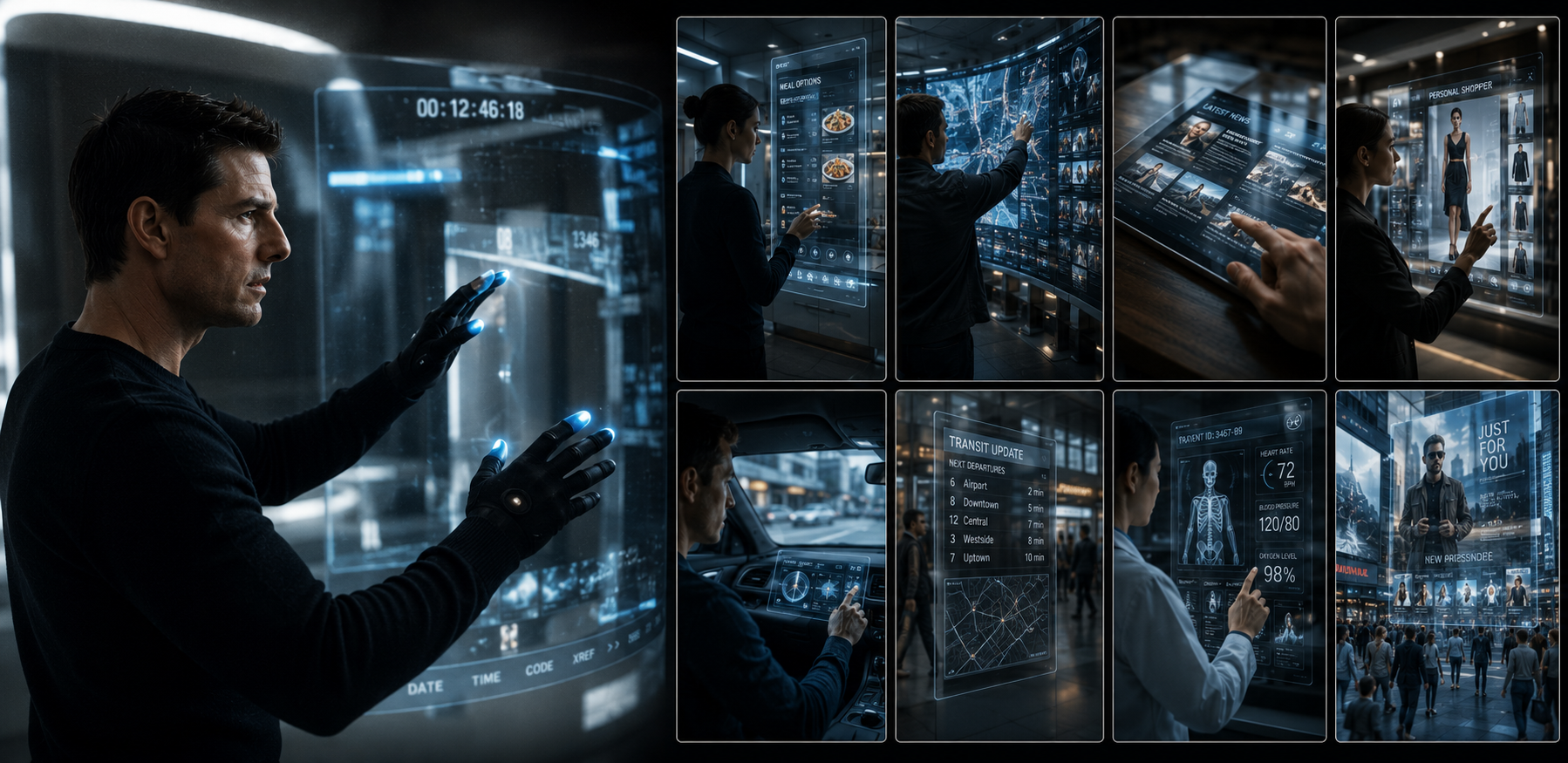
Minority Report's Prescient Touchscreen Reality
In 2002, Hollywood imagined a future of seamless touchscreen interfaces. Today, Steven Spielberg's vision feels eerily prescient as technology catches up.
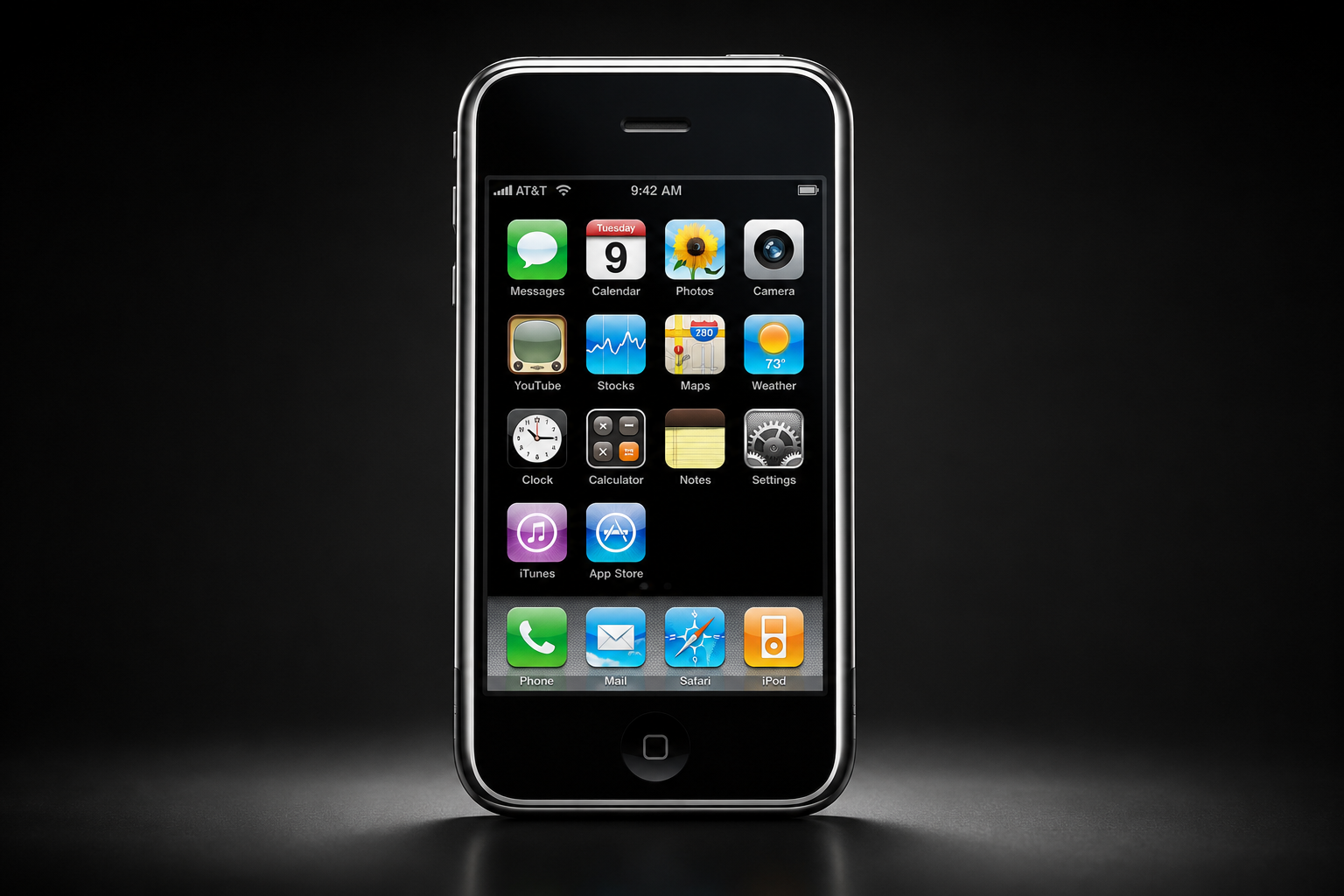
The iPhone That Disrupted the World
In January 2007, Steve Jobs stepped onto the stage and introduced a device that would redefine the entire world: the iPhone. What seemed like just another gadget launch was, in fact, the dawn of a new era.
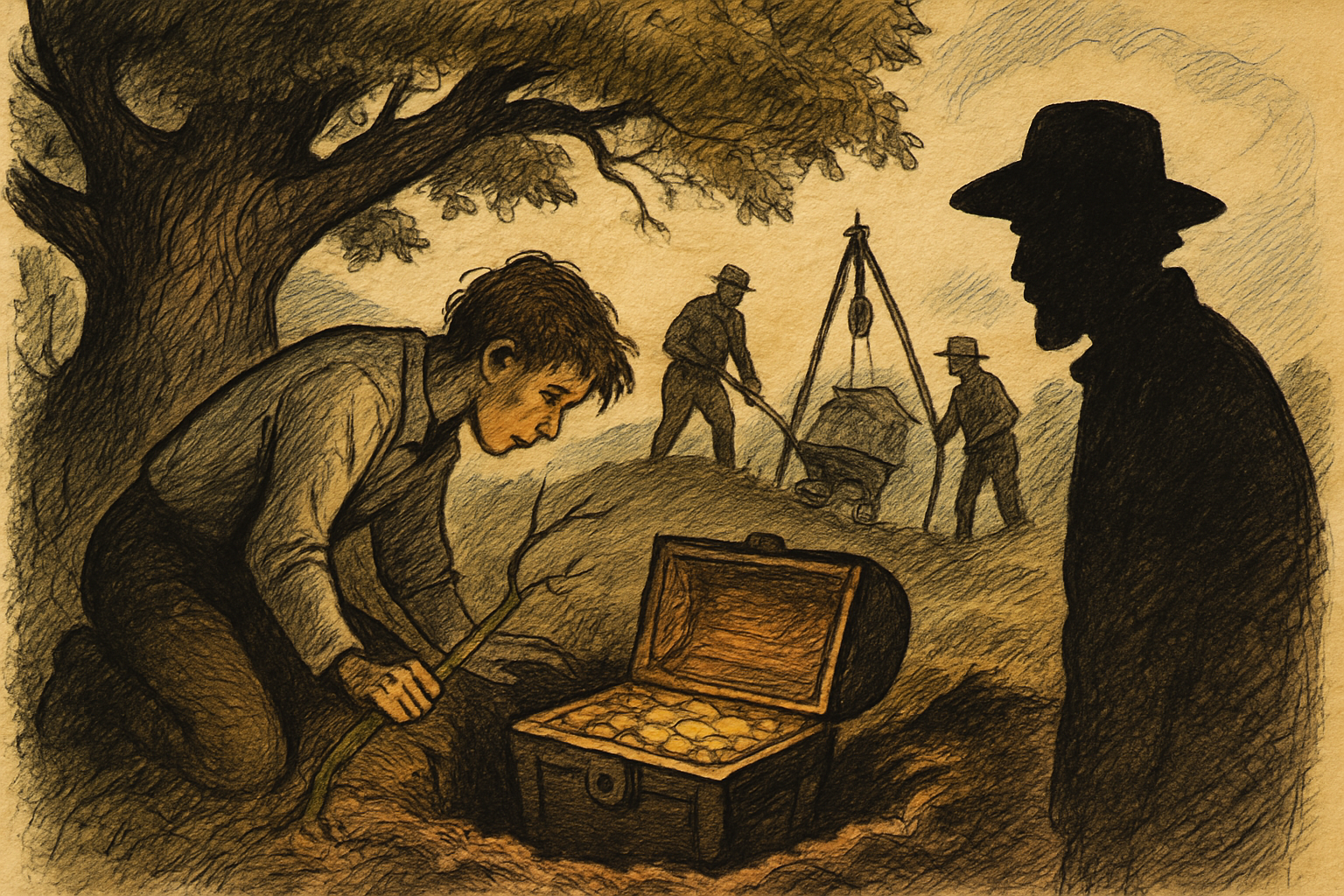
The Enigma of Oak Island
Beneath Oak Island lies a pit of promises, holding legends of buried treasure yet never yielding its secrets.
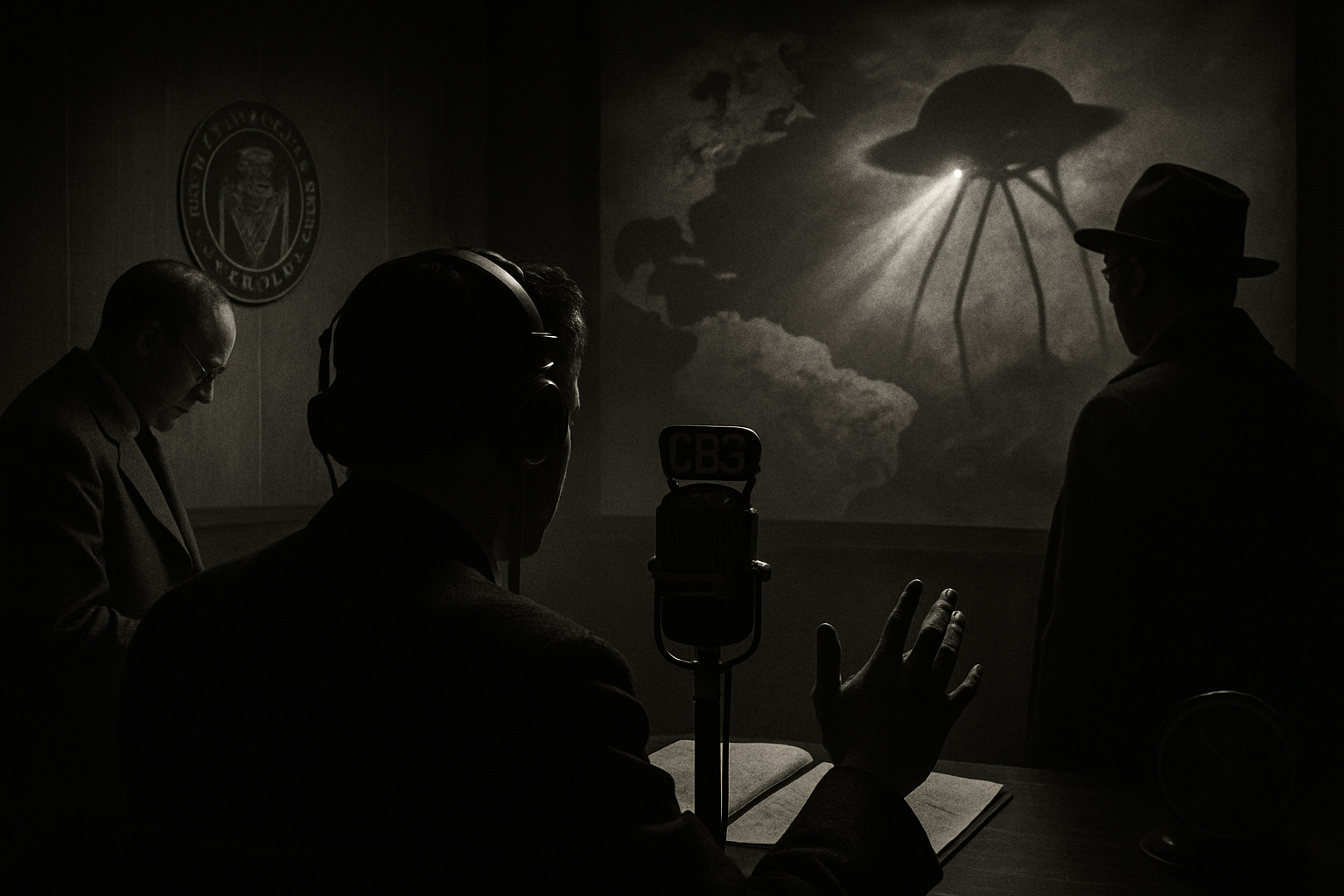
The Broadcast That Terrified America
On the night of October 30, 1938, chaos reigned as Americans believed Martians were invading. It was all fiction.
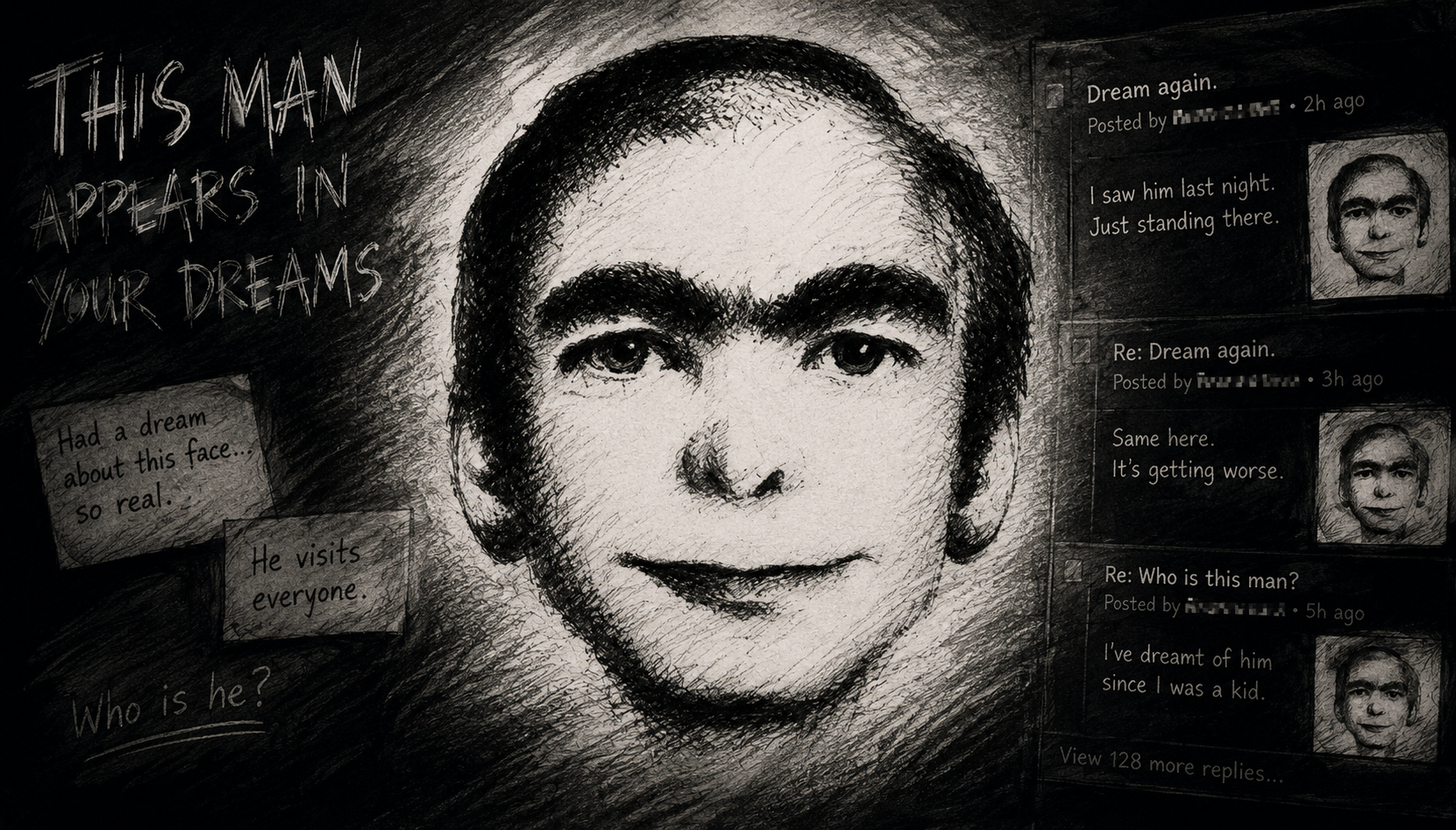
The Man in Everyone's Dreams
In the murky digital realm, a man nobody knew became the face everyone dreamed of. And the reality was even stranger.
Continue the Rabbit Hole
Each story explores the same idea from a different angle. Follow the connections and discover where the thread leads.


Fictional placeholder content