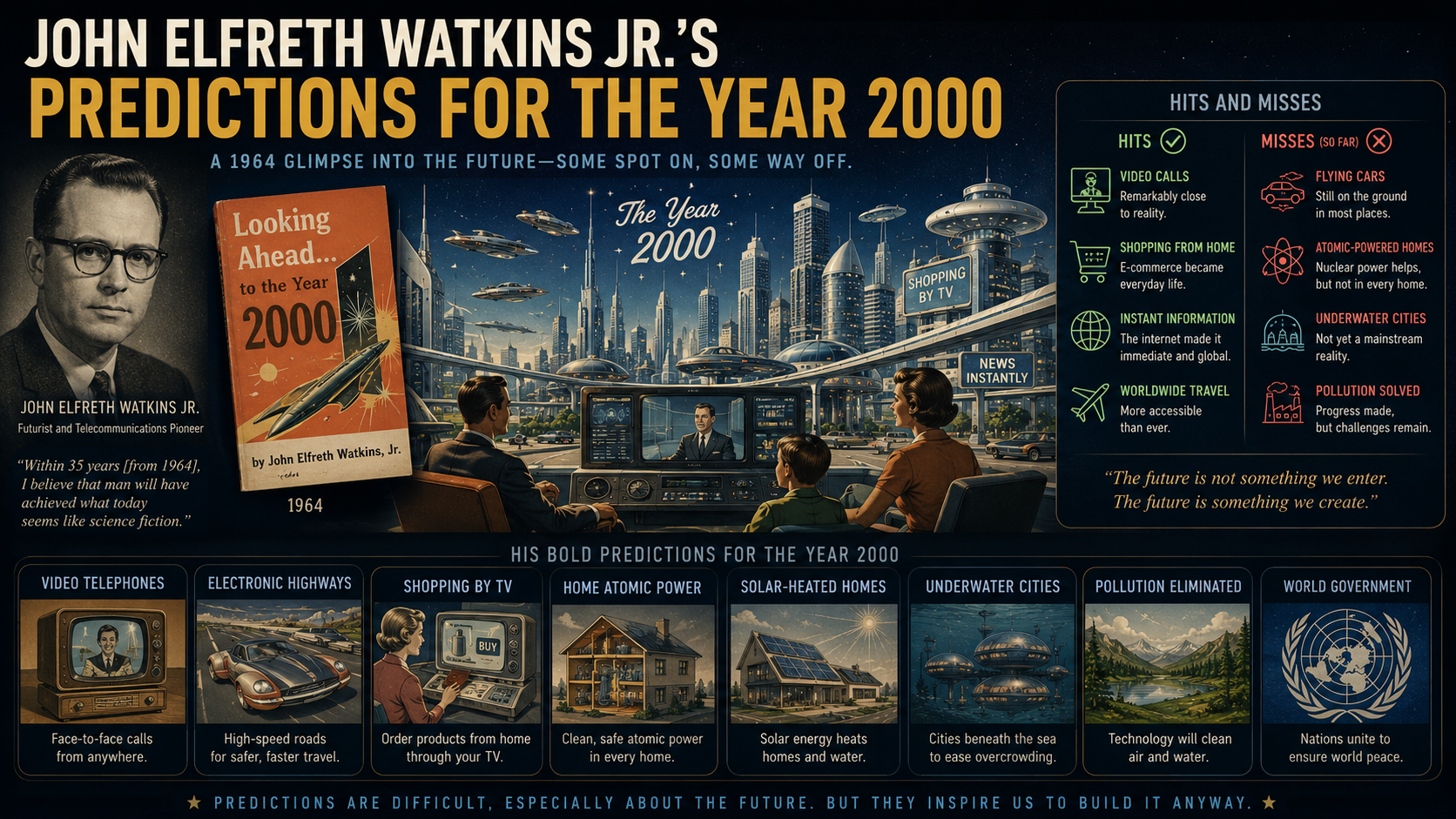
The Visionary Who Predicted 2000
"In 1900, John Elfreth Watkins Jr. dared to imagine the world a century ahead, predicting mobile phones, digital photography, and even the rise of biotechnology. His audacity set a benchmark for future forecasting."
What Happened?
In 1900, a bold imagination met a blank canvas. John Elfreth Watkins Jr., standing at the dawn of a new century, peered into a future he would never see. What emerged were 28 predictions for the year 2000, published in the 'Ladies' Home Journal.' Some, like global communication and wireless photography, seemed like dreams scrawled on the edge of science fiction. Others captured the spirit of human aspiration—cheaper cars and pre-packaged meals that spoke of convenience-driven lives.
Yet it wasn't all fantasy. Watkins foresaw Americans growing taller, a mere inch or two he'd said. Today, measurements nod at his foresight. And he spoke of tanks, monsters of metal that would roll across battlefields, their menacing shadow looming even before the first World War rumbled in.
There were misses too, whimsical echoes of dreams untethered. The disappearance of the letters C, X, and Q from our daily alphabet remains a curious riddle. But it’s in these moments that his vision transcends mere prediction, becoming a testimony to the human capacity to envision change.
The turn of the millennium invited scrutiny of Watkins' vision. Analysts pored over his list, some astonished, others bemused, as they held his century-old predictions against the prism of 2000 reality—reverse engineering a prophecy. This act of intellectual archaeology didn't just verify dreams against outcomes; it reshaped our understanding of the past's grip on the future.
Watkins' words remind us that the whispered forecasts of a distant past evolve not just by the things predicted, but by the audacity to predict at all. His legacy isn't the ledger of hits and misses; it's the turning of an eye forward. In his narrative, we see not just the crossing of a century, but a challenge to think bigger, dream further, and never cease wondering what lies beyond the horizon.
Takeaway
The lesson this story keeps teaching
“Expectations often blind us to future innovations—real change doesn't mimic current trends.”
Why People Are Talking About This
Watkins’ predictions provide a roadmap showing how cultural contexts and technological conditions collide. His story suggests that predictions do more than reveal potential future paths; they expose a generation’s mindset. By understanding the disconnect between anticipation and realization, his foresight reminds us of the evolution of technological imagination and its profound societal impact. Watkins' daring outlined not only a future we came to know but encouraged innovation in ways that radically reshaped how humans engage with possibility.
Thread Map
9 entities · 8 connections · Hover to explore, click to inspect
This is the connection map for this thread. Every node is a person, company, event, or idea. The red lines show how they connect. Hover a node to highlight its connections. Click a node to see why it matters to this story.
How We Got Here
Watkins' Predictions Are Published
John Elfreth Watkins Jr.'s article with 28 bold predictions for the year 2000 is published in the Ladies' Home Journal.
Reactions to Watkins' Article
Initial reception to Watkins’ predictions is mixed, with skeptics dismissing them as too far-fetched while others admired his vision.
Revisiting Predictions Mid-Century
As some predictions begin aligning with emerging tech, journalists and scholars start re-evaluating Watkins' forecasts.
The Year of Reckoning for Predictions
With the turn of the millennium, media outlets like BBC News analyze the accuracy of Watkins’ projections, marveling at their foresight.
Rise of Ubiquitous Technologies
Technologies such as mobile phones and digital photography, once predicted, have become integral to modern life.
Renewed Interest and Recognition
Various retrospectives bring Watkins’ predictions back into focus, acknowledging their surprising accuracy.
Continued Relevance of Watkins' Work
Modern comparisons keep surfacing, highlighting the enduring nature of Watkins' predictions as benchmarks for speculative accuracy.
Speculative Legacy
Watkins' legacy continues to inspire futurists, providing both caution and inspiration in the art of prediction.
Wait... Who Is This?
John Elfreth Watkins Jr. was a man driven by curiosity about what lay beyond the horizon. At the dawn of the 20th century, societal changes pulsed through the veins of the world. Industrial revolutions transformed skylines and technologies reshaped lives. It was here, at this cultural cusp, that Watkins found fertile ground to create his map for the future.
Not known initially as a futurist, Watkins was a civil engineer whose passion was not just limited to bridges and rails, but the endless possibilities technology promised. Picking up on the technological rhythms of his day, Watkins pondered what transformations another century might bring.
When Watkins published his predictions in 1900, he was doing more than outlining a futuristic vision; he was capturing the hopes and fears of an era. His foresight, though tempered with fantastical elements, was rare in its accuracy. Observers saw telephone lines grow from a mere handful to a global communication system and marveled at early photography morphing into the digital world we now accept as commonplace.
Watkins challenged the world to envision a broader, braver tomorrow that extended beyond the limits of the present moment. His predictions remain a historical testament to these monumental shifts.
Receipts
Ten 100-year predictions that came true - BBC News
In 1900, Ladies' Home Journal Publishes 28 Predictions for the Year 2000 | Open Culture
How our predictions for the Year 2000 changed throughout the 20th Century
Watkins' 1900 Predictions That Came True | PDF | Greenhouse | Telephone
Same Pattern
Different story. Same lesson.
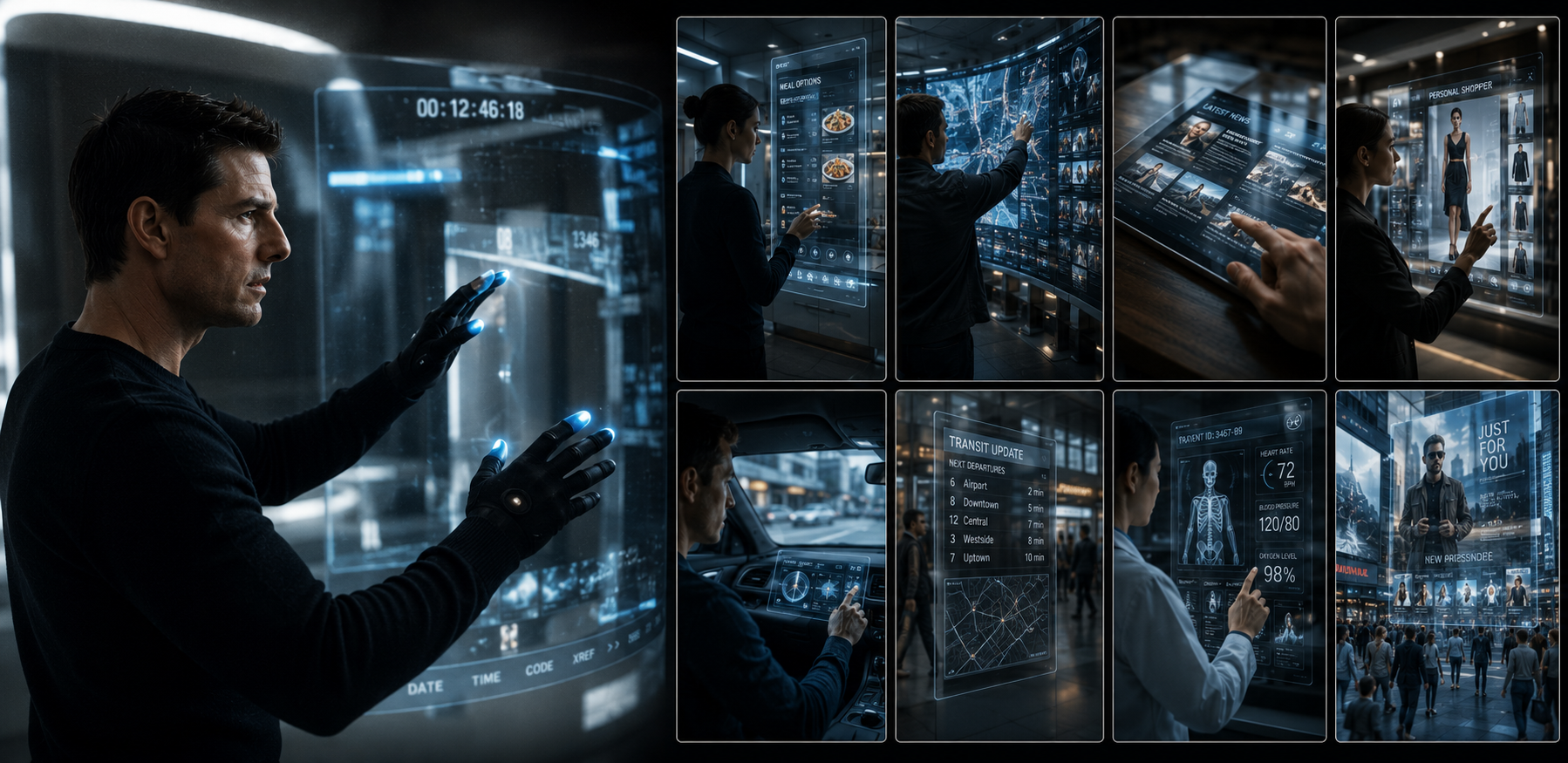
Minority Report's Prescient Touchscreen Reality
In 2002, Hollywood imagined a future of seamless touchscreen interfaces. Today, Steven Spielberg's vision feels eerily prescient as technology catches up.
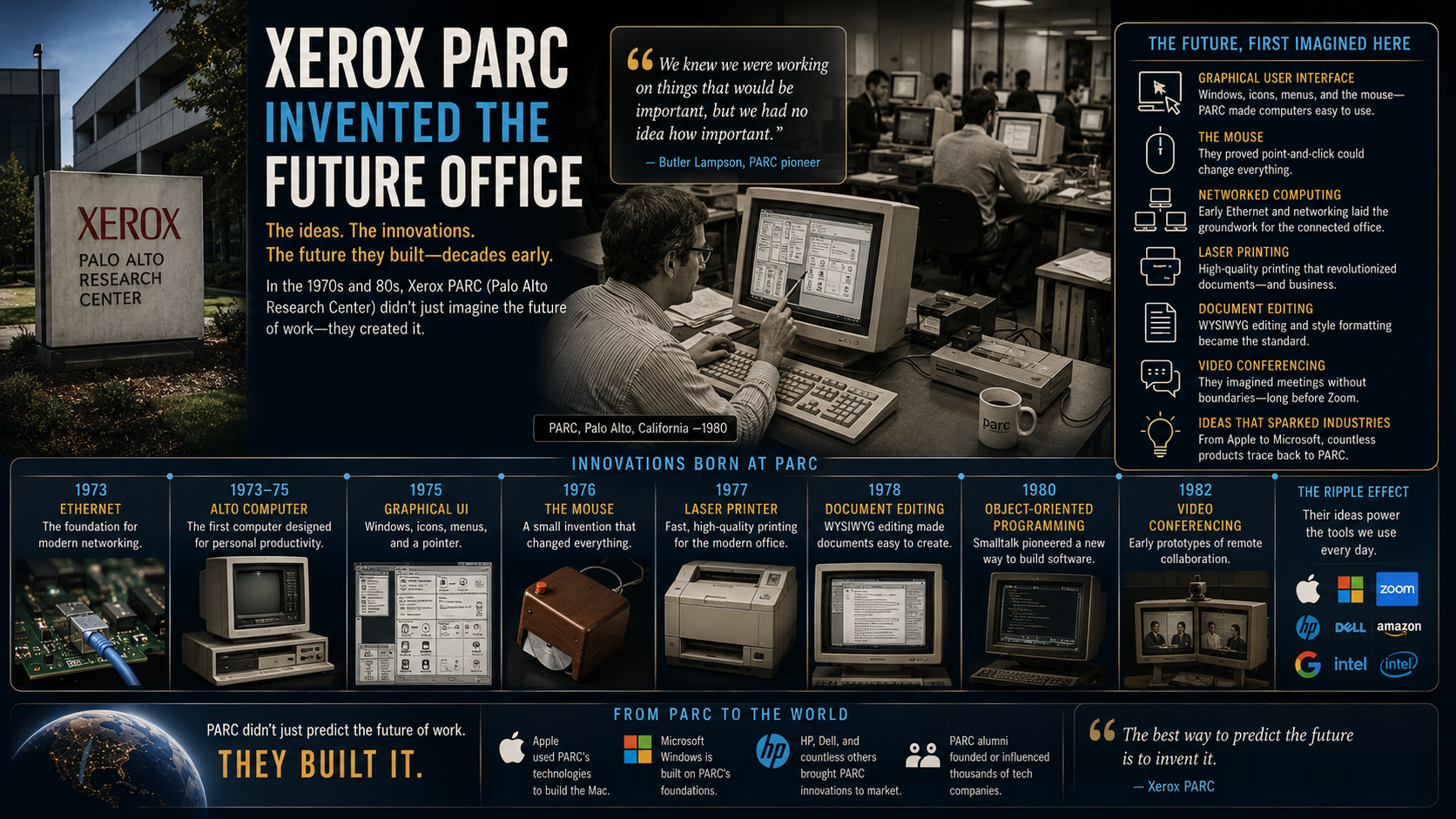
The Lab That Invented Tomorrow
In December 1979, Steve Jobs saw echoes of the future inside Xerox PARC's halls. There, in a secluded lab, lay the blueprint for the modern tech landscape.
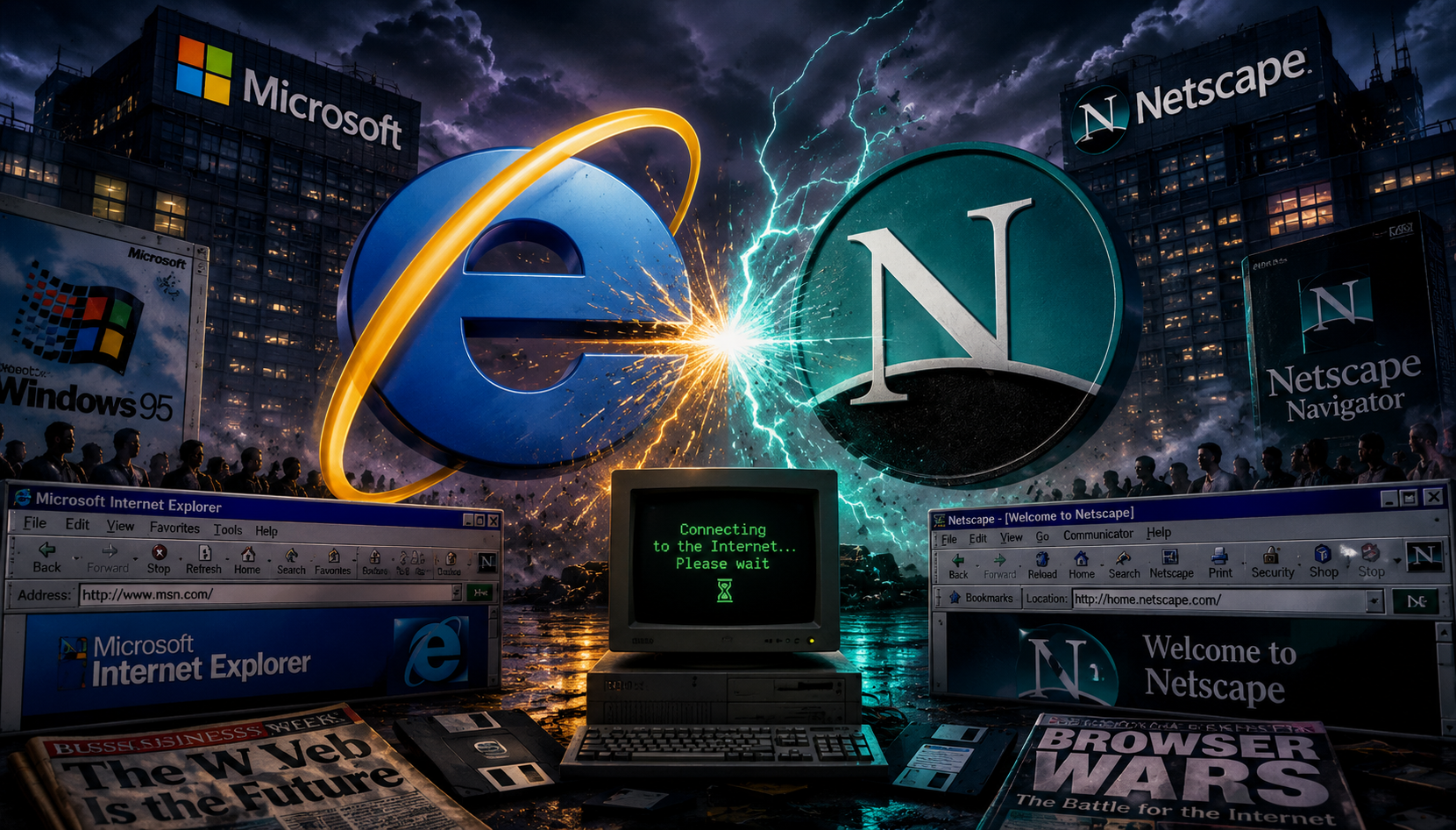
The Browser War That Built the Internet
In the mid-1990s, a software battle erupted that would shape how billions accessed information. Few could predict that the victor would soon face its own downfall.

The Wii Gamble That Saved Nintendo
In a world obsessed with graphics and power, Nintendo bet on simplicity. The Wii was laughed at — until it wasn't.
Pixar's Radical Feedback Loop
In a stark, unadorned room, some of the most powerful voices in animation face off with ruthless honesty. Their weapons? Brutal feedback that molds raw ideas into cinematic gold.

The Chicken That Changed Retail
Costco's $4.99 rotisserie chicken isn't just a meal — it's a strategic masterpiece. The unexpected ripple effects changed retail forever.
Continue the Rabbit Hole
Each story explores the same idea from a different angle. Follow the connections and discover where the thread leads.
Fictional placeholder content