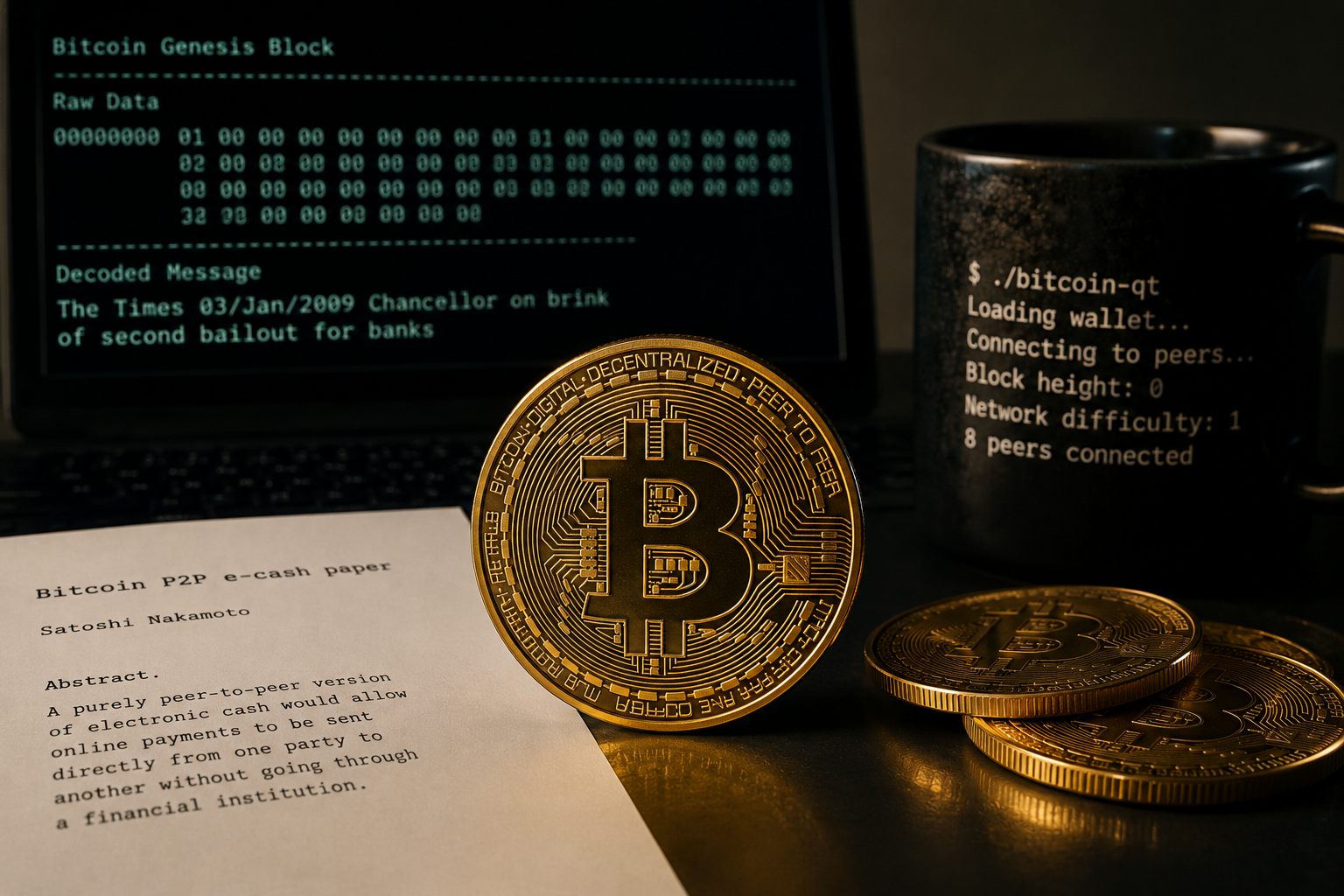
The Birth of Bitcoin
"In January 2009, a mysterious figure mined the Genesis Block of Bitcoin, marking the inception of a financial revolution led by an anonymous creator."
What Happened?
In the dim glow of his computer monitor, Satoshi Nakamoto pressed enter, setting off a digital chain reaction that would ripple across the globe. On January 3, 2009, the Bitcoin network came to life with the mining of the Genesis Block. In this first block, Nakamoto left a cryptic message: 'The Times 03/Jan/2009 Chancellor on brink of second bailout for banks.' It was a statement as much as a beginning, signaling both the start of Bitcoin and a deep criticism of traditional banking systems.
Behind the scenes, Nakamoto, a figure as mysterious as the cryptographic protocol itself, had carefully assembled years of cryptographic knowledge and cypherpunk ideals into an ambitious white paper just months earlier. Titled 'Bitcoin: A Peer-to-Peer Electronic Cash System,' the document proposed a new form of currency that bypassed intermediaries entirely. This was not just a technical endeavor but a revolution against central control.
As the world reeled from financial uncertainty, Bitcoin promised a decentralized future—an idea both radical and inviting. But Nakamoto didn’t walk this path alone. Programmer Hal Finney, an early supporter, ran Bitcoin’s software the day it was released, marking the first transaction by receiving ten bitcoins from Nakamoto himself. This transaction wasn’t just a test but a statement of trust in the nascent network’s potential.
While the identity of Satoshi Nakamoto remains veiled—speculated to be an individual or a collective—what he left behind unequivocally altered the course of digital finance. Despite burgeoning altcoins and ever-evolving crypto landscapes, Bitcoin remained the lodestar, proof that even an anonymous spark could ignite a worldwide technological movement.
Years later, as debates about Bitcoin’s scalability led to its first hard fork, the network’s initial ethos of decentralization and autonomy resonated all the more. Behind every transaction lies the silent signature of Nakamoto, forever inscribed in the blockchain. It began as a digital experiment, but Bitcoin has endured as a symbol of what technology could accomplish beyond its code.
Takeaway
The lesson this story keeps teaching
“Bitcoin's creation is a testament to how ideas can outpace identity, transforming finance without revealing the creator's face.”
Why People Are Talking About This
Bitcoin changed the global financial landscape by introducing blockchain technology, which offers a decentralized and secure way to conduct transactions. It revolutionized concepts of currency and trust, forcing global banking and regulations to adapt. Beyond finance, Bitcoin's rise symbolizes the power of disruptive technology emerging from obscurity to challenge established powers.
Thread Map
6 entities · 5 connections · Hover to explore, click to inspect
This is the connection map for this thread. Every node is a person, company, event, or idea. The red lines show how they connect. Hover a node to highlight its connections. Click a node to see why it matters to this story.
How We Got Here
The White Paper That Ignited It All
Satoshi Nakamoto published 'Bitcoin: A Peer-to-Peer Electronic Cash System,' revealing the blueprint for Bitcoin and blockchain technology.
The Genesis Block is Mined
Satoshi Nakamoto mined the Genesis Block, marking Bitcoin's official launch and setting the stage for a financial revolution.
First Bitcoin Transaction
Satoshi Nakamoto sent ten bitcoins to Hal Finney, carrying out the first recorded Bitcoin transaction.
Satoshi Nakamoto Disappears
Nakamoto handed over control of the source code and network alert key to Gavin Andresen, disappearing from the public eye.
Bitcoin's First Commercial Transaction
Bitcoin was used for the first commercial transaction when 10,000 bitcoins were spent on two pizzas.
Bitcoin Hard Fork
The Bitcoin network split into Bitcoin and Bitcoin Cash following contentious debates over scaling solutions, emphasizing divergent visions for the future.
Bitcoin Reaches Its Peak Value
Bitcoin's price soared to nearly $20,000, reflecting both speculative interest and mainstream adoption.
Craig Wright Claims to be Nakamoto
Australian Craig Wright claims to be Satoshi Nakamoto, igniting controversy and skepticism throughout the cryptocurrency community.
Wait... Who Is This?
The late 2000s was a time marked by immense financial instability. The collapse of major banks and the resulting global recession caused widespread disillusionment with traditional financial institutions. People sought alternatives to centralized systems that had failed them so dramatically. This tumultuous backdrop was fertile ground for innovation—it was into this environment that Bitcoin emerged, quietly dismantling and redefining concepts of money, power, and trust. Under the pseudonym Satoshi Nakamoto, this new form of currency rose, introducing the world to blockchain technology—a decentralized method of verifying and recording transactions. As Satoshi Nakamoto remained an enigma, Bitcoin challenged the status quo, offering freedom from fees and government control. A single entity, shrouded in mystery, propelled the digital currency revolution, tapping into a deep-seated desire for transparency and security.
Receipts
The History of Bitcoin and Cryptocurrencies: Explained | Ledger
Bitcoin
A Short History Of Bitcoin And Crypto Currency Everyone Should Read | Bernard Marr
What is Bitcoin?
The Complete History of Bitcoin - World History Journal
4 Theories on Satoshi Nakamoto's Identity: Unmasking Bitcoin's Creator
Same Pattern
Different story. Same lesson.
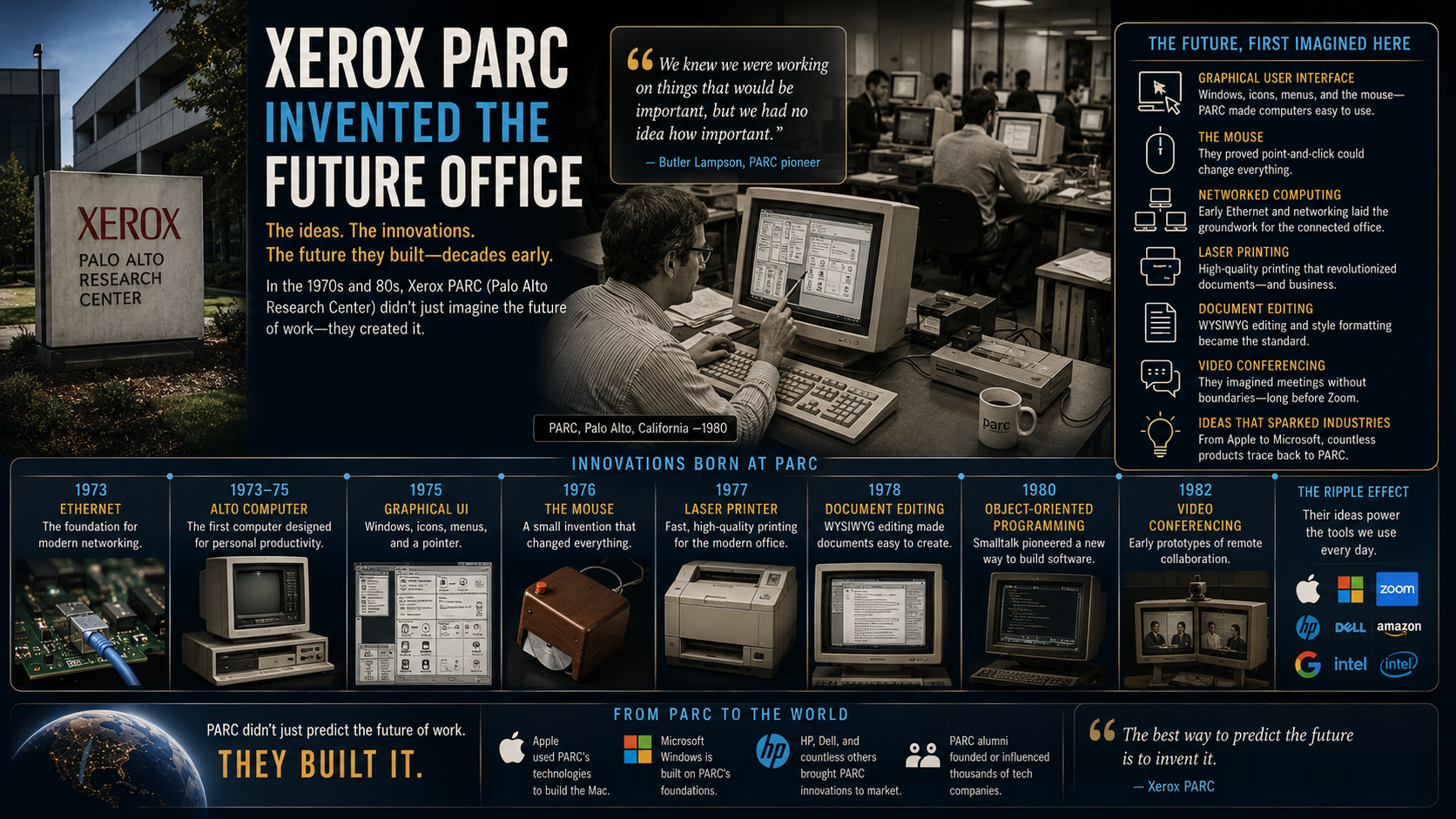
The Lab That Invented Tomorrow
In December 1979, Steve Jobs saw echoes of the future inside Xerox PARC's halls. There, in a secluded lab, lay the blueprint for the modern tech landscape.

The Browser War That Built the Internet
In the mid-1990s, a software battle erupted that would shape how billions accessed information. Few could predict that the victor would soon face its own downfall.
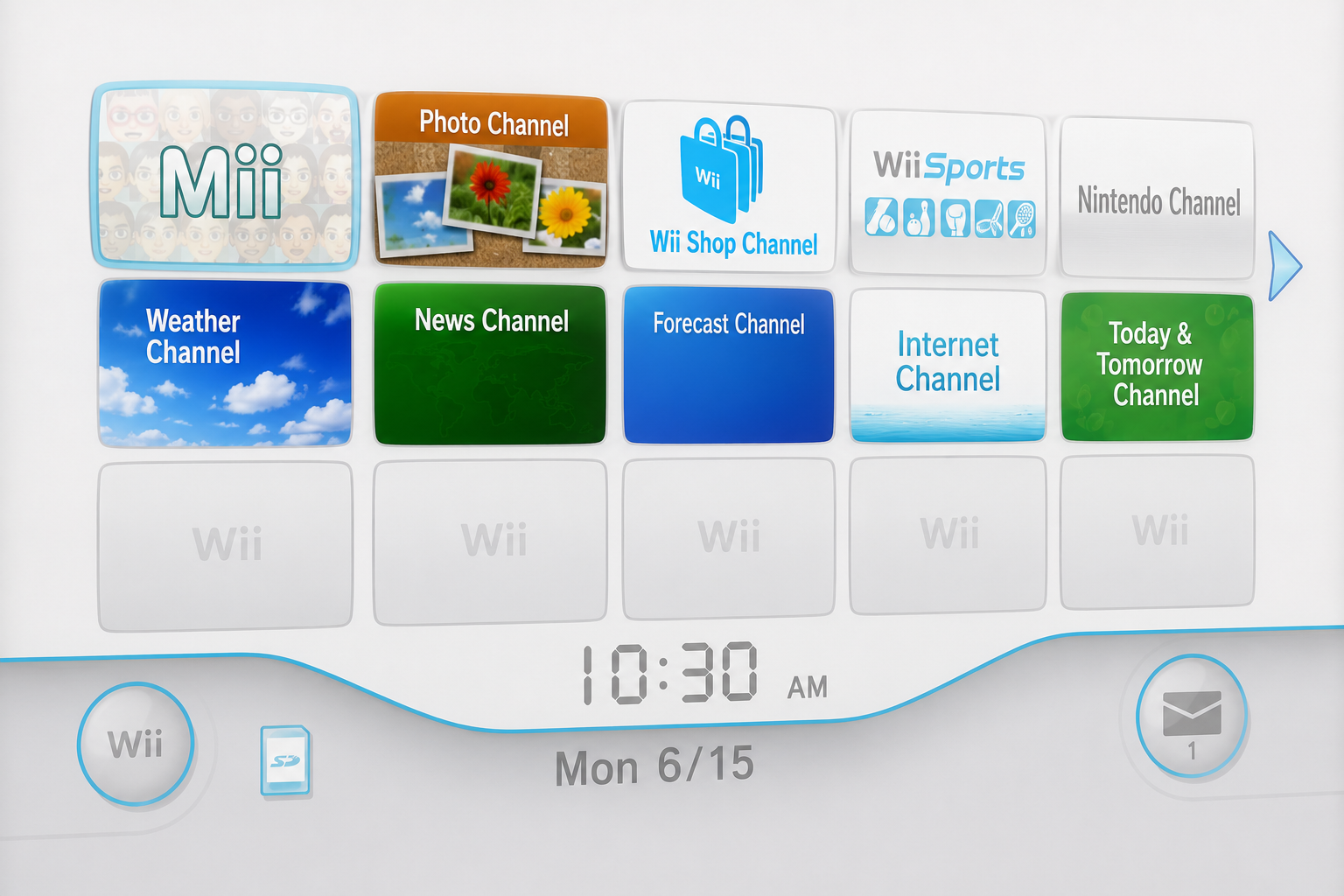
The Wii Gamble That Saved Nintendo
In a world obsessed with graphics and power, Nintendo bet on simplicity. The Wii was laughed at — until it wasn't.

The Chicken That Changed Retail
Costco's $4.99 rotisserie chicken isn't just a meal — it's a strategic masterpiece. The unexpected ripple effects changed retail forever.
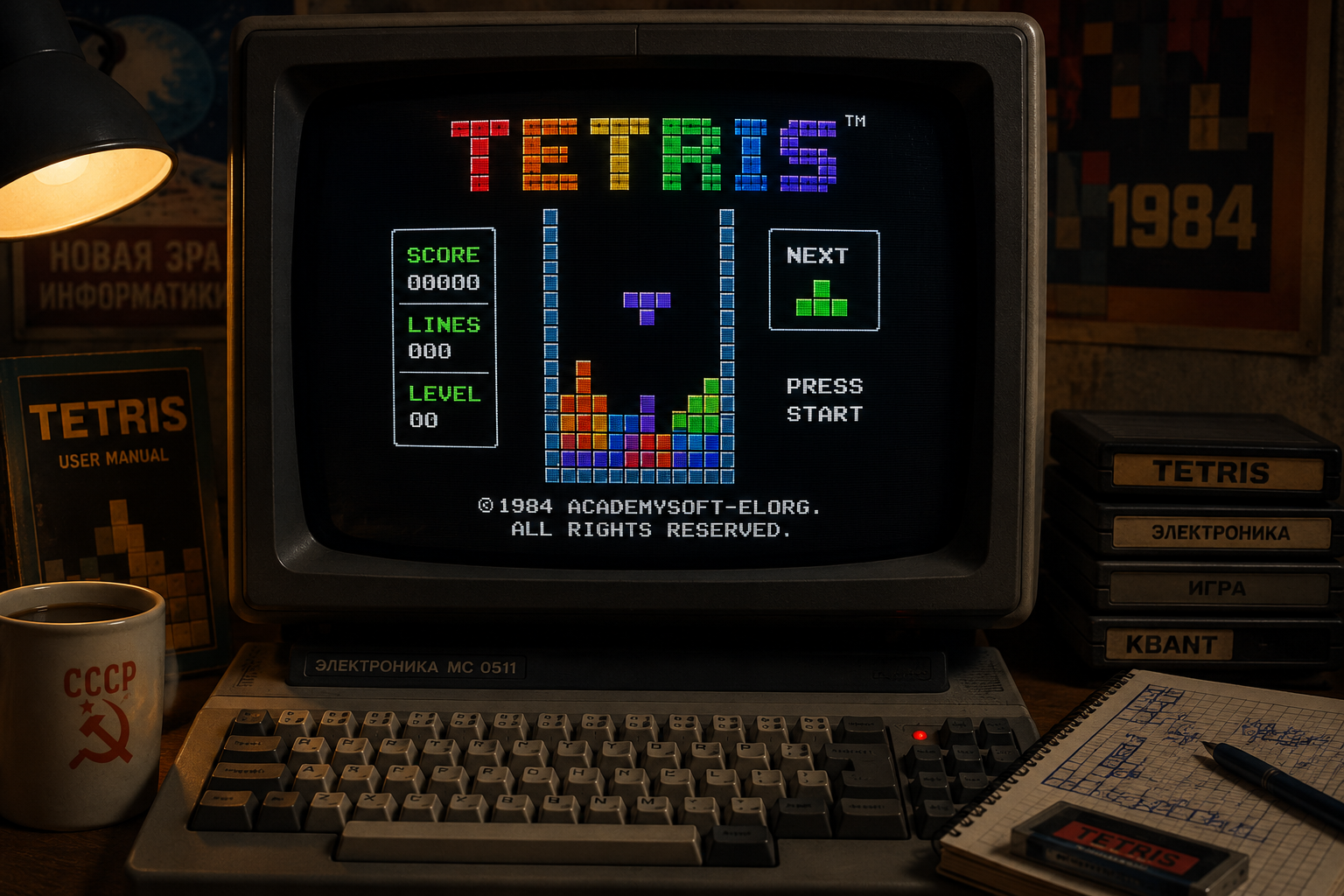
The Puzzle that Conquered the World
A Soviet engineer at his desk, unknowingly poised to create a legend. His creation? Tetris — a game that would break barriers and forever alter the gaming landscape.

Cracking the Cicada Code
In 2012, an enigmatic online puzzle appeared that promised enlightenment. But who was behind Cicada 3301?
Continue the Rabbit Hole
Each story explores the same idea from a different angle. Follow the connections and discover where the thread leads.






Fictional placeholder content