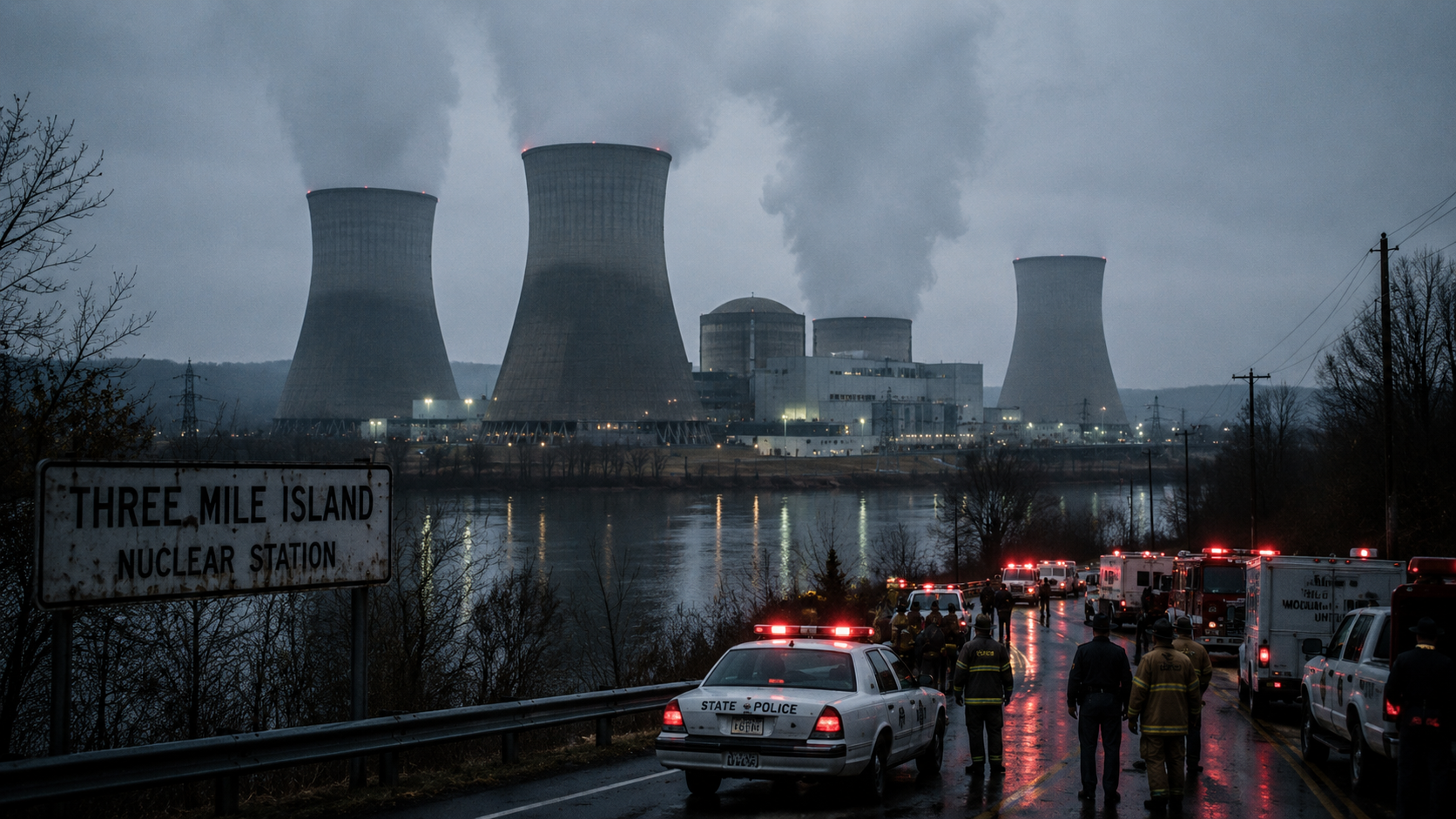
Three Mile Island's Nuclear Meltdown
"Imagine a control room, its screens blinking red, with engineers racing against time. Then, a three-word chill: 'core meltdown imminent'."
What Happened?
The control room lights blazed in chaos, each blinking signal screaming mishap and disaster. It was March 28, 1979, and inside the Three Mile Island nuclear plant, operators were racing against time. A seemingly innocent valve malfunction had spiraled out of control, setting off a cascade of technical failures that left Unit 2 on the edge of a full meltdown. The temperature soared, imperiling the very core meant to be cooled by systems that had been mistakenly shut down.
At the heart of this unfolding drama was a man-made misunderstanding. As dozens of alarm indicators signaled chaos, clear communication and effective human intervention were in short supply. For hours, operators waded through a fog of confusion, unknowingly exacerbating the crisis with their every move. The small misstep of an open relief valve allowed crucial cooling water to escape, and within minutes, the control rods stood helpless against rising heat.
News of a potential catastrophe spread swiftly. Governor Richard Thornburgh urged calm even as fear of radioactive exposure gripped the nation. Residents within a 20-mile radius considered evacuation, gripped by images of an unseen, invisible threat.
Meanwhile, the world watched with bated breath as President Jimmy Carter, donning overalls, toured the plant to reassure a panicked public. This personal gesture, broadcast widely, was an attempt to quell national fear just as the Nuclear Regulatory Commission scrambled to manage the fallout of public trust in nuclear safety.
Though the worst-case scenario was averted, the meltdown altered the course of America's nuclear industry forever. Following the incident, stringent new regulations reshaped nuclear safety protocols. Yet, for thousands of families, the date remains a reminder of how close disaster truly came.
Takeaway
The lesson this story keeps teaching
“Failure to adapt to minor warnings can lead to catastrophic events.”
Why People Are Talking About This
Three Mile Island changed the landscape of nuclear energy forever. Before the incident, nuclear power was often heralded as the pinnacle of modern achievement and reliability. It was meant to solve energy crises and spearhead a sustainable future.
However, the incident highlighted the dangerous confluence of human error and overconfidence in technology. The public distrust it generated has long-term repercussions. The subsequent tightening of regulations transformed operational protocols across the globe, showing the delicate balance between innovation and safety. It remains a critical lesson in vigilance and adaptable precaution.
Thread Map
10 entities · 9 connections · Hover to explore, click to inspect
This is the connection map for this thread. Every node is a person, company, event, or idea. The red lines show how they connect. Hover a node to highlight its connections. Click a node to see why it matters to this story.
How We Got Here
The Crisis Ignites at Three Mile Island
In the early hours, a critical malfunction in the Unit 2 reactor triggered alarms. Operators misdiagnosed the problem, leading to a partial core meltdown—America's worst nuclear accident.
Hydrogen Bubble Threat Looms
A hydrogen bubble threatened to explode, raising fears of a massive radioactive release. Experts raced to address the problem as evacuation plans were considered.
Bubble Danger Averted
Crisis cells determined the hydrogen bubble could not ignite due to the absence of oxygen. Panic levels subsided, though anxiety lingered.
Presidential Visit Calms Public
President Jimmy Carter visited the site, appeasing the public and demonstrating federal oversight commitment. His nuclear background brought reassurance despite enduring safety concerns.
NRC Overhauls Regulations
The NRC enacted stringent safety guidelines to prevent future disasters. Emphasis shifted to communications improvements and operator training to mitigate human errors.
Unit 1 Operations Resume
Five years post-crisis, the undamaged Unit 1 resumed operations, although the scar of the event lingered in public memory and industry practice.
Completion of Cleanup
$1 billion was spent over a decade on cleaning Unit 2. It remained defunct despite efforts, symbolizing the staggering challenge of nuclear incident remediation.
Health Registry Discontinued
The Pennsylvania Department of Health ended their registry, finding no significant health increases attributable to the accident. The closure marked the official end of long-term health monitoring.
Wait... Who Is This?
Nestled in the heart of Pennsylvania, the Three Mile Island nuclear plant was once a symbol of modern progress. The late 1970s were charged with the optimism of nuclear technology as a beacon of energy independence. The plant, comprised of two units, was emblematic of America's reliance on burgeoning technological prowess. Yet, beneath the surface of innovation lurked an inherent vulnerability—a creeping complacency that every shift ran smoothly against all odds.
Throughout the 1970s, the Nuclear Regulatory Commission maintained tight oversight on safety standards, but it mostly reinforced pre-existing perceptions rather than demonic vigilance. Utility companies, driven by profit imperatives, often sidelined safety enhancements in favor of cost-saving measures. It wasn't the question of if, but when, this house of cards would crumble.
The Three Mile Island incident shattered the collective illusions of infallibility. The meltdown subjected national consciousness to the unsettling reality of invisible dangers and a renewed skepticism of nuclear promises. The event itself was a chronological tapestry of technical missteps and human errors that unveiled fragile underpinning assumptions about control in a world where technology reigned supreme.
Receipts
Same Pattern
Different story. Same lesson.
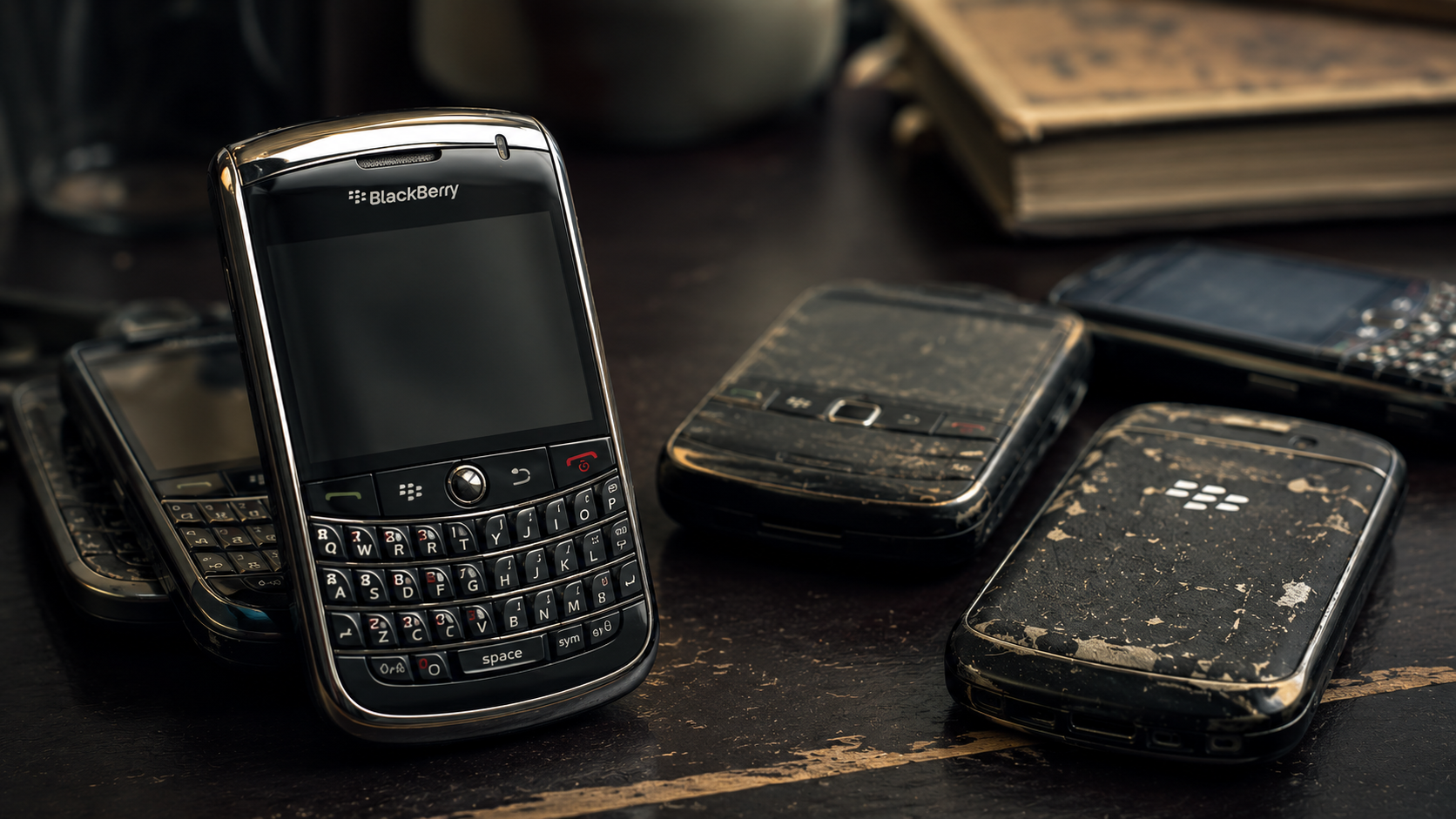
The Fall of BlackBerry
In a boardroom once buzzing with innovation, silence filled the air as BlackBerry executives watched Apple's iPhone dismantle their empire one launch at a time.
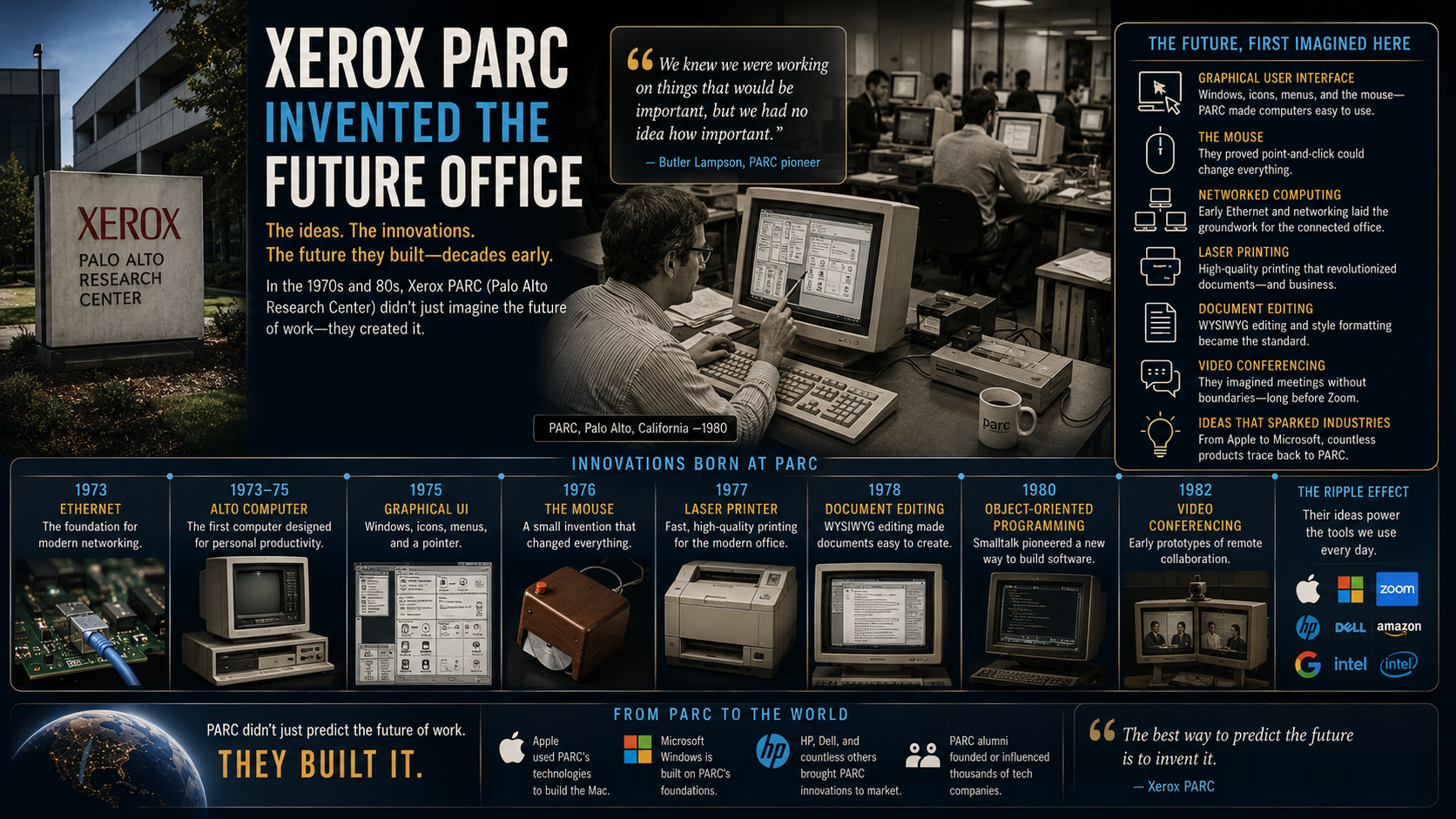
The Lab That Invented Tomorrow
In December 1979, Steve Jobs saw echoes of the future inside Xerox PARC's halls. There, in a secluded lab, lay the blueprint for the modern tech landscape.
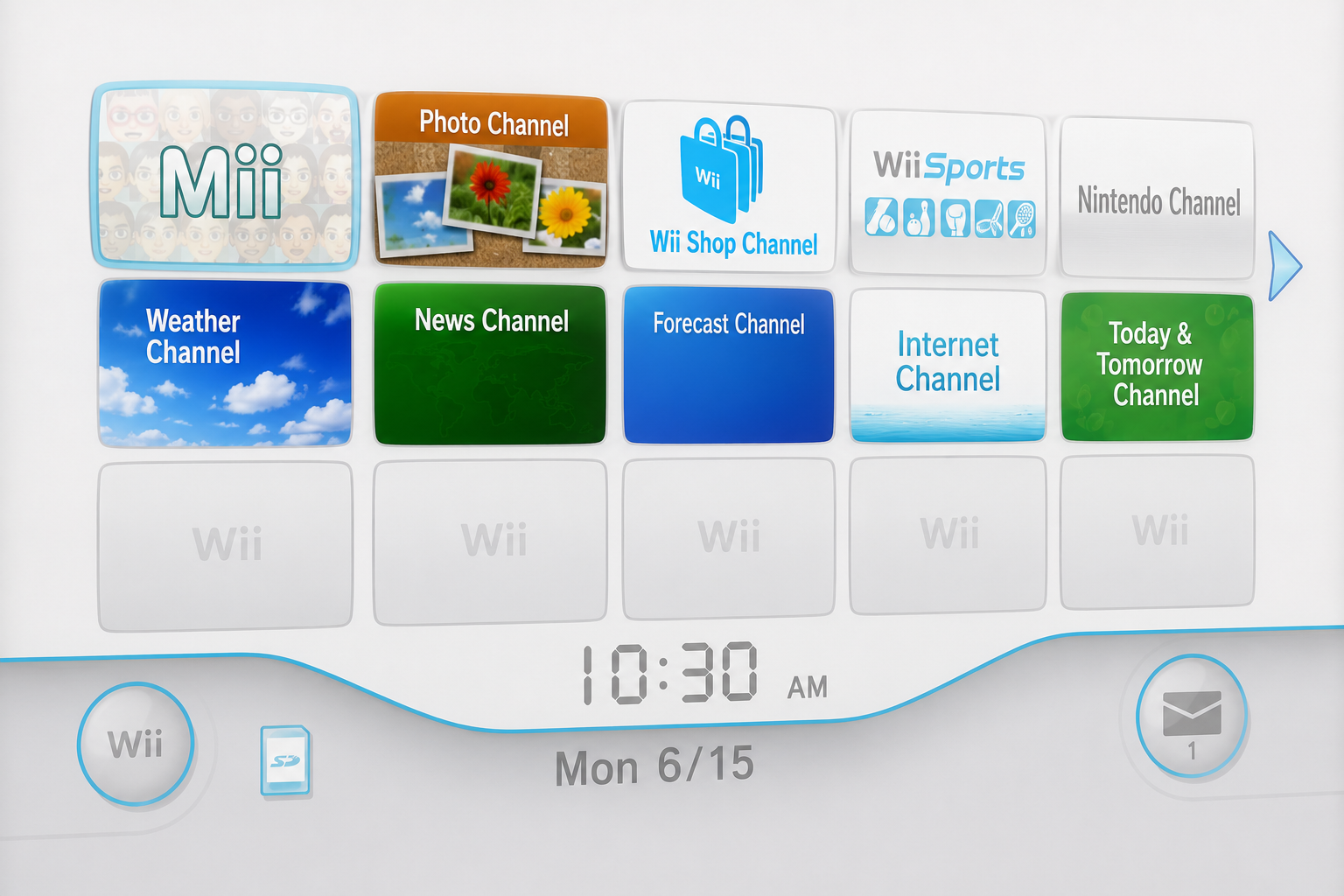
The Wii Gamble That Saved Nintendo
In a world obsessed with graphics and power, Nintendo bet on simplicity. The Wii was laughed at — until it wasn't.

Pixar's Radical Feedback Loop
In a stark, unadorned room, some of the most powerful voices in animation face off with ruthless honesty. Their weapons? Brutal feedback that molds raw ideas into cinematic gold.

How Google's 20% Time Shaped Innovation
Gmail, the widely-used email service, was born from Google's infamous 20% Time. What else did this unconventional policy unleash?
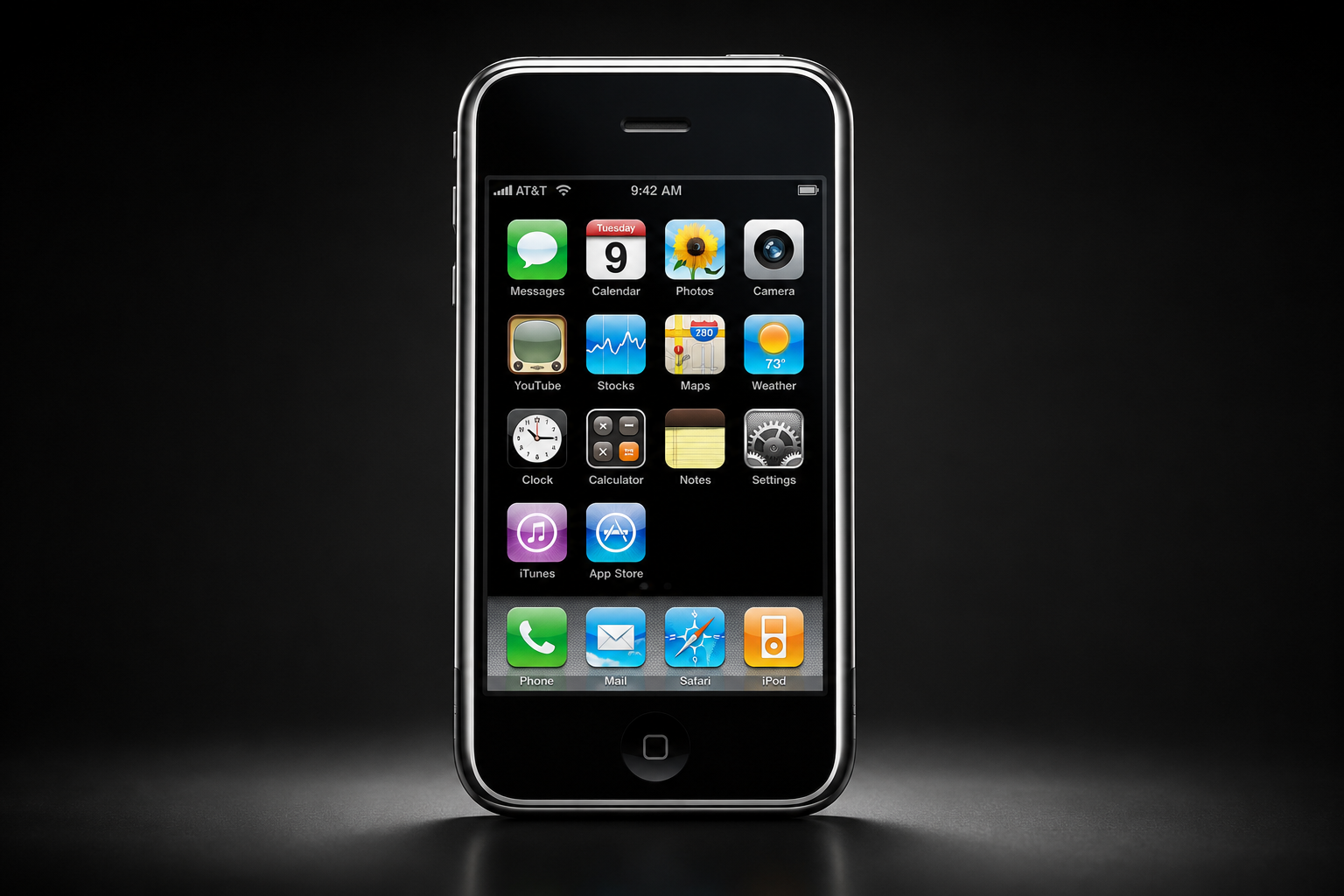
The iPhone That Disrupted the World
In January 2007, Steve Jobs stepped onto the stage and introduced a device that would redefine the entire world: the iPhone. What seemed like just another gadget launch was, in fact, the dawn of a new era.
Continue the Rabbit Hole
Each story explores the same idea from a different angle. Follow the connections and discover where the thread leads.

Fictional placeholder content