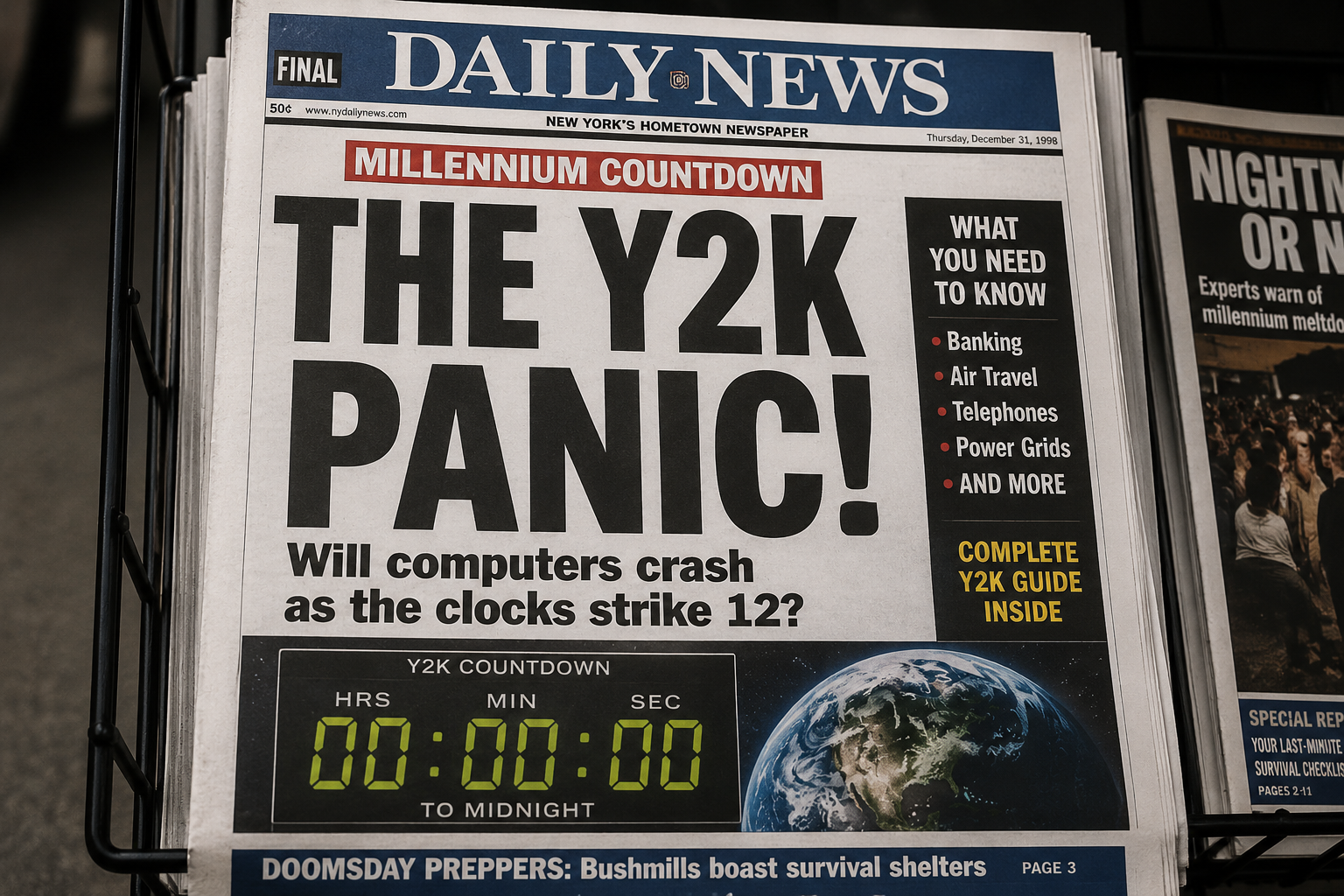
Dancing on the Edge of the Millennium
"As midnight struck on January 1, 2000, billions held their breath. Would the digital clocks simply flick forward, or seize the world in Y2K chaos?"
What Happened?
As midnight approached on December 31, 1999, a wave of anticipation swept across the globe. The so-called Y2K bug loomed — a technological menace threatening to plunge modern civilization into chaos at the stroke of midnight. Many feared financial systems could collapse, utilities could fail, and even nuclear missiles could accidentally launch. The reality was that this problem, rooted in the three-decade-old habit of using two-digit year codes, had set the stage for one of the most intense global mobilizations of resources to prevent disaster.
The issue traced back to an era when computer memory was exorbitantly expensive — $10 per kilobyte in 1975. To save precious storage, programmers routinely abbreviated the year to two digits, assuming future systems would resolve it. But as the millennium approached, the specter of computers mistaking "00" for 1900 became terrifyingly real. Corporations and governments, faced with the chilling possibility of widespread failure, poured billions into remediation efforts. From the PSE&G's readiness drills in April 1999 to a coordinated global effort, the world was barricading itself against a self-imposed technological catastrophe.
In a New Jersey utility company, Mike Cupo used a red phone to direct a full-scale Y2K drill, a scene symbolizing the widespread determination to combat the software problem. Meanwhile, John Koskinen, dubbed the Y2K “czar,” orchestrated nation-wide readiness activities. His symbolic flight as January 1, 2000, dawned — serving to reassure an anxious public — marked a final show of trust in the monumental preparations that had consumed years.
When the clock did strike midnight, and the world crept into January 1, 2000, global civilization remained intact. The expected catastrophes were largely averted. Some mocked the extensive preparations and expenses as an overreaction. But the absence of chaos may have confirmed a different truth: the panic aversion wasn't due to an unfounded scare but perhaps to one of history's most successful preemptive strikes against potential disaster. The Y2K bug had presented a unique existential threat, but it was human ingenuity — albeit fueled by the fear of a ticking clock — that turned a potential global nightmare into merely an anecdote of cautionary lost sleep.
Takeaway
The lesson this story keeps teaching
“Complacency nearly led to catastrophe, but last-minute preparation avoided disaster. The threat was averted, but at what cost?”
Why People Are Talking About This
Y2K forced the world to confront the tension between rapid technological progression and short-term oversight. It underscored the risk posed by unanticipated variables in the digital age.
The saga also highlighted our societal tendency towards panic-driven over-corrections, illustrating the powerful influence of media-driven fear. As technology continues to advance, Y2K serves as a cautionary tale about being proactive rather than reactive.
Thread Map
10 entities · 9 connections · Hover to explore, click to inspect
This is the connection map for this thread. Every node is a person, company, event, or idea. The red lines show how they connect. Hover a node to highlight its connections. Click a node to see why it matters to this story.
How We Got Here
High Memory Costs Set Stage for Y2K
To save on expensive memory, programmers reduced year data in code to two digits. What seemed a minor cost-saving measure inadvertently set the stage for Y2K issues, as this coding shortcut meant systems couldn't differentiate between 1900 and 2000.
Utilities Run Y2K Drills
Public Service Electric and Gas Company initiated drills to determine how their systems would hold up after December 31, 1999. These efforts represented a broader industry trend to ensure operational continuity during the date transition.
Global Preparations Intensify Ahead of Y2K
With the new millennium looming, companies, and governments ramped up efforts to address potential system failures. Utmost resources were dedicated to updating and testing critical infrastructures worldwide.
Y2K Transition Occurs Without Incident
Midnight came and went without the catastrophic failures that had been feared. The extensive remediation and preparedness efforts implemented globally ensured that systems transitioned smoothly into the new millennium.
Awareness Builds, Preparations Lag Behind
The Y2K issue emerged in conversations among programmers, but failed to catalyze significant action until much later. Early warnings circulated in niche tech communities, yet broad awareness remained limited.
Governments Mobilize for Crisis Averting
As the potential severity of Y2K became clear, national governments actively engaged in widespread efforts to mitigate its effects. The United States notably invested billions to overhaul systems susceptible to the bug.
John Koskinen Leads U.S. Y2K Efforts
President Clinton appointed John Koskinen as Y2K czar to oversee national preparedness. His diplomatic finesse became instrumental in guiding numerous sectors through the complex preparations.
Media Fuels Public Hysteria
Sensational predictions about the Y2K disaster mushroomed as media entities forecasted a digital apocalypse. This fueled public concern, leading to substantial stockpiling and preventative measures worldwide.
Wait... Who Is This?
In the decades leading up to Y2K, the world experienced rapid technological advances. Digital systems became embedded in everything from utilities to banks, yet were built on foundations of frugality and short-sightedness. Memory was expensive in the 1970s, prompting programmers to use shorthand in their coding. Few foresaw the looming millennium that demanded such numbers be fully expressed, resulting in what became known as the Y2K bug.
As the year 2000 approached, whispers of 'what ifs' grew louder, turning hesitant curiosity into widespread unease. Media outlets speculated about the apocalyptic scenarios that could unfold—planes falling from the sky, financial systems crashing with erroneously dated transactions. By the late '90s, government bodies and private sectors realized the necessity of action. The last-minute rush to rectify this oversight transformed into a global effort to protect the intricate web of infrastructures society had come to rely upon.
Receipts
Y2K "Crisis" | Computer Science | Research Starters | EBSCO Research
Year 2000 problem - Wikipedia
Y2K bug | Definition, Hysteria, & Facts | Britannica
Y2K bug
From Y2K to 2038, Lessons Learned from First Computer Crisis - Retro Report
The Real Impact and Myths of the Year 2000 Computer Bug
20 Years Later, the Y2K bug seems like a joke. That's because those ...
Same Pattern
Different story. Same lesson.

The Fall of BlackBerry
In a boardroom once buzzing with innovation, silence filled the air as BlackBerry executives watched Apple's iPhone dismantle their empire one launch at a time.
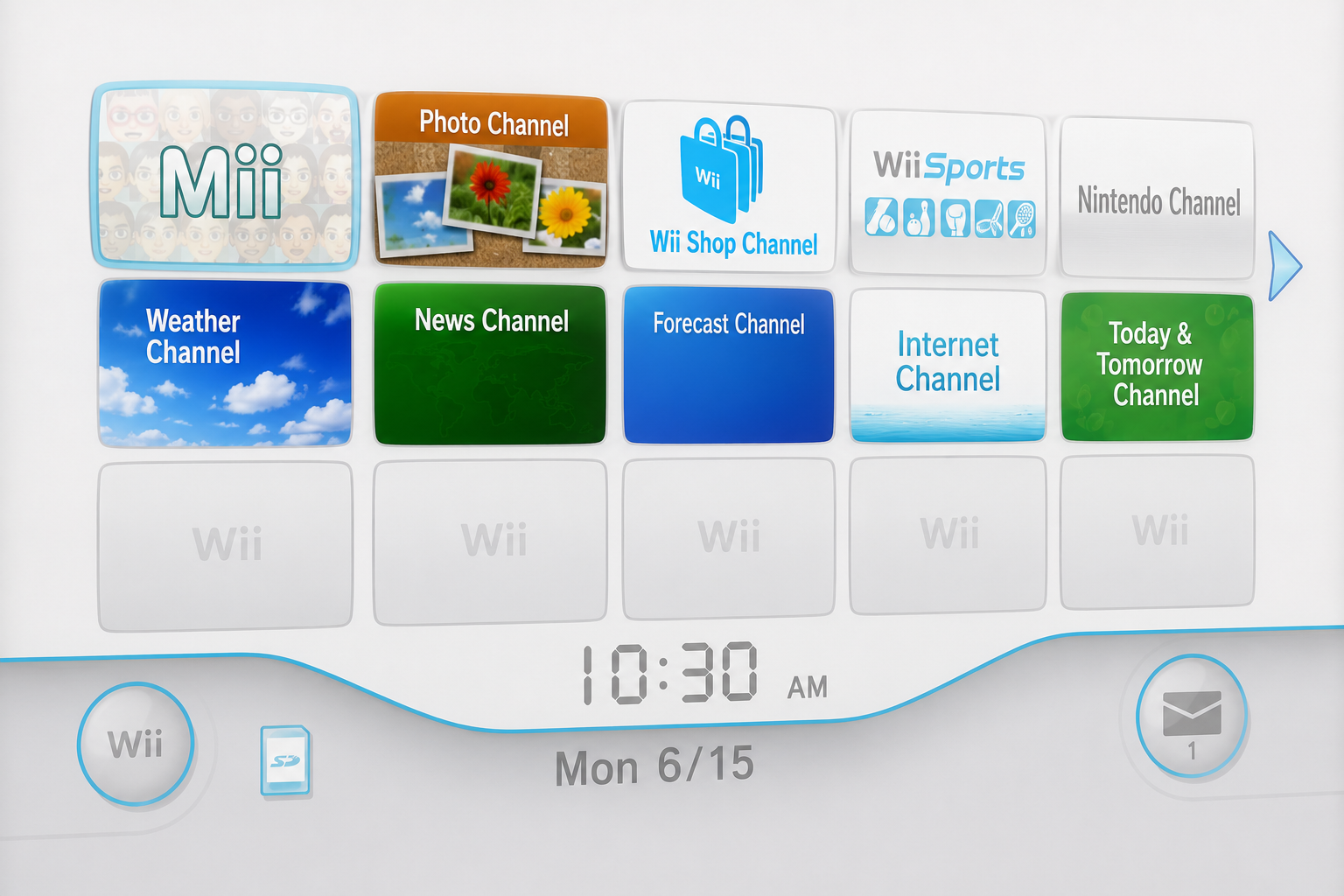
The Wii Gamble That Saved Nintendo
In a world obsessed with graphics and power, Nintendo bet on simplicity. The Wii was laughed at — until it wasn't.
Cracking the Cicada Code
In 2012, an enigmatic online puzzle appeared that promised enlightenment. But who was behind Cicada 3301?
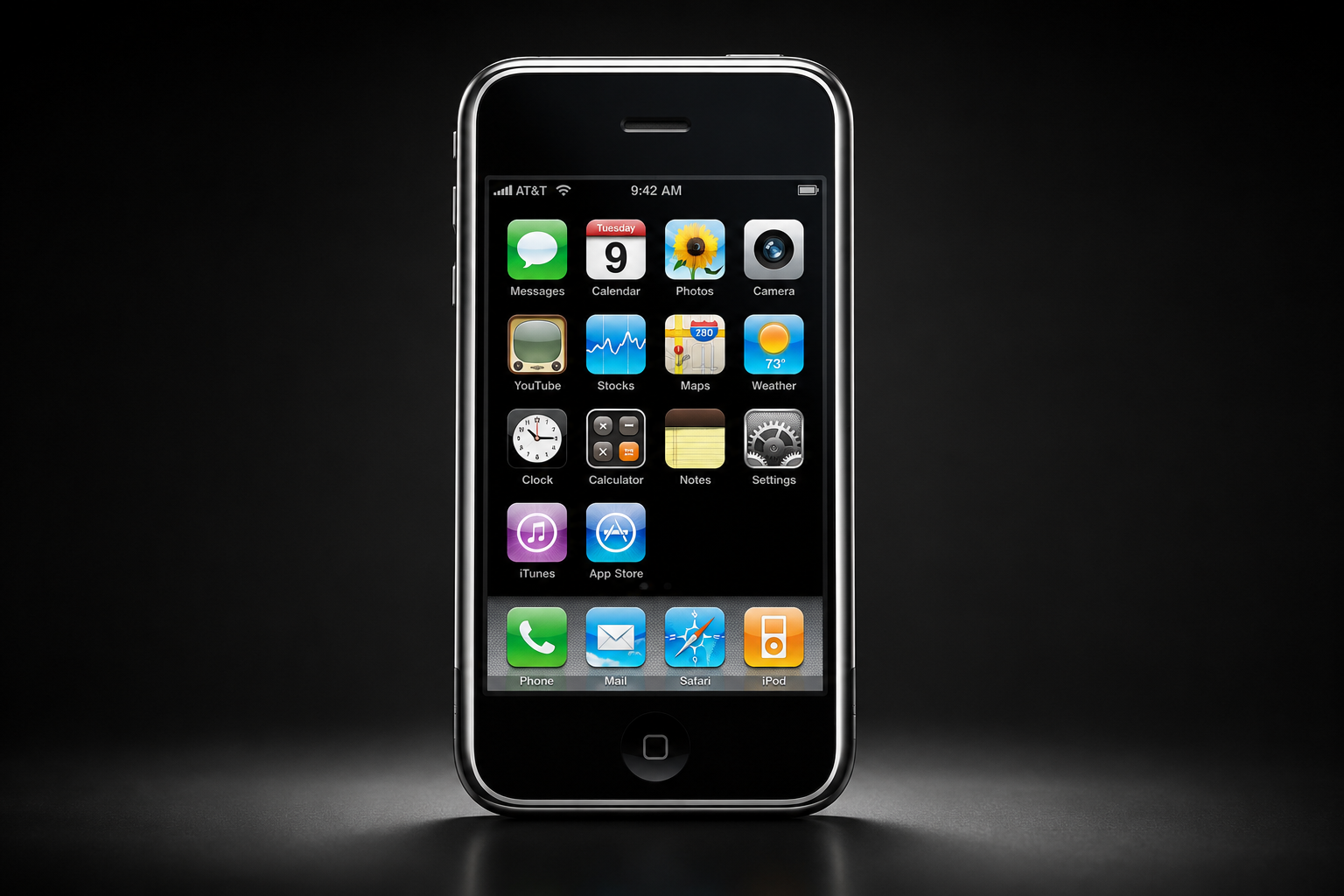
The iPhone That Disrupted the World
In January 2007, Steve Jobs stepped onto the stage and introduced a device that would redefine the entire world: the iPhone. What seemed like just another gadget launch was, in fact, the dawn of a new era.
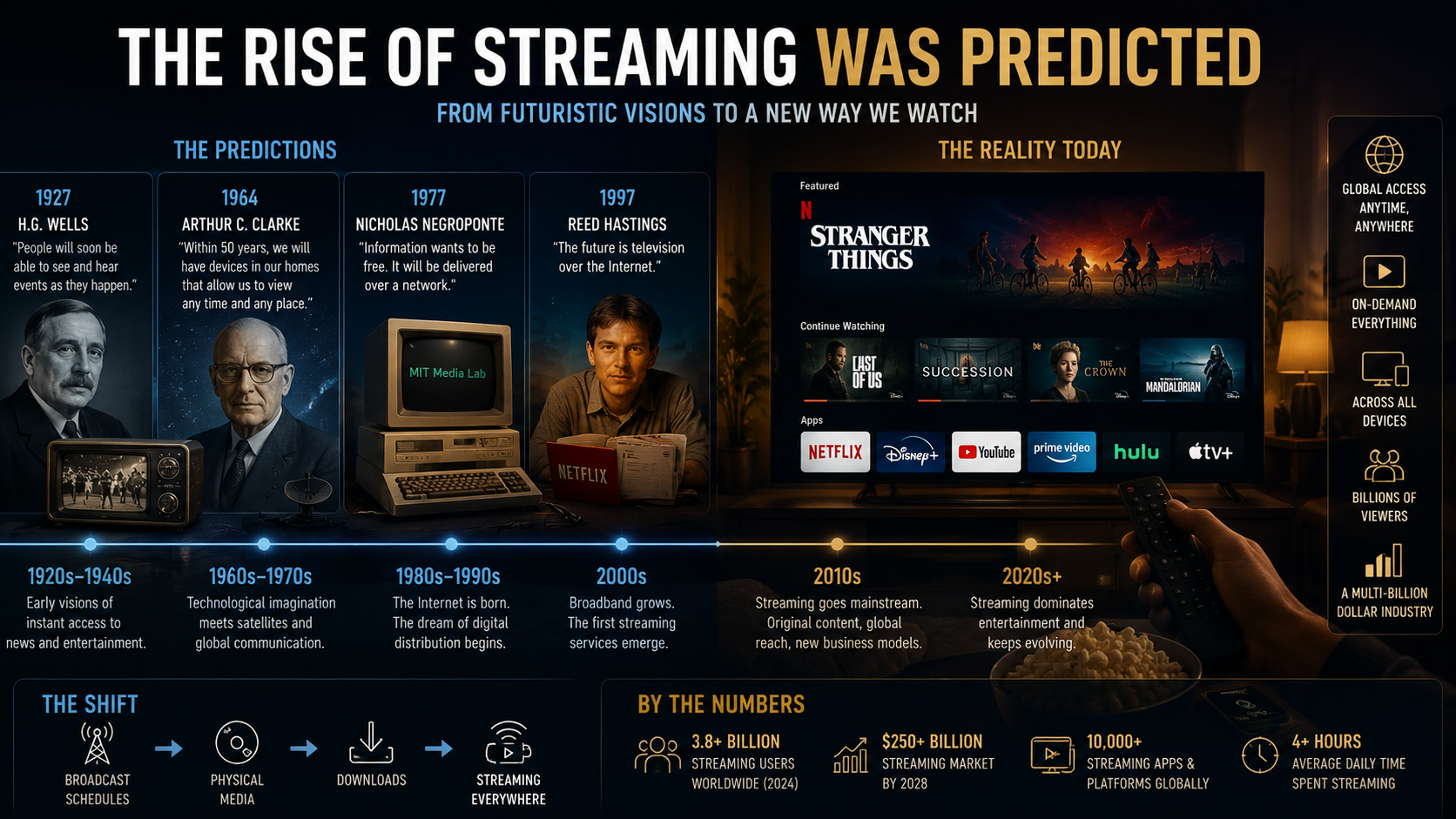
Predicting Streaming's Meteoric Rise
In a room filled with doubters, one voice declared that streaming was the future of entertainment. Years later, his vision disrupted entire industries.
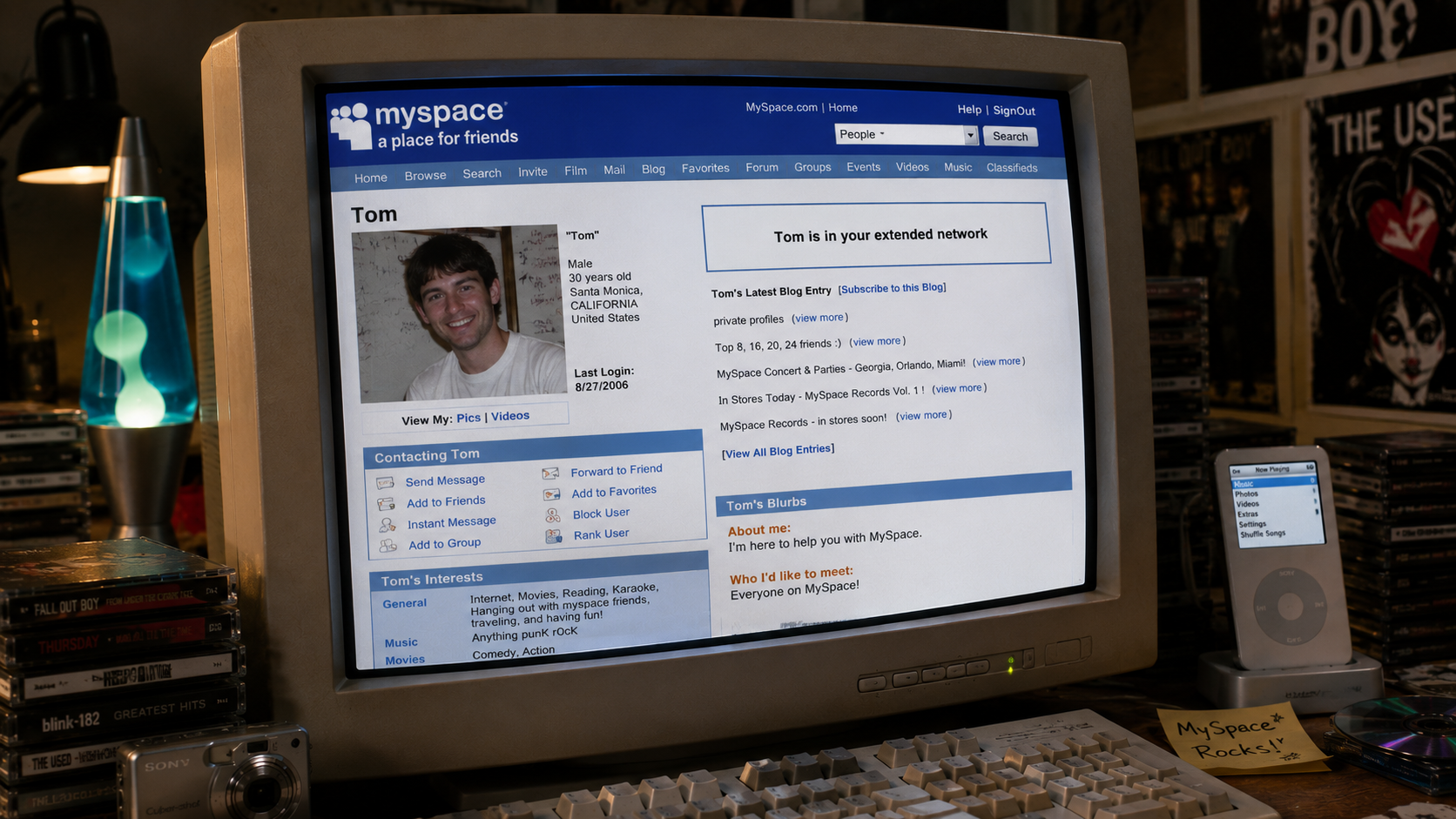
MySpace: The Rise and Fall That Changed Social Media
In 2006, MySpace was the dominant social media platform, but a mere three years later, its reign ended abruptly. What happened in those pivotal years that turned MySpace from the king of social media to a cautionary tale?
Continue the Rabbit Hole
Each story explores the same idea from a different angle. Follow the connections and discover where the thread leads.




Fictional placeholder content