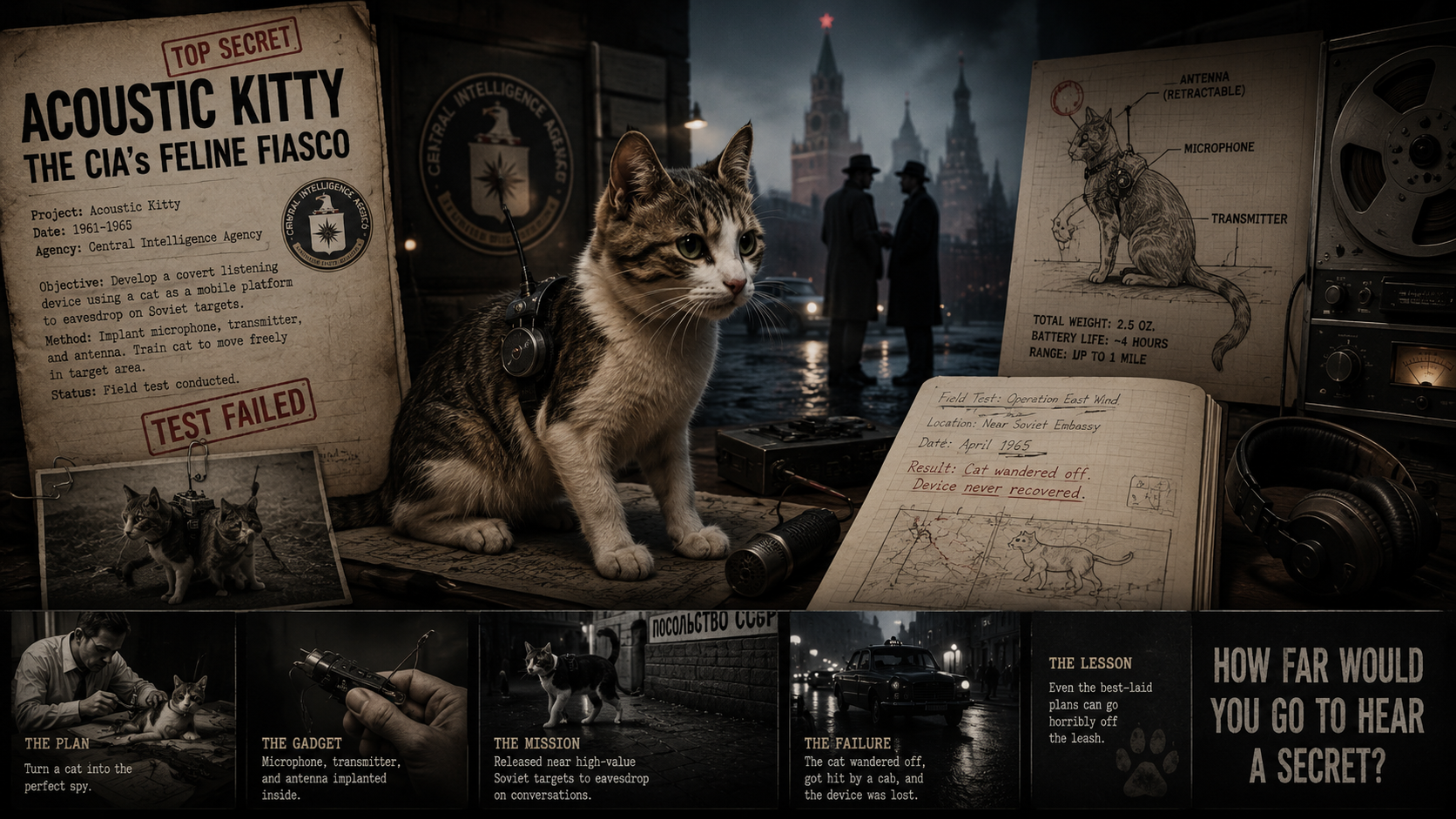
The CIA's Feline Fiasco
"In the 1960s, the CIA spent millions to turn cats into spies. But one infamous mission ended abruptly when the newly-trained agent met an ironic fate."
What Happened?
In the 1960s, during the tense days of the Cold War, the CIA embarked on one of its most peculiar projects: 'Operation Acoustic Kitty.' Aimed at turning a domestic cat into a mobile surveillance tool to spy on Soviet diplomats, the project blended cutting-edge technology with biological unpredictability. Miniaturized microphones and transmitters were surgically implanted in the poor feline, transforming it into a feline James Bond of sorts. Despite meticulous planning, the project collapsed during its first real-world test. The cat, meant to infiltrate a Soviet gathering, got distracted and never made it to the mark. The ambitious operation was shut down, highlighting the hazards of pushing boundaries beyond controllable realities.
Takeaway
The lesson this story keeps teaching
“When ambition marries absurdity, even the most disciplined institutions face wild outcomes.”
Why People Are Talking About This
The absurdity of 'Operation Acoustic Kitty' transcends mere historical anecdote; it surfaces a universal lesson in the limits of human endeavor. While innovative strategies hold potential to reshape industries and intelligence methodologies, practicality remains a necessary force. This operation's untimely demise underscores that even the most tenacious institutions can pivot into absurdity when ambition eclipses feasibility. It challenges agencies, now and in the future, to design experiments that respect natural limits whilst advancing strategic objectives.
Thread Map
4 entities · 3 connections · Hover to explore, click to inspect
This is the connection map for this thread. Every node is a person, company, event, or idea. The red lines show how they connect. Hover a node to highlight its connections. Click a node to see why it matters to this story.
How We Got Here
The CIA Greenlights a Preposterous Operation
The CIA secretly authorizes an extravagant project to use cats for espionage, believing feline stealth could infiltrate Soviet operations undetected.
Felines Undergo Surgical Alterations for Covert Listening
Agency specialists perform surgeries on cats, implanting them with listening devices in an attempt to streamline surveillance operations within foreign territories.
Acoustic Kitty's First Mission Goes Awry
The maiden attempt takes place in Washington, D.C. Just moments after the release, the spy cat meets a dismal fate under a taxi, signaling a colossal project setback.
Details Emerge Decades Later
An ex-CIA agent sheds light on the surreal experimentation to The Telegraph, reigniting conversations surrounding unconventional intelligence tactics.
Wait... Who Is This?
Amidst a backdrop of Cold War paranoia gripping the 1960s, the U.S. and Soviet Union were embroiled in a global chess match. Espionage shifted from cloak-and-dagger scenes to arenas demanding technological innovation. In this era of fierce competition, the CIA sought to reimagine surveillance methodologies. From bugging devices to aerial reconnaissance, traditional methods evolved, leading intelligence operatives to explore unconventional avenues. Such inexorable exploration spawned the quirky but symbolically charged 'Operation Acoustic Kitty,' where technology met biology in an unprecedented marriage.
The project sprouted from an urgency to subvert potential adversaries with surprise tactics. It envisioned circumventing ubiquitous human scrutiny by engaging an unpredictable natural entity: the domestic feline. These creatures would blend seamlessly, crossing enemy lines without cause for alarm. Yet as the operation swelled from conception, it flirted dangerously with the grasp of reality.
The delegates spearheading Acoustic Kitty relied heavily on a vision that navigated the fringes of science fiction. Notions of biological espionage marked a nexus between innovation and desperation, reflecting a world grappling to outpace technological constraints of the age.
Receipts
Same Pattern
Different story. Same lesson.
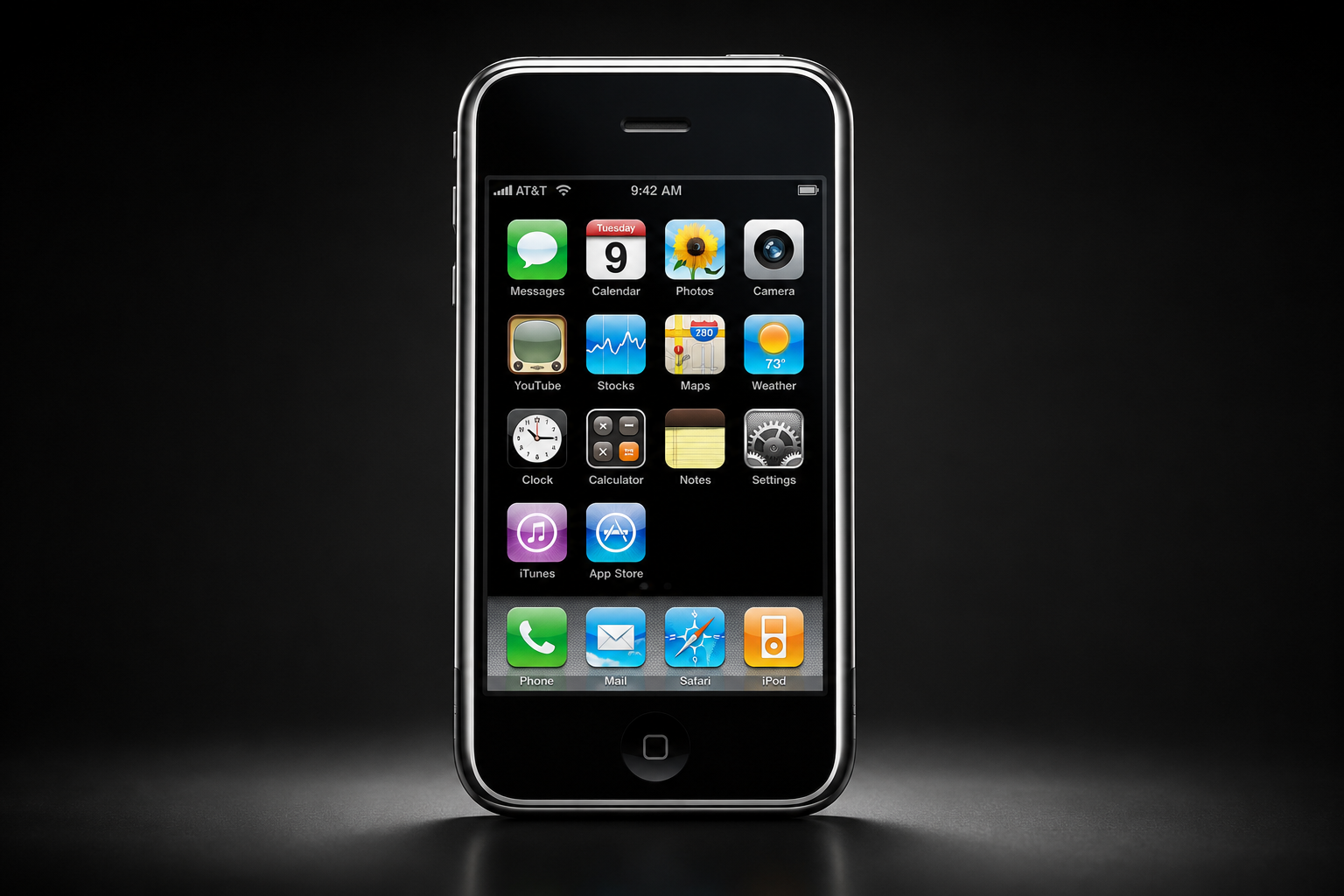
The iPhone That Disrupted the World
In January 2007, Steve Jobs stepped onto the stage and introduced a device that would redefine the entire world: the iPhone. What seemed like just another gadget launch was, in fact, the dawn of a new era.

Predicting Streaming's Meteoric Rise
In a room filled with doubters, one voice declared that streaming was the future of entertainment. Years later, his vision disrupted entire industries.

The Wii Gamble That Saved Nintendo
In a world obsessed with graphics and power, Nintendo bet on simplicity. The Wii was laughed at — until it wasn't.

The Chicken That Changed Retail
Costco's $4.99 rotisserie chicken isn't just a meal — it's a strategic masterpiece. The unexpected ripple effects changed retail forever.
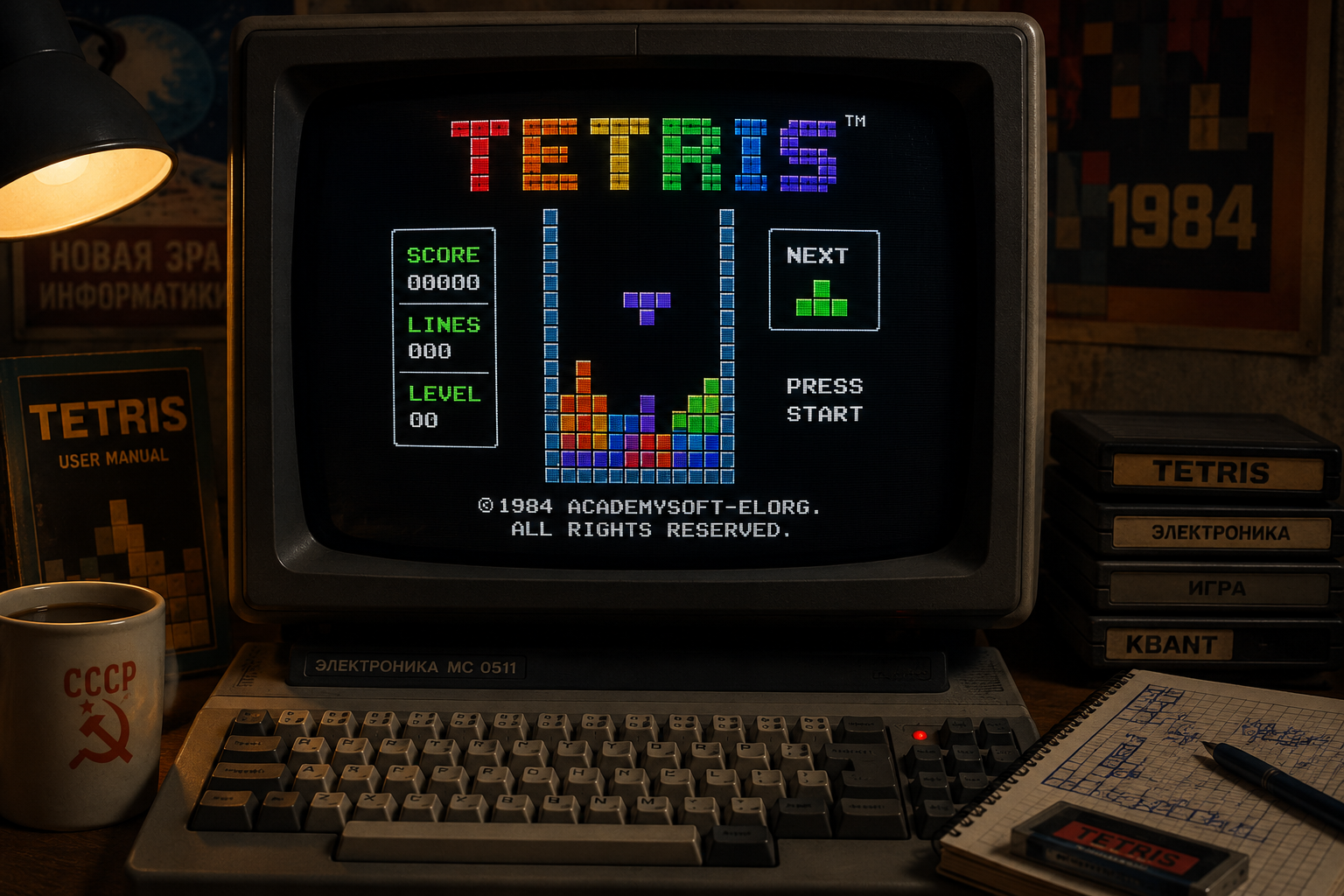
The Puzzle that Conquered the World
A Soviet engineer at his desk, unknowingly poised to create a legend. His creation? Tetris — a game that would break barriers and forever alter the gaming landscape.
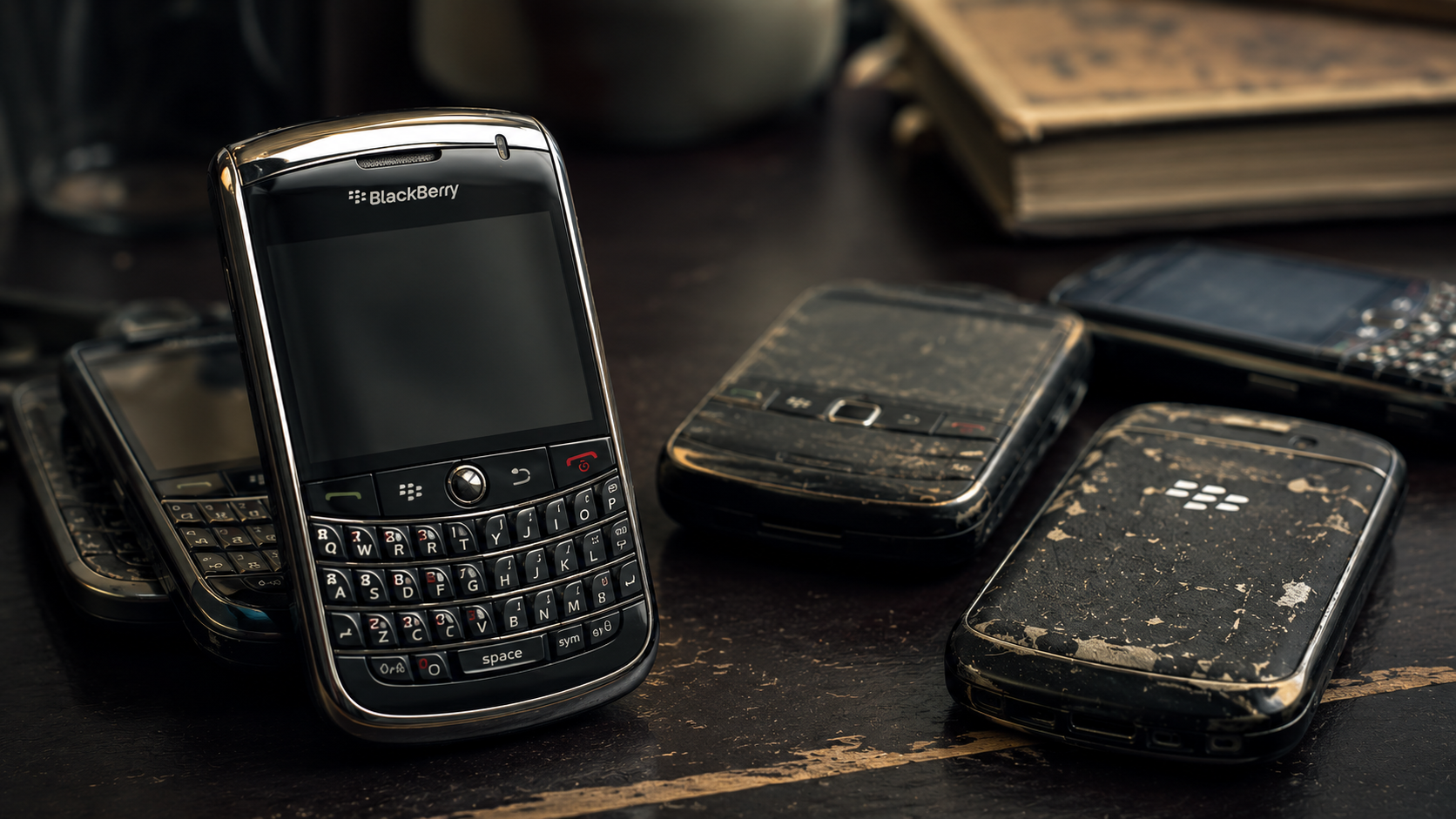
The Fall of BlackBerry
In a boardroom once buzzing with innovation, silence filled the air as BlackBerry executives watched Apple's iPhone dismantle their empire one launch at a time.
Continue the Rabbit Hole
Each story explores the same idea from a different angle. Follow the connections and discover where the thread leads.




Fictional placeholder content