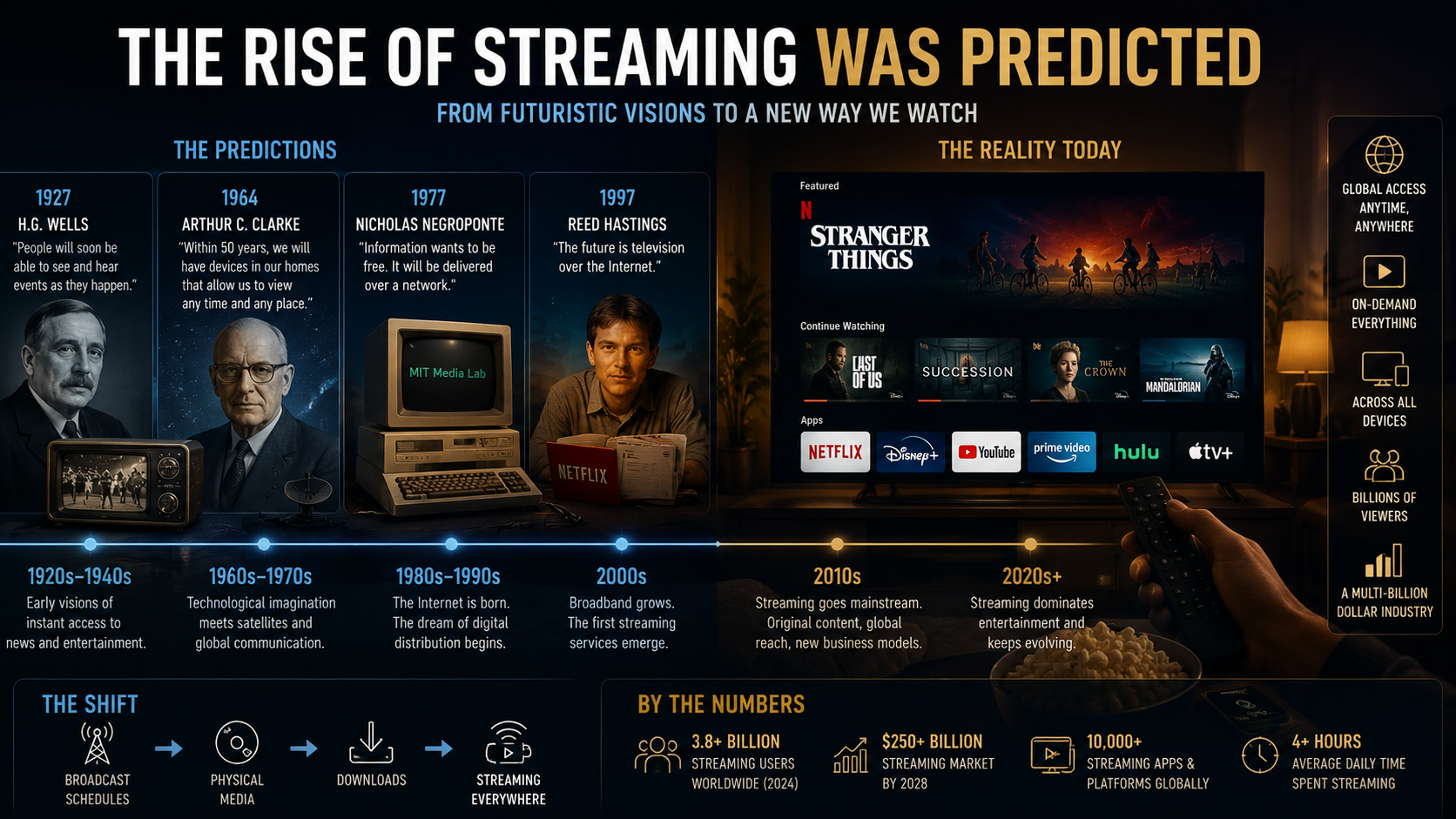
Predicting Streaming's Meteoric Rise
"In a room filled with doubters, one voice declared that streaming was the future of entertainment. Years later, his vision disrupted entire industries."
What Happened?
Imagine a world where blockbuster films and hit series didn't debut in theaters or on TV screens but in the ether of the internet. This isn't a distant fantasy; it's a reality that once seemed improbable. Just over a decade ago, in a quiet pivot, Netflix abandoned its identity as a DVD-by-mail service and embarked on a then-radical experiment: streaming. By 2007, a mere decade after its founding, Netflix launched its streaming service—ushering in a media consumption revolution.
Fast forward to 2025, and the streaming industry has ballooned to a staggering valuation of over $811 billion, with projections suggesting it could triple by 2032. YouTube's rise in this narrative was equally swift. From its inception in 2005, it had become the most popular video service by 2010. What was once just another online platform transformed into a cultural cornerstone, reshaping user content consumption habits globally.
But how were these transformations forecasted? Perhaps the truth lies in the evolution of technology and consumer behavior. The proliferation of broadband internet and the gradual demise of DVD cultures laid the groundwork. A digital playground emerged where users could watch what they wanted, when they wanted, bypassing the traditional gatekeepers of content.
As the dust settled, it became evident: streaming wasn't merely the future—it was the present. Each platform learned quickly, refining their algorithms to predict viewer preferences with uncanny precision, creating a personalized experience that tethered viewers like never before. The concept of television schedules became almost archaic, replaced by on-demand binge-watching. The days of waiting a week for the next episode or hunting for rewinds were rapidly fading. Instead, a different narrative began to unfold—one where choice and immediacy dictated the game.
Yet, this seismic shift was never just about the technology. It latched onto unmet human desires for convenience and control. Celebrities no longer solely resided on the big screen; they thrived in the digital domain, their popularity magnified by likes and shares.
Ultimately, the rise of streaming has done more than keep our eyes glued to screens; it’s redrawn the boundaries of media cultures, forever altering how stories are told and consumed. And in the grand tapestry of entertainment history, it stands as one of the few instances where the possible became all too real.
Takeaway
The lesson this story keeps teaching
“The right vision at the right time can turn under-the-radar technology into a cultural force.”
Why People Are Talking About This
Streaming services transformed media consumption, paving the way for on-demand, global access to content. Traditional media's dominance shattered, requiring industries to rethink distribution. It shows that technological innovation rarely comes from the incumbents but from outsiders who dare to dream differently.
This disruption reveals the power of foresight and the importance of risk-taking. As the streaming ecosystem grows, its effects ripple out, reshaping how stories are told, shared, and valued globally.
Thread Map
9 entities · 8 connections · Hover to explore, click to inspect
This is the connection map for this thread. Every node is a person, company, event, or idea. The red lines show how they connect. Hover a node to highlight its connections. Click a node to see why it matters to this story.
How We Got Here
Netflix Begins: Beyond DVDs
Netflix was launched as a DVD-by-mail service. Initially, it seemed like a quirky alternative to movie rental stores, but its founders had bigger plans.
YouTube's Unlikely Birth
YouTube's founding sparked a creative revolution, turning every individual into potential content creators and capturing global audiences.
Crunchyroll's Anime Niche
Crunchyroll was founded by UC Berkeley graduates. It tapped into the anime market, setting the stage for niche streaming services to thrive.
Netflix's Streaming Leap
Netflix pivoted from DVDs to streaming, reimagining their business model and setting a precedent for digital content delivery.
Funimation's Streaming Shift
Gen Fukunaga reacquired Funimation, steering the company toward digital streaming of anime, leveraging niche content's growing appeal.
Streaming Industry's Giant Leap
Streaming exploded into a multi-billion-dollar industry, showing how digital transformation can upend traditional media landscapes.
Future Gazing: Streaming’s Potential
Predictions highlighted emerging trends in streaming, focusing on personalization and immersive experiences to further engage audiences.
Wait... Who Is This?
It’s the mid-2000s, an era dominated by physical media. DVDs are the kings of the home entertainment landscape, and companies like Blockbuster sit atop the media hierarchy. The idea of watching video content on a computer, let alone a phone, was unfathomable to most. Yet, in the tech world, whispers of innovation buzzed. Reed Hastings at Netflix began envisioning a service that could bypass the trip to the rental store altogether. Around the same time, in 2005, YouTube was founded, capturing moments of everyday life and imagination, seen through home videos. For traditional players, it was a time to solidify their hold; for tech visionaries, it was a time to see beyond the horizon. Few saw the coming change, a shift that would redefine media consumption through the quiet rise of streaming. It would change everything, leaving those who couldn't adapt in the dust.
In an era of lagging internet connections and skepticism, these innovators laid the groundwork for a monumental shift — not just in how we consume content, but in how media industries operate on a fundamental level.
Receipts
The Rise of Streaming Platforms
Streaming media - Wikipedia
The Rise of Streaming Platforms
Streaming Wars Exposed: A Fascinating History of the Evolution of Streaming Services. Who Bought Whom in the Battle for Your Screen! | by SIMKL.com | Simkl TV Tracker Blog
The Future of Streaming: Emerging Trends and Technologies for 2026
Streaming Services Market Size & Growth [2035]
The Impact of Streaming Services on the Movie Industry: Transforming Entertainment as We Know It - Social Cinema
Same Pattern
Different story. Same lesson.

The Chicken That Changed Retail
Costco's $4.99 rotisserie chicken isn't just a meal — it's a strategic masterpiece. The unexpected ripple effects changed retail forever.
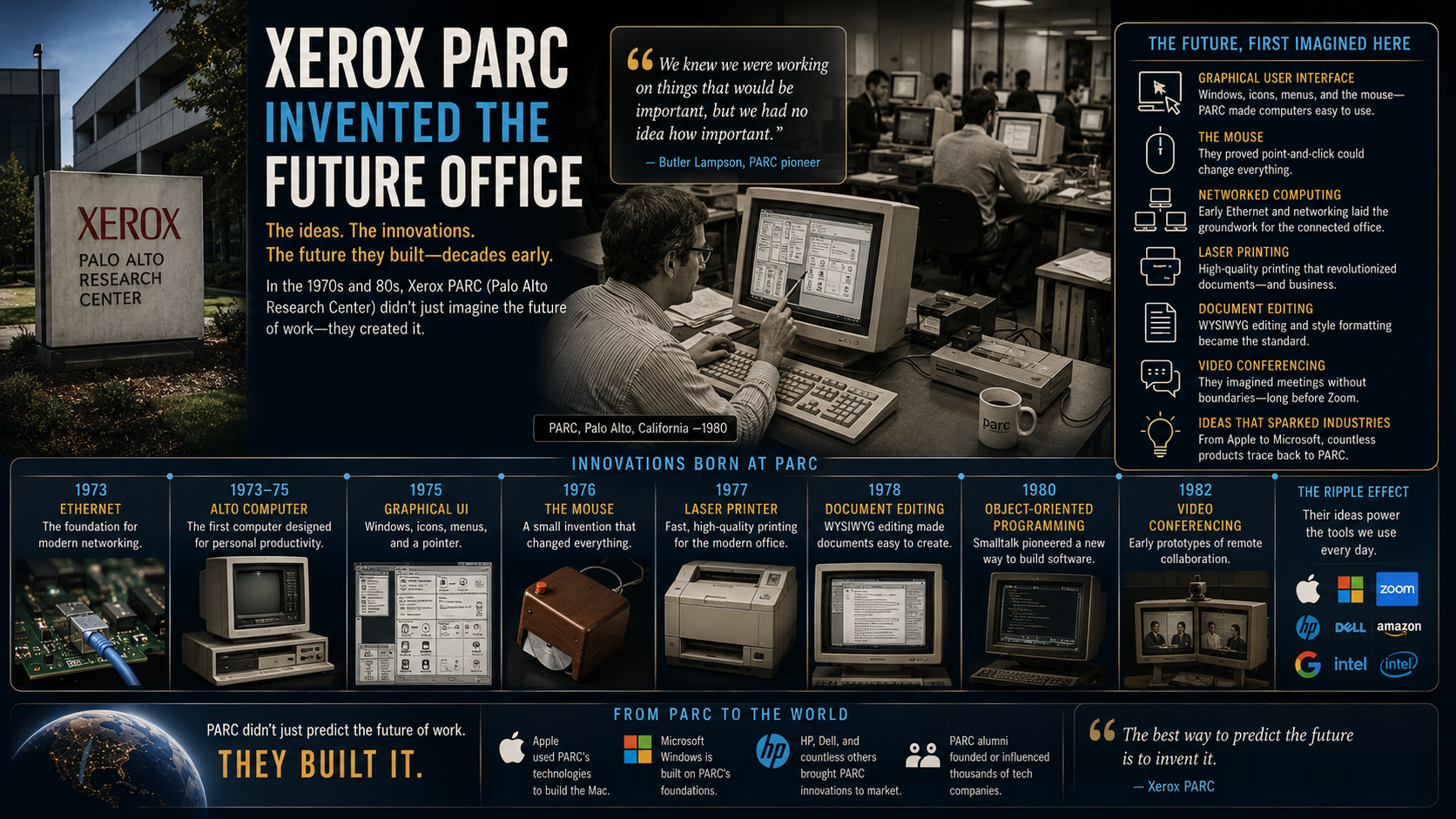
The Lab That Invented Tomorrow
In December 1979, Steve Jobs saw echoes of the future inside Xerox PARC's halls. There, in a secluded lab, lay the blueprint for the modern tech landscape.
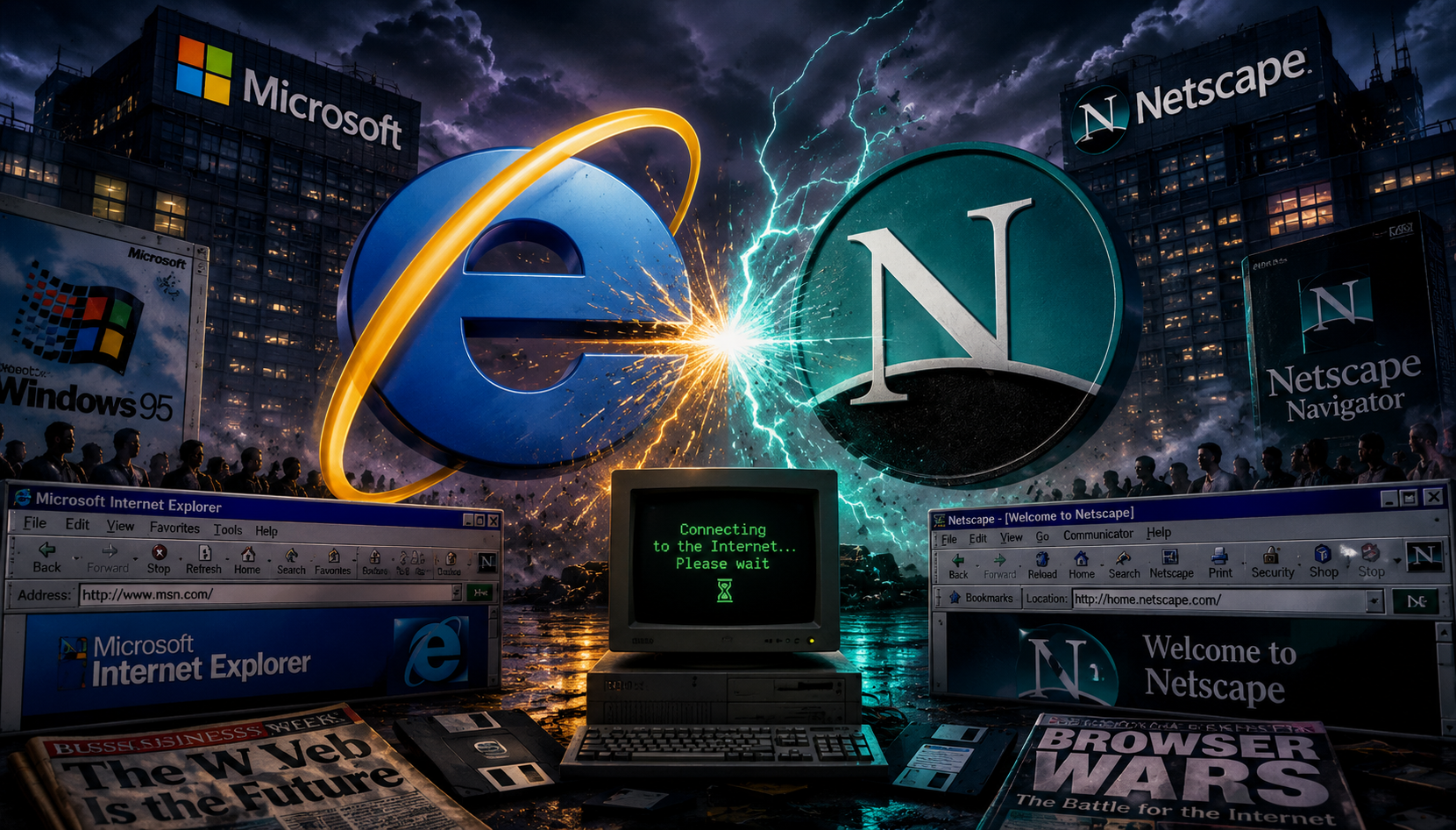
The Browser War That Built the Internet
In the mid-1990s, a software battle erupted that would shape how billions accessed information. Few could predict that the victor would soon face its own downfall.
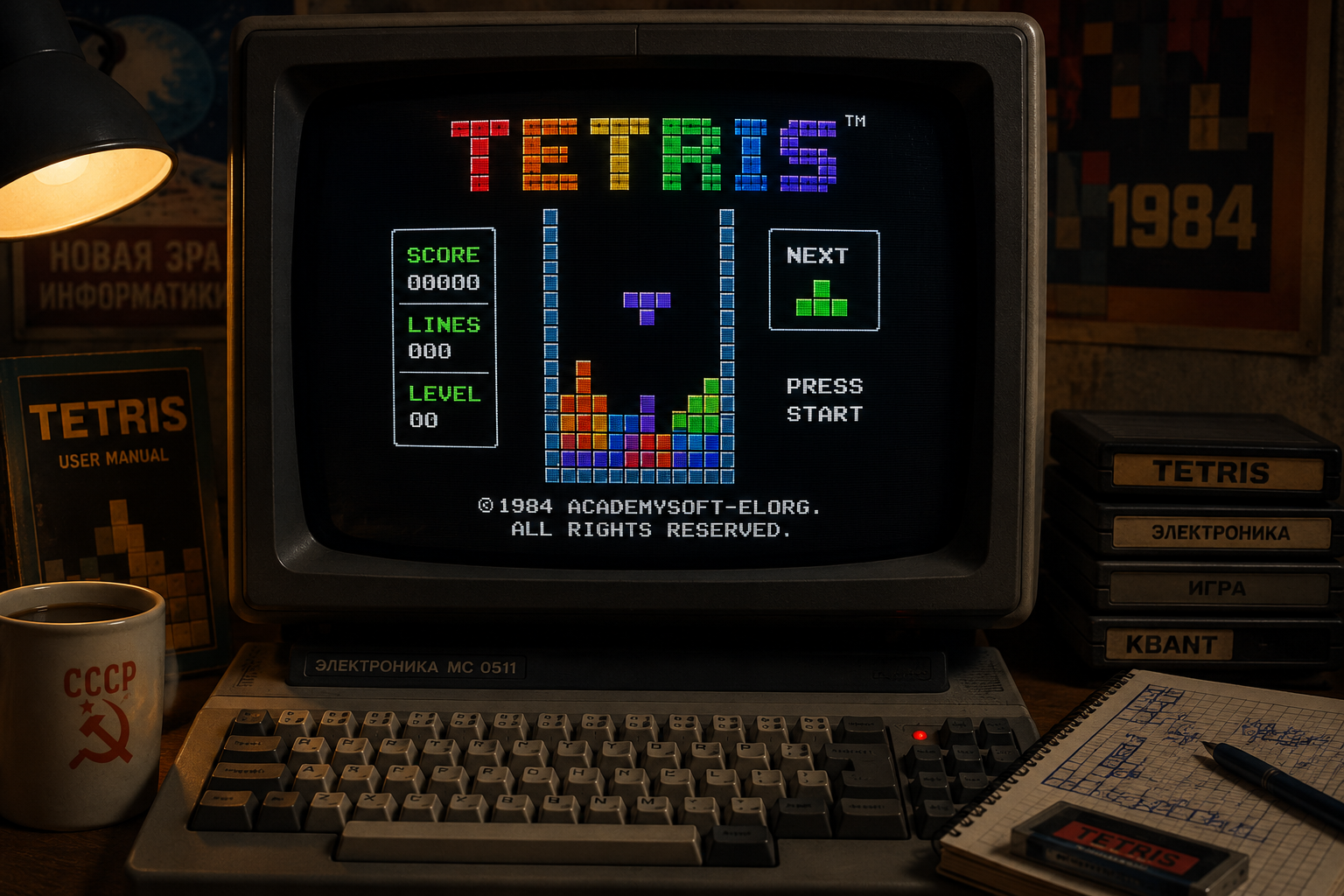
The Puzzle that Conquered the World
A Soviet engineer at his desk, unknowingly poised to create a legend. His creation? Tetris — a game that would break barriers and forever alter the gaming landscape.
The Wii Gamble That Saved Nintendo
In a world obsessed with graphics and power, Nintendo bet on simplicity. The Wii was laughed at — until it wasn't.
Pixar's Radical Feedback Loop
In a stark, unadorned room, some of the most powerful voices in animation face off with ruthless honesty. Their weapons? Brutal feedback that molds raw ideas into cinematic gold.
Continue the Rabbit Hole
Each story explores the same idea from a different angle. Follow the connections and discover where the thread leads.




Fictional placeholder content