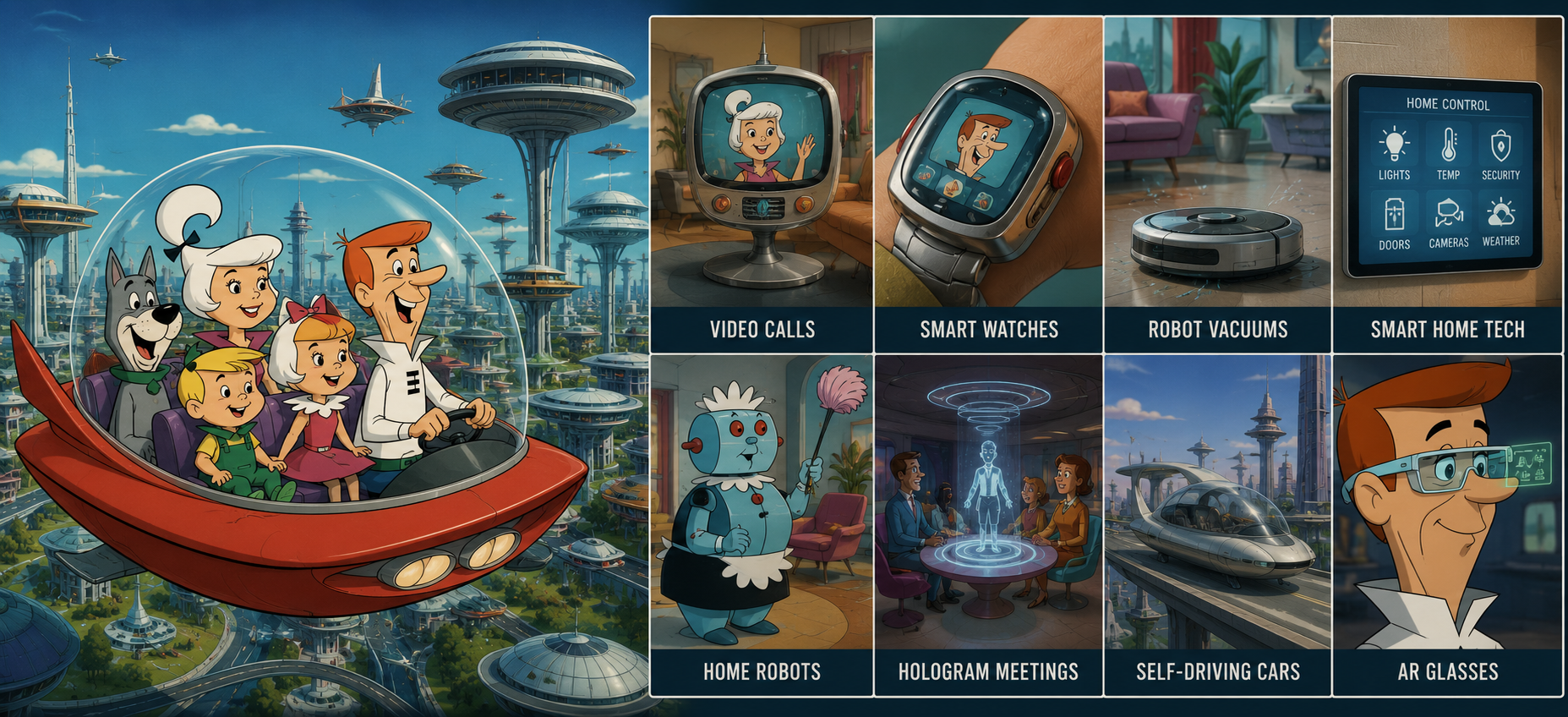
The Jetsons' Eerie Predictions
"In 1962, a cartoon family navigated flying cars and video calls, unknowingly sketching a blueprint for the 21st century. They were The Jetsons."
What Happened?
In 1962, a cartoon family rocketed across television screens, living in a world of flying cars, robotic assistants, and video calls. "The Jetsons" captured the imagination of a generation yearning for a future where technology solved every problem. Yet, as we moved further into the 21st century, that imagined world of the Jetsons seemed less like a distant dream and more like a surprisingly familiar reality.
Consider the ease with which George Jetson communicated via screen with his boss, Mr. Spacely. Fast forward to 2020, and video conferencing apps like Zoom became central to both work and personal life across the globe—a shift unthinkable before a global pandemic pushed millions into remote work. The cartoon's whimsical "Push Button Finger" became eerily akin to our real "texting thumb" or "tech neck," revealing the unforeseen physical toll of our digital habits.
Beyond gadgets, the Jetsons' vision of automated homes echoes today's smart technology. Rosie the Robot doesn't seem far removed from the Roomba or Alexa, tidying up and organizing our lives with just a few commands. Even the concept of a one-hour workday hinted at the gig economy and flexible schedules that define much of modern employment.
But "The Jetsons" wasn't just about correctly predicting technologies. It was a mirror reflecting the technological optimism—and anxieties—of its time. Created during the space race, it promised a future where humanity's reach surpassed earthly bounds, resonating in an era when President Kennedy promised a man on the moon. Perhaps "The Jetsons" was more than a mere cartoon; it was an early whisper of how closely our lives would shadow the artistry of its animators.
Takeaway
The lesson this story keeps teaching
“Fiction doesn't just reflect reality; it often predicts it. Cultural imagination drives real innovation.”
Why People Are Talking About This
The Jetsons' predictions are more than a list of accurate forecasts; they represent a cultural phenomenon where fiction influences reality. The series' imaginative vision sparked exploration, propelling technological advancements that mirrored its futuristic dreams. By turning fanciful ideas into tangible innovations, The Jetsons set a precedent for how narratives can shape and inspire real-world change.
This story highlights a critical intersection between media and technology: cultural imagination can be as powerful as scientific endeavor in steering humanity's progress. It underscores the potential impact of speculative fiction not just as a mirror to society's ambitions, but as a roadmap for future achievements.
Thread Map
8 entities · 7 connections · Hover to explore, click to inspect
This is the connection map for this thread. Every node is a person, company, event, or idea. The red lines show how they connect. Hover a node to highlight its connections. Click a node to see why it matters to this story.
How We Got Here
The Jetsons Blast Off
The Jetsons premiered on television, introducing audiences to a futuristic world filled with flying cars, video calls, and robotic assistants. The fantastical show was a product of its time, brimming with optimism about technological progress.
Kennedy's Vision For the Stars
John F. Kennedy delivered his famous 'Moon speech,' pledging to land a man on the moon by the end of the decade. This speech shared the futuristic perspective that fueled The Jetsons' optimistic portrayal of technology.
The Jetsons Make a Comeback
The beloved cartoon returned with new episodes, reinforcing its impact and showcasing the enduring interest in its vision of the future. This comeback highlighted the series' unique presence in pop culture as a predictor of technological trends.
Video Calls Become Reality
Skype was introduced, bringing the concept of video calling from The Jetsons' depiction into everyday life. This marked a significant milestone in telecommunication, closely aligning with the predictions of the animated series.
FaceTime Adds a Human Touch
With Apple's introduction of FaceTime, video calling became more personal and widespread, echoing The Jetsons' foresight into future communication technologies.
Zoom Reigns During COVID
As the pandemic forced global lockdowns, video conferencing platforms like Zoom became essential, drawing direct parallels to The Jetsons' portrayal of digital workplace communication.
Robots Infiltrate Homes
Similar to Rosie the Robot, modern devices like Amazon's Alexa and cleaning robots became commonplace, reflecting The Jetsons' vision of domestic automation.
The Jetsons' Legacy Lives On
The impact of The Jetsons on modern technology remains strong, with their predictions continuing to influence aspirations and innovations within the tech industry.
Wait... Who Is This?
In a post-war era marked by rapid technological advancements, Americans were drawn to the futuristic promises of televised space-age fantasies. Hanna-Barbera, creators of beloved shows like The Flintstones, captured this spirit with the launch of The Jetsons in 1962. While The Flintstones were relics of the past, the Jetsons dwelled amidst flying cars, robotic housekeepers, and video call-equipped living rooms. This whimsical peek into futuristic family life entertained audiences, but beneath its shining veneer lay deeper insights and predictions about our technological future.
When The Jetsons first aired, it projected a society on the brink of monumental technological developments. While known primarily as a source of lighthearted comedy, it added a layer of futurist speculation that resonated deeply with a population eager to dream beyond earthly boundaries. Its depiction of future innovations bore traces of the technological optimism embodied by JFK's moon speech, delivered the same year. The Jetsons not only captured imaginations but also sowed seeds of inspiration, which over the coming decades would begin to bear fruit, making its vision of the future eerily prescient.
Receipts
It's TRUE! The Jetsons was way more accurate than ...
What 'The Jetsons' predicted right (and wrong) about the future
Were the Jetsons predictions of technology accurate? - NJ
Times The Jetsons Were Eerily Correct About The Future
14 Times The Jetsons Predicted The Future
The Jetsons - Wikipedia
Jetsons History: How a 60's cartoon came back with an 80's ...
Same Pattern
Different story. Same lesson.
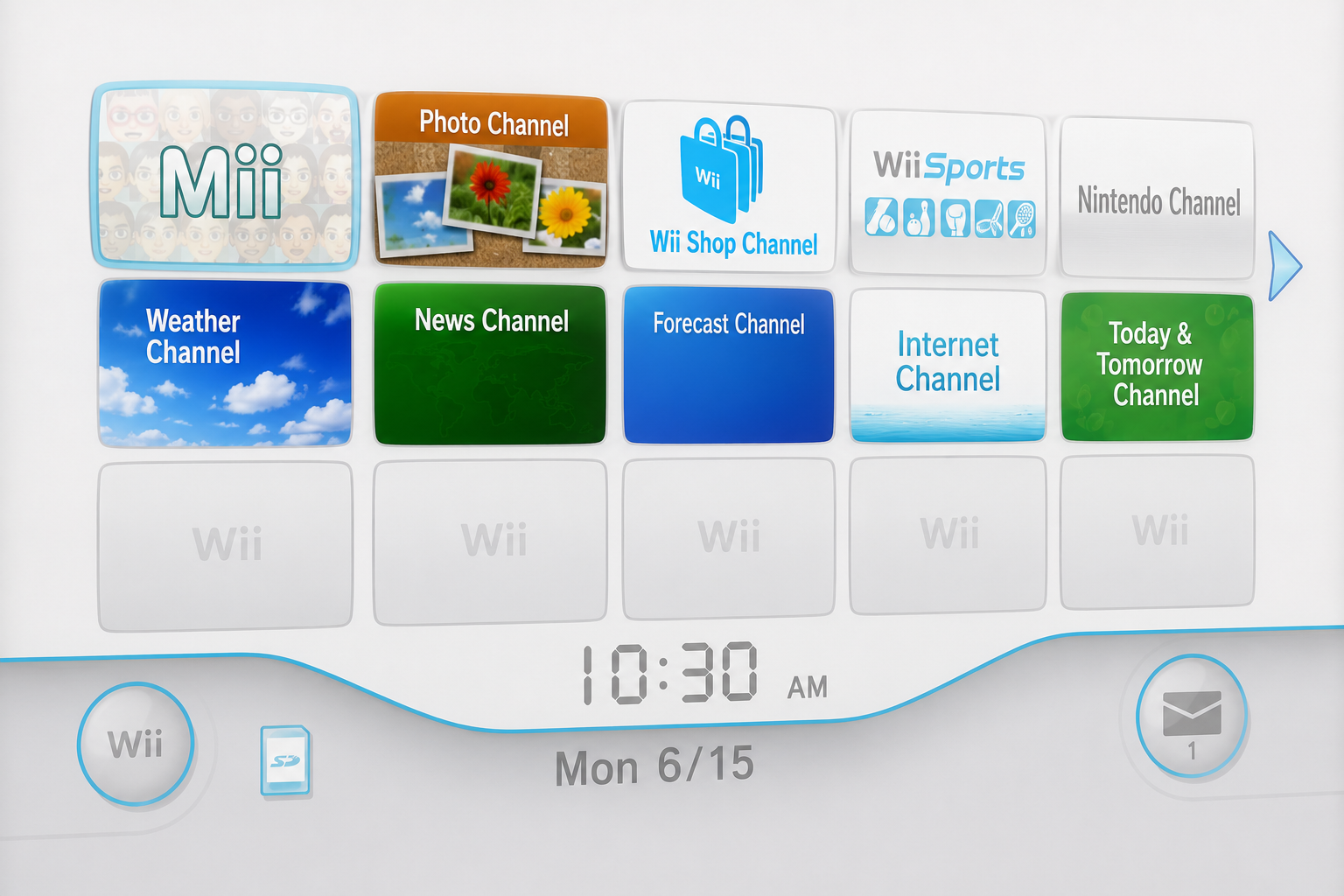
The Wii Gamble That Saved Nintendo
In a world obsessed with graphics and power, Nintendo bet on simplicity. The Wii was laughed at — until it wasn't.
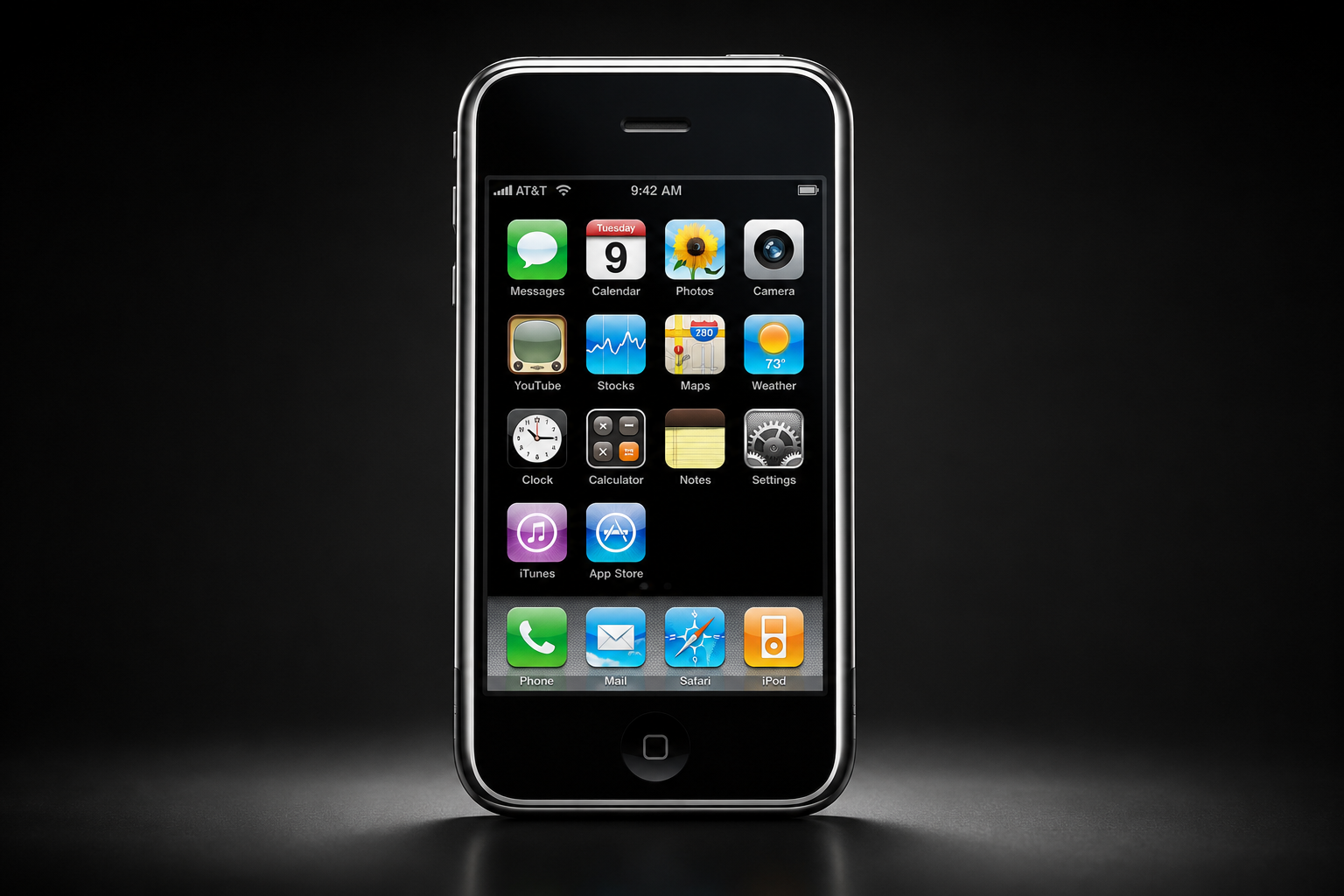
The iPhone That Disrupted the World
In January 2007, Steve Jobs stepped onto the stage and introduced a device that would redefine the entire world: the iPhone. What seemed like just another gadget launch was, in fact, the dawn of a new era.
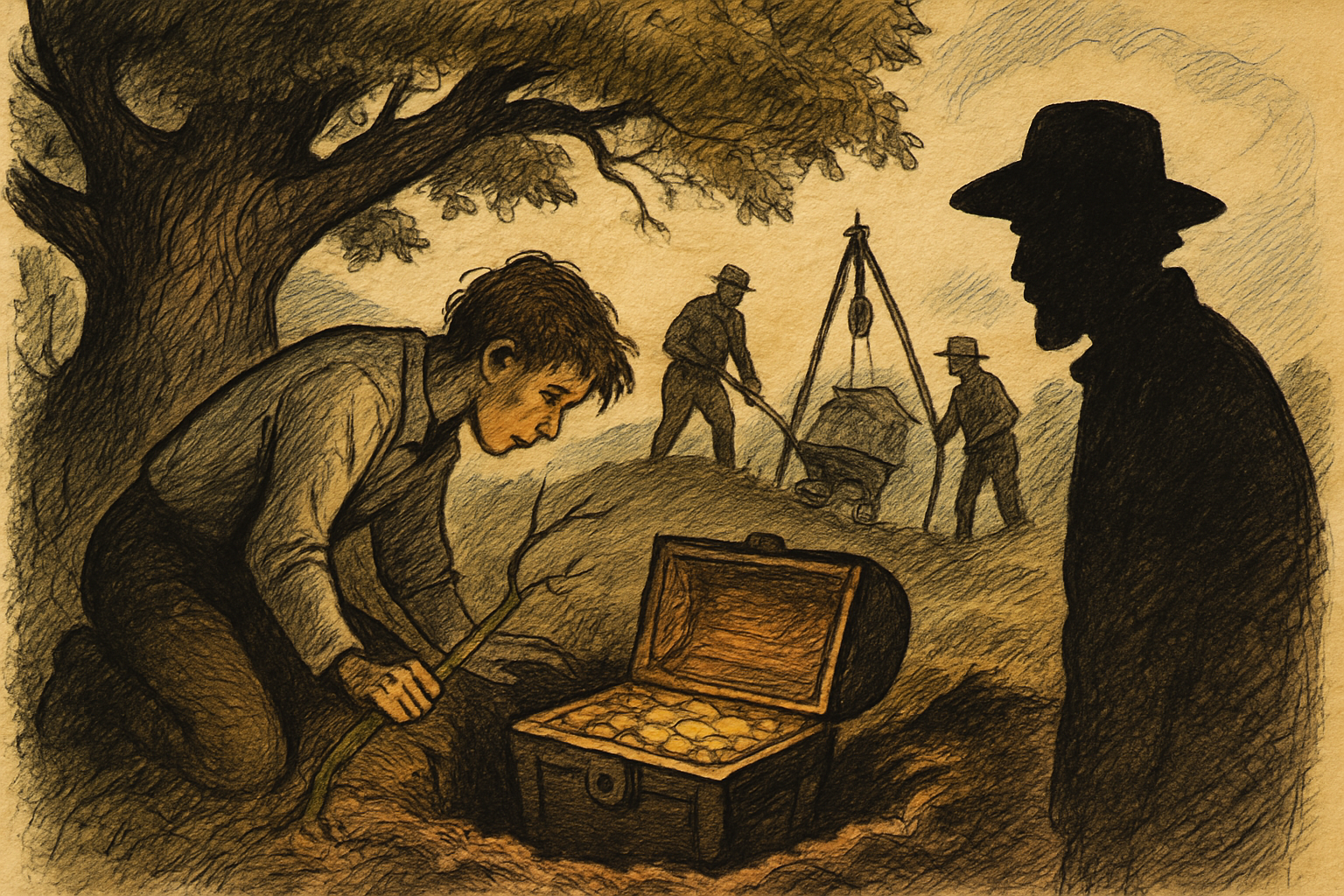
The Enigma of Oak Island
Beneath Oak Island lies a pit of promises, holding legends of buried treasure yet never yielding its secrets.
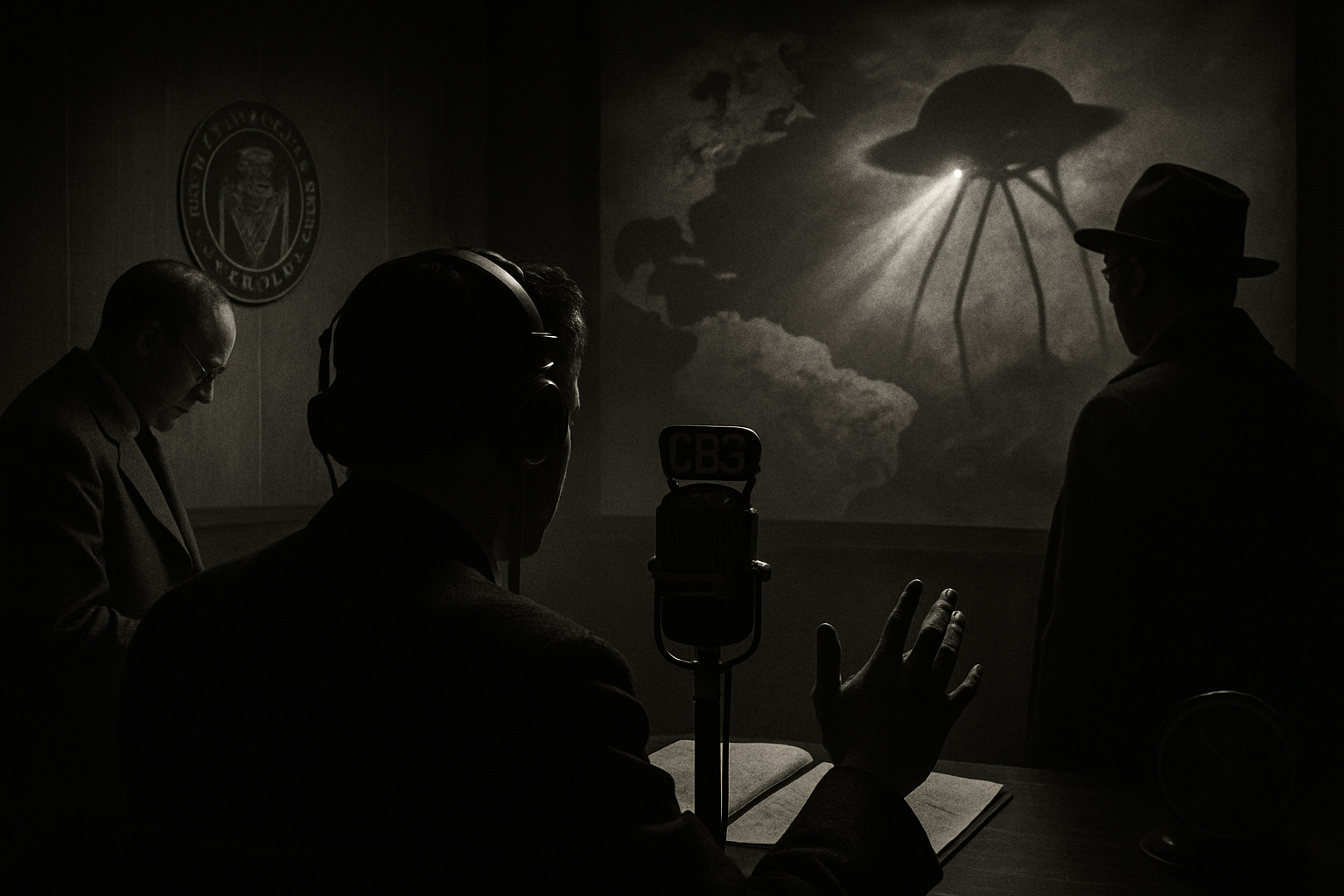
The Broadcast That Terrified America
On the night of October 30, 1938, chaos reigned as Americans believed Martians were invading. It was all fiction.
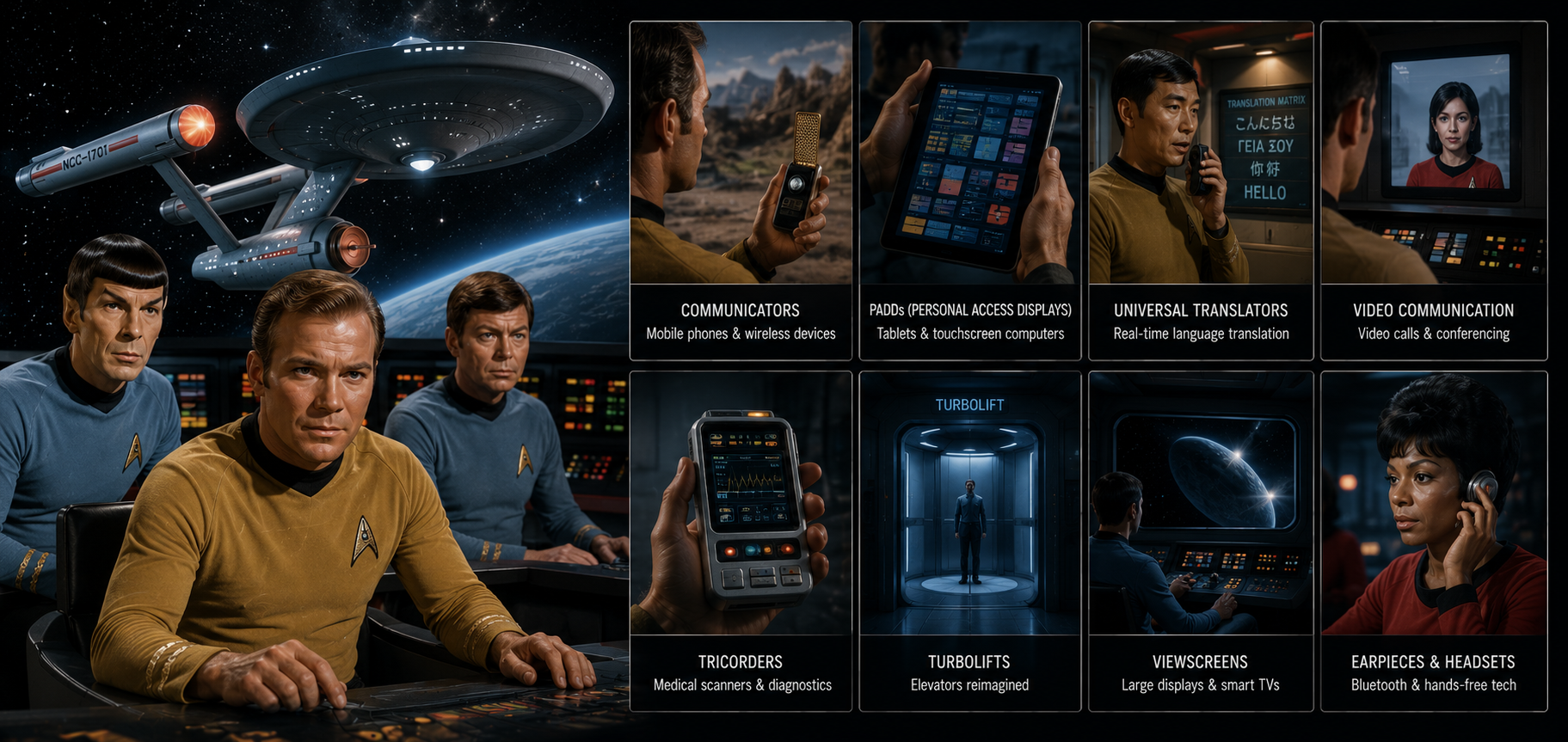
Star Trek's Blueprint for the Future
One TV series changed how we envision the future. But the even stranger twist? Its fictional tech became real.
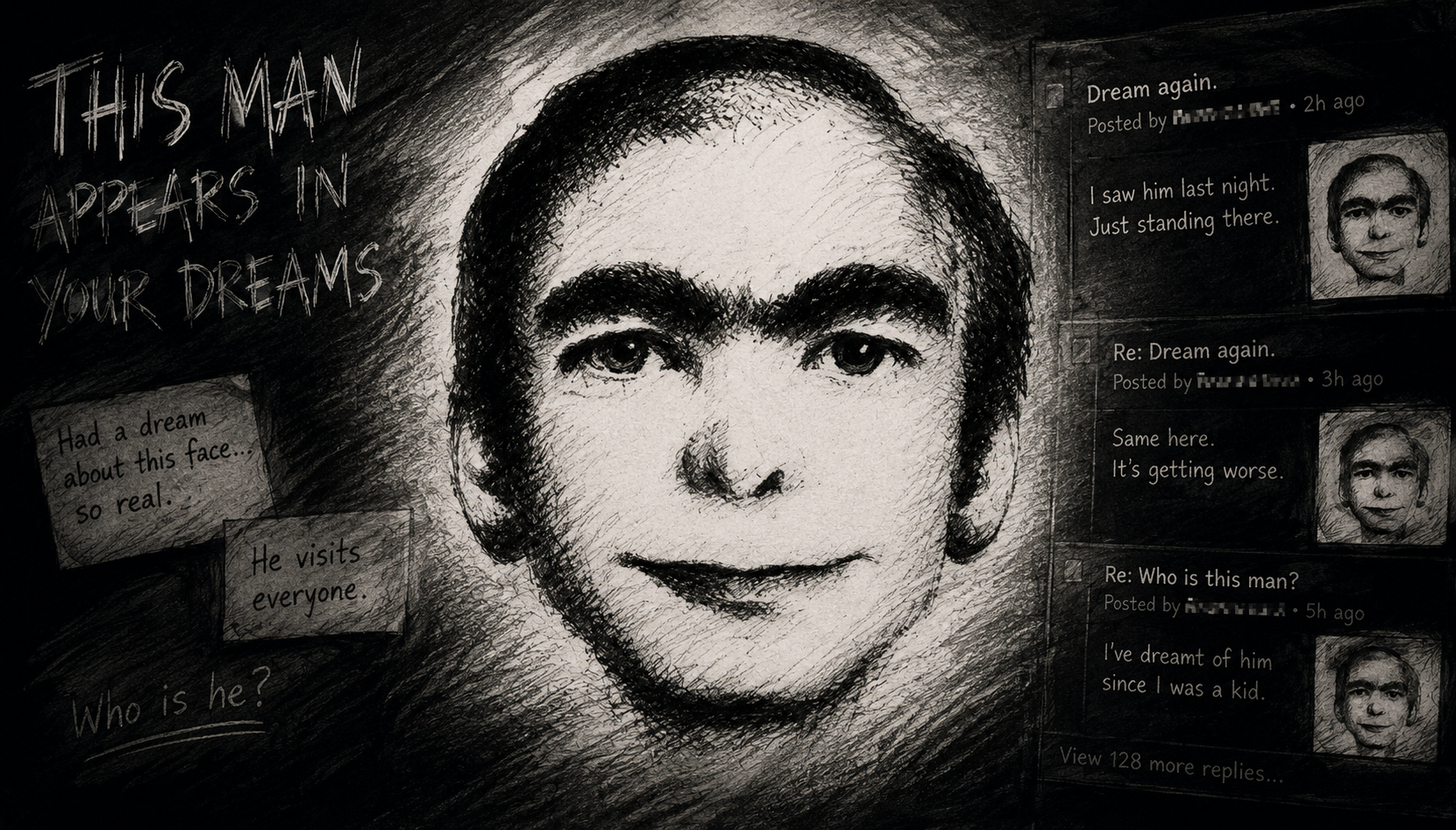
The Man in Everyone's Dreams
In the murky digital realm, a man nobody knew became the face everyone dreamed of. And the reality was even stranger.
Continue the Rabbit Hole
Each story explores the same idea from a different angle. Follow the connections and discover where the thread leads.


Fictional placeholder content