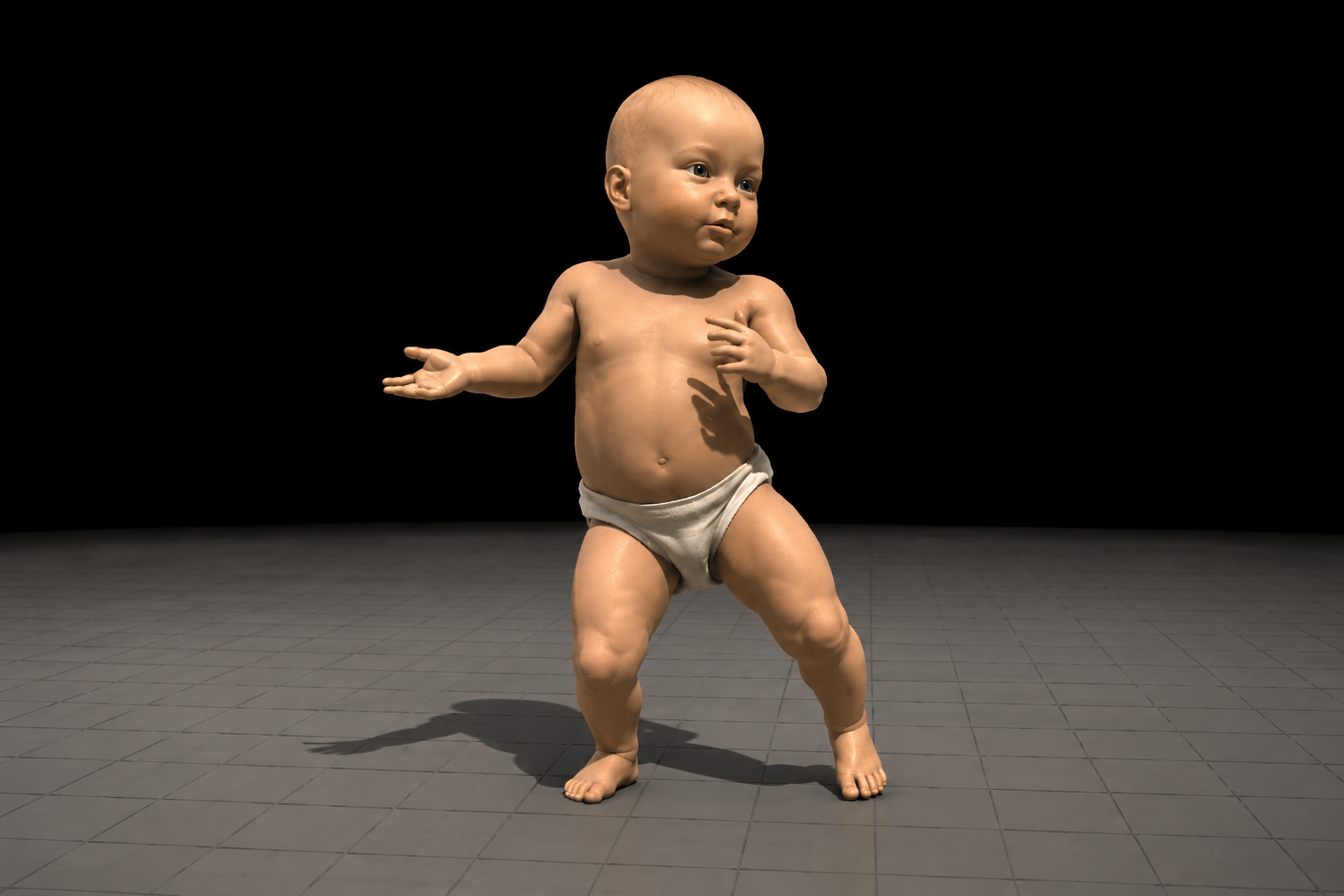
The Dancing Baby that Broke the Internet
"In 1996, a pixelated baby dancing the cha-cha captivated the world. It started as a simple 3D animation but snowballed into a global sensation."
What Happened?
It was the mid-'90s, a time when email was still a novelty, and nobody knew what a viral sensation could be. Out of nowhere, an image flickered onto screens—an uncanny 3D-rendered baby was dancing the cha-cha to Blue Swede’s "Hooked on a Feeling." By the end of 1996, this virtual infant, dubbed the "Dancing Baby" or "Baby Cha-Cha," had infiltrated email chains across the globe.
The creators, Michael Girard and Robert Lurye, had released the baby as a sample file for Autodesk's 3D Studio Max software. Ron Lussier, working at LucasArts, modified this file, propelling it into cyber fame. Without warning, office workers were greeted by this grooving digital toddler bouncing across their screens, a sight both hilarious and bewildering—a testament to the early wild west of internet culture.
Then something unforeseen happened. By 1998, the Dancing Baby found its way onto the TV sitcom 'Ally McBeal,' capturing audiences beyond the tech-savvy and bringing meme culture to mainstream media. Its appearance—which periodically haunted the show’s protagonist in surreal and comedic plotlines—cemented its status as a pop culture artifact.
In retrospect, the Dancing Baby wasn't just the web's silly indulgence; it was the dawn of a narrative we recognize today—about how an idea can spill over into real life, echoing far beyond its original intent. Looking back, it wasn’t just the dance that captivated but the realization of how small, almost accidental creations could ripple into global phenomena. That dancing baby heralded a new era of internet culture, where digital quirkiness became an integral part of daily life.
Takeaway
The lesson this story keeps teaching
“A small, almost accidental creation ignited meme culture, demonstrating the power of digital communication to shape society.”
Why People Are Talking About This
The Dancing Baby wasn't just a meme; it was the future of internet culture revealed. It showed the potential reach and impact of a single piece of digital content at a time when the internet was still a nascent medium.
This phenomenon demonstrated that even unassuming digital miscellanea could find a massive audience, shaping how we view media's power to unify or fragment society. It was a harbinger of the digital communication age we now inhabit.
Thread Map
9 entities · 8 connections · Hover to explore, click to inspect
This is the connection map for this thread. Every node is a person, company, event, or idea. The red lines show how they connect. Hover a node to highlight its connections. Click a node to see why it matters to this story.
How We Got Here
Dancing Baby's First Steps
The Dancing Baby file, originally intended as a 3D animation demonstration within Autodesk's Character Studio, was released. Unbeknownst to its creators, this simple demo would spark one of the first viral phenomena on the internet.
Modification Sparks Virality
Ron Lussier at LucasArts modified the Dancing Baby file; this small tweak and its subsequent circulation transformed the baby into a viral icon. It was distributed via email chains, capturing imaginations across the early internet landscape.
Ally McBeal Debut
The Dancing Baby made its television debut on 'Ally McBeal', further cementing its status as a cultural icon. Its surreal presence on the screen captivated audiences and propelled the character into mainstream consciousness.
Legal Echoes: Lenz v. Universal
The case Lenz v. Universal brought issues of fair use and digital media forward, illustrating tensions born from viral content. Though the case wasn't directly about the Dancing Baby, it echoed the legal complexities of digital reproductions.
Digital Revival
As digital nostalgia grew, the Dancing Baby was fondly recalled, influencing the rise of retro-themed digital art and animations. Its reappearance in various online forms marked its persistent cultural presence.
Memes Enter Academia
The impact of early internet memes like the Dancing Baby began to be studied for their sociocultural significance. Educators and researchers explored their roles in digital communication evolution.
NFT Rebirth
The Dancing Baby entered the NFT market with updated aesthetics, showcasing its adaptability and continued relevance in modern digital spaces. Its release as an NFT symbolized full circle from digital infancy to economic asset.
Meme Culture Recognition
The story and impact of the Dancing Baby were revisited in media retrospectives, solidifying its legacy as a pioneer in meme culture. Such renewed interest underlines the lasting influence of this digital artifact.
Wait... Who Is This?
In the mid-1990s, personal computers were bringing technology into homes at an unprecedented rate, and the internet was a fresh, untamed landscape. Email was just taking off as a tool for quick communication and information sharing, though its potential was not yet fully understood. Against this backdrop, a curious artifact emerged: the Dancing Baby.
Created as a demonstration file by Autodesk's Character Studio, the baby was nothing more than a whimsical project showcasing the possibilities of 3D animation. Yet, it was these very qualities — its charm and simplicity — that allowed it to dance directly and unexpectedly into the limelight of internet culture. With a little help from Ron Lussier at LucasArts, the file was modified and sent into the world, becoming viral in ways nobody anticipated, effectively setting the stage for the digital playground of memes that would soon follow.
Receipts
Same Pattern
Different story. Same lesson.
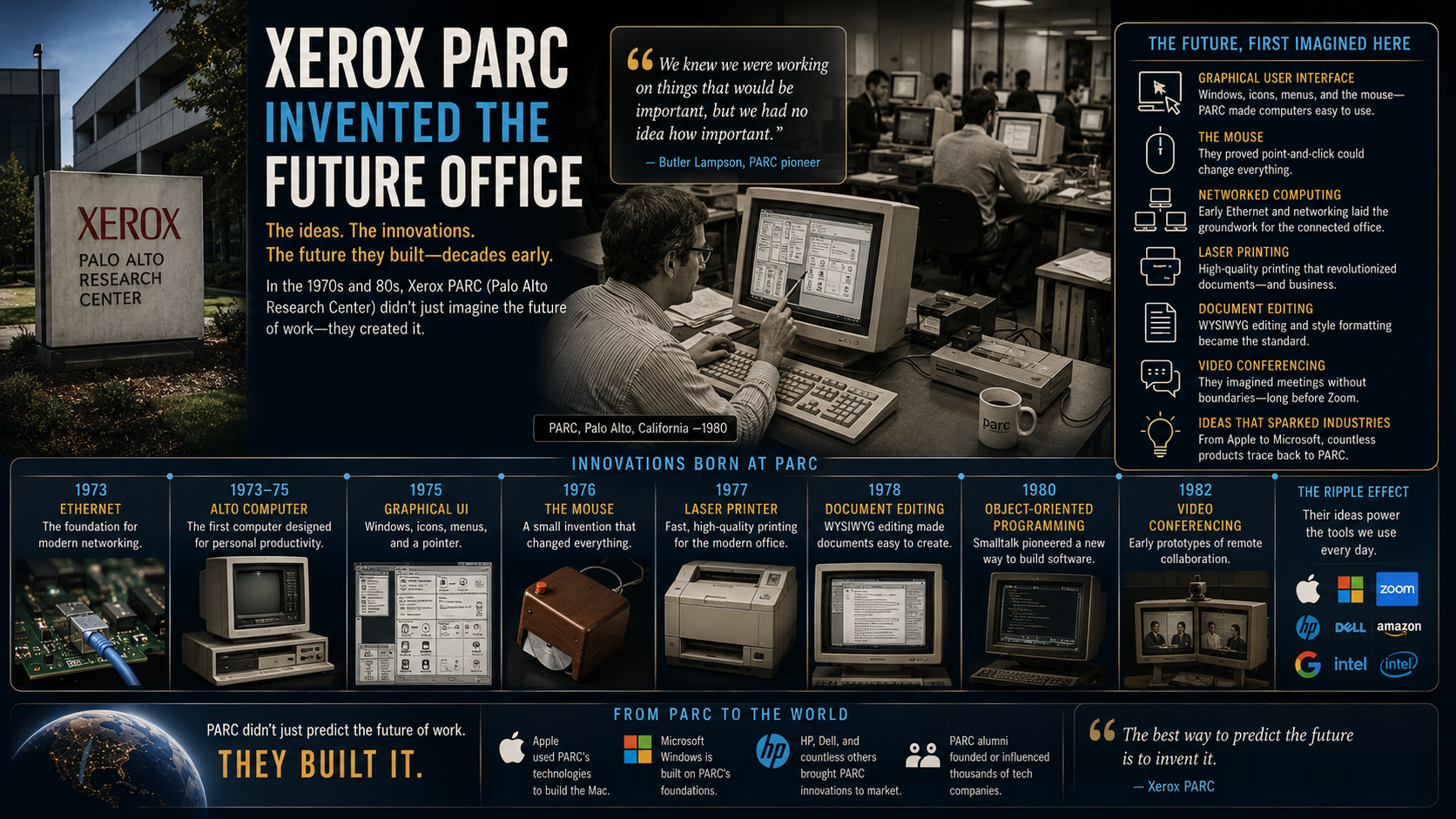
The Lab That Invented Tomorrow
In December 1979, Steve Jobs saw echoes of the future inside Xerox PARC's halls. There, in a secluded lab, lay the blueprint for the modern tech landscape.
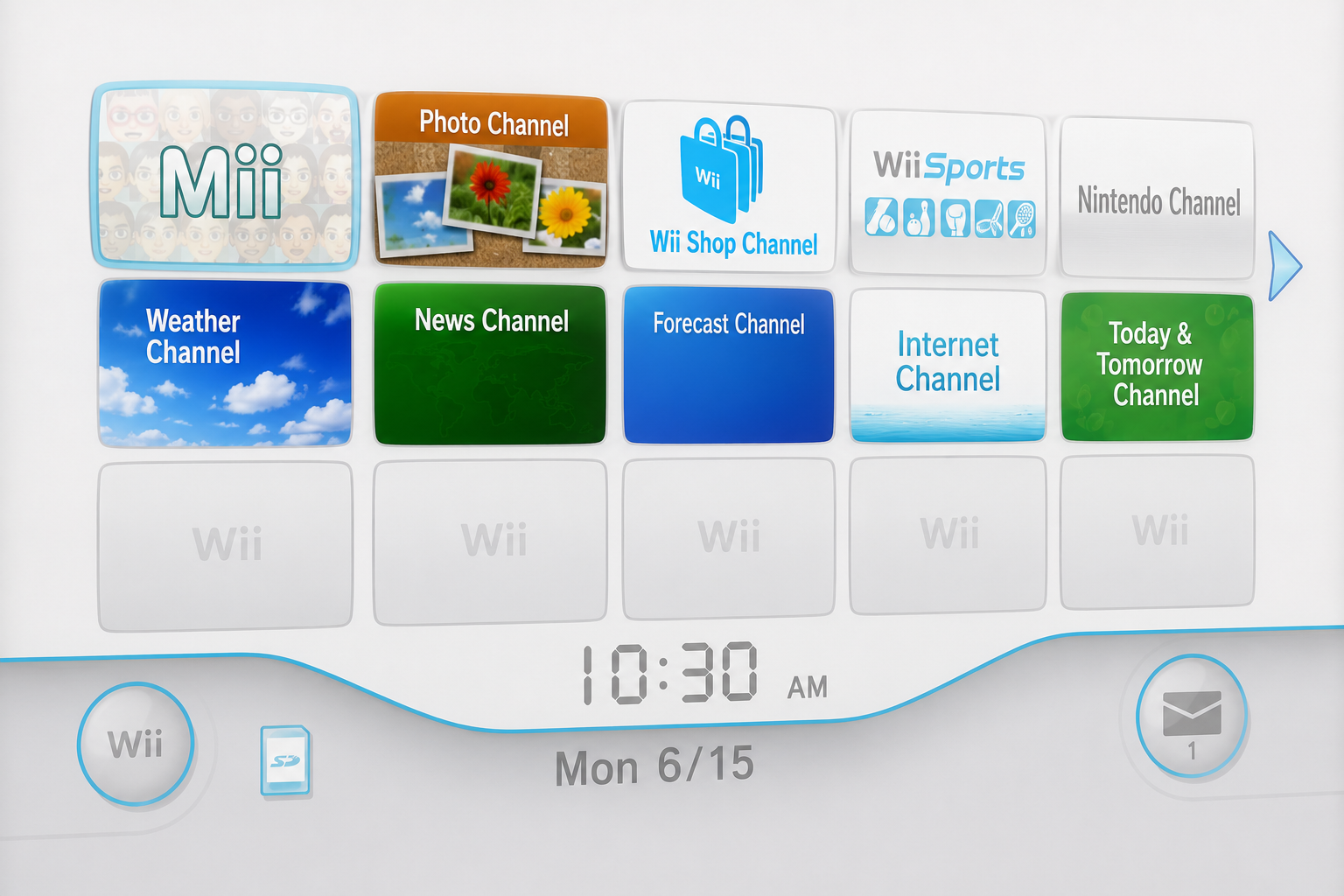
The Wii Gamble That Saved Nintendo
In a world obsessed with graphics and power, Nintendo bet on simplicity. The Wii was laughed at — until it wasn't.
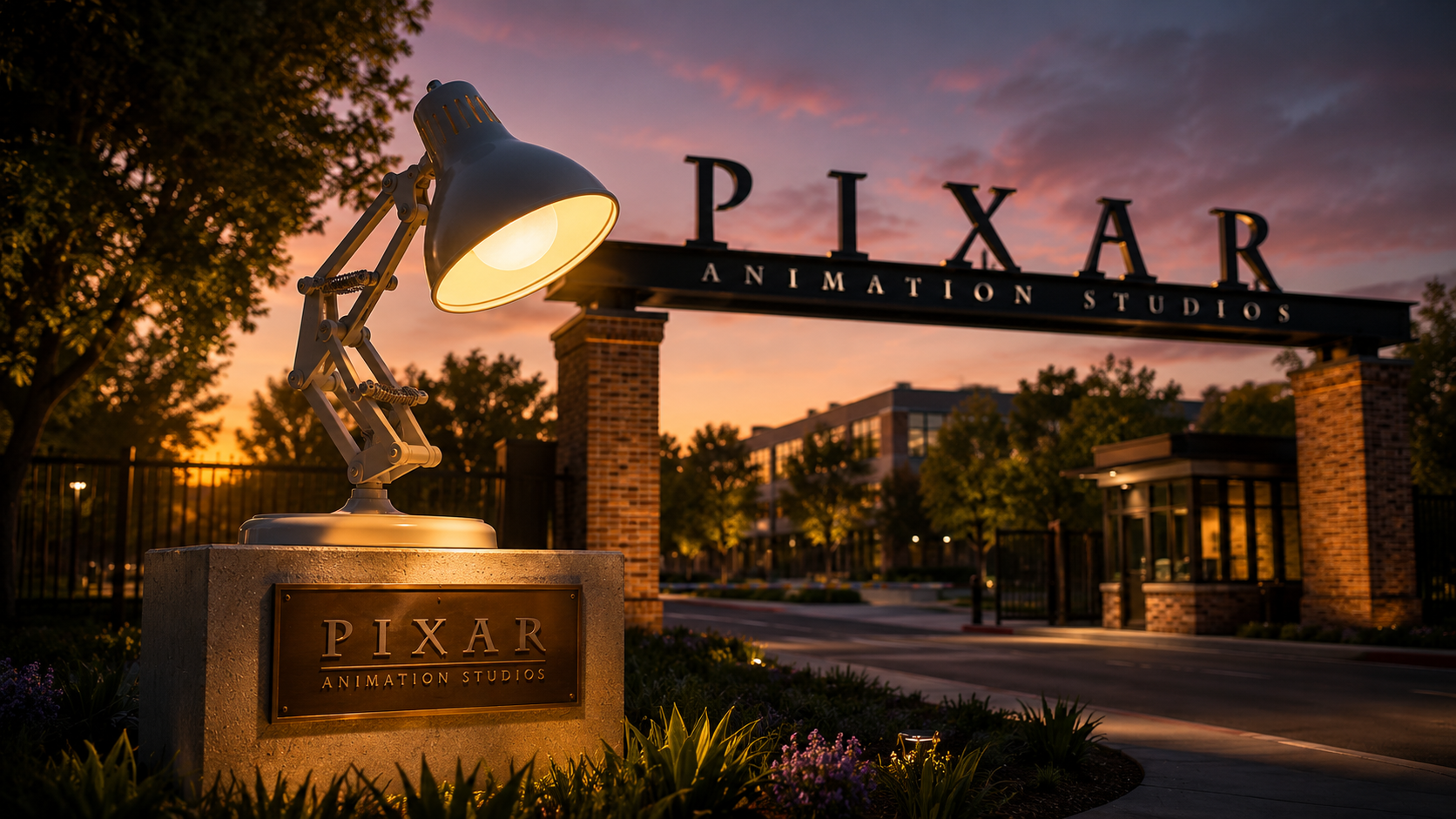
Pixar's Radical Feedback Loop
In a stark, unadorned room, some of the most powerful voices in animation face off with ruthless honesty. Their weapons? Brutal feedback that molds raw ideas into cinematic gold.
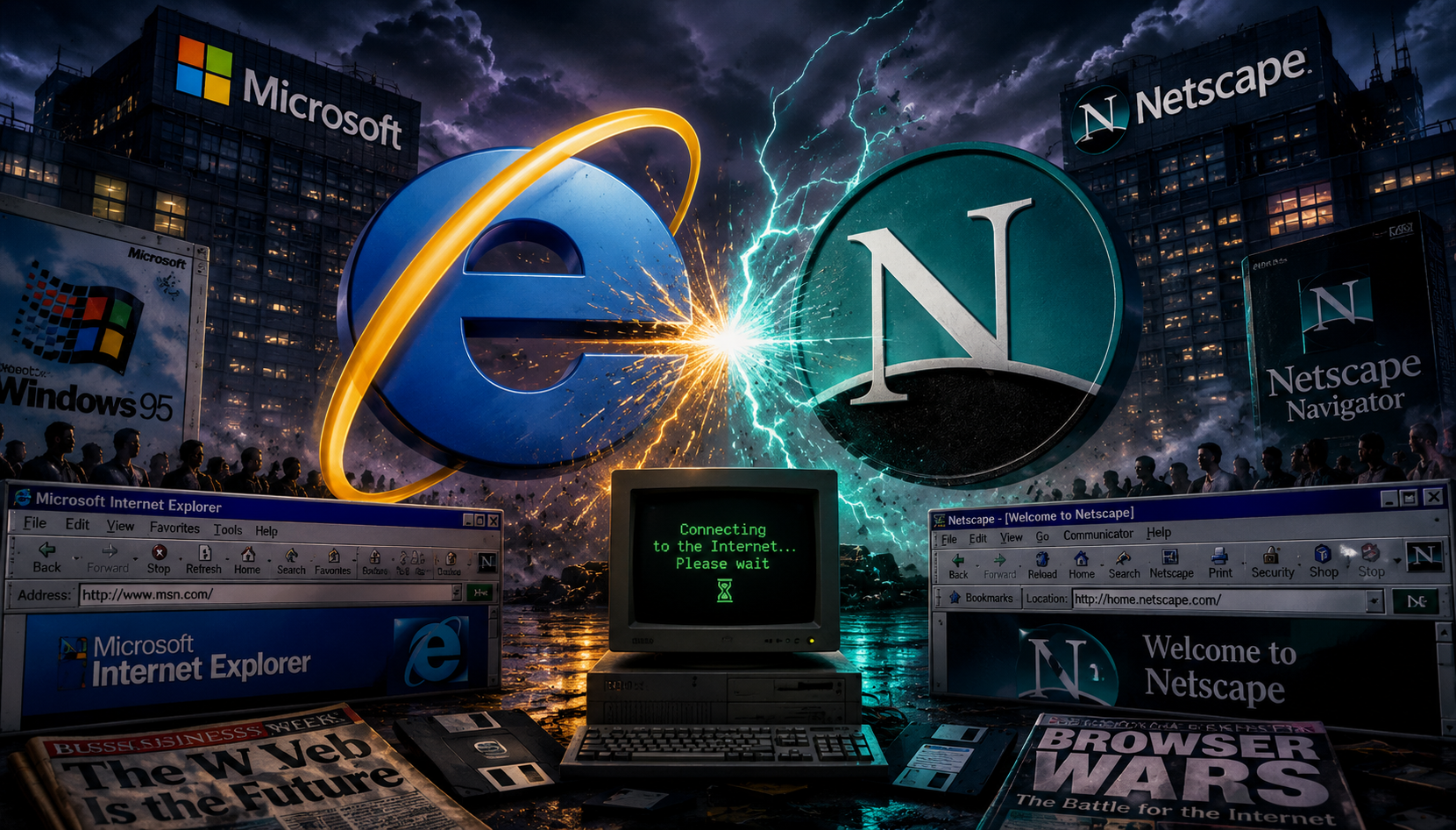
The Browser War That Built the Internet
In the mid-1990s, a software battle erupted that would shape how billions accessed information. Few could predict that the victor would soon face its own downfall.

The Chicken That Changed Retail
Costco's $4.99 rotisserie chicken isn't just a meal — it's a strategic masterpiece. The unexpected ripple effects changed retail forever.
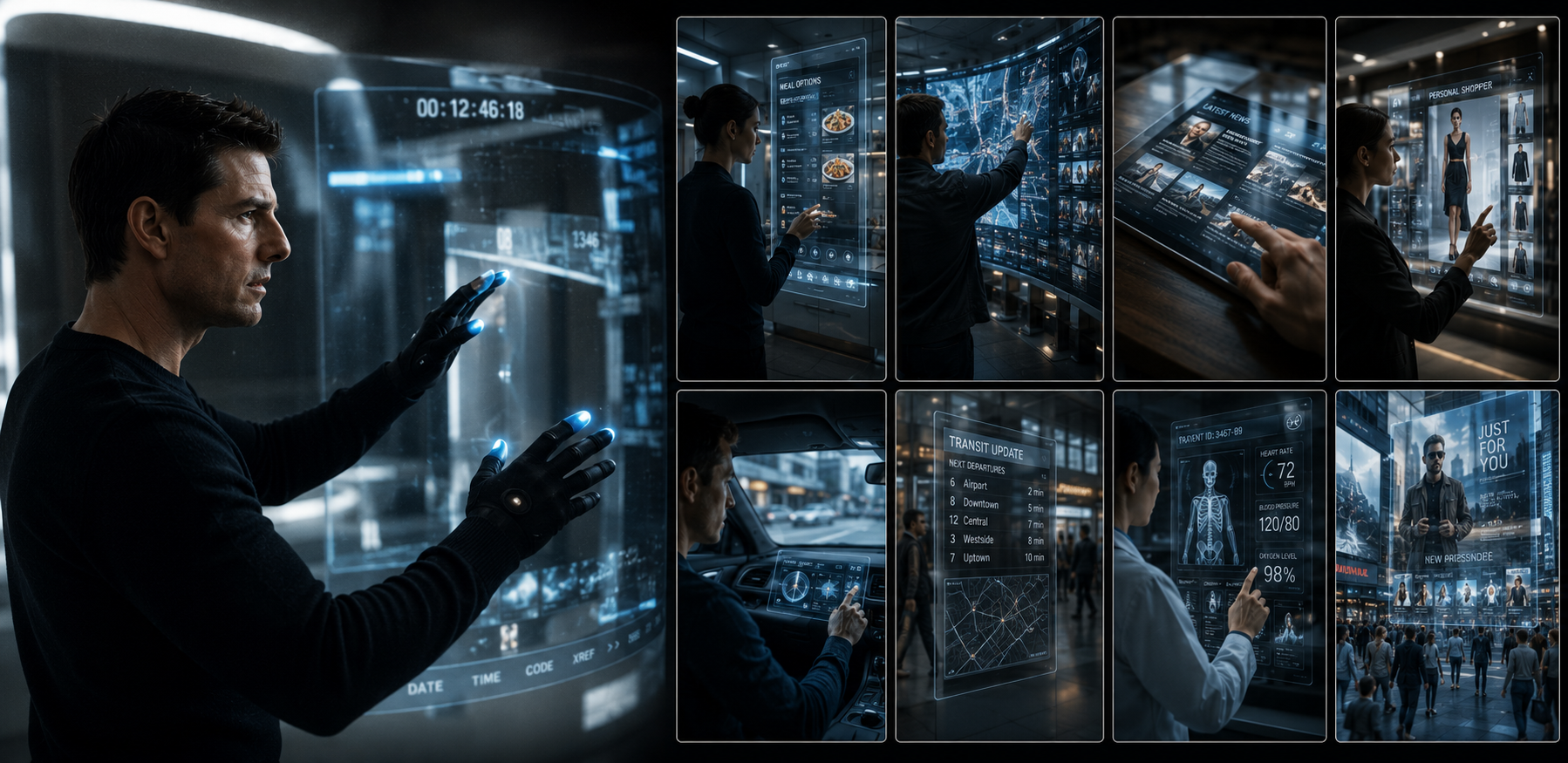
Minority Report's Prescient Touchscreen Reality
In 2002, Hollywood imagined a future of seamless touchscreen interfaces. Today, Steven Spielberg's vision feels eerily prescient as technology catches up.
Continue the Rabbit Hole
Each story explores the same idea from a different angle. Follow the connections and discover where the thread leads.

Fictional placeholder content