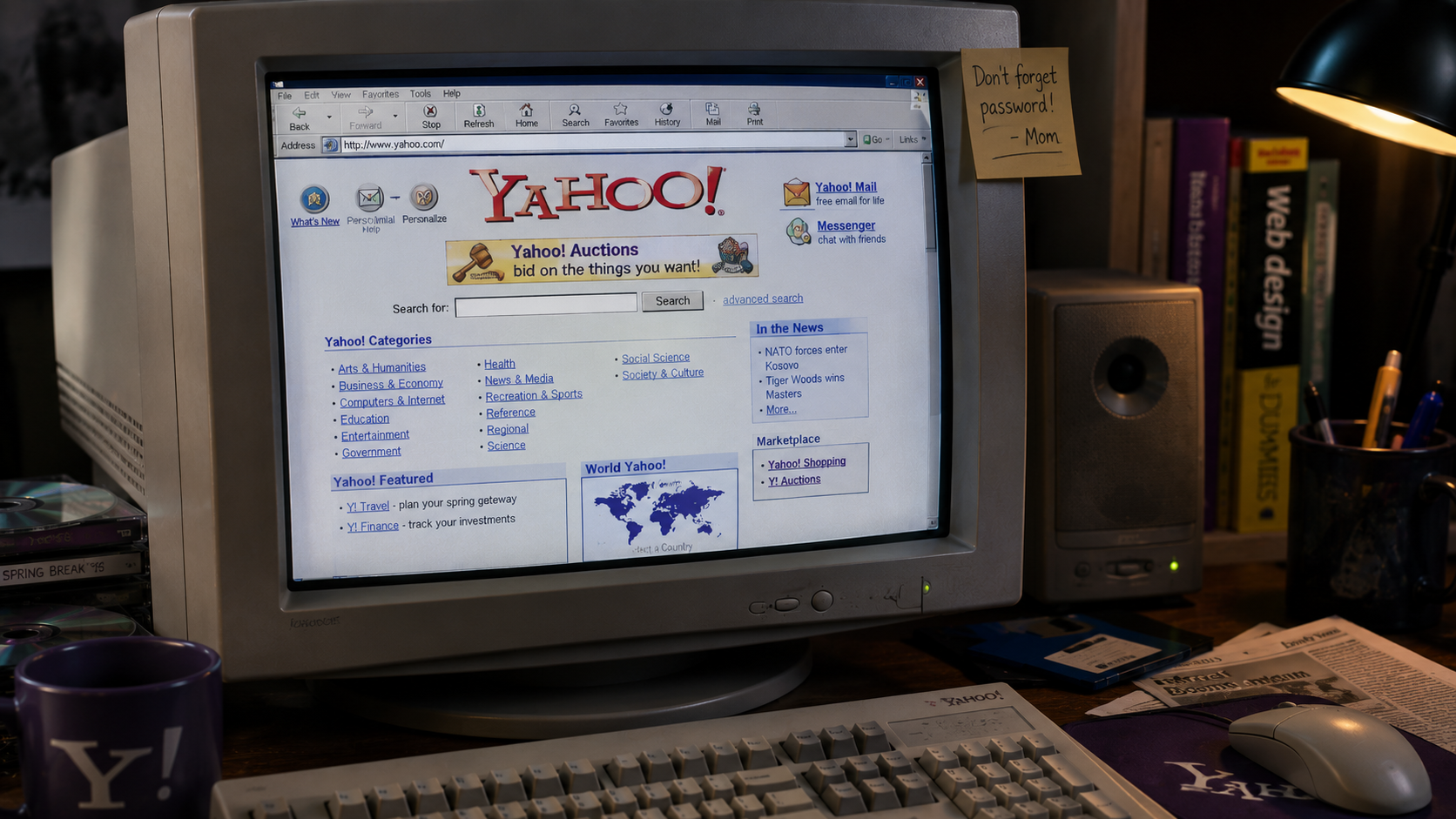
Yahoo's Rise and Fall
"At its peak, Yahoo was the crowned jewel of the internet. Yet a series of missed opportunities and strategic blunders set it on a course to irrelevance."
What Happened?
In the frantic days of early 2000, Yahoo was riding high as an internet pioneer, attracting users by the millions. Yet, behind closed doors, decisions that would catalyze its downfall were already being made. Jerry Yang, Yahoo's co-founder, was faced with a choice: invest in evolving the platform's core technology or chase new opportunities in a fast-expanding web landscape. By 2005, Yahoo had invested $1 billion for a 40% stake in Alibaba, a decision that seemed prudent at the time but later exposed how unfocused Yahoo’s strategy had become.
While rivals like Google were laser-focused on perfecting search algorithms, Yahoo's focus scattered across acquisitions and an unclear vision. Marissa Mayer, one of the seven CEOs in two decades, inherited a company struggling to find a cohesive identity, further undermined by the sale of core patents to shore up finances. In an age when data breaches weren't yet common parlance, Yahoo suffered one of the largest in history, exposing information from all three billion accounts. This not only tarnished its reputation but also led to Verizon acquiring what was left of Yahoo’s once-dominant empire.
The reverberations of Yahoo’s strategic missteps are still felt today. Contrast this with Google’s rise, driven by a clear purpose and consistent innovation, and Yahoo’s decline appears more inevitable. The irony of a once-great internet giant looking for salvation in the digital relics of its past, like Yahoo Mail, is striking. Yahoo became a cautionary tale in adapting to rapid technological shifts, a reminder that giants can crumble when their vision becomes as fragmented as a fading logo.
Takeaway
The lesson this story keeps teaching
“Success can create a false sense of security, leading to stagnation and demise.”
Why People Are Talking About This
Yahoo's decline emphasizes the inherent dangers of staying static in a rapidly evolving tech landscape. Its story reveals how previous success can blind a company to upcoming threats and opportunities alike. In today’s world, adapting is not optional; it's a survival necessity.
Thread Map
9 entities · 8 connections · Hover to explore, click to inspect
This is the connection map for this thread. Every node is a person, company, event, or idea. The red lines show how they connect. Hover a node to highlight its connections. Click a node to see why it matters to this story.
How We Got Here
Yahoo's Founding
Visionary Stanford students Jerry Yang and David Filo created what would be a cornerstone of the early internet. Yahoo was launched from their dorm room as a comprehensive directory in an untamed digital world.
Declining Google's Offer
Yahoo's founders passed on the chance to purchase Google for just $1 million. This decision symbolized Yahoo's confidence, which would later be seen as a monumental missed opportunity.
Launching Paid Inclusion
Yahoo introduced a controversial paid inclusion program for its search engine. This move was met with skepticism and was ultimately discontinued in 2009.
Investment in Alibaba
Yahoo invested $1 billion to acquire a 40% stake in Alibaba, a decision with long-lasting financial implications. This investment would later provide one of the most significant returns for the company.
Massive Data Breach
Yahoo suffered a major security breach, compromising over three billion accounts. It became one of the largest recorded data breaches, significantly damaging Yahoo’s reputation.
Controversy in China
Criticism rain down on Yahoo when it complied with Chinese authorities, handing over user information that led to international protests. This positioned Yahoo at the center of debates on corporate responsibility and human rights.
3 Billion Accounts Compromised
Yahoo disclosed a re-assessment of its 2014 breach. Now, it turned out that the breach affected every single user, undermining trust in Yahoo’s ability to safeguard data.
Verizon Acquires Yahoo
Yahoo’s loss of market presence culminated in its acquisition by Verizon. The deal that finalized at a significant financial markdown symbolized the end of an independent Yahoo.
Wait... Who Is This?
Yahoo emerged in the mid-'90s as a vanguard in the nascent digital revolution. Born in a Stanford University dorm room by Jerry Yang and David Filo, Yahoo was envisioned as a beacon amid the chaotic sprawl of growing web pages. By the time the dot-com bubble took shape, Yahoo had positioned itself as a one-stop portal for a generation stepping into the digital age. It was more than just a search engine; it was an ecosystem for email, news, and social interaction. In a time when the phrase 'internet giant' had yet to become a household term, Yahoo pioneered ways to conquer the frontier. But the tides of digital progression are relentless. While the world adapted and new players took to the stage, Yahoo’s own evolution stagnated. The company started missing key opportunities to innovate and acquire budding powerhouses. As if blinded by its own luminescence, Yahoo stood still while the world around continued to morph rapidly.
Receipts
What Happened to Yahoo
The rise and fall of Yahoo
Yahoo’s decades-long China controversy and the responsibility of tech companies | MIT Technology Review
The tragic demise of Yahoo, the internet’s first great brand – The New Economy
Yahoo's potential financial fallout shows the unexpected impacts of a data breach
Why did Yahoo Fail? The Rise and Fall of a Tech Giant | Enterprise Tech News EM360
Same Pattern
Different story. Same lesson.

The Fall of BlackBerry
In a boardroom once buzzing with innovation, silence filled the air as BlackBerry executives watched Apple's iPhone dismantle their empire one launch at a time.
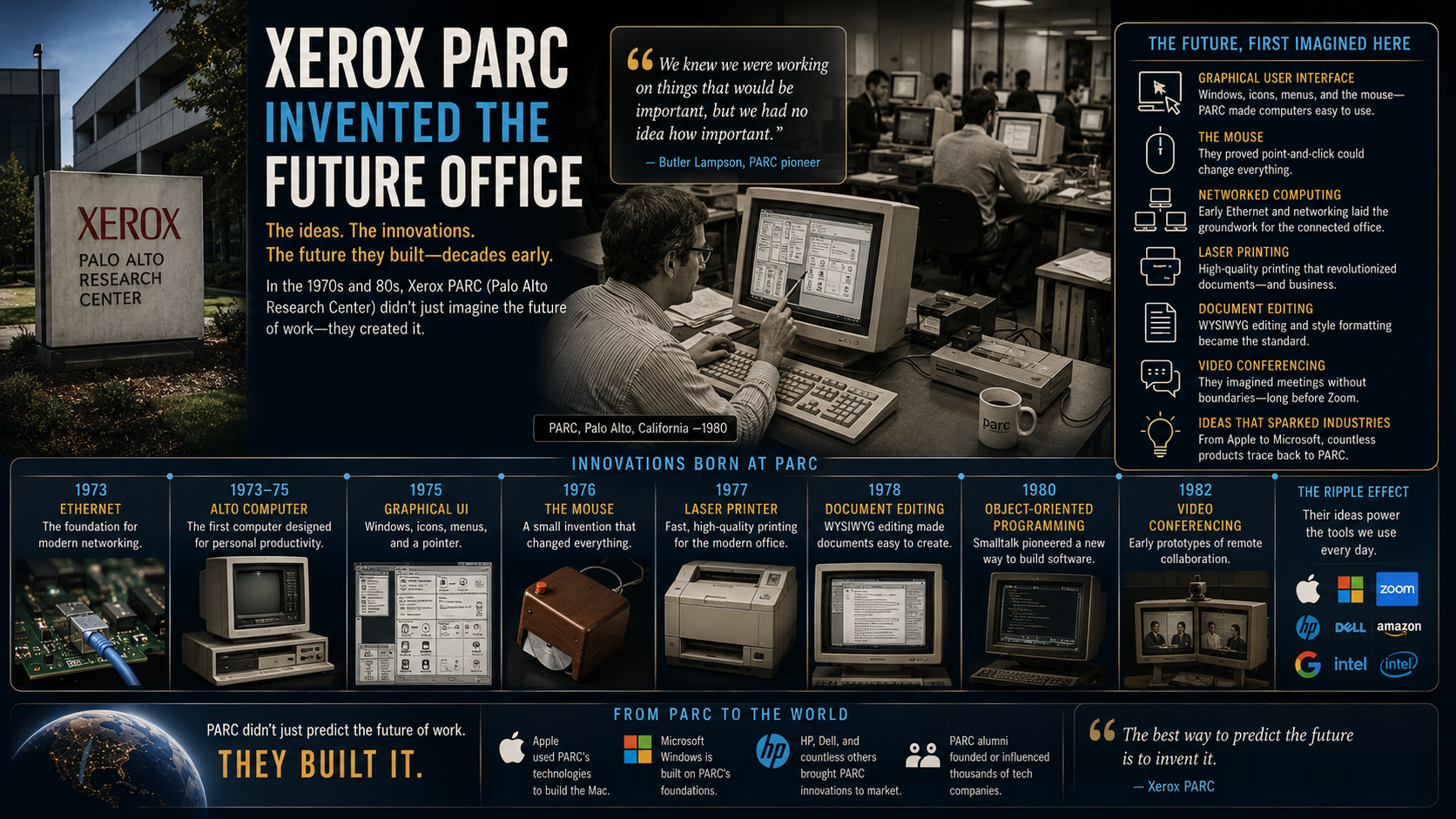
The Lab That Invented Tomorrow
In December 1979, Steve Jobs saw echoes of the future inside Xerox PARC's halls. There, in a secluded lab, lay the blueprint for the modern tech landscape.

The Wii Gamble That Saved Nintendo
In a world obsessed with graphics and power, Nintendo bet on simplicity. The Wii was laughed at — until it wasn't.

Pixar's Radical Feedback Loop
In a stark, unadorned room, some of the most powerful voices in animation face off with ruthless honesty. Their weapons? Brutal feedback that molds raw ideas into cinematic gold.
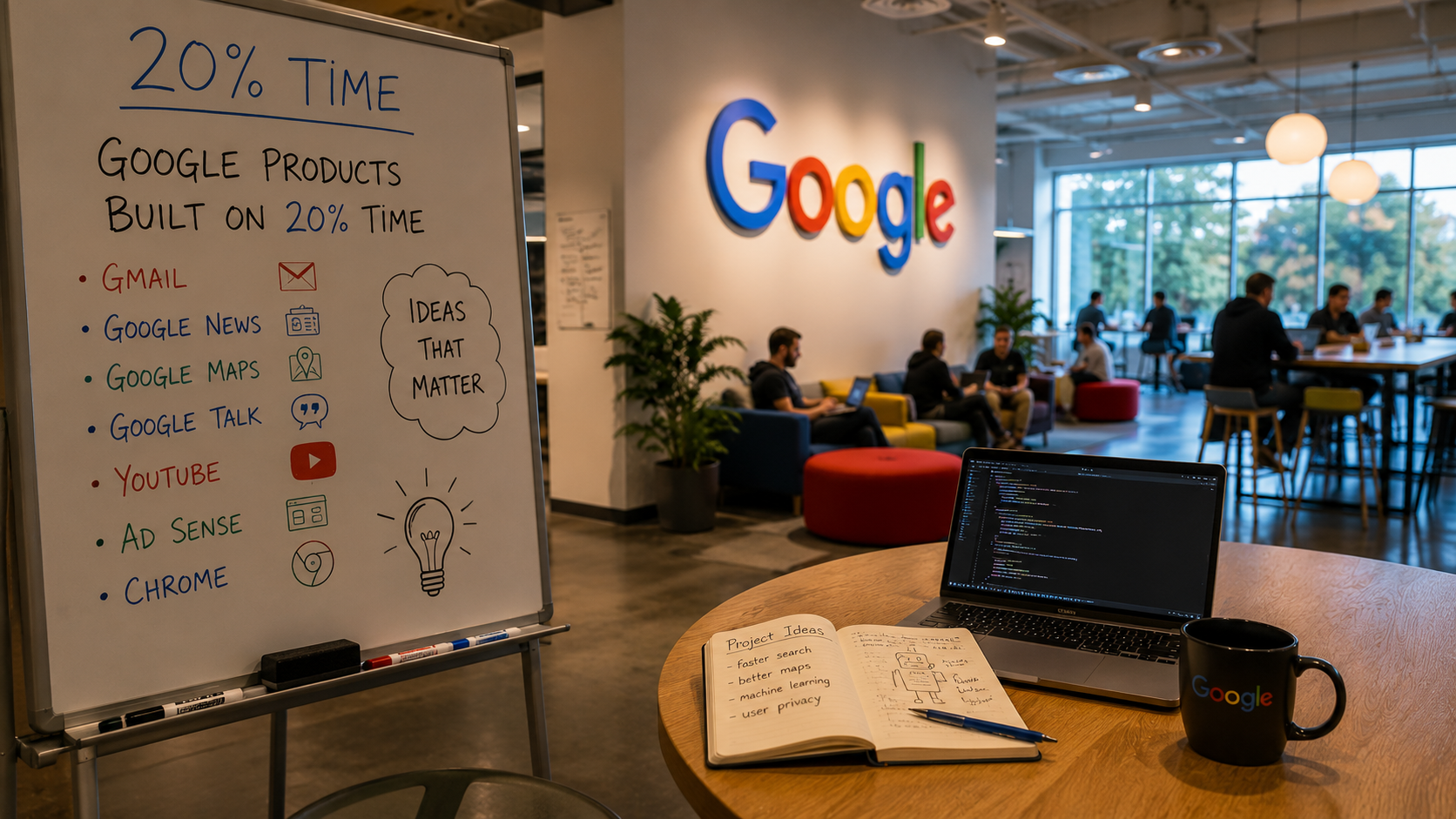
How Google's 20% Time Shaped Innovation
Gmail, the widely-used email service, was born from Google's infamous 20% Time. What else did this unconventional policy unleash?

The iPhone That Disrupted the World
In January 2007, Steve Jobs stepped onto the stage and introduced a device that would redefine the entire world: the iPhone. What seemed like just another gadget launch was, in fact, the dawn of a new era.
Continue the Rabbit Hole
Each story explores the same idea from a different angle. Follow the connections and discover where the thread leads.








Fictional placeholder content