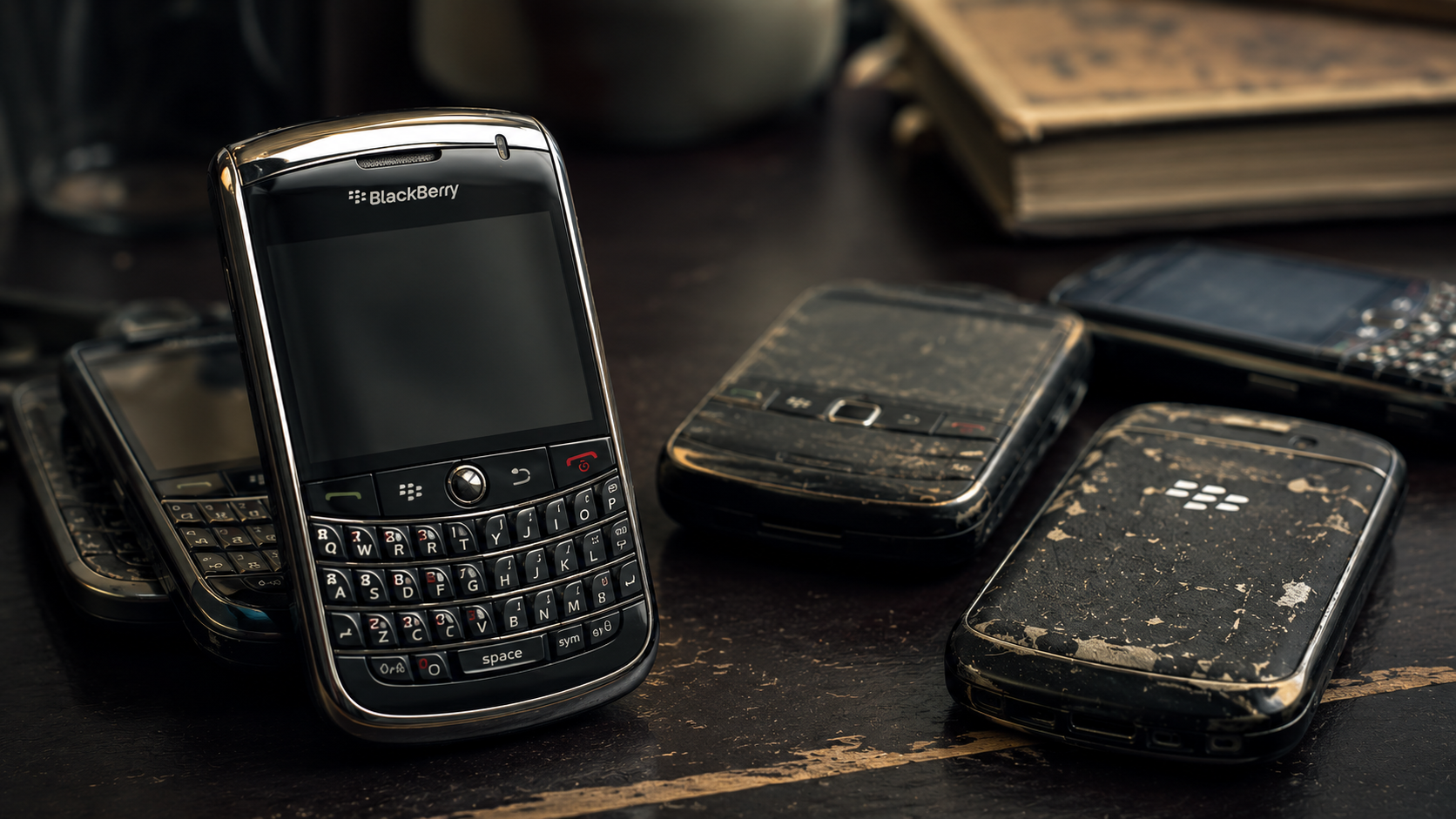
The Fall of BlackBerry
"In a boardroom once buzzing with innovation, silence filled the air as BlackBerry executives watched Apple's iPhone dismantle their empire one launch at a time."
What Happened?
In the bustling heart of Silicon Valley on January 9, 2007, Steve Jobs unveiled the iPhone, promising a seismic shift in how we communicate. A few thousand miles to the north in Waterloo, Canada, a once-dominant giant, BlackBerry, suddenly found its foundation cracking. The tech world was on the cusp of upheaval, and the device that had redefined mobile communication was now staring at its potential obsolescence.
BlackBerry's grip on the smartphone market was formidable—nearly 50% at its zenith. Business titans and world leaders prized its secure email services and tactile QWERTY keyboards. Barack Obama himself refused to relinquish his cherished BlackBerry upon entering the White House. Yet beneath this veneer of success, the seeds of its demise were quietly taking root.
Mike Lazaridis and Jim Balsillie, the architects behind BlackBerry's meteoric rise, embodied an era when innovation meant hardware supremacy. But as competitors like Apple focused on software ecosystems, BlackBerry remained anchored to its physical designs, despite a drastic market evolution. Bold moves such as the release of the touchscreen BlackBerry Storm in 2008 faltered, unable to capture the fluidity and allure of Apple's intuitive design.
As 2013 approached, BlackBerry, now led by John Chen, faced a momentous crossroads. The decision was made to pivot, abandoning device production for software and cybersecurity services, highlighted by the acquisition of Cylance for $1.4 billion in 2018. The shift underlined a broader truth about tech; innovation requires constant evolution, with timing often as critical as creativity.
By taking this path, BlackBerry forged a new identity, shedding its reliance on a packed and perilous market. The lesson? In technology, as in life, sometimes survival and success mean knowing not just when to stand your ground but when to transform entirely.
Takeaway
The lesson this story keeps teaching
“The guardians of market dominance must constantly adapt or risk their past innovations becoming their own downfall.”
Why People Are Talking About This
BlackBerry, once a titan of innovation, serves as a cautionary tale for modern tech giants. Its downfall reveals how failing to adapt to changing markets can lead to loss, no matter how dominant a company once was.
The story highlights the pace of technological change and the need for continual evolution — a crucial insight for any business aiming to survive in today's fast-moving world.
Thread Map
8 entities · 7 connections · Hover to explore, click to inspect
This is the connection map for this thread. Every node is a person, company, event, or idea. The red lines show how they connect. Hover a node to highlight its connections. Click a node to see why it matters to this story.
How We Got Here
Research In Motion Founded
Mike Lazaridis and Jim Balsillie established Research In Motion, forging a path that would soon redefine mobile communication.
BlackBerry's Iconic Status
With the launch of BlackBerry devices equipped with wireless email, the brand became synonymous with corporate efficiency and modern communication.
Apple CEO Unveils iPhone
Steve Jobs introduced the iPhone, a touchscreen marvel, challenging BlackBerry’s dominance and foreshadowing a shift in the smartphone market.
BlackBerry Launches Storm
In response to the iPhone, BlackBerry launched the BlackBerry Storm, their first touchscreen device. However, it was plagued with issues, further hurting their market position.
CEO Change Brings New Hope
Thorsten Heins took over as CEO, tasked with the challenge of revitalizing BlackBerry amid declining sales.
BlackBerry Brand Name Official
BlackBerry shifted from RIM to officially adopting the name BlackBerry, symbolizing a new phase as they launched BlackBerry 10.
John Chen Becomes CEO
John Chen stepped in as CEO, steering the company to a focus on cybersecurity and software services.
Premiere of BlackBerry Movie
The Canadian premiere of a movie detailing the history of BlackBerry, serving as a poignant reminder of the company's dramatic rise and fall.
Wait... Who Is This?
In the technology landscape of the late 1990s and early 2000s, BlackBerry emerged as a disruptor. Co-founders Mike Lazaridis and Jim Balsillie built Research In Motion into a household empire. Renowned for its groundbreaking email on-the-go feature, the BlackBerry device was a testament to efficiency. People could suddenly conduct business anywhere, anytime, no longer tethered to their desktops.
The world embraced BlackBerry smartphones, deeply integrated into corporate cultures and favored by everyone from Wall Street moguls to celebrities. But the very principles that propelled its ascent — a focus on security and communication — would soon become the pillars of its decline. As competitors like Apple began to move toward a touchscreen era, BlackBerry hesitated, trapped within the confines of its own success. It was on that precipice that the story of BlackBerry's rise shifted into one of gradual decline — an empire built on innovation caught unaware by a revolution it helped inspire.
Receipts
The rise and fall of the BlackBerry | BlackBerry corporation | The Guardian
The Rise and Fall (and Rise Again?) of BlackBerry - Digital Innovation and Transformation
BlackBerry and Its Inventors Rose and Fell Spectacularly
The Spectacular Rise and Fall of BlackBerry | Losing the Signal with Jacquie McNish
BlackBerry timeline: From rags to riches to rags to ... | Financial Post
Same Pattern
Different story. Same lesson.
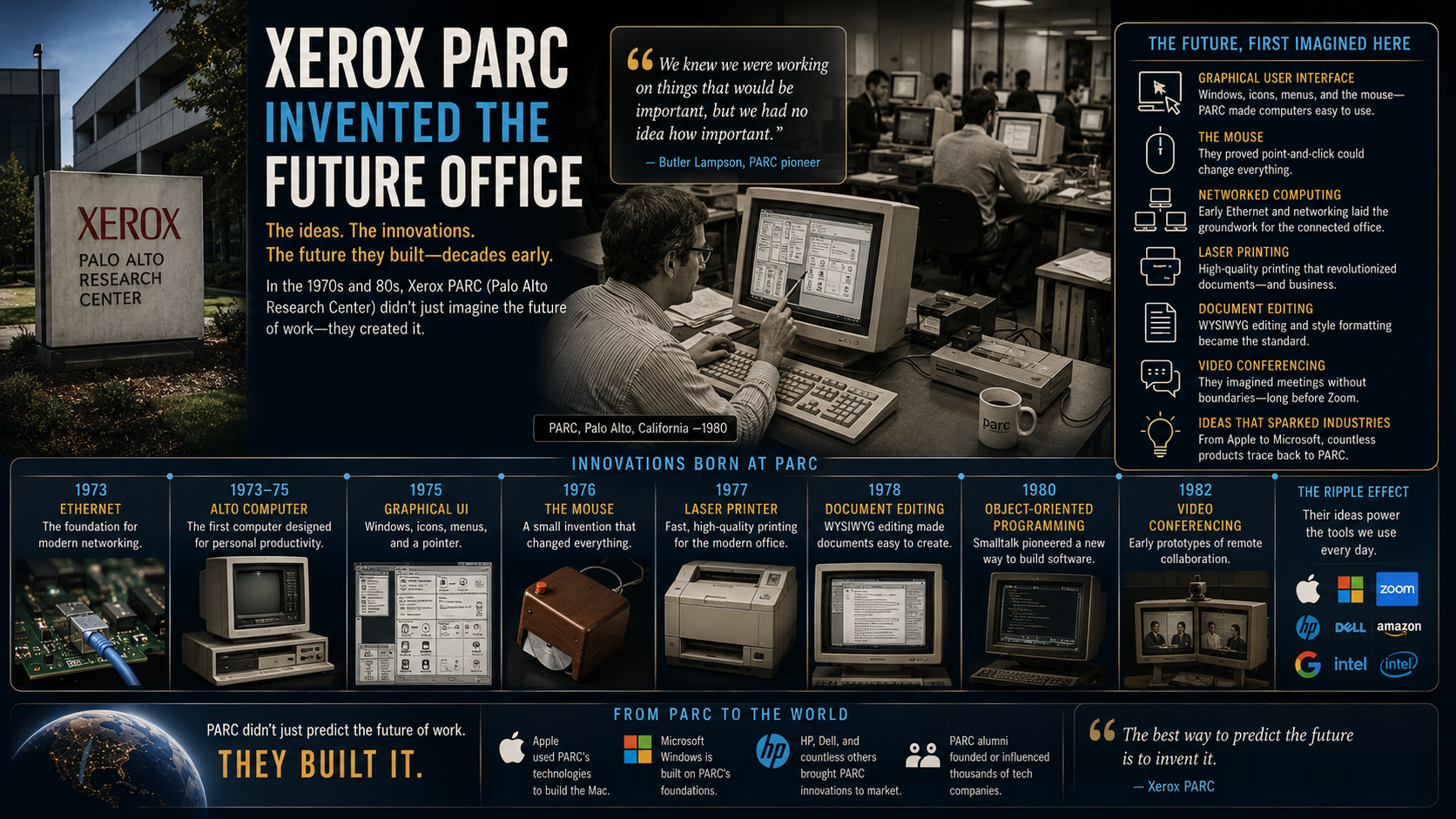
The Lab That Invented Tomorrow
In December 1979, Steve Jobs saw echoes of the future inside Xerox PARC's halls. There, in a secluded lab, lay the blueprint for the modern tech landscape.
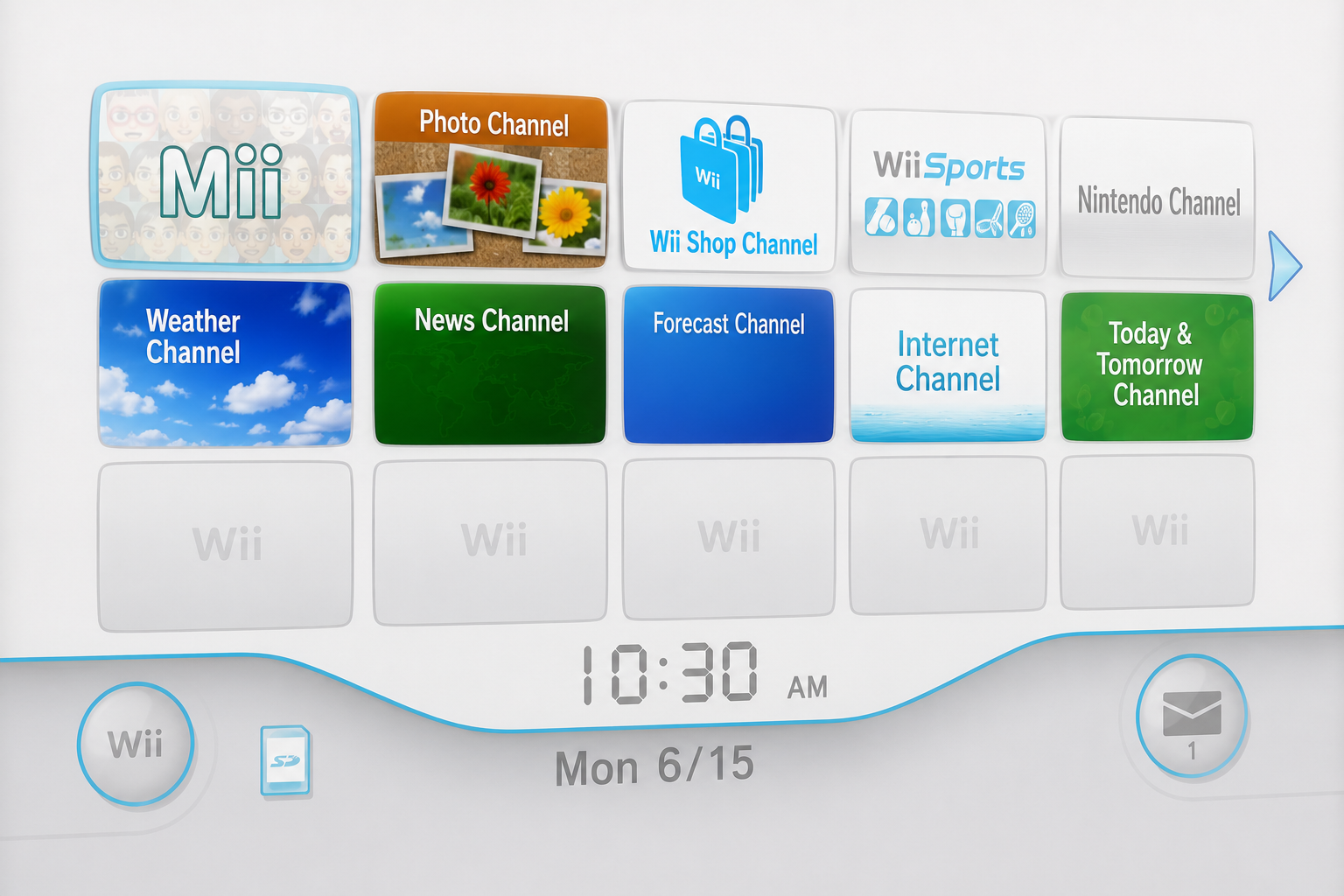
The Wii Gamble That Saved Nintendo
In a world obsessed with graphics and power, Nintendo bet on simplicity. The Wii was laughed at — until it wasn't.

Pixar's Radical Feedback Loop
In a stark, unadorned room, some of the most powerful voices in animation face off with ruthless honesty. Their weapons? Brutal feedback that molds raw ideas into cinematic gold.

Cracking the Cicada Code
In 2012, an enigmatic online puzzle appeared that promised enlightenment. But who was behind Cicada 3301?
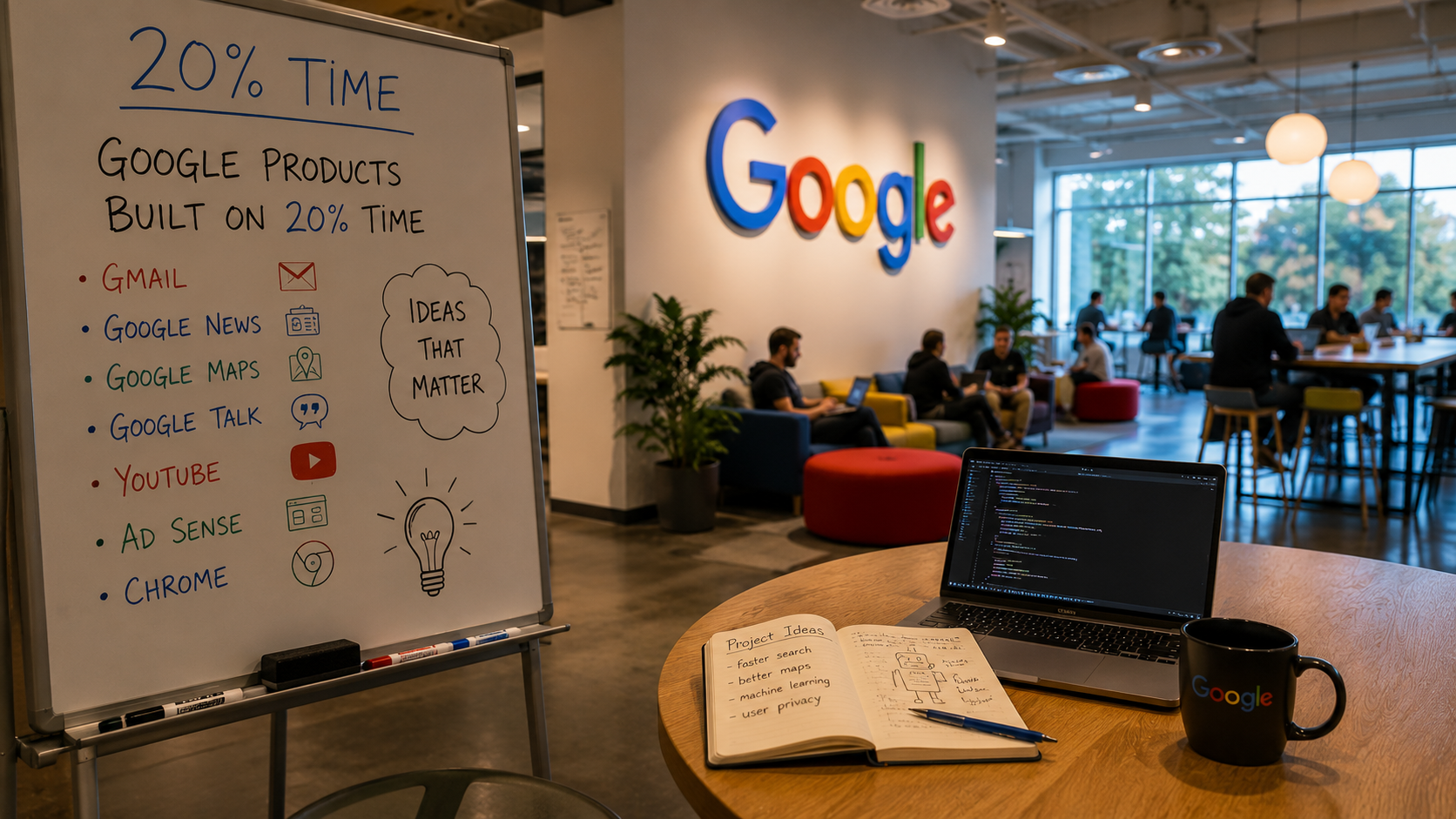
How Google's 20% Time Shaped Innovation
Gmail, the widely-used email service, was born from Google's infamous 20% Time. What else did this unconventional policy unleash?
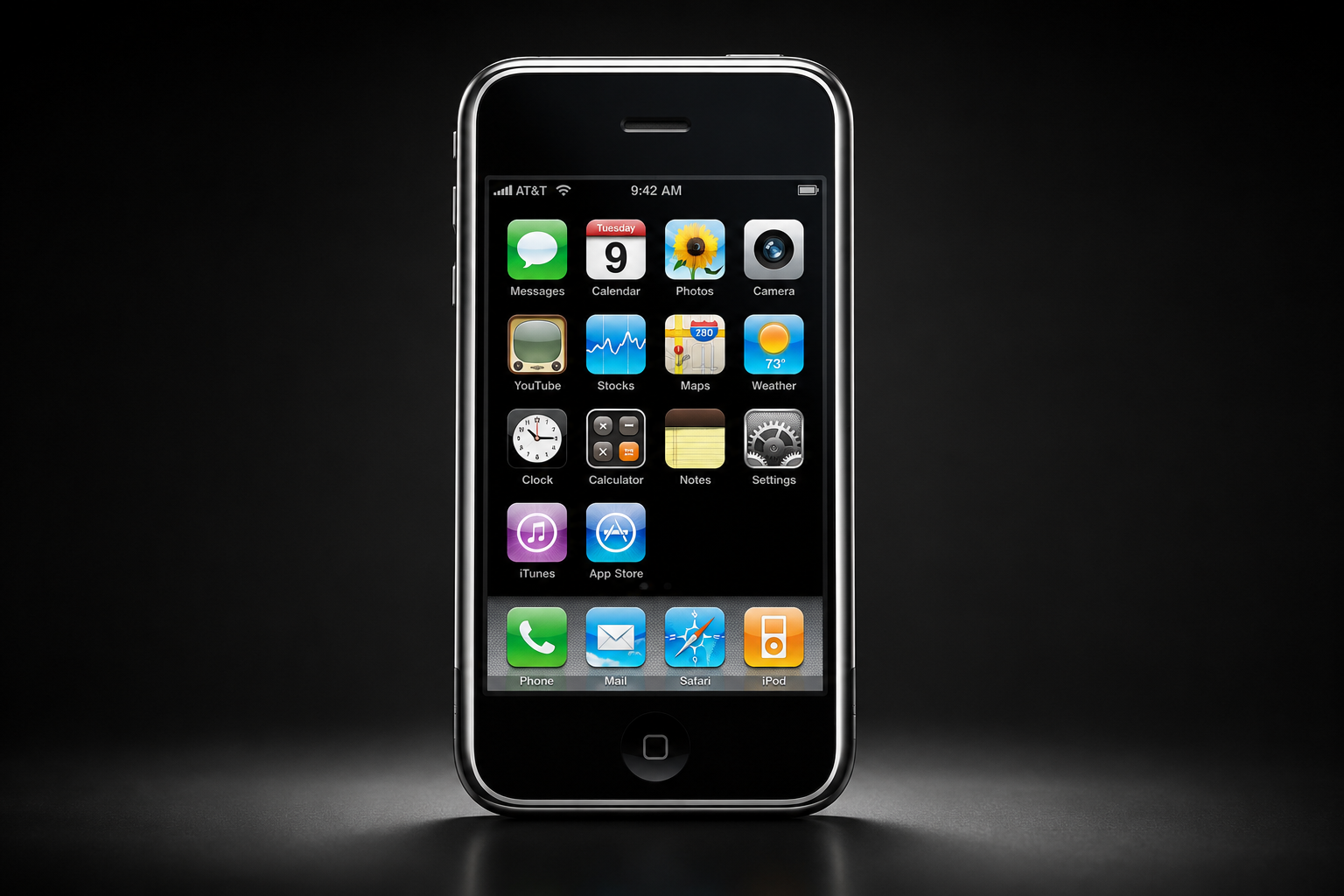
The iPhone That Disrupted the World
In January 2007, Steve Jobs stepped onto the stage and introduced a device that would redefine the entire world: the iPhone. What seemed like just another gadget launch was, in fact, the dawn of a new era.
Continue the Rabbit Hole
Each story explores the same idea from a different angle. Follow the connections and discover where the thread leads.





Fictional placeholder content