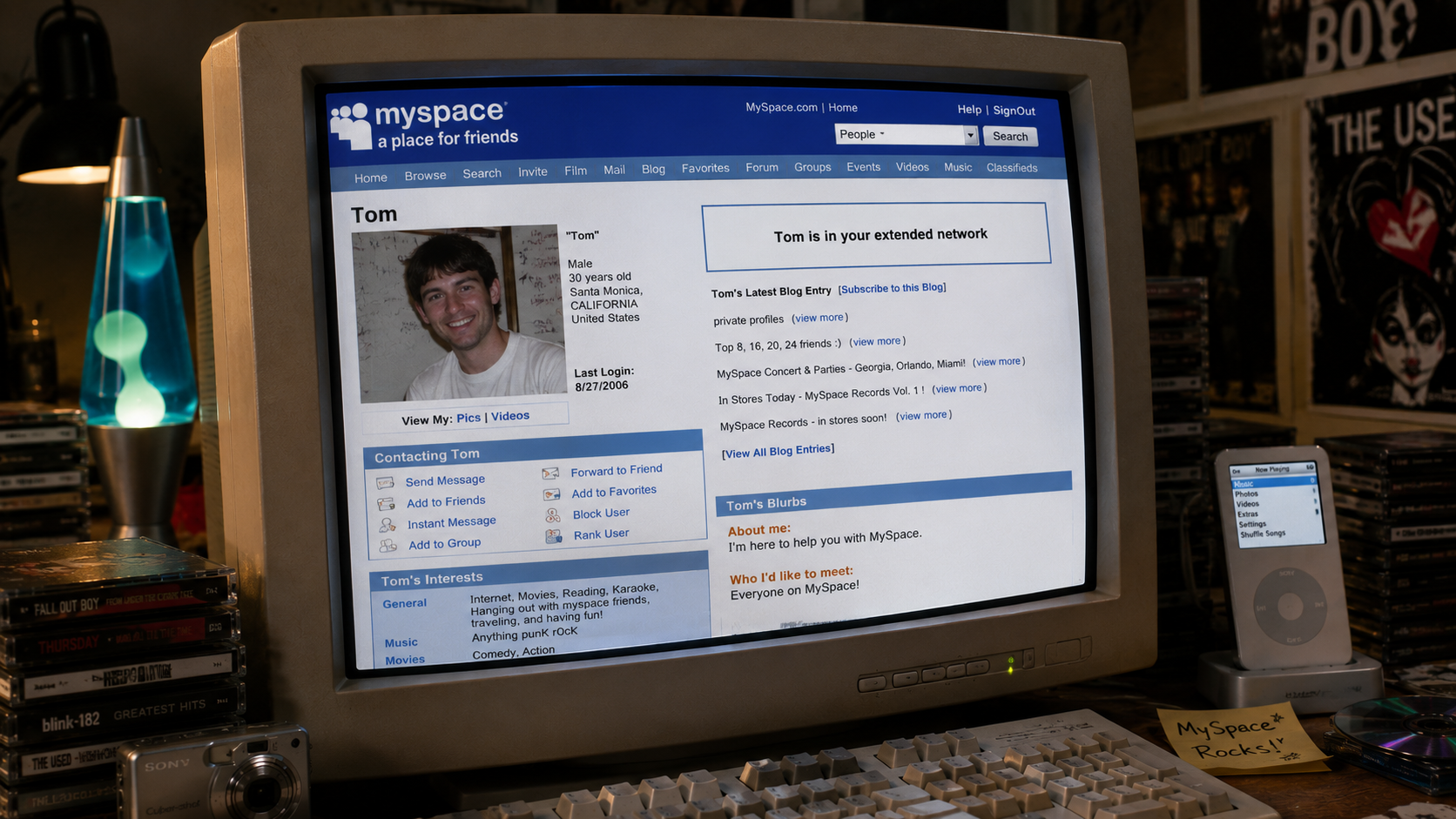
MySpace: The Rise and Fall That Changed Social Media
"In 2006, MySpace was the dominant social media platform, but a mere three years later, its reign ended abruptly. What happened in those pivotal years that turned MySpace from the king of social media to a cautionary tale?"
What Happened?
It's hard to picture now, but there was a time when MySpace was the internet's reigning giant. At its peak in 2006, the platform was the most visited website in the United States, drawing attention from around the globe. How did MySpace go from a small project by Chris DeWolfe and Tom Anderson to a cultural phenomenon and then a cautionary tale?
It all started in 2003 when DeWolfe, a senior at USC, and Anderson, both employed at eUniverse, seized on the idea of a customizable, user-driven social network. Borrowing heavily from Friendster's model, they launched MySpace on August 1st of that year. eUniverse's vast mailing list of 20 million subscribers provided a ready-made user base, propelling MySpace to rapid growth.
In 2005, Rupert Murdoch's News Corporation acquired MySpace for $580 million, hoping to channel the platform's popularity into media dominance. This decision brought massive changes, shifting MySpace's internal culture and priorities. Rapid developments and strategic missteps started to surface. Choices made during this period would soon spell trouble.
As Facebook surged ahead with a cleaner design and a refined user experience, MySpace began to flounder. By 2009, it was clear that the tide had turned. A significant portion of its users moved away, and by 2010, half of its previous base had abandoned ship.
In 2011, Specific Media bought what remained of MySpace for a mere $35 million, a far cry from its glory days. Justin Timberlake attempted a revival in 2013, rebranding the site as a music-centric platform. But the momentum was gone.
MySpace's woes culminated in 2019 with a devastating data loss, erasing 50 million songs and over a decade of digital history, an event that seemed to echo its turbulent journey. In the span of a few years, MySpace had been reduced from an internet behemoth to a footnote in the annals of digital history, a testament to the ruthless pace of technology and the importance of innovation.
Takeaway
The lesson this story keeps teaching
“Dominance can breed complacency in tech, where change is the only constant.”
Why People Are Talking About This
The rise and fall of MySpace teaches us valuable lessons about the tech world. Adaptability is key. Dominance doesn't guarantee permanence in the digital realm.
The demise highlights the fragility of success built on outdated strategies, emphasizing the need to anticipate future trends. As other tech companies vie for market leadership, MySpace's story becomes a cautionary tale for those unwilling to adapt.
Thread Map
10 entities · 9 connections · Hover to explore, click to inspect
This is the connection map for this thread. Every node is a person, company, event, or idea. The red lines show how they connect. Hover a node to highlight its connections. Click a node to see why it matters to this story.
How We Got Here
MySpace Goes Live
Chris DeWolfe and Tom Anderson launched MySpace, capitalizing on eUniverse's infrastructure to create a customizable social networking site that rapidly attracted a young, creative audience.
News Corp Buys MySpace
Rupert Murdoch's News Corporation acquired MySpace for $580 million, believing it could become a lucrative digital property. This buyout marked a shift from organic growth to corporate oversight.
MySpace Reaches Its Zenith
With over 100 million users, MySpace became the most visited website in the United States, surpassing even Google. It was seen as the social networking hub of young culture.
Facebook's Growing Shadow
Facebook's innovative user-friendly design and rapid feature deployment started to attract users in droves, slowly chipping away at MySpace's dominion in the social media world.
MySpace Begins Its Decline
User growth stagnated and then reversed. The site began losing its once-dominant market share to Facebook, triggering a cycle of attempted but unsuccessful reboots.
MySpace Sold for a Bargain
Once valued at nearly $600 million, MySpace was sold to Specific Media and Justin Timberlake for a fraction of its former worth — just $35 million.
Rebrand Attempts with Timberlake
Under new ownership, MySpace attempted to reinvent itself as a music-centered platform with Justin Timberlake at the helm, aiming to recapture its faded cultural relevance.
Massive Data Loss
A staggering data loss incident permanently erased over 50 million songs and years of user-uploaded content, symbolically marking the site’s fading importance.
Wait... Who Is This?
Its 2003, and MySpace is hitting the web. The platform quickly grew from a small project into a digital behemoth. Founded by Chris DeWolfe and Tom Anderson, MySpace soared to the peak of social media, creating a space as limitless as the creativity of its users. Bands found their audiences. Friends shared their lives. A revolution seemed permanent.
Yet entwined within its DNA was the hidden seed of eventual decline. Initial success bred complacency — a focus on monetization over innovation. In 2005 News Corporation purchased MySpace, expecting to transform it into a cash cow. What they miscalculated was the shifting digital landscape.
Meanwhile, Facebook's emergence added pressure. Catering to evolving digital appetites, they offered a cleaner experience leading users away. By 2009, MySpace's glow dimmed as the audience fled. What was once the king now questions how different decisions could have sustained its success.
Receipts
Myspace | Communication and Mass Media | Research Starters | EBSCO Research
Myspace - Wikipedia
The Complete History of Social Media: A Timeline of the | History Cooperative
The Creation, Rise, and Fall of Myspace – Cultural History of the Internet
MySpace: The Rise and Fall of the Last Creative Social Network
The rise and fall of MySpace - DEV Community
Same Pattern
Different story. Same lesson.
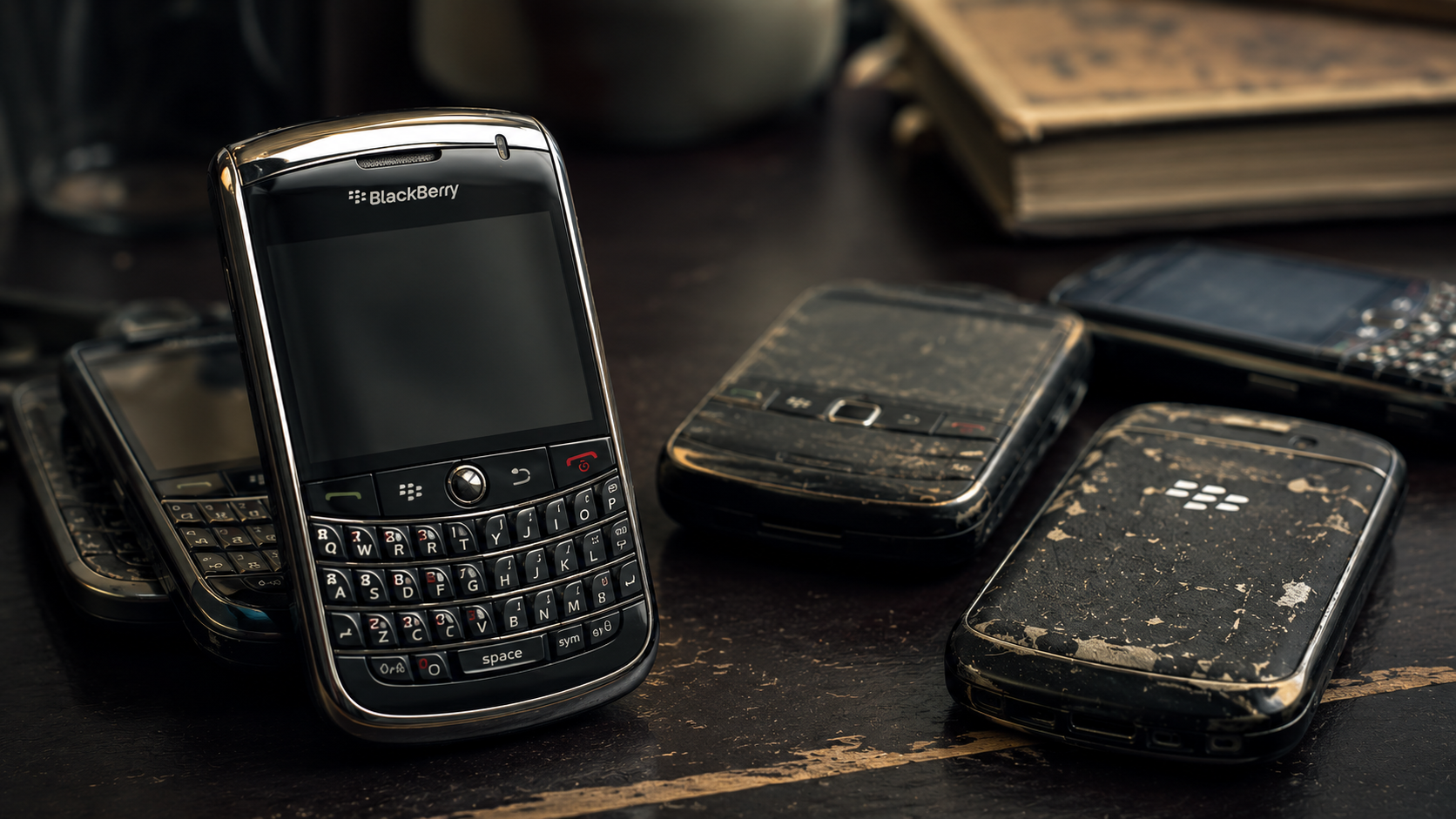
The Fall of BlackBerry
In a boardroom once buzzing with innovation, silence filled the air as BlackBerry executives watched Apple's iPhone dismantle their empire one launch at a time.
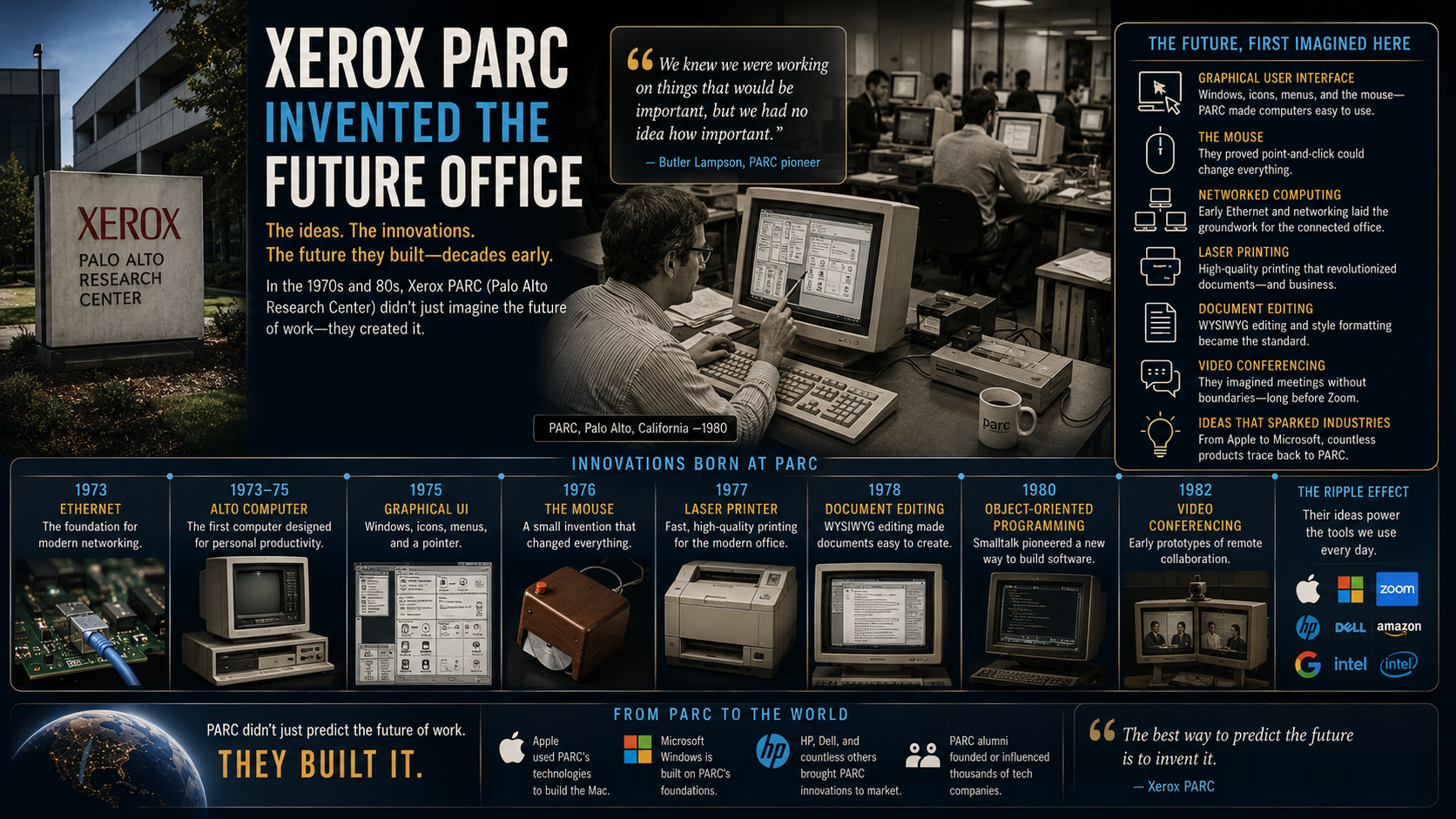
The Lab That Invented Tomorrow
In December 1979, Steve Jobs saw echoes of the future inside Xerox PARC's halls. There, in a secluded lab, lay the blueprint for the modern tech landscape.
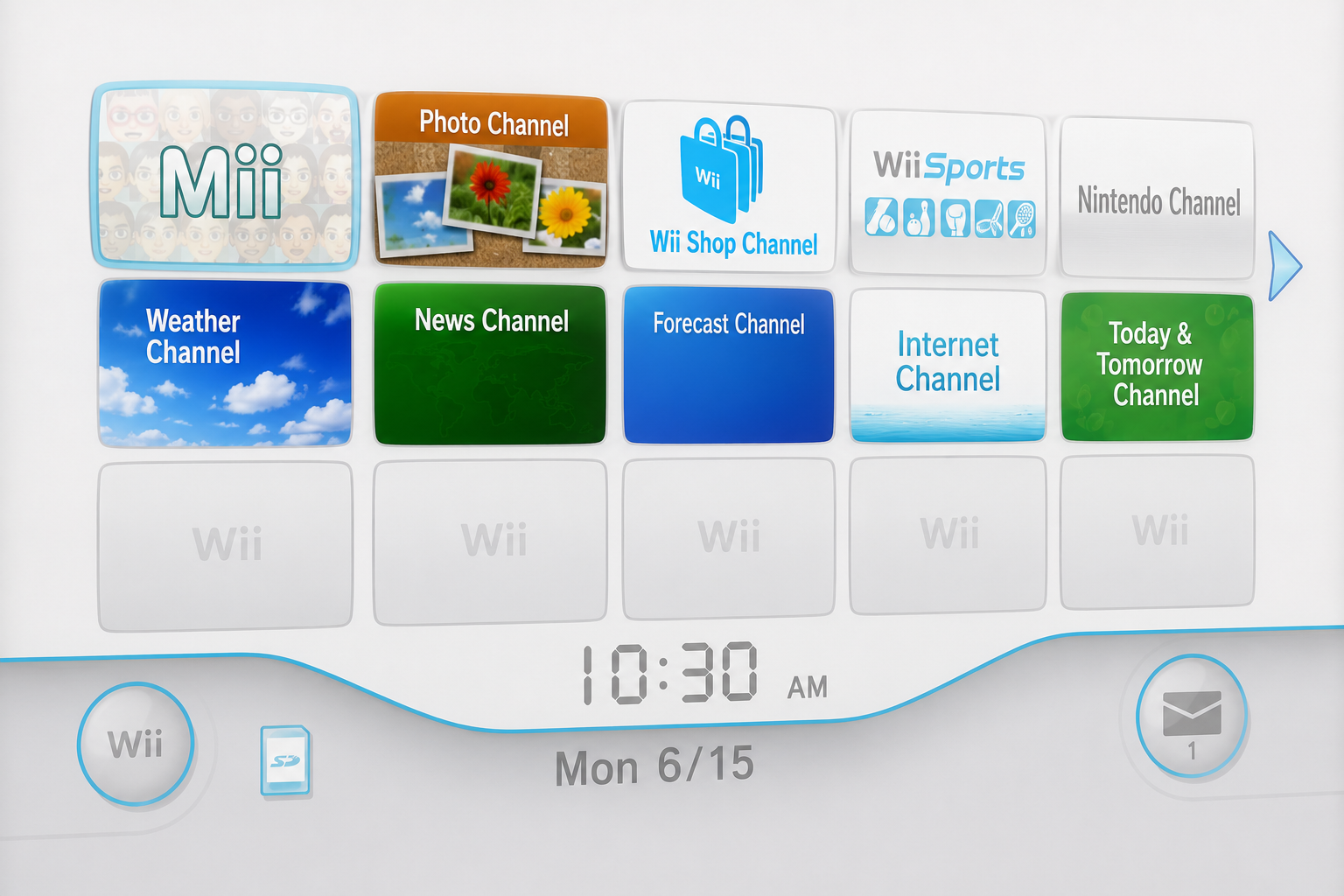
The Wii Gamble That Saved Nintendo
In a world obsessed with graphics and power, Nintendo bet on simplicity. The Wii was laughed at — until it wasn't.
Pixar's Radical Feedback Loop
In a stark, unadorned room, some of the most powerful voices in animation face off with ruthless honesty. Their weapons? Brutal feedback that molds raw ideas into cinematic gold.
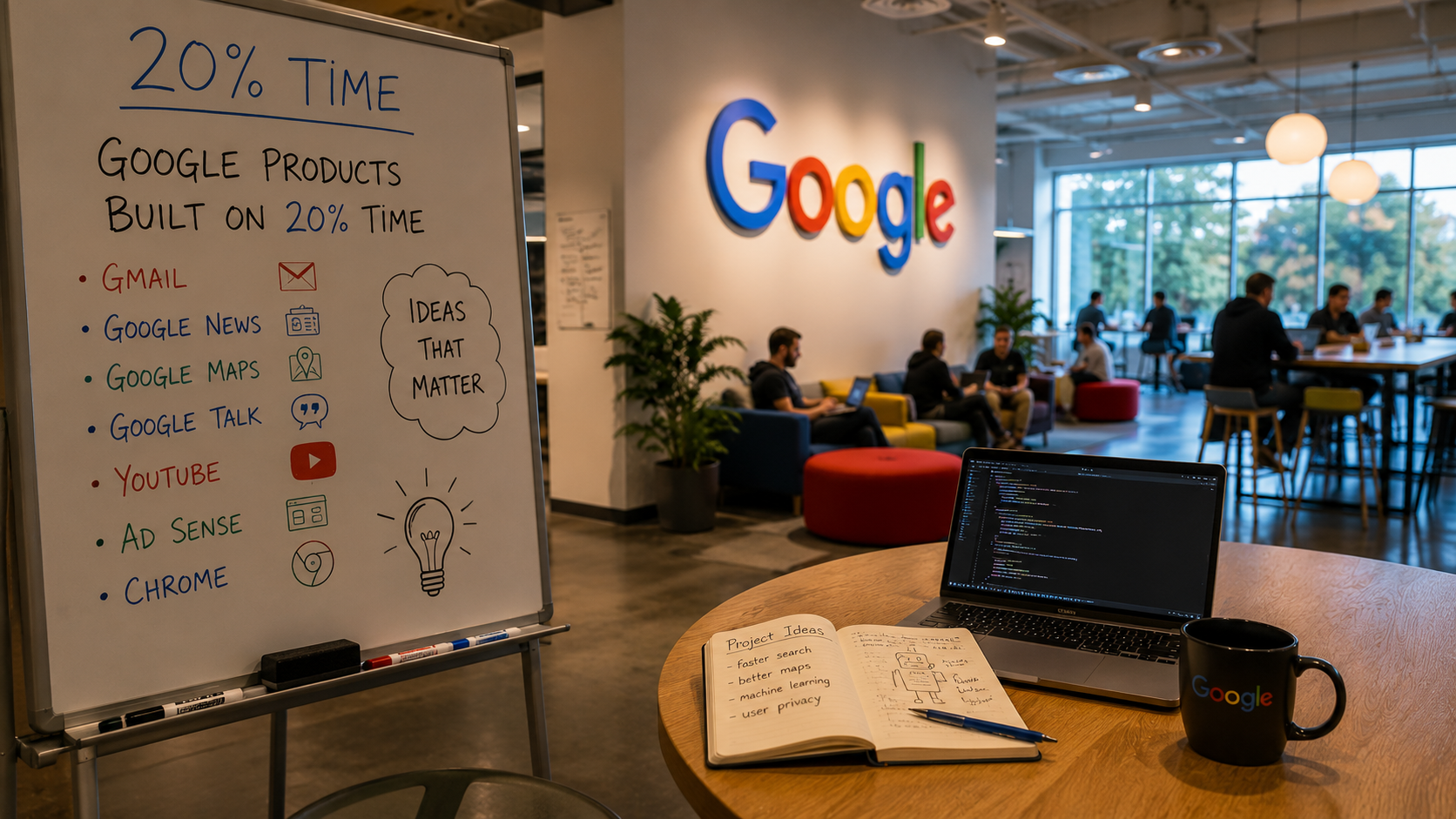
How Google's 20% Time Shaped Innovation
Gmail, the widely-used email service, was born from Google's infamous 20% Time. What else did this unconventional policy unleash?
The iPhone That Disrupted the World
In January 2007, Steve Jobs stepped onto the stage and introduced a device that would redefine the entire world: the iPhone. What seemed like just another gadget launch was, in fact, the dawn of a new era.
Continue the Rabbit Hole
Each story explores the same idea from a different angle. Follow the connections and discover where the thread leads.



Fictional placeholder content