Pontiac's Last Gasp
"In the final days of Pontiac, as the iconic brand gasped for breath, the G8 was hailed as its savior. But something unexpected happened."
What Happened?
The showroom lights glared off the pristine hood of the last Pontiac G6, a ghostly Summit White finish that seemed to highlight its status as both relic and symbol. In the throes of General Motors’ massive restructuring, Pontiac, a brand synonymous with American muscle and speed, was made redundant. The final decision hammered down—Pontiac was finished. By 2010, the 82-year saga came to a quiet end on the assembly line, leaving this unremarkable sedan as the closing chapter to a storied history.
But no one expected the swan song would be mundane. Behind closed doors, executives had once whispered dreams of resurrection; a 2008 G8 GXP had roared onto the scene, bucking like a last stand amidst the industry’s shift towards austerity. This vehicle was no ordinary car—it was Pontiac’s last true beast, pushing 415 horsepower and channeling the spirit of its glory days.
Bob Lutz, the influential GM executive known for reviving brands and dreams, had seen a future in the Pontiac G8. He believed it could return the brand to its performance roots. Yet, even his fervor was not enough to alter the course set by fiscal emergencies and changing consumer preferences.
As the final G6 rolled out of the Orion Assembly Plant, amidst rumors and misapprehensions of its destruction, the last note had already played. The rumbles that once fueled a rebellious spirit were now echoes, faded into an era rapidly overtaken by hybrids and efficiency.
Pontiac’s tale might read like a tragedy of lost potential. Yet, the G8 GXP that shamed Mustangs stands as a testament to what might have been—a reminder of the audacity that once defined a generation of cars.
Takeaway
The lesson this story keeps teaching
“Prestige and brand loyalty often blind companies to market shifts, sealing their fate in an evolving landscape.”
Why People Are Talking About This
When Pontiac succumbed, it highlighted the dangers of resting on laurels in an evolving market. It revealed a harsh truth: legacy brands must constantly innovate or risk obsolescence, no matter their history.
Pontiac's closure marks a strategic lesson for businesses, showing that adapting to changing consumer preferences is crucial. The iconic brand is a cautionary tale about the allure and limits of nostalgia.
Thread Map
6 entities · 5 connections · Hover to explore, click to inspect
This is the connection map for this thread. Every node is a person, company, event, or idea. The red lines show how they connect. Hover a node to highlight its connections. Click a node to see why it matters to this story.
How We Got Here
Pontiac Axes Iconic Firebird
The Firebird, a symbol of Pontiac's muscle car heritage, is discontinued. Despite its storied past, declining sales and a saturated market spelled its end.
Pontiac Vibe Hits the Market
Pontiac attempts to shift gears with the Vibe, a compact wagon built in partnership with Toyota. It marks a deviation from heavy performance, aiming to meet contemporary consumer tastes.
The G8 Unveiled in Chicago
Bob Lutz introduces the 2008 Pontiac G8 at the Chicago Auto Show. The rear-wheel-drive sedan promised to return to Pontiac's performance roots.
GM Bankruptcy and Restructuring
General Motors files for bankruptcy. In the ensuing restructuring, Pontiac is flagged for discontinuation, a consequence of broader strategic failures.
Pontiac Off-the-Road
The final Pontiac is produced, marking the end of an era for the brand. The last car, a G6, signifies the brand's formal closure under GM's umbrella.
Rumors of the Last Pontiac's Fate
Speculations emerge about the fate of the last Pontiac G6, rumored to have been destroyed. Investigations later reveal it survived.
Wait... Who Is This?
Pontiac, a name synonymous with American muscle, was born in 1926. Over decades, it sculpted an identity as a purveyor of performance and style, pushing boundaries with innovations like the Firebird and GTO. Yet, by the early 2000s, the automotive world had changed. A new emphasis on eco-friendly vehicles challenged Pontiac's focus on power and image.
Amidst rising gasoline prices and increasing economic pressures, consumer expectations evolved. Competitors embraced fuel efficiency and technology, leaving Pontiac clinging to identity rather than adaptability. As GM struggled with its financial footing, the brand's future became precarious.
When GM announced its bankruptcy in 2009, the fallout claimed victims across its portfolio. For Pontiac, it was the signal of the end. Despite a Hail Mary attempt with the G8, the brand's storied run would conclude in 2010. Nostalgia and loyalty weren't enough to overcome the harsh realities facing Pontiac in its final days.
Receipts
Same Pattern
Different story. Same lesson.
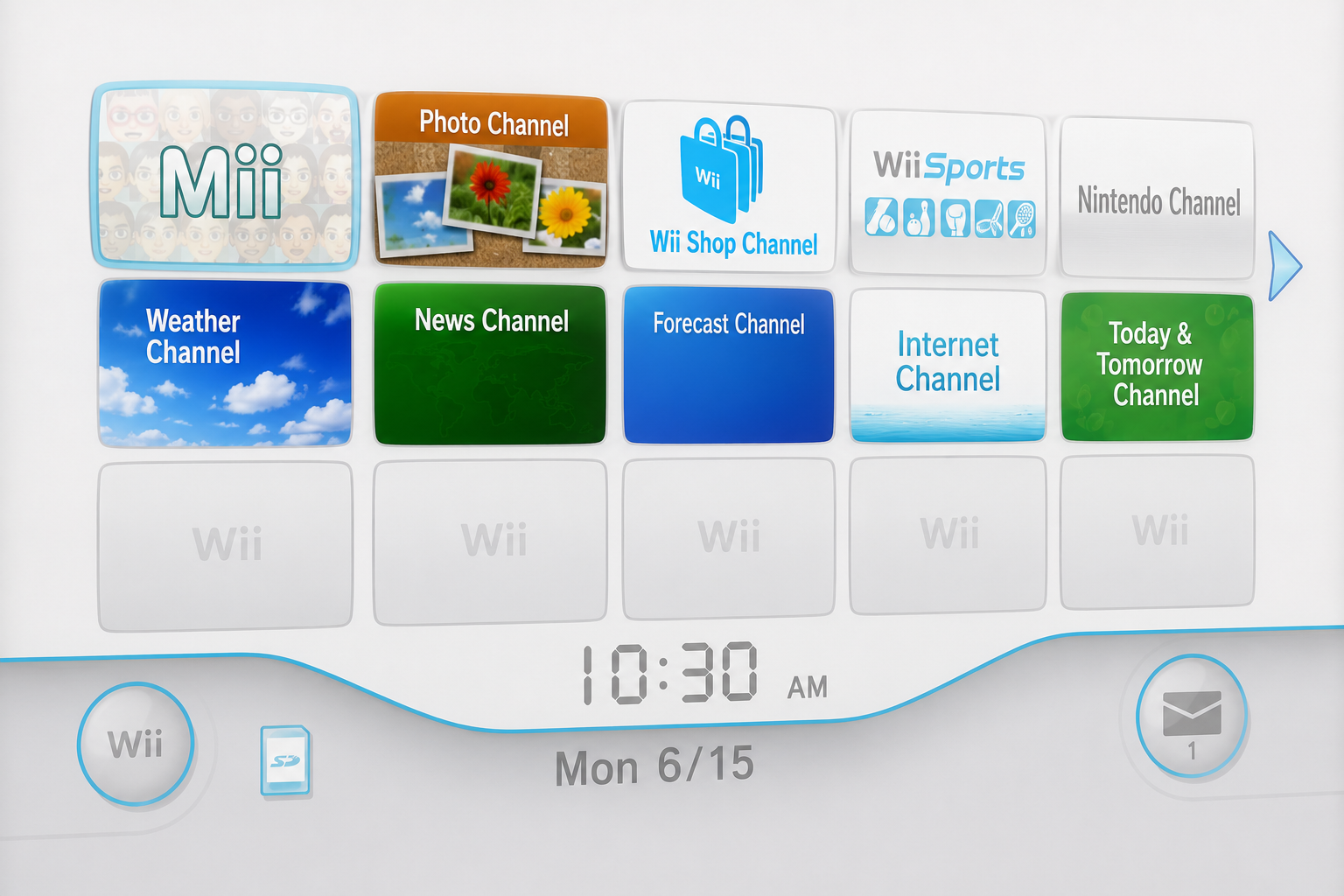
The Wii Gamble That Saved Nintendo
In a world obsessed with graphics and power, Nintendo bet on simplicity. The Wii was laughed at — until it wasn't.
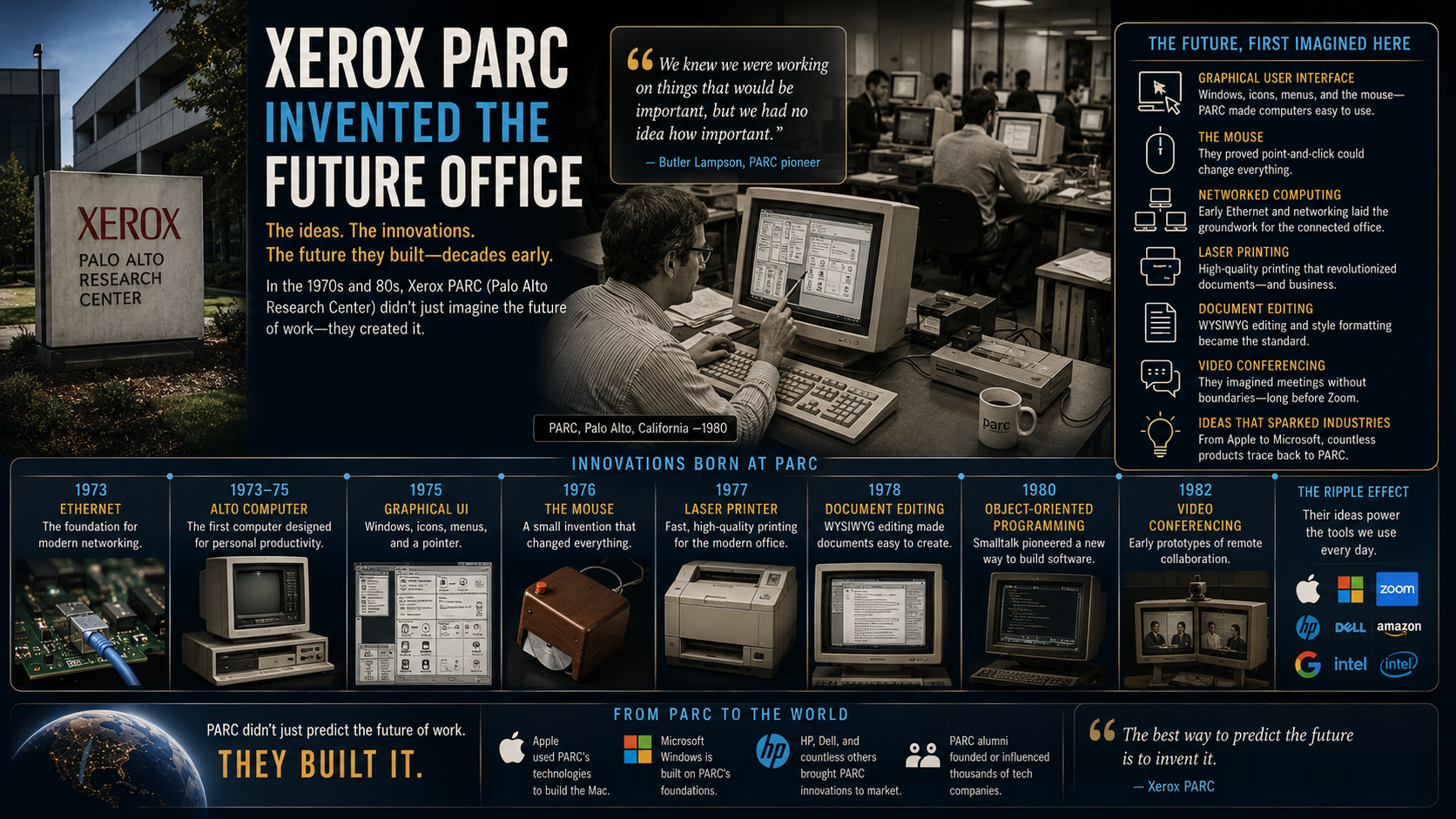
The Lab That Invented Tomorrow
In December 1979, Steve Jobs saw echoes of the future inside Xerox PARC's halls. There, in a secluded lab, lay the blueprint for the modern tech landscape.

The Browser War That Built the Internet
In the mid-1990s, a software battle erupted that would shape how billions accessed information. Few could predict that the victor would soon face its own downfall.

The Chicken That Changed Retail
Costco's $4.99 rotisserie chicken isn't just a meal — it's a strategic masterpiece. The unexpected ripple effects changed retail forever.
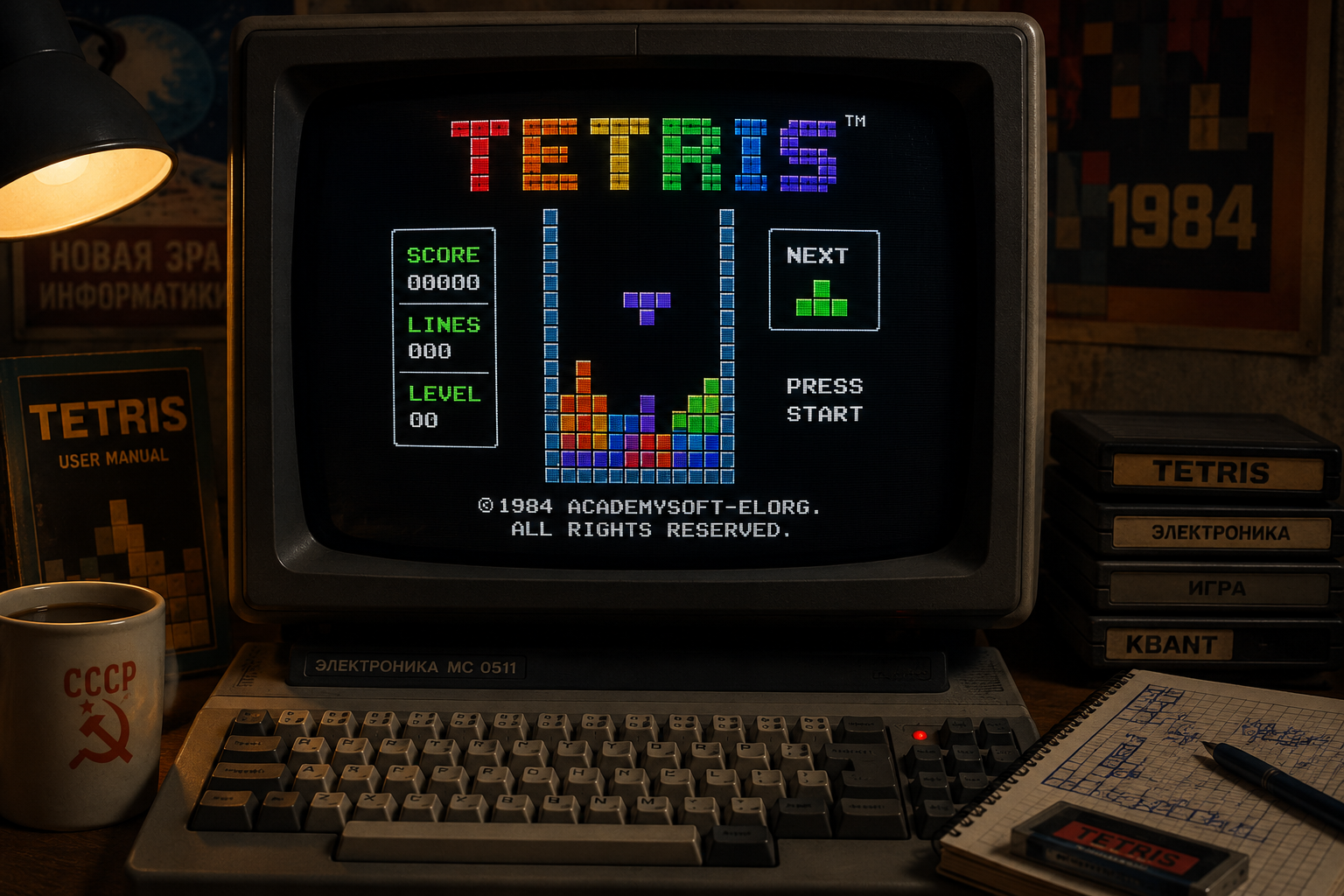
The Puzzle that Conquered the World
A Soviet engineer at his desk, unknowingly poised to create a legend. His creation? Tetris — a game that would break barriers and forever alter the gaming landscape.
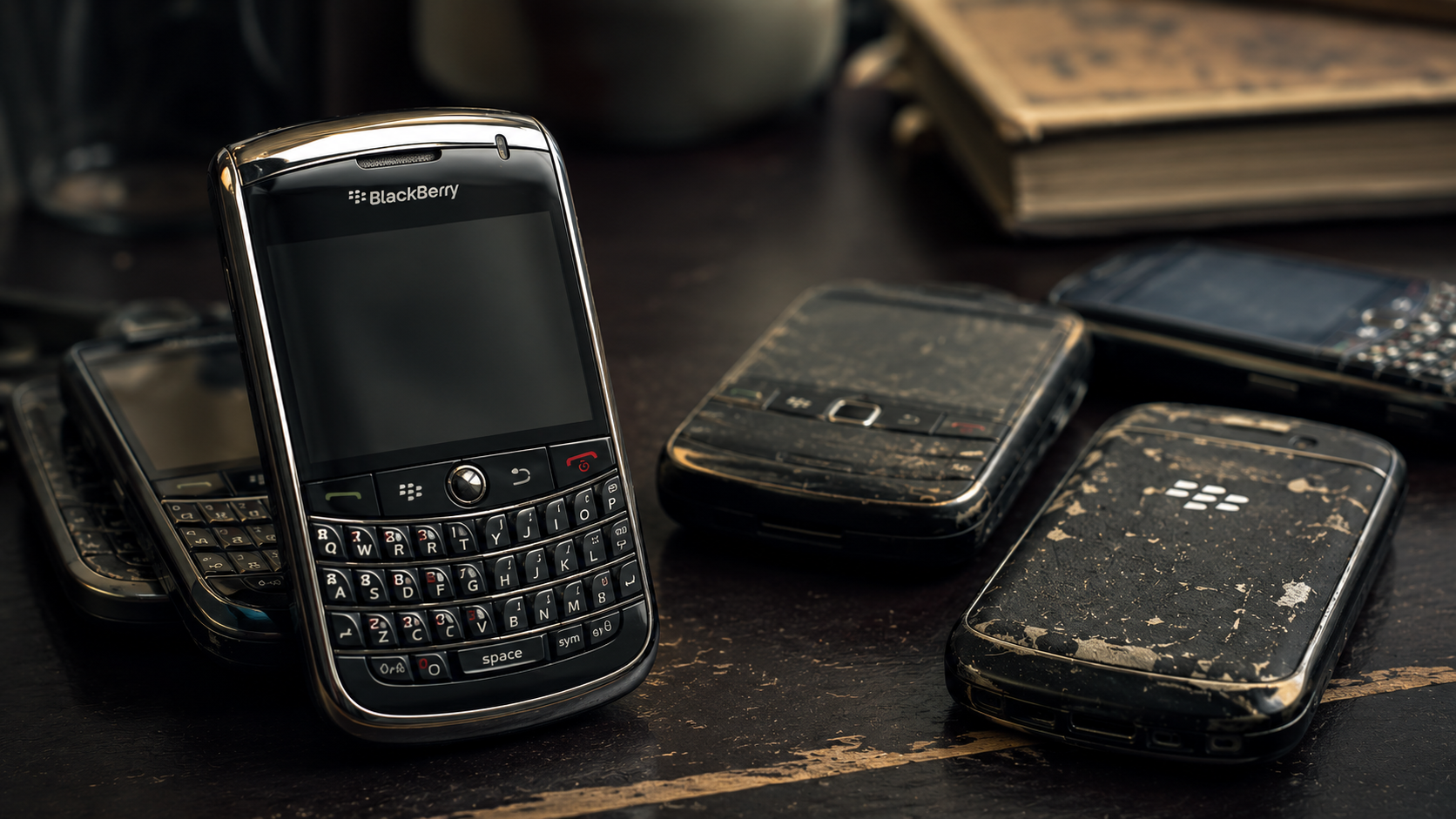
The Fall of BlackBerry
In a boardroom once buzzing with innovation, silence filled the air as BlackBerry executives watched Apple's iPhone dismantle their empire one launch at a time.
Continue the Rabbit Hole
Each story explores the same idea from a different angle. Follow the connections and discover where the thread leads.



Fictional placeholder content