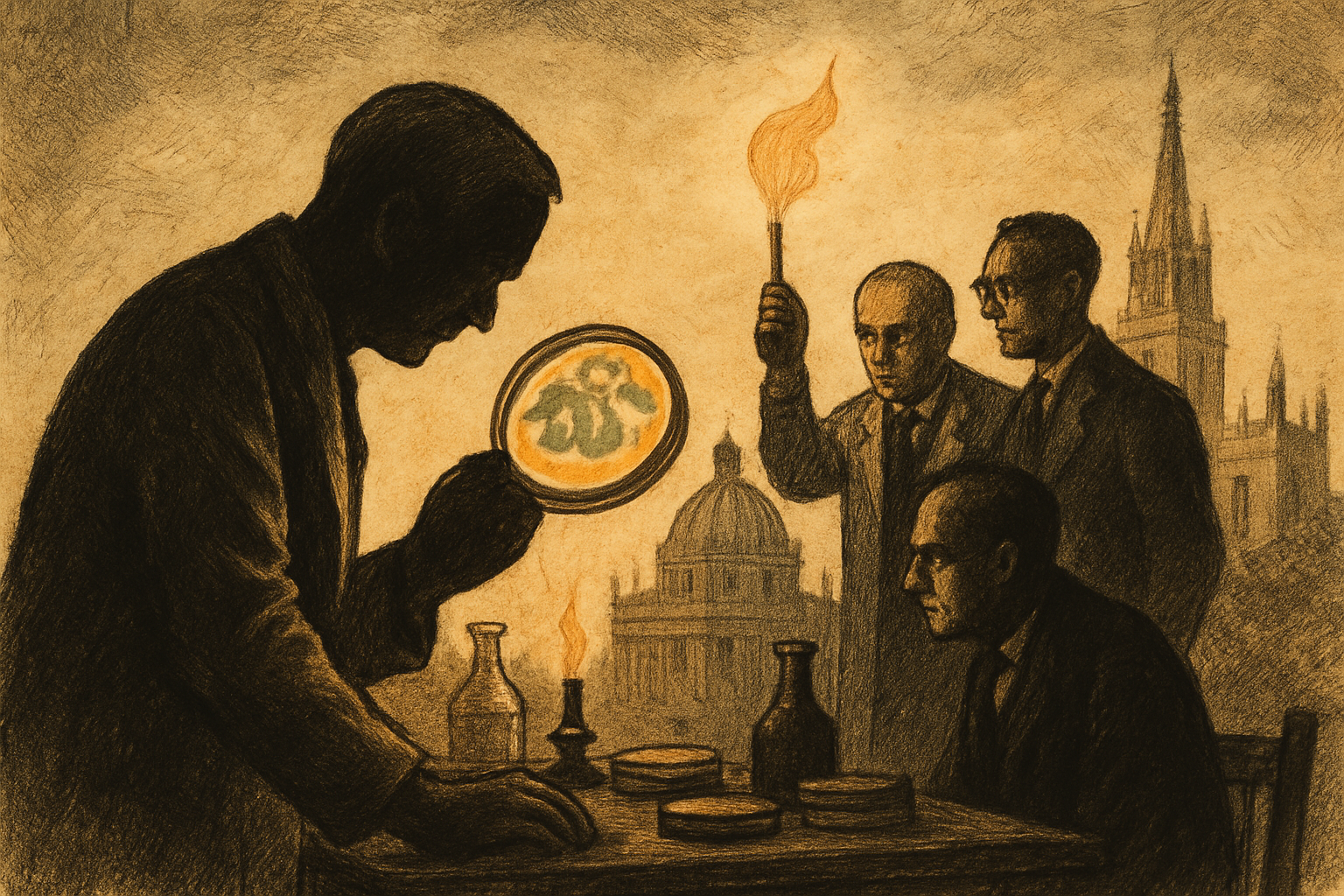
The Mold that Changed Medicine
"On a forgotten Petri dish, a thin layer of mold was destroying bacteria in Fleming's lab. What he didn't know yet was that this simple mold would change the world."
What Happened?
The room was a chaotic mess of petri dishes, bacterial cultures, and a distracted bacteriologist engrossed in his work. Amidst this clutter, Alexander Fleming's accidental stroke of genius emerged in 1928. Returning to St. Mary's Hospital in London after a two-week vacation, he noticed something peculiar on one of his staphylococcus culture plates: a spot where bacteria failed to thrive, surrounded by a curious mold. This mold, later identified as Penicillium notatum, harbored what became known as the world's first antibiotic—penicillin.
But this was no straightforward path to medical revolution; it was a story woven from the threads of war and the serendipity of science. Fleming's breakthrough was underpinned by the horrors he'd witnessed during World War I. The sight of soldiers falling to infections spurred his relentless quest to combat bacteria. Decades later, under the collective effort of Howard Florey, Ernst Chain, and Norman Heatley at the University of Oxford, penicillin transitioned from a laboratory anomaly to a life-saving medicine. They amplified Fleming's initial discovery into a robust solution, amid the exigencies of World War II.
This discovery didn't just change medicine—it changed the war. As demands soared, production ramped up, churning out enough penicillin to treat wounded soldiers on the frontlines. The work garnered global attention and culminated in a Nobel Prize in Physiology or Medicine in 1945 for Fleming, Florey, and Chain.
The road to penicillin was littered with missed opportunities and fortuitous finds. It rewrote the script on bacterial infections, saving millions and laying foundations for modern antibiotics. Yet, its narrative wasn't just one of triumph. It mirrored the unpredictable dance of innovation, where chance encounters can forge new paths and the relentless tides of history press unforeseen discoveries into urgent service. Fleming's moment in that cluttered lab became a defining juncture—not just for the medicine shelves of today, but for the tapestry of scientific endeavor at large.
Takeaway
The lesson this story keeps teaching
“Accidents in science can redefine the future. Fleming's mold discovery ushered in the antibiotic era.”
Why People Are Talking About This
This story underscores the power of serendipity in scientific discovery. Penicillin didn't just save lives during World War II; it ushered in the era of antibiotics, transforming healthcare. This narrative highlights how unexpected insights paired with determined follow-through can lead to groundbreaking advancements.
Thread Map
6 entities · 5 connections · Hover to explore, click to inspect
This is the connection map for this thread. Every node is a person, company, event, or idea. The red lines show how they connect. Hover a node to highlight its connections. Click a node to see why it matters to this story.
How We Got Here
The Lysozyme Discovery
Alexander Fleming discovered lysozyme, an enzyme found in saliva and tears with mild antibacterial properties. This laid the groundwork for his interest in antibacterial solutions.
Discovery of Penicillin
Fleming noticed a mold, Penicillium notatum, had contaminated Petri dishes, killing surrounding bacteria. This simple observation set the stage for antibiotics.
Oxford Takes Up the Torch
Under Howard Florey's leadership, researchers at the University of Oxford began intensive studies, realizing penicillin's incredible bacterial killing abilities.
First Successful Human Trials
Penicillin was tested on humans successfully at Oxford, proving its potential to treat bacterial infections effectively.
Mass Production Begins
The U.S. started large-scale penicillin production, driven by the war effort. The antibiotic was pivotal in reducing battlefield infections.
Nobel Prize Recognition
Alexander Fleming, alongside Howard Florey and Ernst Chain, was awarded the Nobel Prize in Physiology or Medicine for the discovery of penicillin.
End of World War II
The end of the war influenced the transition of penicillin from a military tool to a civilian healthcare imperative.
Era of Antibiotics Begins
Penicillin's success paved the way for additional antibiotic discoveries, revolutionizing modern medicine and saving countless lives.
Wait... Who Is This?
In the post-World War I era, trenches turned hospitals into battlefields of their own. Bacterial infections were rampant. Death by infection was a daily horror, extracting a heavy toll. It was against this backdrop that Alexander Fleming worked, driven by the silent carnage infections wrought on communities. His lab at St. Mary's Hospital, often cluttered with experiments in various states of neglect, was typical. Yet, it was this very clutter that would contribute to the accidental discovery that defined his legacy.
Fleming's previous work in isolating lysozyme had laid the groundwork for his keen interest in antibacterial agents. Education shaped by war, his dedication to finding solutions spoke less of repute and more of relentless pursuit. Amidst this dedication, the mold that inadvertently formed — left unnoticed over a vacation — seemed insignificant. Little did he know, it was precisely this oversight that would alter the trajectory of medical science.
Receipts
Alexander Fleming Discovery and Development of Penicillin
Alexander Fleming - Wikipedia
Discovery of penicillin - Wikipedia
The Penicillin Pioneer: Alexander Fleming’s Journey to a Medical Breakthrough - PMC
Penicillin: An accidental discovery changed the course of medicine
The Secret History of Penicillin
Same Pattern
Different story. Same lesson.

The Wii Gamble That Saved Nintendo
In a world obsessed with graphics and power, Nintendo bet on simplicity. The Wii was laughed at — until it wasn't.
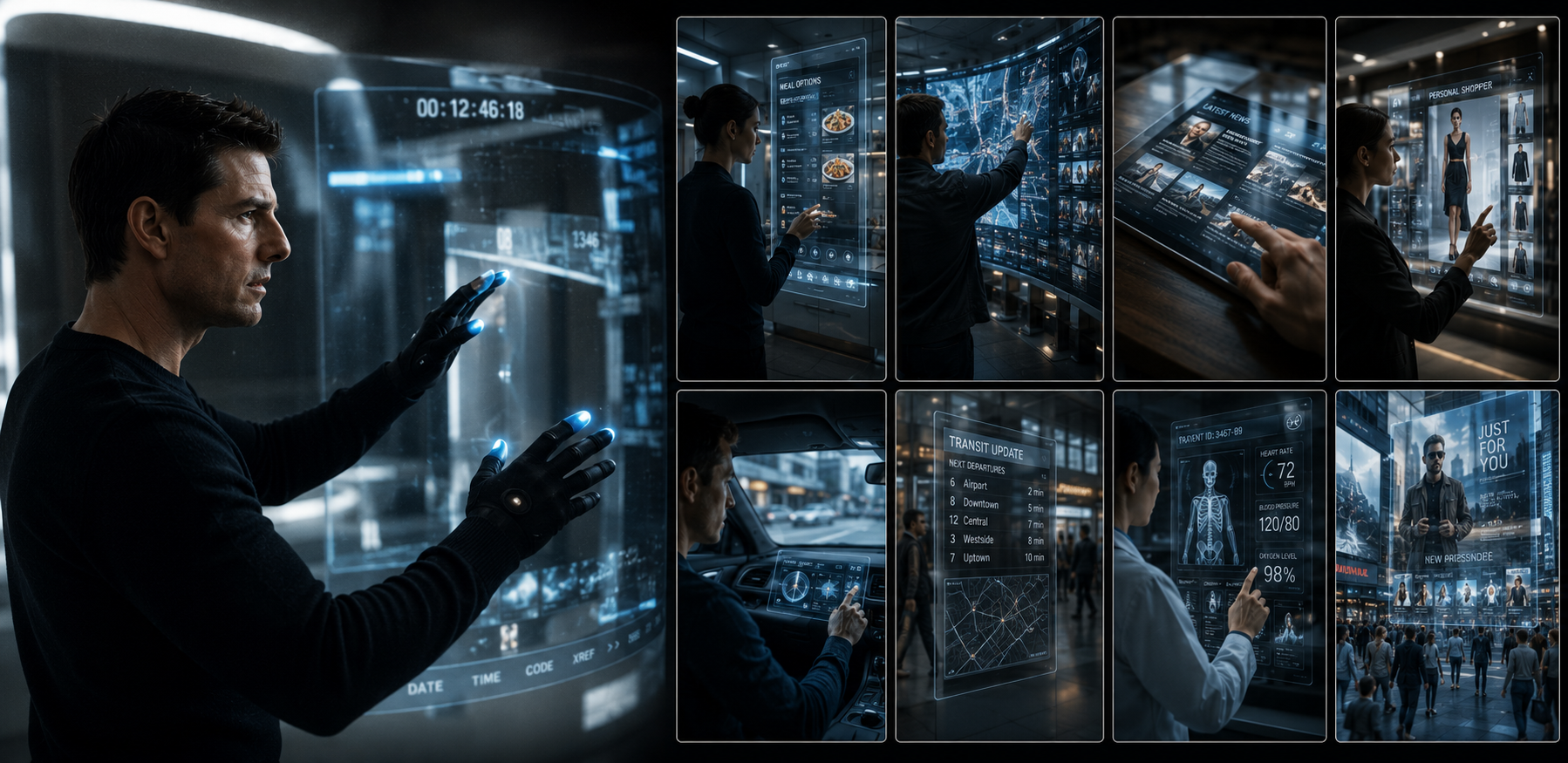
Minority Report's Prescient Touchscreen Reality
In 2002, Hollywood imagined a future of seamless touchscreen interfaces. Today, Steven Spielberg's vision feels eerily prescient as technology catches up.
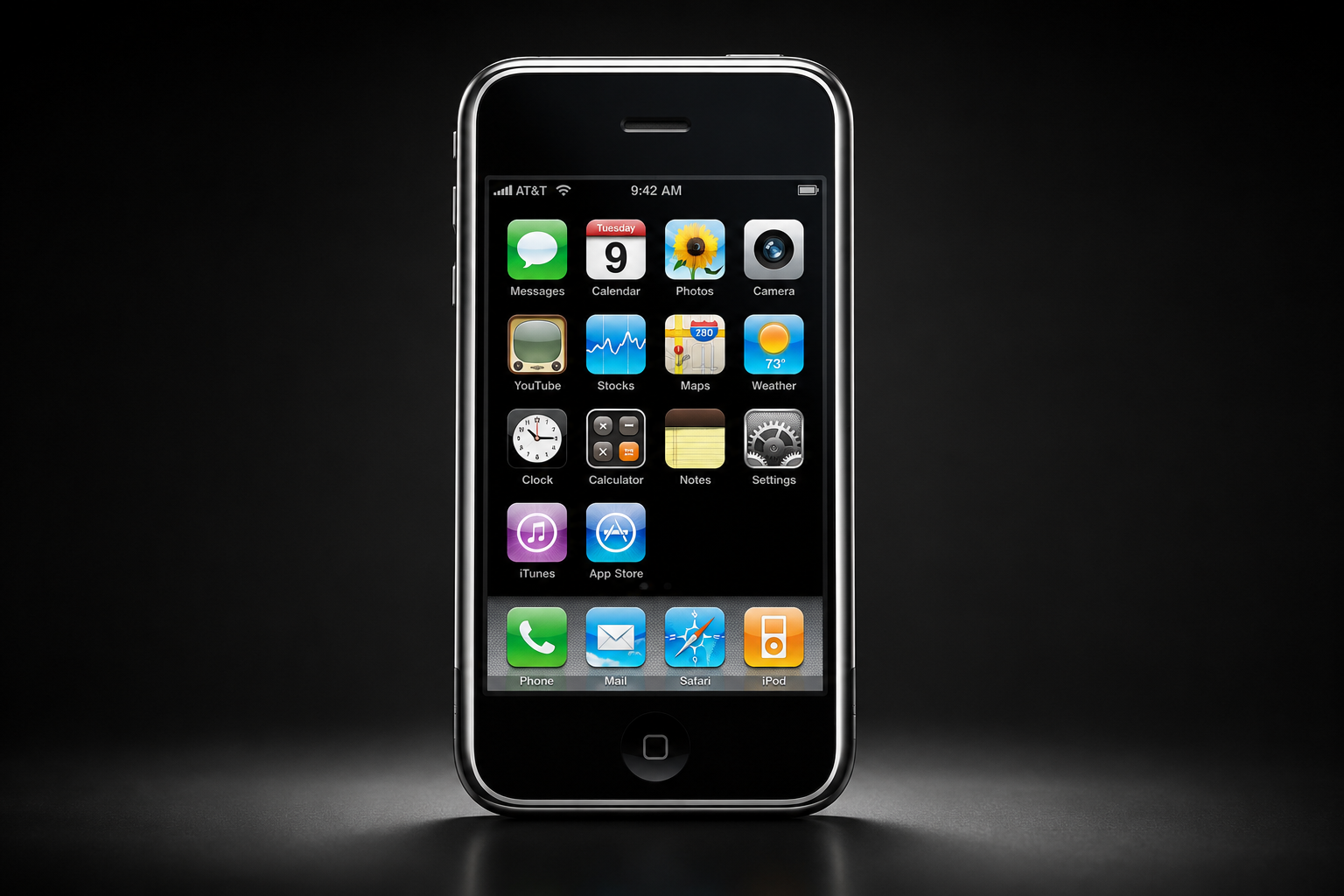
The iPhone That Disrupted the World
In January 2007, Steve Jobs stepped onto the stage and introduced a device that would redefine the entire world: the iPhone. What seemed like just another gadget launch was, in fact, the dawn of a new era.
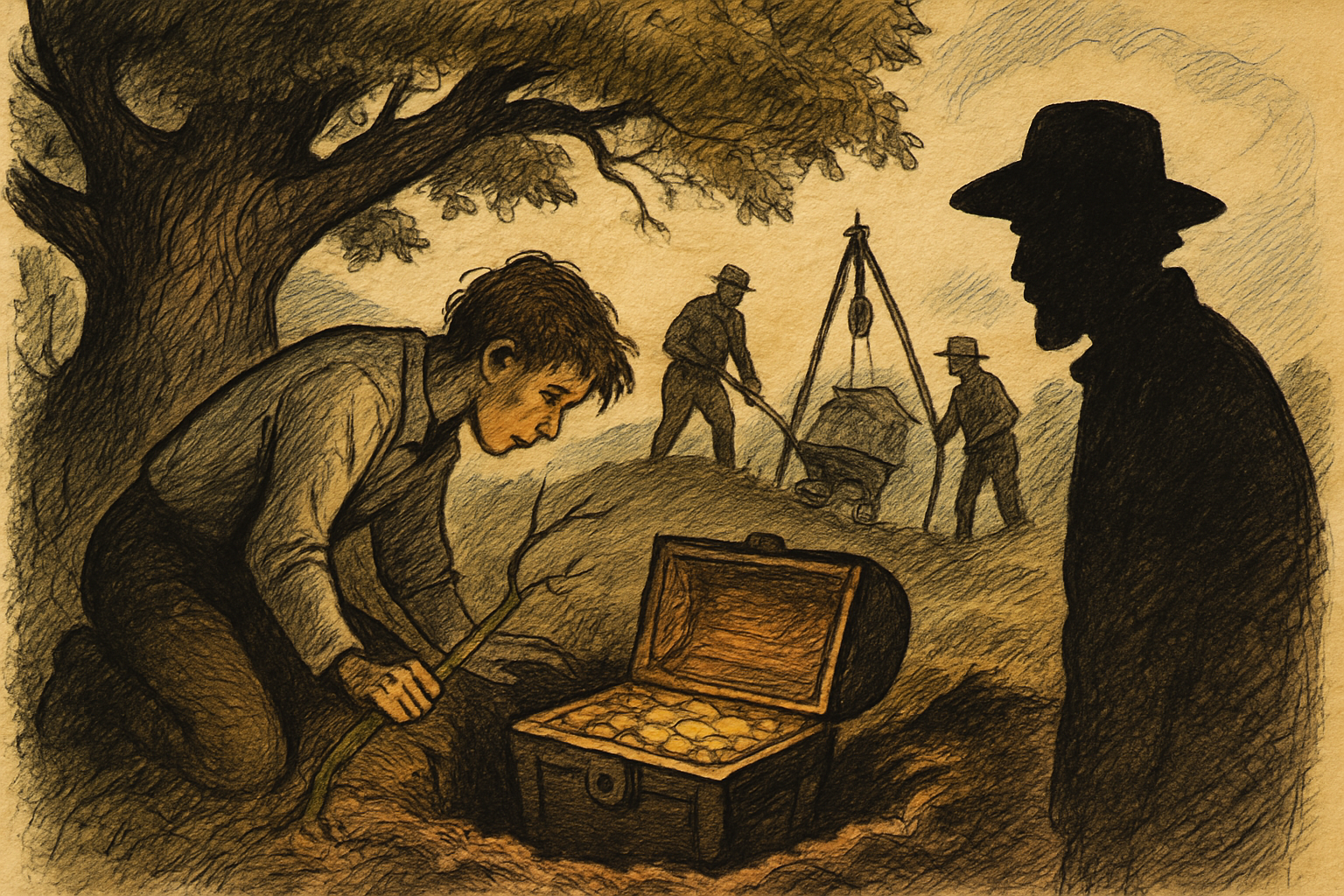
The Enigma of Oak Island
Beneath Oak Island lies a pit of promises, holding legends of buried treasure yet never yielding its secrets.
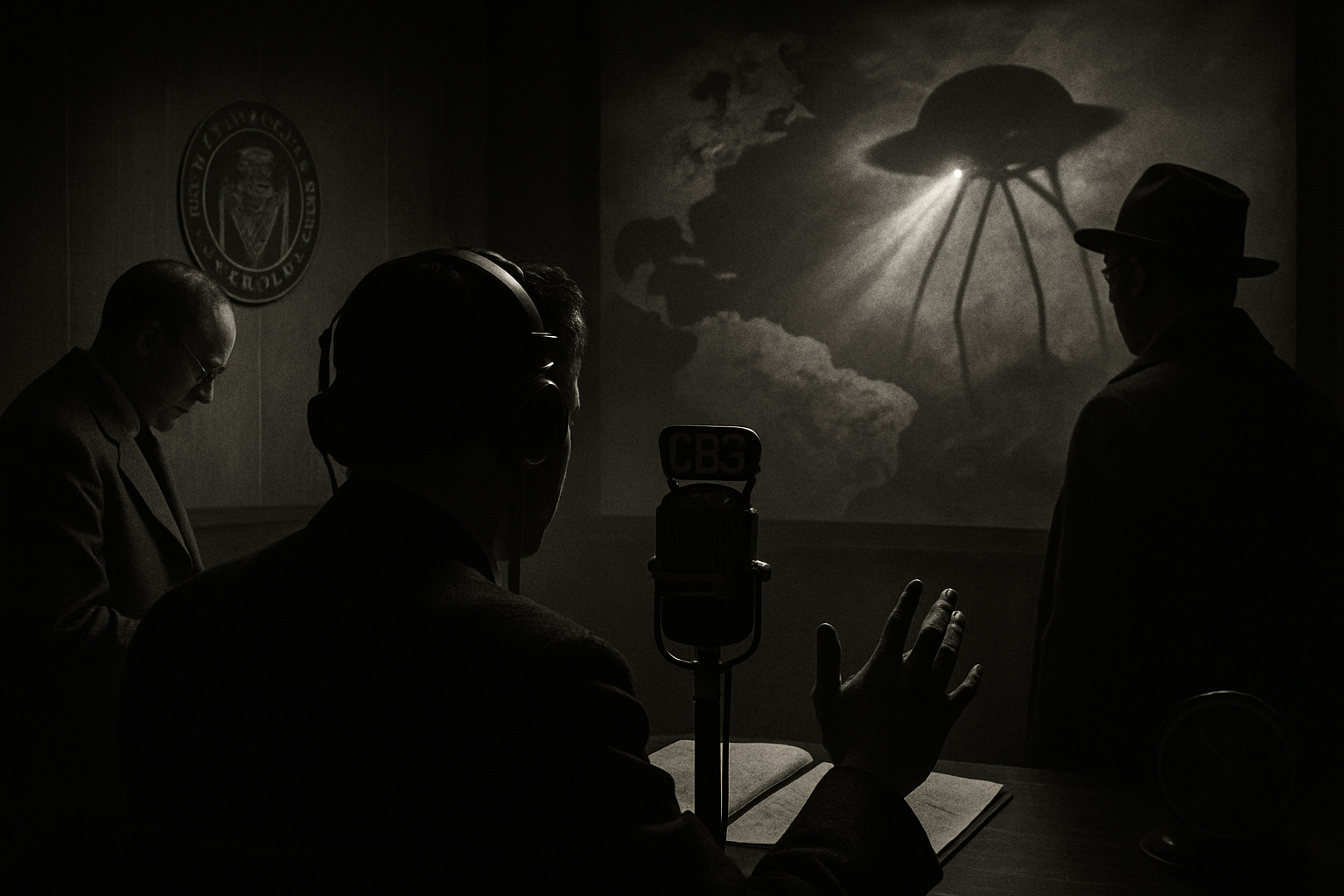
The Broadcast That Terrified America
On the night of October 30, 1938, chaos reigned as Americans believed Martians were invading. It was all fiction.
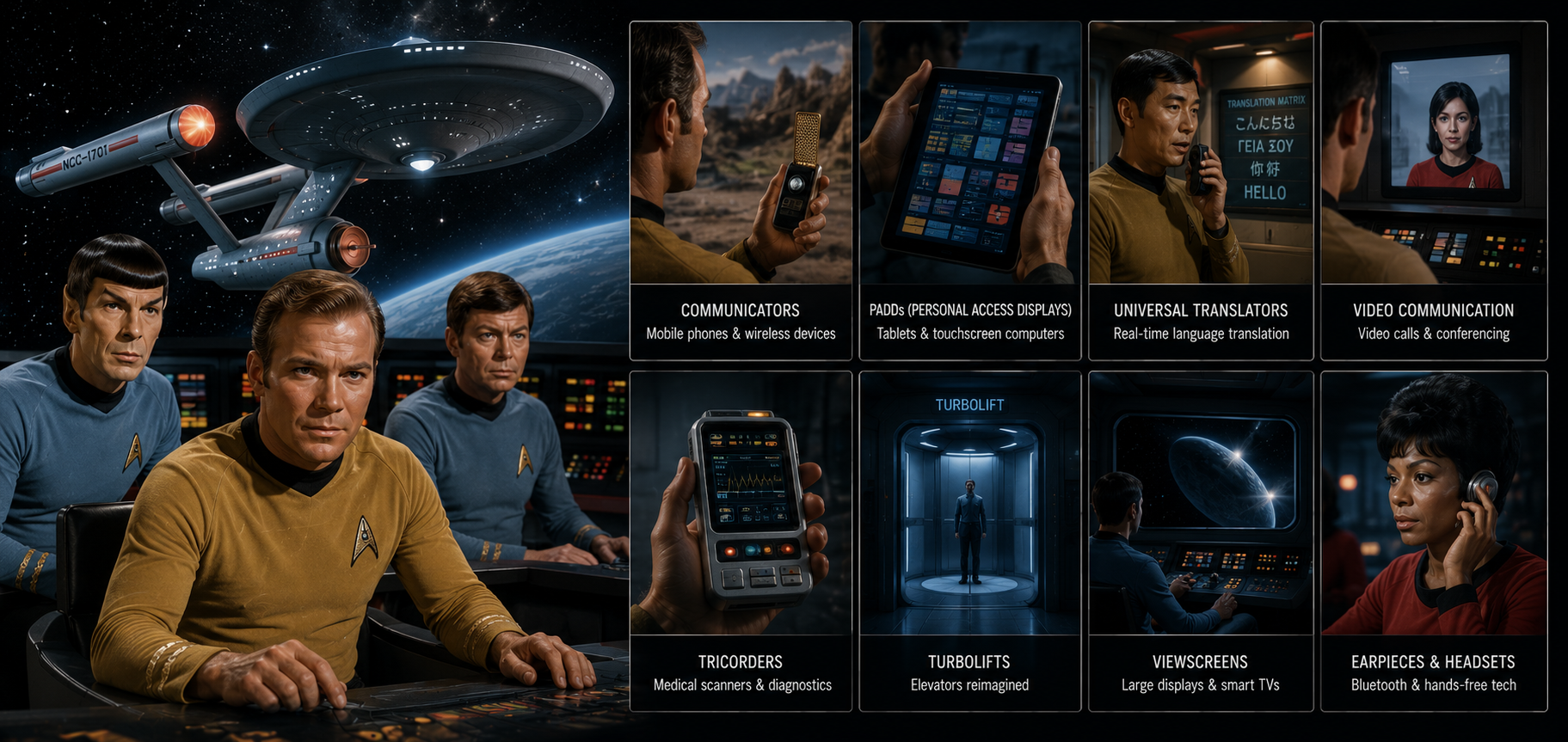
Star Trek's Blueprint for the Future
One TV series changed how we envision the future. But the even stranger twist? Its fictional tech became real.
Continue the Rabbit Hole
Each story explores the same idea from a different angle. Follow the connections and discover where the thread leads.


Fictional placeholder content