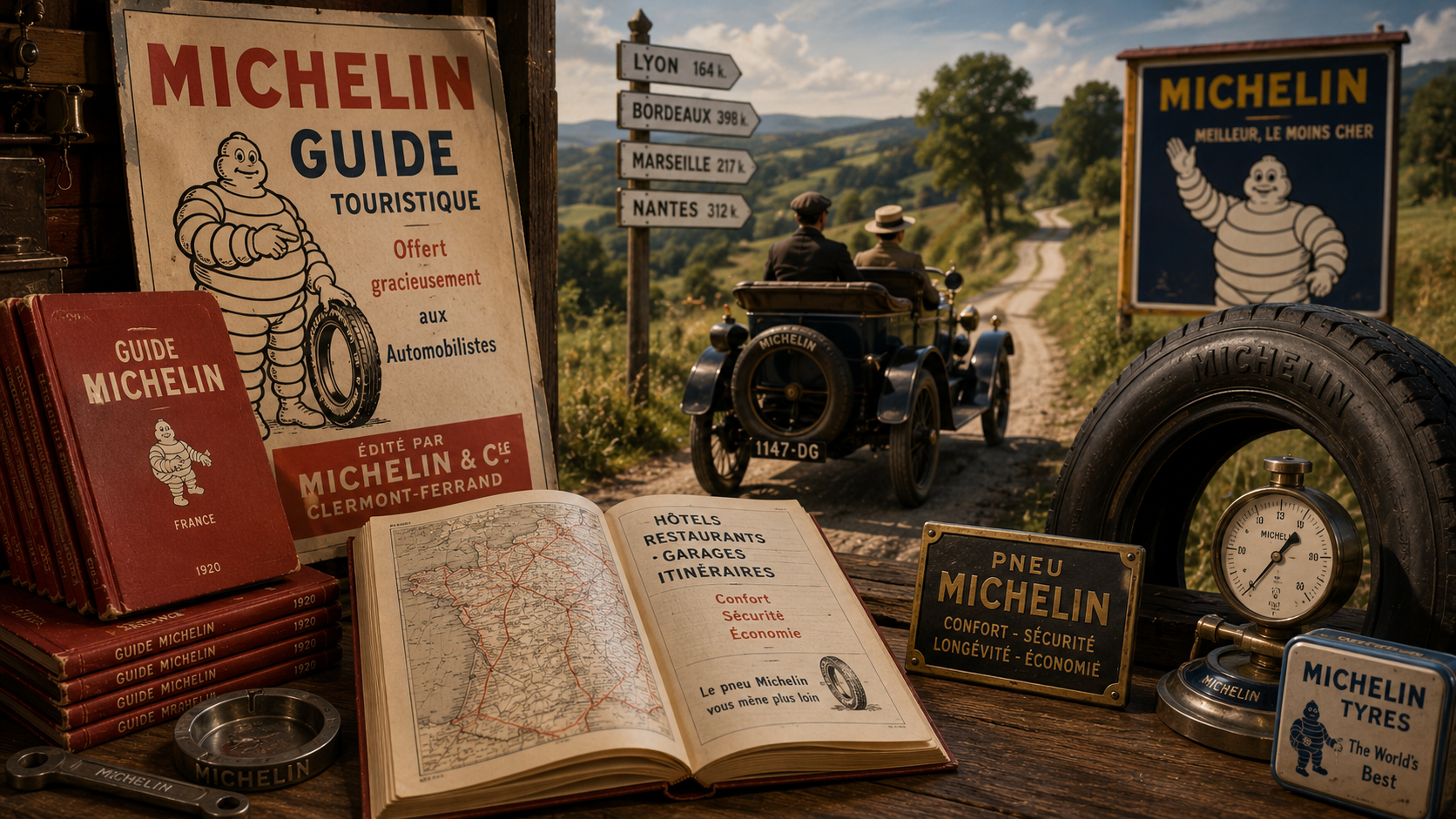
How Restaurants Sold Michelin Tires
"The Michelin stars, revered symbols of culinary excellence, started as a tire company’s strategy to sell more tires. How did a tire giant become the arbiter of fine dining?"
What Happened?
In a pivotal moment of marketing ingenuity, Michelin's 1900 guide aimed to boost tire sales by encouraging road travel. With fewer than 3,000 cars on French roads, the guide listed hotels, mechanics, and restaurants to facilitate travel, thus promoting the need for tires. This initiative unexpectedly laid the foundation for one of the most prestigious culinary guides. By introducing a star rating system in 1926, the Michelin Guide transcended its original purpose, revolutionizing the dining industry and placing immense value on culinary excellence.
Takeaway
The lesson this story keeps teaching
“Michelin's guide turned road travel from a method of transport into an adventure, reimagining how we connect dining with travel.”
Why People Are Talking About This
The Michelin Guide's history is a riveting testament to the unforeseen impacts of strategic branding. Intended to sell tires by encouraging travelers to hit the road, the guide ultimately reshaped the landscape of global gastronomy. It serves as a powerful example of how commercial endeavors can exceed their original purpose, embedding themselves within cultural consciousness.
As society moves ever deeper into digital terrain, Michelin’s journey underscores the potential for brands to redefine markets and cultures alike—transforming mundane products into lifestyle cornerstones. The Michelin Guide’s evolution unearths narratives like that of brands like Apple—moving from niche market products to household necessities shaping everyday lives.
Thread Map
4 entities · 3 connections · Hover to explore, click to inspect
This is the connection map for this thread. Every node is a person, company, event, or idea. The red lines show how they connect. Hover a node to highlight its connections. Click a node to see why it matters to this story.
How We Got Here
Michelin Tire Company Revolution Begins
André and Édouard Michelin founded the Michelin Tire Company in France, aspiring to transform the automotive industry with innovative tire solutions. Their eye on revolutionizing transport drove early experiments and product launches.
First Michelin Guide Boosts Travel
The first Michelin Guide rolled out in a modest red booklet, aimed to incentivize travel and, more subtly, tire demand. Packed with maps, business listings, and repair guides, it was a masterstroke of practical marketing.
Tour de France Fuels Road Interest
The inaugural Tour de France race showcased bicycles taking precedence on the roads. This highlighted growing interest in both competitive and leisure road activities, crucially relevant to Michelin's audience.
Guides Go Commercial with Big Impact
Michelin began charging for its widely circulated guide, capitalizing on its established authority and transforming its perceived value. This marked the guide's transition to an influential culinary artifact.
Michelin Stars Born
With an audacious move, Michelin introduced a star ranking system in its guide, creating a metric of excellence that would come to dominate the culinary world. This lauded ranking captured chefs' imaginations and diners' attentions.
Rescue and Reinvention: Michelin Acquires Citroën
Faced with Citroën's potential bankruptcy, Michelin acquired the automaker, showcasing its evolving role in the automotive sector and the range of its expanding influence beyond just tires.
Radial Tire Technology Revolutionizes Driving
Michelin's development of the radial tire marked a significant technological leap, solidifying its position at the forefront of the tire industry and contributing to safer, more durable journeys.
Michelin Expands Its Influence with B.F. Goodrich Acquisition
The acquisition of American tire company B.F. Goodrich further expanded Michelin's global reach, increasing its influence in the tire market and beyond.
Wait... Who Is This?
Imagine the winds of change sweeping through France at the turn of the 20th century. Roads were more accustomed to the clip-clop of horse-drawn wagons than the hum of engines. In this burgeoning world, the Michelin brothers inherited their family's rubber business and saw potential where others saw obstacles.
André and Édouard Michelin, driven by curiosity and ambition, transformed a modest factory into a revolutionary company. Their vision was as innovative as it was audacious: to stoke enthusiasm for automobiles by inspiring wanderlust. When they introduced the Michelin Guide in 1900, it was not to hoard profits but to scatter seeds of exploration across the country.
Back then, cars were scarce—less than 3,000 on the roads of France—a luxury symbol rather than a viable mode of mass transportation. The brothers realized the challenge was not just mechanical innovation but cultural paradigm shift. How to entice the public from their commonplace horse-drawn wagons into the speculative embrace of an automobile?
By combining practicality with utility, the Guide taught drivers how to navigate the landscape, offering insights on hotels and restaurants—purely to ensure more tires graced the pavements of France. Their strategy was not steeped in tradition but future-forward thinking aimed at propelling France towards modernity.
Hence, the guide served dual purposes: offering a map for the road ahead, both literally and metaphorically, and instigating a silent revolution that would blend commerce, culture, and cuisine.
Receipts
Same Pattern
Different story. Same lesson.
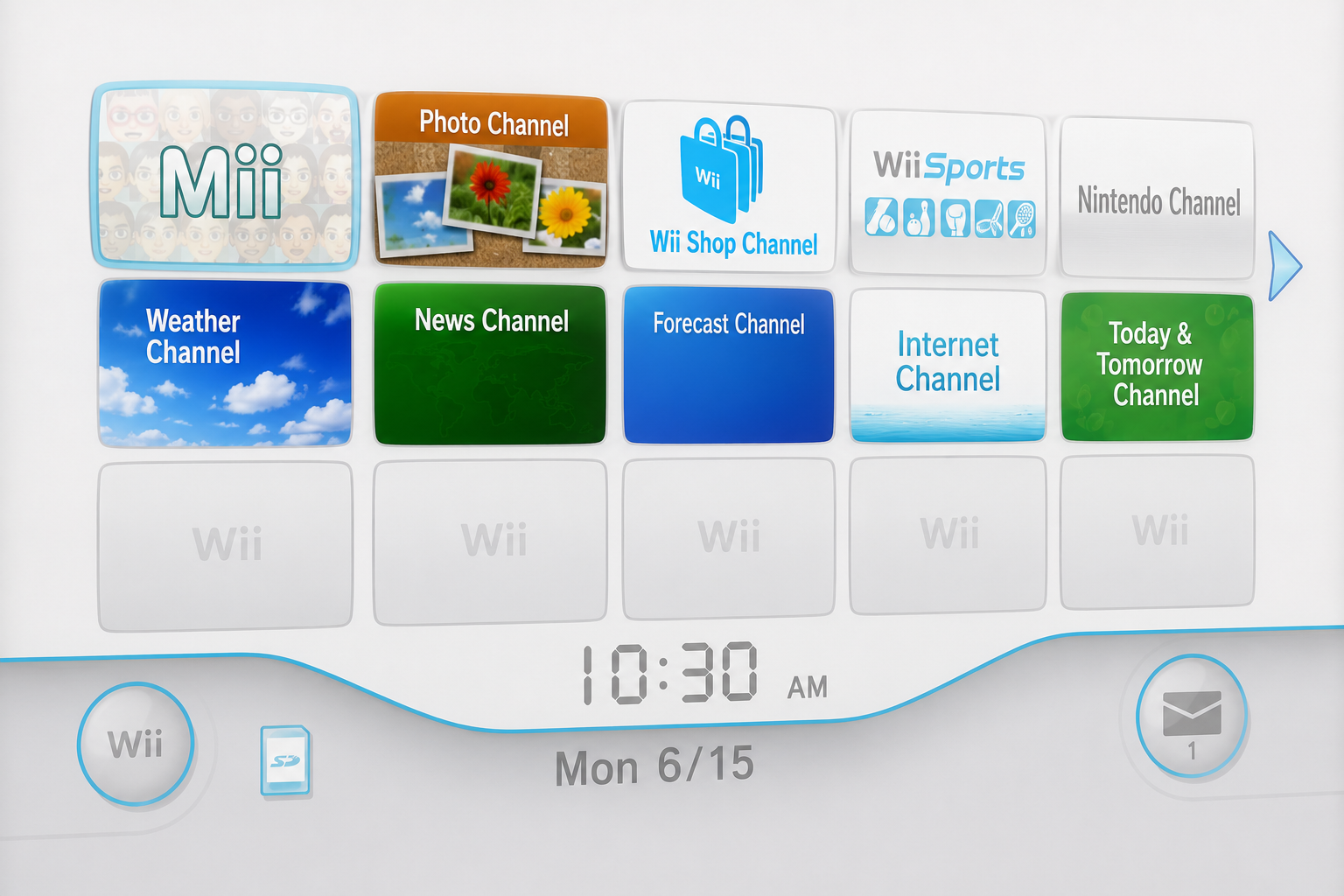
The Wii Gamble That Saved Nintendo
In a world obsessed with graphics and power, Nintendo bet on simplicity. The Wii was laughed at — until it wasn't.
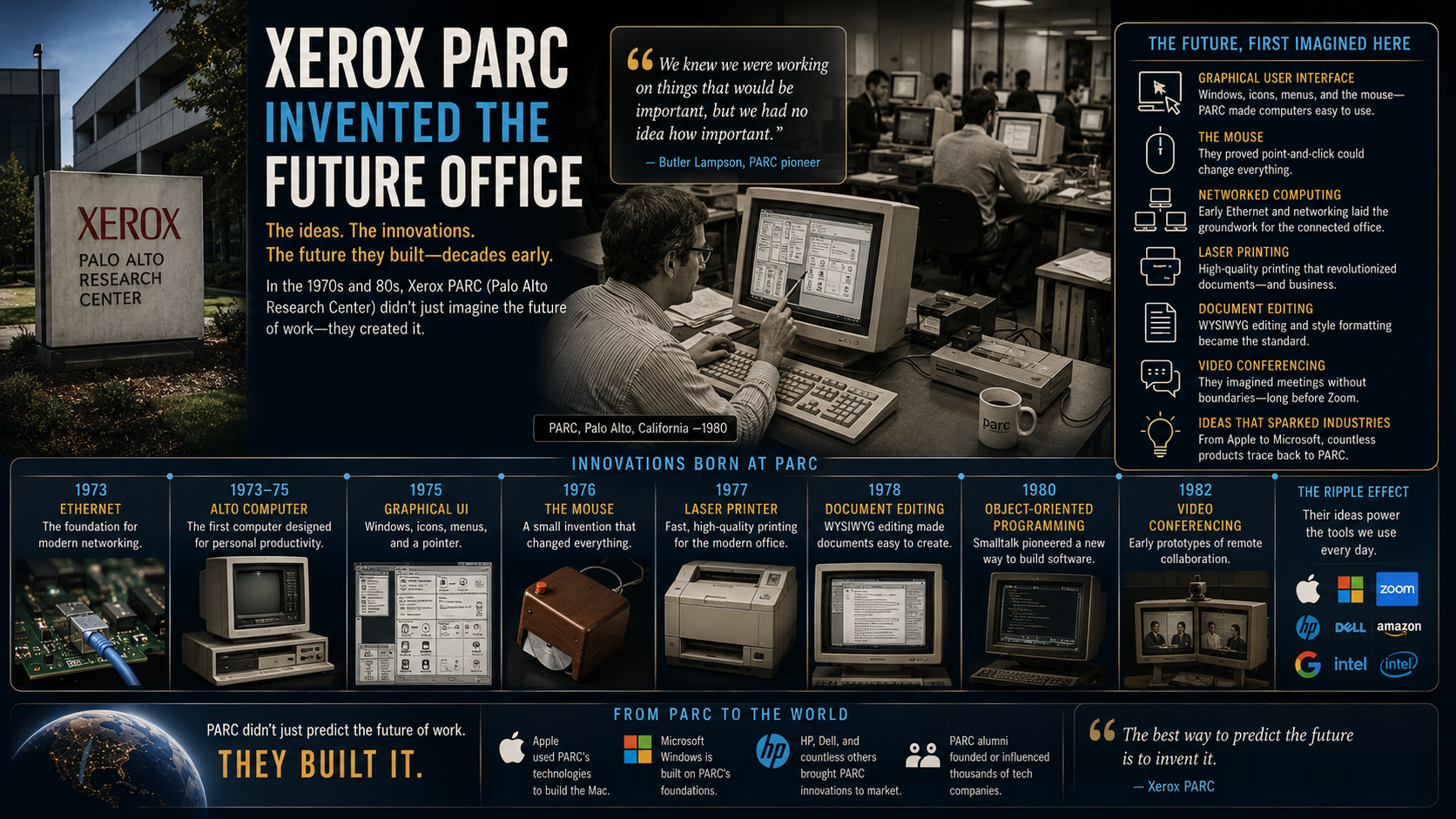
The Lab That Invented Tomorrow
In December 1979, Steve Jobs saw echoes of the future inside Xerox PARC's halls. There, in a secluded lab, lay the blueprint for the modern tech landscape.
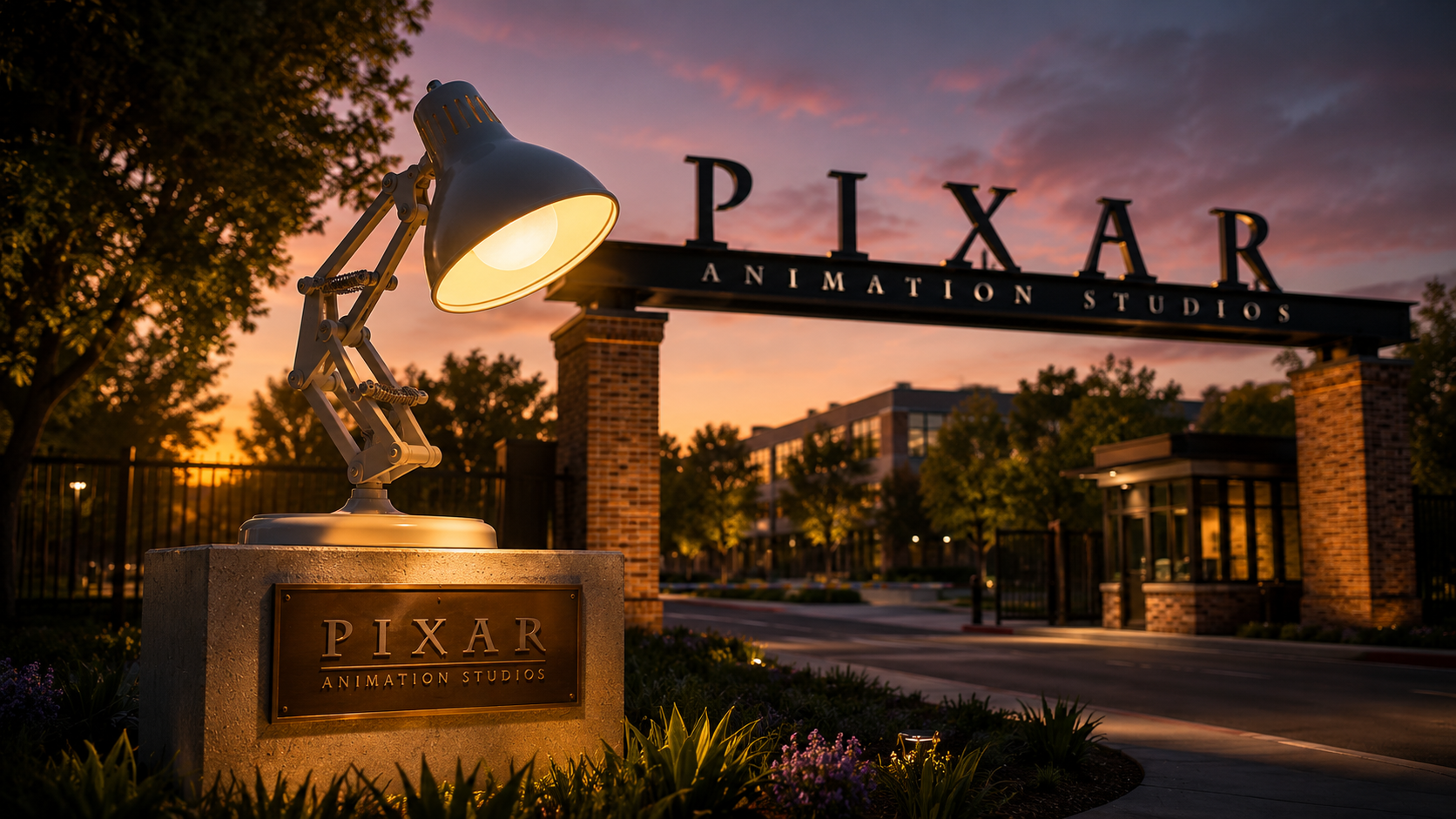
Pixar's Radical Feedback Loop
In a stark, unadorned room, some of the most powerful voices in animation face off with ruthless honesty. Their weapons? Brutal feedback that molds raw ideas into cinematic gold.
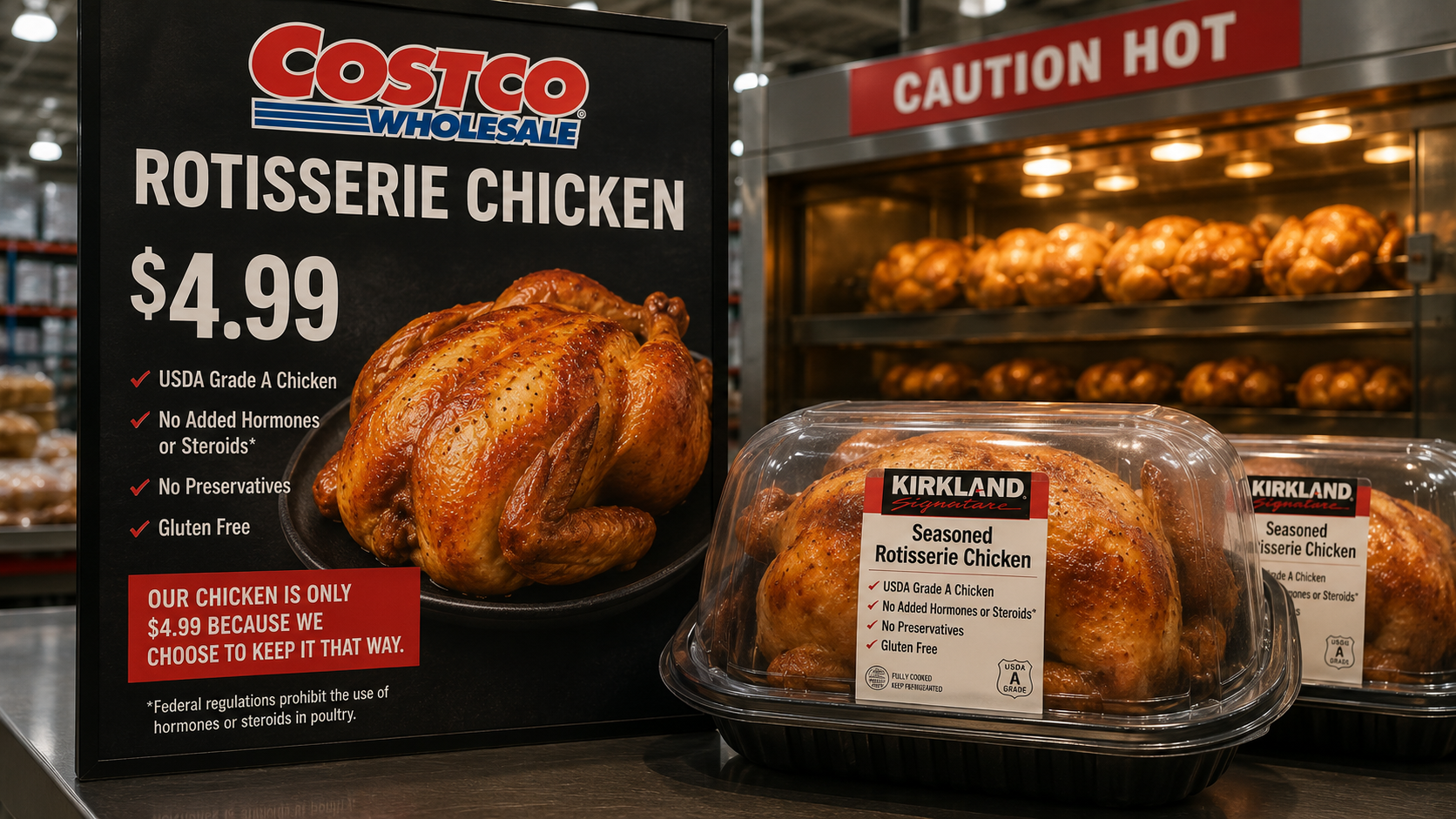
The Chicken That Changed Retail
Costco's $4.99 rotisserie chicken isn't just a meal — it's a strategic masterpiece. The unexpected ripple effects changed retail forever.
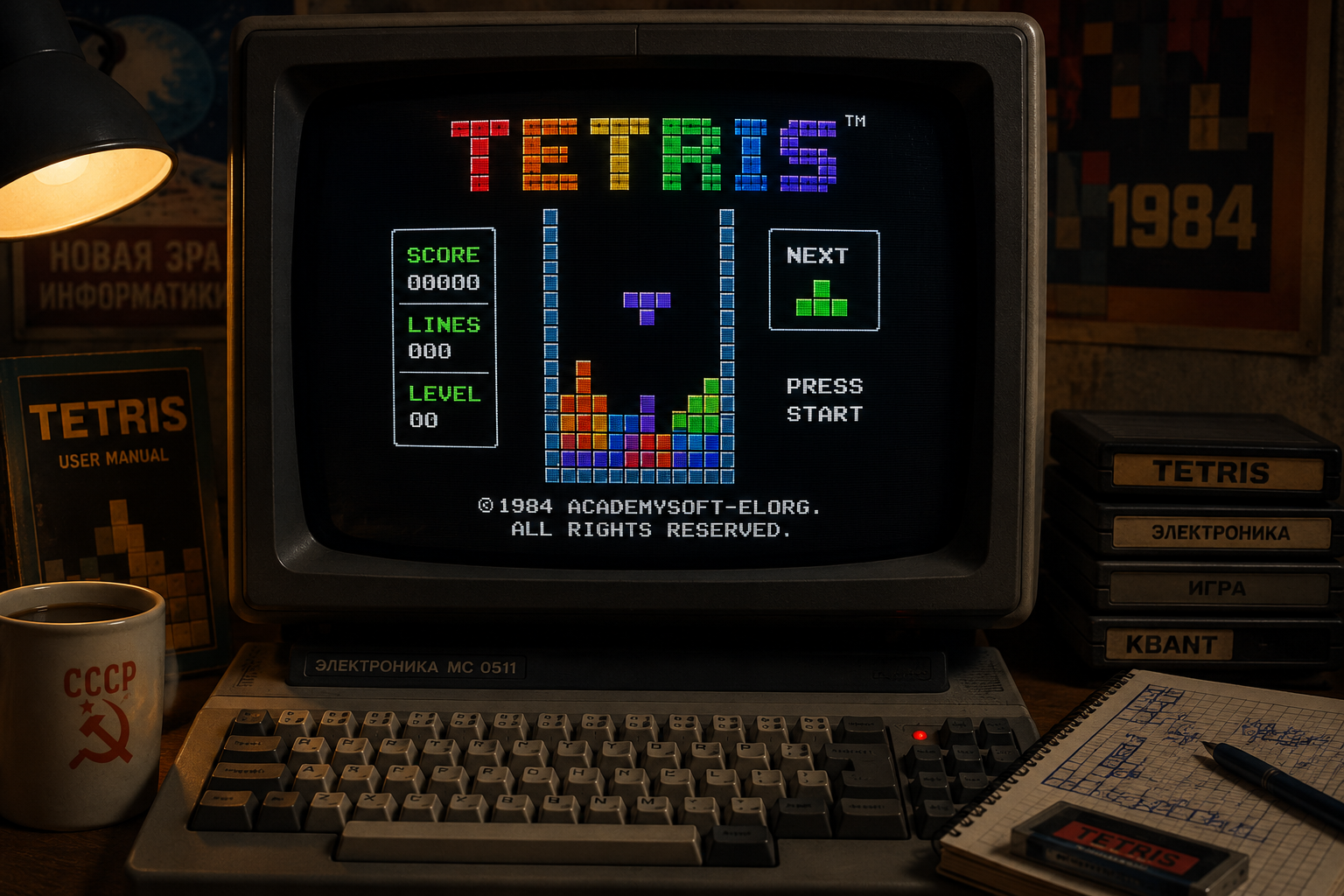
The Puzzle that Conquered the World
A Soviet engineer at his desk, unknowingly poised to create a legend. His creation? Tetris — a game that would break barriers and forever alter the gaming landscape.
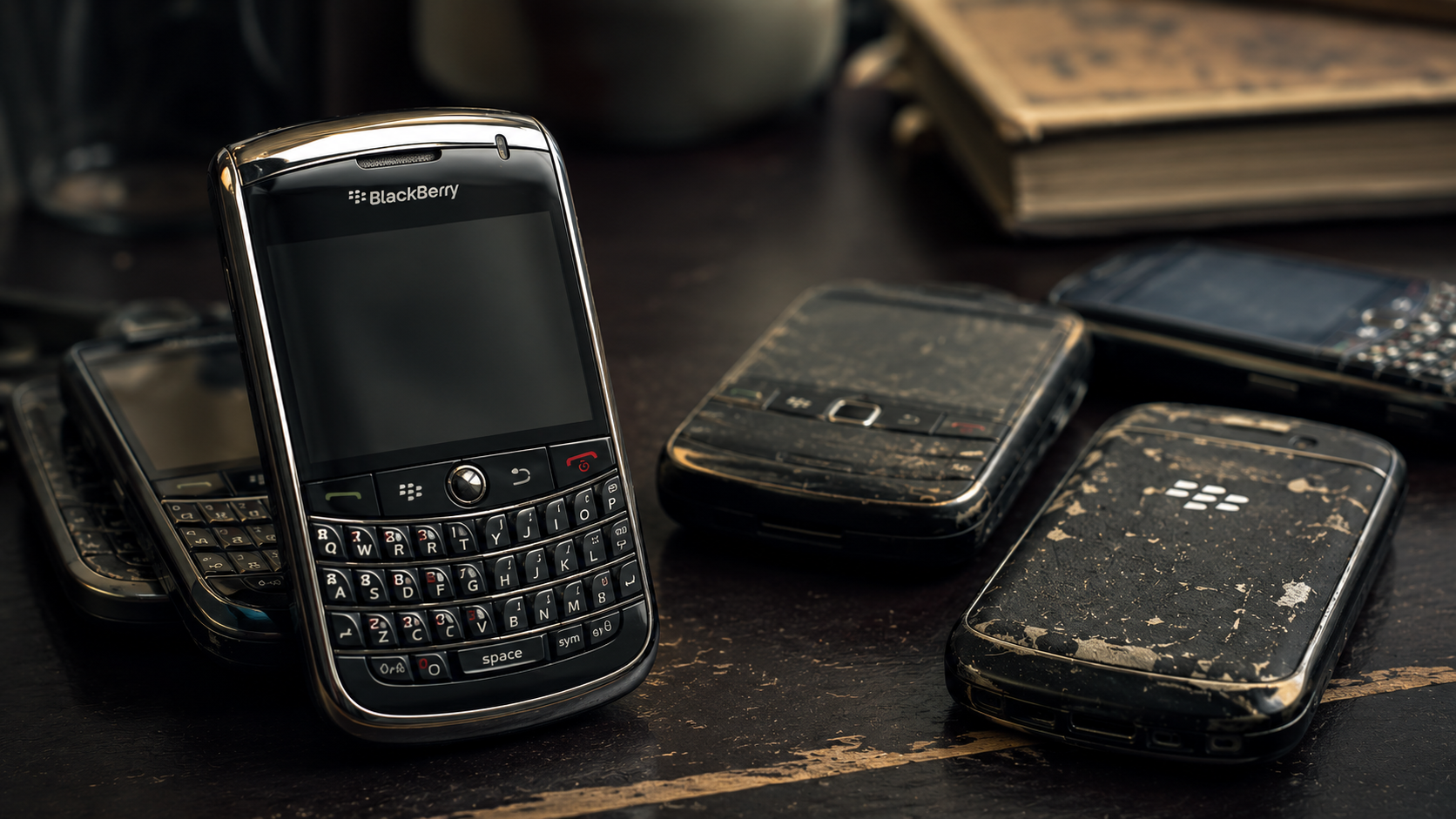
The Fall of BlackBerry
In a boardroom once buzzing with innovation, silence filled the air as BlackBerry executives watched Apple's iPhone dismantle their empire one launch at a time.
Continue the Rabbit Hole
Each story explores the same idea from a different angle. Follow the connections and discover where the thread leads.
Fictional placeholder content