El Dorado: The Dream That Fooled Empires
"Imagine a city where streets shimmer with gold dust. Between reality and myth lies El Dorado, a dream that consumed empires."
What Happened?
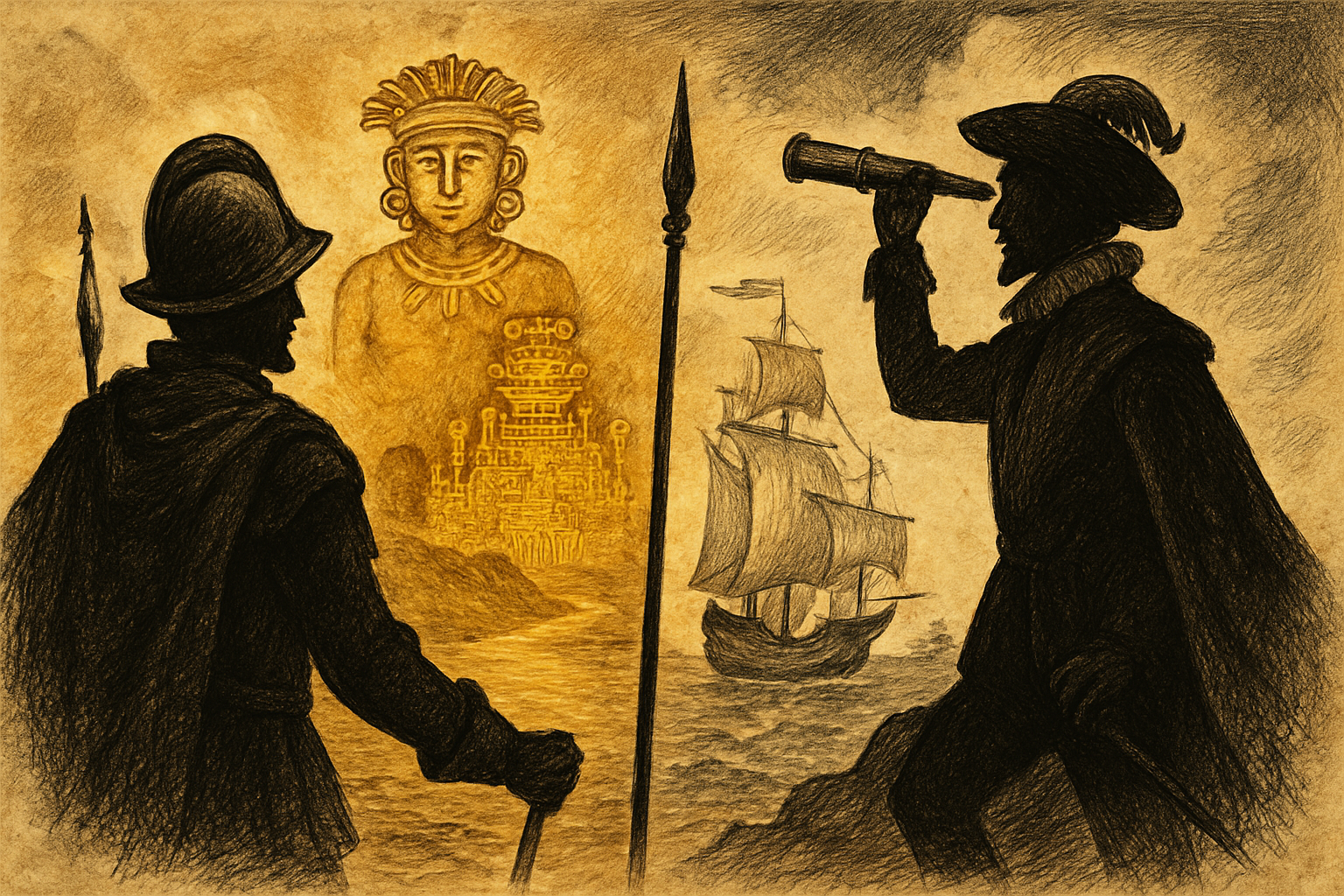
Picture a king drenched in gold dust as sunlight breaks over Lake Guatavita. Surrounded by his subjects, he descends into the water, turning the ritual into both a spectacle and a whisper of unimaginable wealth. This was the image that launched hundreds of expeditions in search of El Dorado in the 16th century.
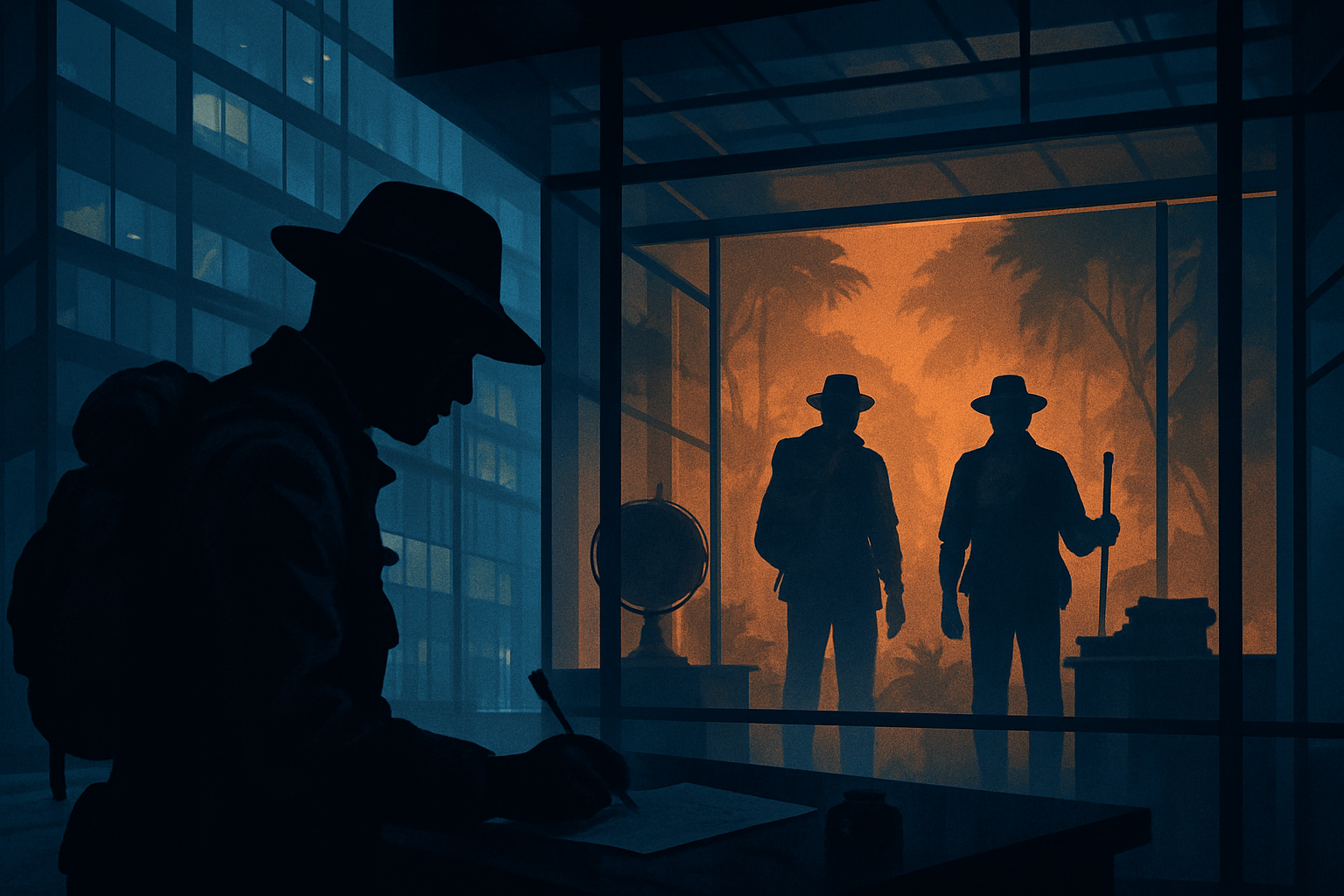
The fever for gold spread rapidly across Europe. Sir Walter Raleigh, driven by tales of gilded shores, battled hostile jungles and treacherous waters. But beneath each brushstroke of adventure lay the bitter undercurrent of exploitation. The native Muisca, who originally performed these gold-laden rituals, viewed them not as an obsession, but a sacred act. As Spanish conquistadors north from the Andes heard murmurs of the 'golden one,' they saw opportunity. They weren't alone.
In 1540, Gonzalo Pizarro ventured into the Amazon basin, cutting through thick rainforests in pursuit of rumors. His ambition mirrored that of Antonio de Sepúlveda, who audaciously carved into the edge of Lake Guatavita, desperate to drain its secrets. These bold moves spoke of a time when myths had power. They struck into a raw nerve—gold was more than metal; it was the promise of dominion.
Yet, El Dorado eluded them all. Instead, it exposed a pattern — dreams of wealth fanning the flames of conquest, leaving behind disrupted tribes and devastated lands. The legend, undaunted by failure, thrived in echoes. Today, it surfaces in every promise of untapped potential and in the relentless chase for what might lie just beyond reach.
Takeaway
The lesson this story keeps teaching
“The allure of myth can outweigh reality, driving humanity toward pursuits that blind judgment. El Dorado reveals the perils of greed-fueled obsessions.”
Why People Are Talking About This
El Dorado reveals more than a mythical city; it unwraps the hunger woven into human nature. Even now, greed invisibly threads ambitions, blindly leading endeavors into realities unexplored. Today’s financial bubbles, speculative ventures echo shadows left by conquistadors.
Such endless quests challenge perceptions of ambition and folly, teaching us that myths — while chapters colored in vibrant allure — may rob us of clarity. The legend of El Dorado embodies this; romances of prosperity seldom manifest, remaining forever intangible.
Thread Map
9 entities · 8 connections · Hover to explore, click to inspect
This is the connection map for this thread. Every node is a person, company, event, or idea. The red lines show how they connect. Hover a node to highlight its connections. Click a node to see why it matters to this story.
How We Got Here
Tales of a Gilded King Spread
Legends of a gilded El Dorado began among Spanish explorers, claiming a king would cover himself in gold dust. This inspired the first expeditions.
Muisca Ceremonial Practices Misinterpreted
Spanish conquistadors learned about the Muisca people who performed gold-dusting rituals during significant ceremonies, sparking stories of a city laden with wealth.
Pizzaro's Expedition Begins
Gonzalo Pizarro embarked on a quest into the Ecuadorian Amazon to find El Dorado, but it only ended in disappointment and hardship.
Sepúlveda Attempts to Drain Lake Guatavita
Antonio de Sepúlveda cut into the sacred Lake Guatavita to uncover hidden treasures theorized to lie below. His attempts failed spectacularly.
Raleigh Ventures Out in Search
Sir Walter Raleigh embarked on expeditions seeking El Dorado, driven by the dreams of British expansion and gold. His ambition exceeded success.
Sir Walter Raleigh Executed
Raleigh's exploration coupling failures and charges of treason led to his execution, reinforcing the dangers of ambition unchecked by reality.
Controversial Book Published
Patrick Tierney released 'Darkness in El Dorado', which triggered debates about the search for El Dorado and its historical implications.
Exhibit of Muisca Artifacts Opens in Colombia
An exhibit showcasing Muisca artifacts opened at the Muisca Indigenous Museum, reviving interest in the cultural roots behind El Dorado.
Wait... Who Is This?
To understand the fever that drove explorers into the heart of South America, you have to imagine a world without maps. The New World was a land of whispers, filled beyond the enchanted with prospects only whispered by adventurers fumbling through dense jungle pathways. Legends filtered through indigenous cultures, casting a spell long before Western boots waded through untamed frontiers.
The Muisca, Andean natives of a world unknown, explored faith-filtered rites. Their ceremonial dives, gilded overs with gold dust, signified renewal, purification. Yet settlers translated these ancient microcosms into tales straining ears attuned solely to fortunes. Thus was born El Dorado — a mantle assumed not by one, but by collective hopefuls envisioning streets of gold, kingdoms of endless stories.
Fueling itself on the voracious appetite for riches, this was the siren's song. Call it fervor, ambition, or madness; explorers crossed divides not to define but to discover beyond tangible conventions of wonder.
Receipts
El Dorado - Wikipedia
The Mystery of El Dorado: The Lost City of Gold | Metropolitan Touring
El Dorado: Real history behind the legend | Live Science
El Dorado: The truth behind the myth - BBC News
The real history behind El Dorado, the legendary city of gold
Same Pattern
Different story. Same lesson.

The Wii Gamble That Saved Nintendo
In a world obsessed with graphics and power, Nintendo bet on simplicity. The Wii was laughed at — until it wasn't.

The iPhone That Disrupted the World
In January 2007, Steve Jobs stepped onto the stage and introduced a device that would redefine the entire world: the iPhone. What seemed like just another gadget launch was, in fact, the dawn of a new era.
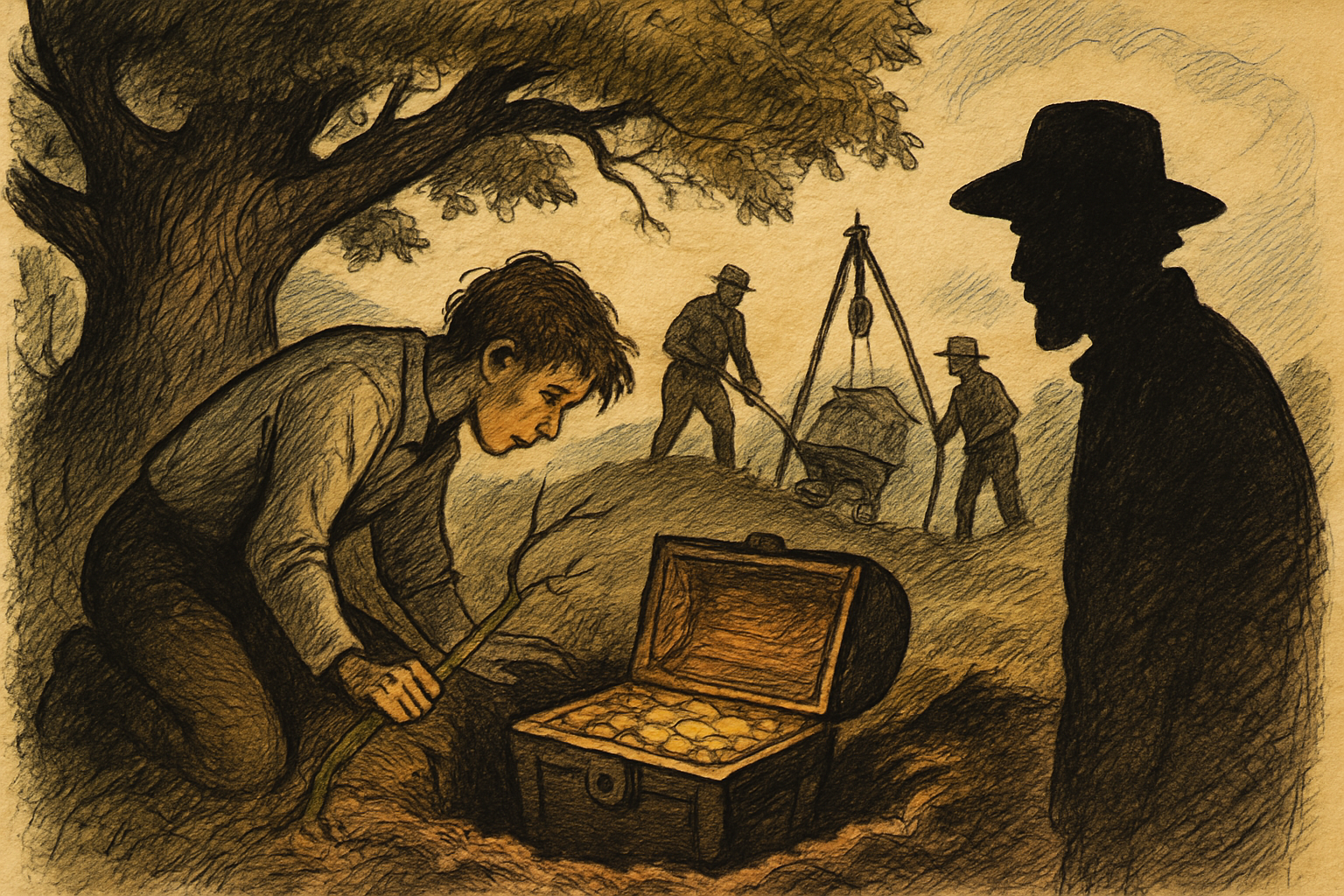
The Enigma of Oak Island
Beneath Oak Island lies a pit of promises, holding legends of buried treasure yet never yielding its secrets.
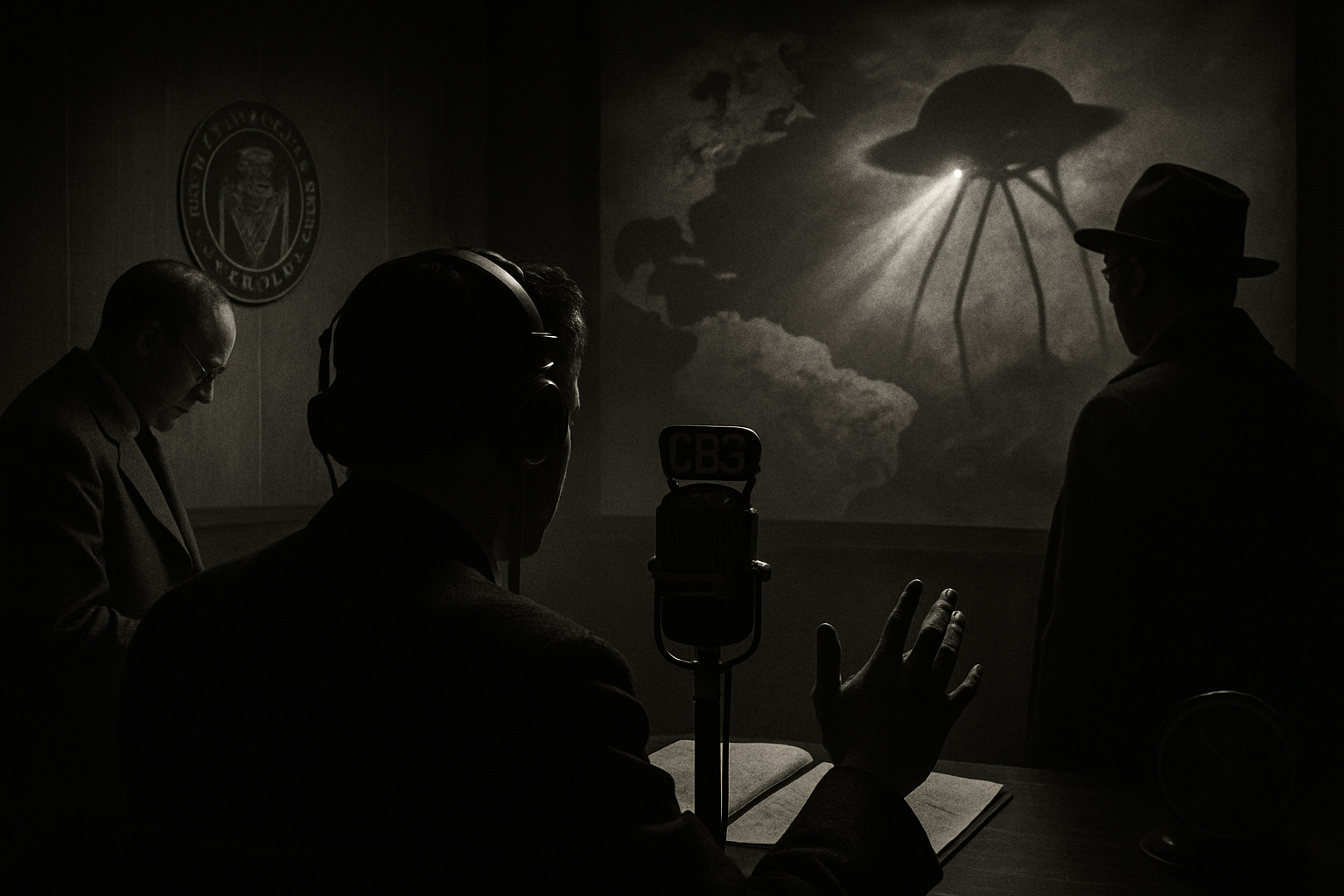
The Broadcast That Terrified America
On the night of October 30, 1938, chaos reigned as Americans believed Martians were invading. It was all fiction.

Star Trek's Blueprint for the Future
One TV series changed how we envision the future. But the even stranger twist? Its fictional tech became real.
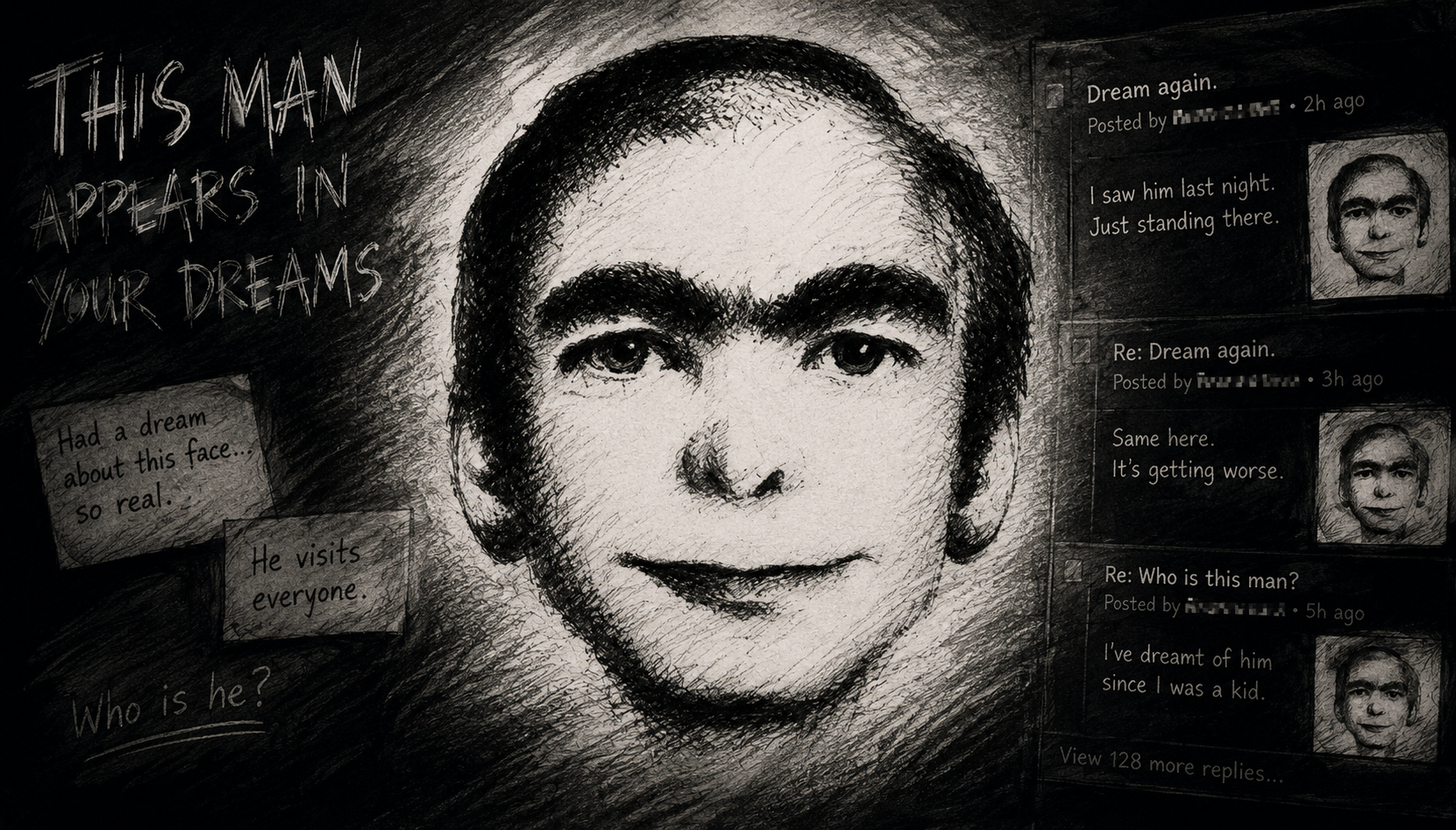
The Man in Everyone's Dreams
In the murky digital realm, a man nobody knew became the face everyone dreamed of. And the reality was even stranger.
Continue the Rabbit Hole
Each story explores the same idea from a different angle. Follow the connections and discover where the thread leads.




Fictional placeholder content